



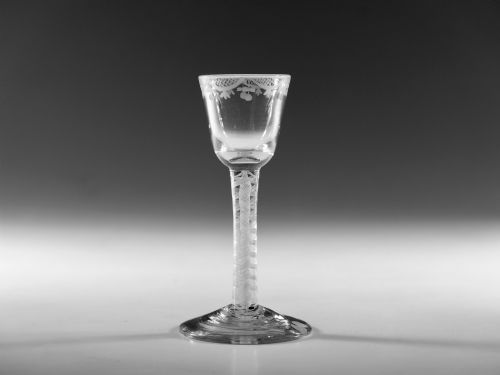
Antique Glass Stemmed Bowl
These antique glass stemmed bowl selections bring drinking vessels and centrepieces from the Georgian and Victorian eras straight to the table.
Antique Glass Stemmed Bowl
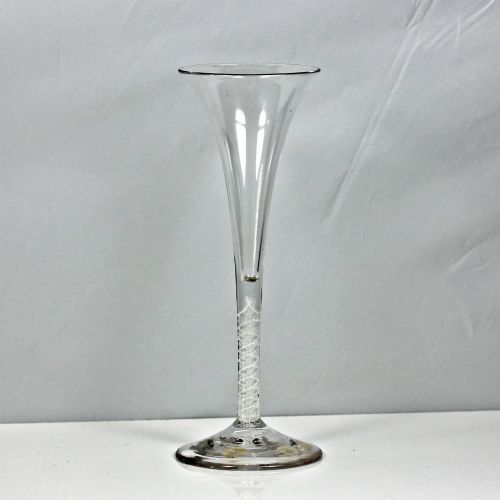
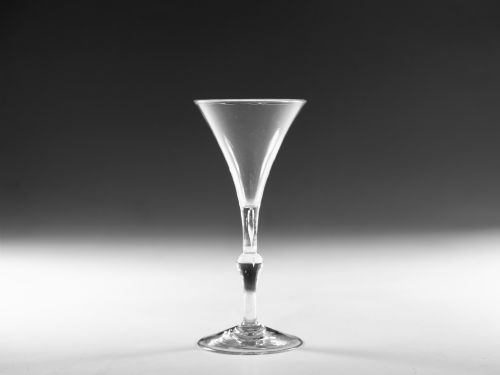
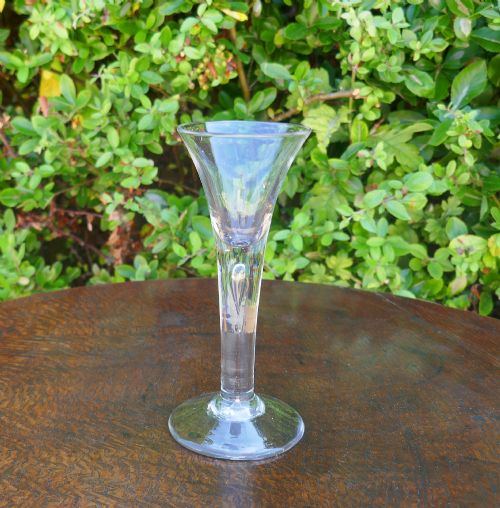
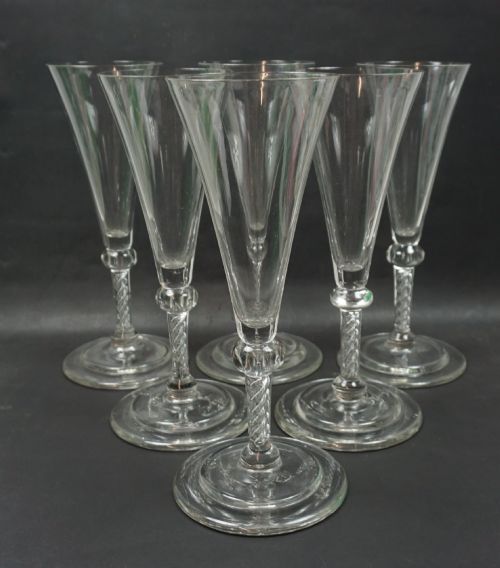
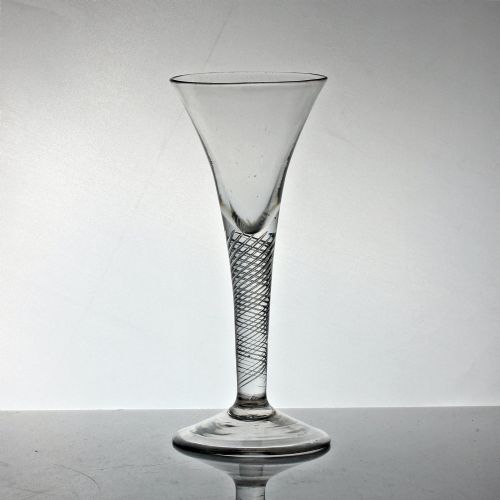
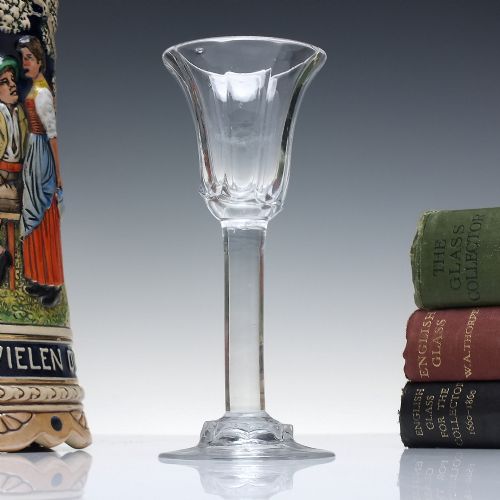
When you search for an antique glass stemmed bowl, you encounter drinking glasses, rummers and centrepiece bowls spanning the eighteenth and nineteenth centuries. The majority of pieces on this page are Georgian wine glasses featuring trumpet, ogee or flared bucket bowls supported by various stem formations.
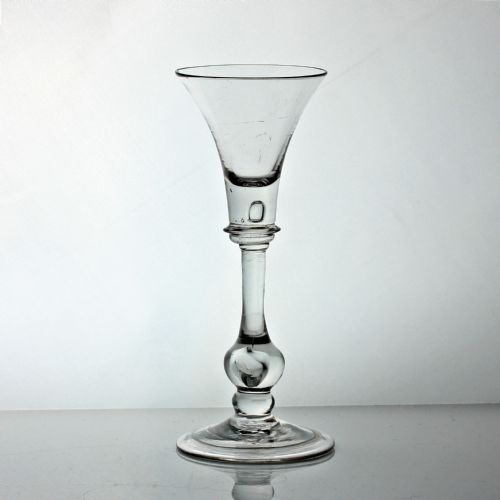
The selection ranges from early baluster and balustroid examples to sophisticated twist stems and later Victorian pedestals. Forms include cordial glasses, goblets and large rummers alongside decorative bowls intended for display.
Origins lean heavily toward English production across periods including the eighteenth century, Georgian era and Victorian period. Each piece demonstrates the traditional vessel shapes used for dining and entertaining in past centuries.
Materials and construction
Makers utilised lead glass, lead crystal, flint glass and clear glass, alongside hand-blown techniques that produced characteristic air bubbles and variable optical properties. Specific pieces incorporate enamel decoration, coloured glass such as turquoise green and amethyst, and applied contrasting bowls.
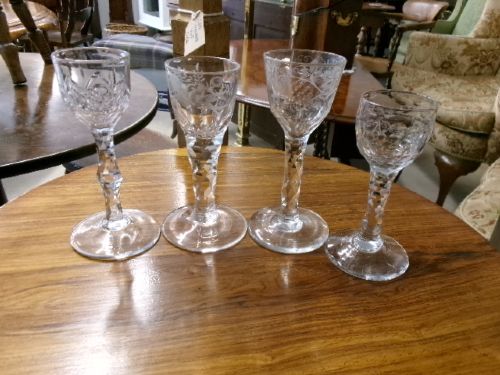
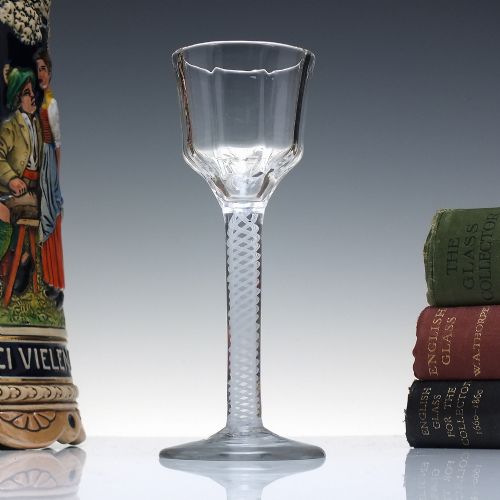
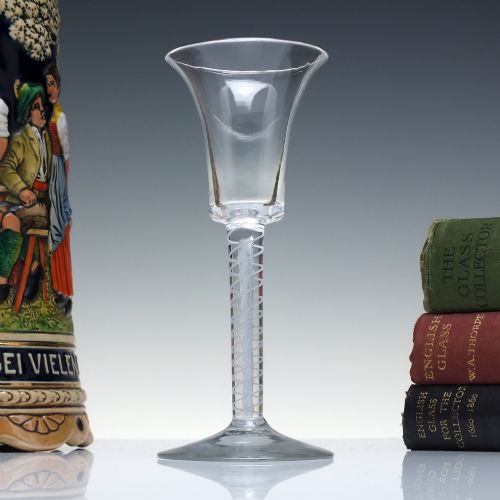
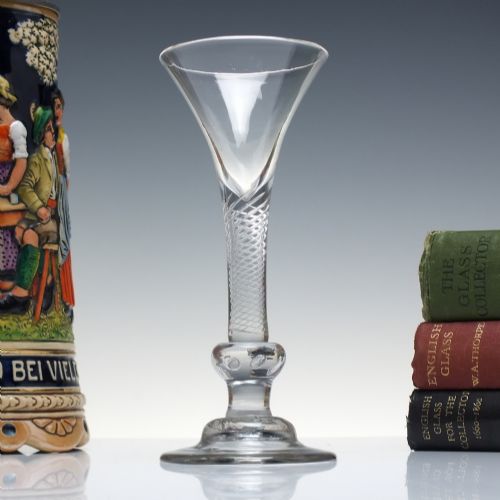
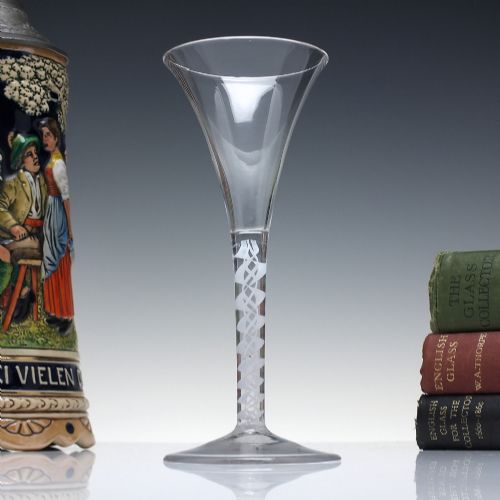
Stems were formed using distinct methods, resulting in air twists, opaque twists, mixed twists, faceted designs and baluster knops. Bowls often feature rib-moulding, petal-moulding, flute-moulding, or meticulous surface engraving and cutting.
Listings feature eighteenth-century and Georgian pieces alongside nineteenth-century Victorian items, utilising lead glass, clear glass, enamel and cut glass.
Assessing quality in stemmed glassware
Quality rests on the clarity of the metal, the precision of the optical effects within the stem, and the overall balance of the vessel. Early lead glass displays a resonant ring and heavy feel, whilst twist stems require technical mastery from the glassblower to maintain uniform spirals.
The crispness of moulded ribbing, the depth of cut or engraved decoration, and the stability of a domed or folded foot distinguish finer examples from standard production. Intact surfaces without excessive wear indicate better preservation.
The Antique Glass Stemmed Bowl Glossary
- Air twist
- A stem formation containing elongated internal air bubbles drawn into threads and twisted into a spiral. This technique was popular in eighteenth-century English drinking glasses.
- Opaque twist
- A stem containing white or coloured enamel glass rods twisted into threads within clear glass. Single, double and multi-series variations exist.
- Baluster
- A heavy, thick stem shape reminiscent of architectural balusters, often featuring knops or collars. It is characteristic of early eighteenth-century forms.
- Ogee
- An S-curve bowl profile curving inward at the rim and outward below. This shape appeared frequently on mid-Georgian wine glasses.
- Rummer
- A large, wide-bowled drinking glass introduced in the late eighteenth or early nineteenth century. They often sit upon a short stem and foot base.
Antique Glass Stemmed Bowl: Frequently Asked Questions
How do I date an antique glass stemmed bowl?
Dating relies on stylistic shifts in bowl shapes, foot formations and stem manufacturing techniques. Eighteenth-century pieces frequently show baluster or twist stems, whilst Victorian items often display heavier cutting and pedestal designs.
Examining pontil marks on the base and the composition of the glass helps narrow down the period. Comparing known examples from the Georgian and Victorian eras provides reliable chronological markers.
Were these stemmed bowls used for wine?
Many smaller stemmed vessels served as wine glasses, cordial glasses or toasts during Georgian dining. Their capacities were smaller than modern equivalents to suit the beverages of the period.
Larger vessels functioned as rummers or centrepiece bowls for larger gatherings. Sweetmeat glasses held confectionery rather than drinks.
What is an air twist stem?
An air twist stem contains internal air bubbles manipulated into fine threads during blowing. The glassblower stretched and twisted the molten metal to create spiral patterns inside the clear stem.
Multiple spiral air twists require advanced skill to distribute the bubbles evenly. They remain a primary indicator of mid-eighteenth-century English glassmaking.