


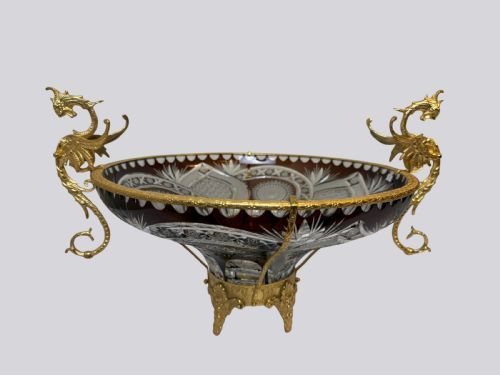


Vintage Glass Tazza
These vintage glass tazza pieces bring pedestal elegance and footed height to a table, combining clear or coloured bowls with decorative metal mounts.
Vintage Glass Tazza
A vintage glass tazza elevates a shallow dish or decorative bowl upon a central foot or pedestal base, creating a distinct display piece for the table. When searching for a vintage glass tazza, buyers encounter formal Victorian footed dishes, Edwardian table centrepieces, and sleek Art Deco designs.
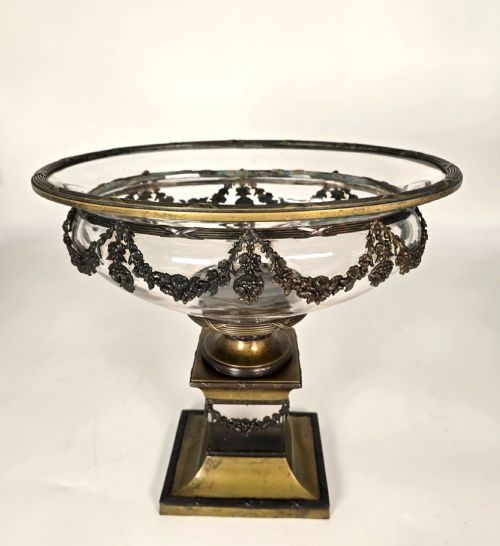
The form encompasses English cut glass sweet dishes and large French pedestal bowls supported by bronze or ormolu mounts. Makers utilised clear glass, coloured glass, and cameo glass to achieve varying visual depths within the raised bowl.
Originating from centuries of refined dining traditions, these pieces function primarily as decorative centrepieces or serveware. The selection ranges from nineteenth century Victorian examples to early twentieth century productions by notable European metalworks.
Materials and construction
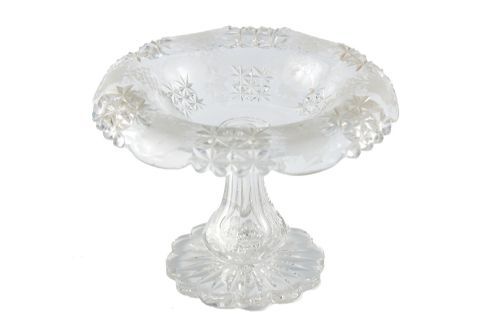
Makers formed the upper vessels using heavy lead glass, which was then cut, etched, or moulded into patterned bowls. Etched motifs and deep facet cutting catch the light across both Victorian and Edwardian examples.
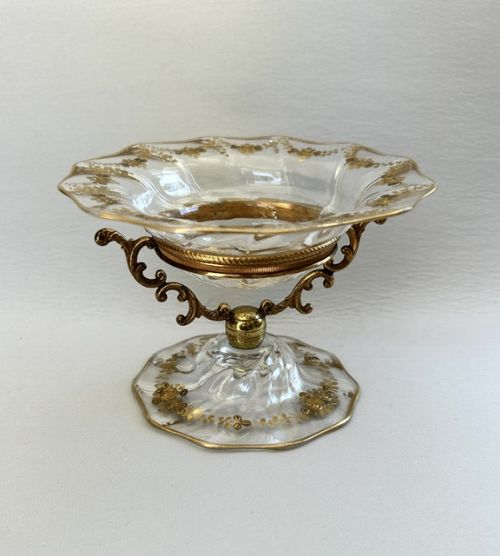
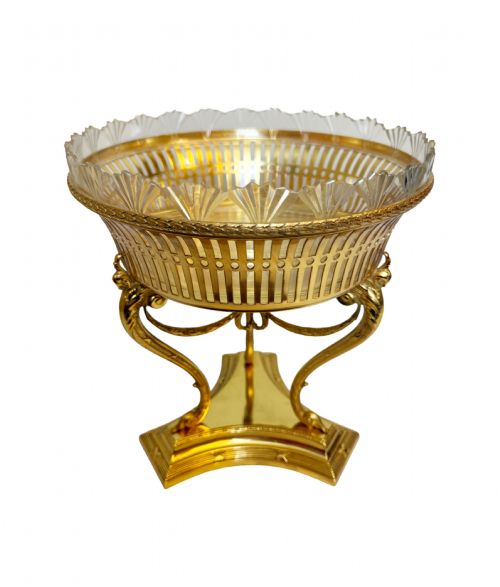
Pedestal mounts and supportive stands frequently incorporate cast metals such as gilt bronze, ormolu, silver plate, or gilded pewter. These metal components secure the glass insert and provide a stable, decorative foot for the elevated dish.
Vintage Glass Tazza Retail Price Guide 2026
Typical asking prices for vintage glass tazza among the pieces listed under this phrase on Sellingantiques today, from the lower quarter to the upper quarter. They describe what is for sale here now, not the wider market.
The listed items span from the eighteenth century through the Art Deco era, featuring materials such as ormolu, vaseline glass, and silver plate.
Assessing quality and execution
The weight and clarity of the glass dictate the primary grade of the piece, with deeper wheel-cutting and sharper facet lines indicating superior craftsmanship. Finely detailed metal mounts, particularly those featuring crisp cast ormolu and gilded bronze, distinguish standard vessels from exceptional ones.
Integration between the glass bowl and its metal support reveals the care taken during assembly. Secure mountings and harmonious proportions between the pedestal base and the upper dish separate finer studio productions from simpler domestic serveware.
W M F·Etling·Orivit
The Vintage Glass Tazza Glossary
- Tazza
- A shallow bowl or dish mounted on a stem and foot, designed for serving food or displaying fruit.
- Ormolu
- Gilt bronze ornamentation applied to furniture and decorative objects, popular in French nineteenth century design.
- Vaseline glass
- A type of glass containing uranium dioxide, noted for its characteristic yellow or greenish-yellow colour and glow under ultraviolet light.
- Cameo glass
- A luxury glass art technique produced by etching or carving through fused layers of different coloured glass.
- Centrepiece
- A large decorative object placed in the middle of a dining table or sideboard.
Vintage Glass Tazza: Frequently Asked Questions
What is a tazza used for?
A tazza serves primarily as a decorative centrepiece, fruit bowl, or elevated dish for sweetmeats and small desserts.
Historically placed in the middle of a dining table, it lifted food and decorative arrangements to create visual height and structure during formal meals.
How do I date a glass tazza?
Dating relies on examining the cutting style of the glass, the composition of the metal mount, and the overall aesthetic movement.
Victorian and Edwardian pieces show heavy cut patterns and silver plate, whereas Art Deco examples display geometric lines or characteristic coloured glass.
Are these pieces fragile?
These items combine heavy glass bowls with metal stems, requiring careful handling during movement and cleaning.
Wash them by hand in lukewarm water using mild detergent, supporting the base and bowl simultaneously to avoid stressing the joints.
What distinguishes French and English pieces?
French examples frequently incorporate elaborate ormolu, gilt bronze, and bronze mounts with rich sculptural details.
English pieces tend to focus on heavy cut glass paired with sterling silver or silver plate, reflecting classical Victorian and Edwardian dining tastes.