




Antique Glass Lampshade
An antique glass lampshade softens interior light through period textures, from Victorian ruby glass to Art Deco pressed satin.
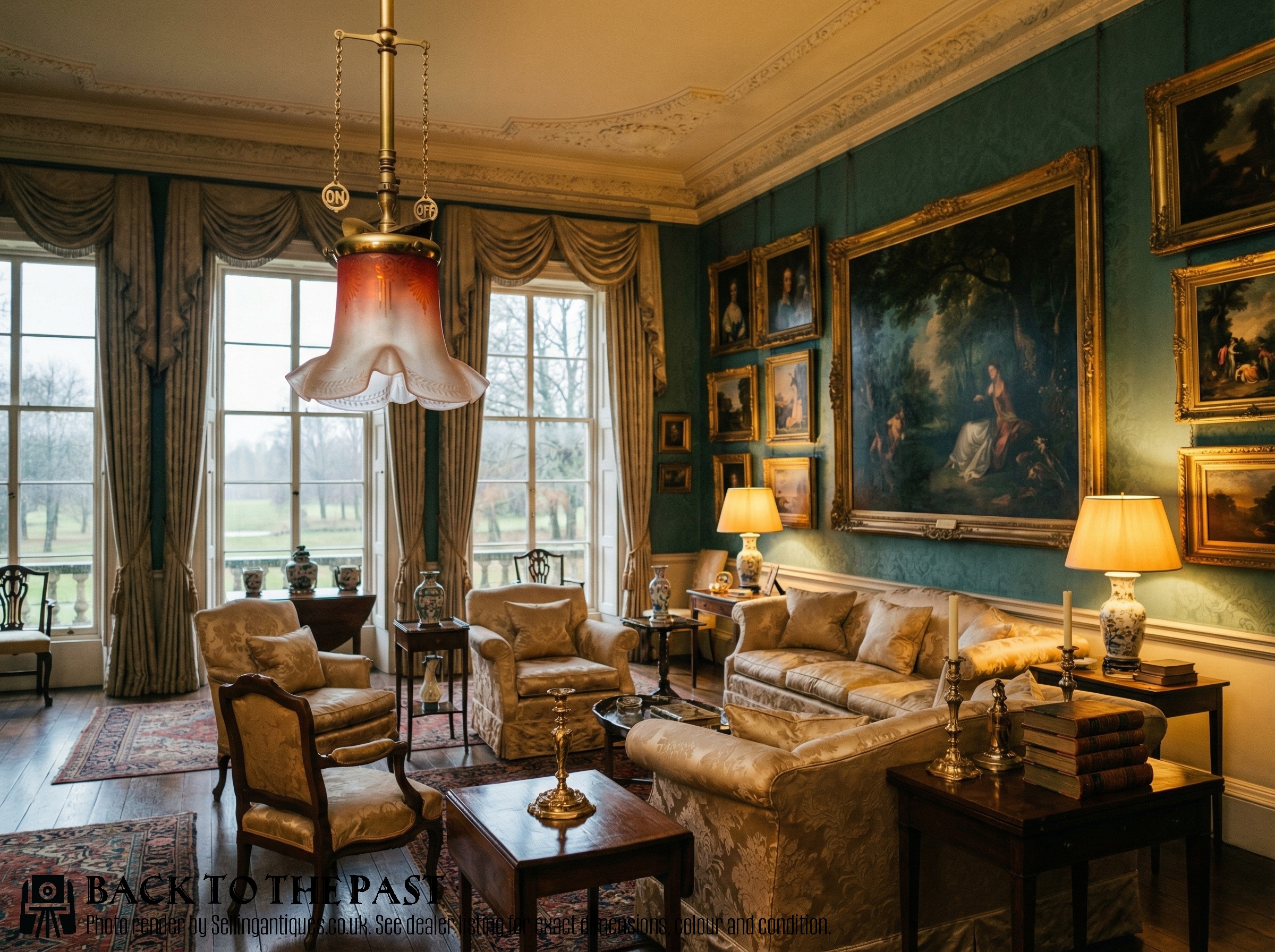
Antique Glass Lampshade
An antique glass lampshade brings period character to overhead fixtures, desk lamps, and ceiling pendants. These pieces span from the late nineteenth century through the Edwardian era and into the 1930s.
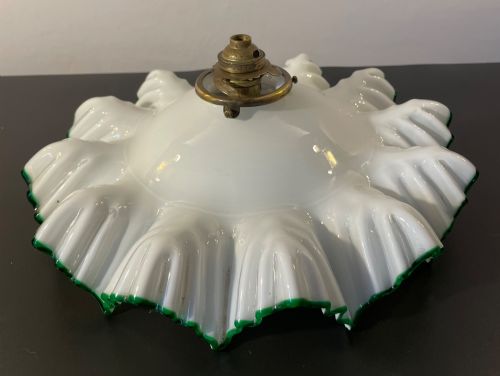
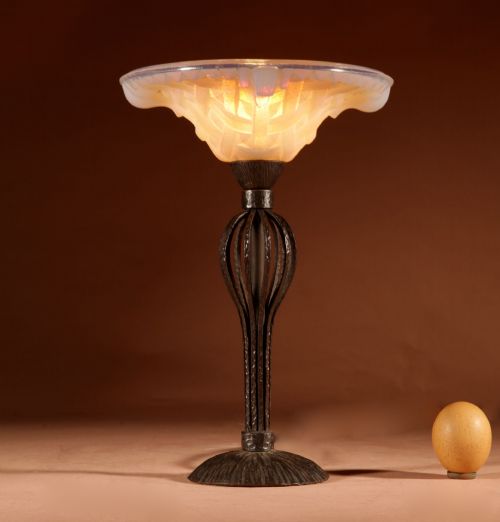
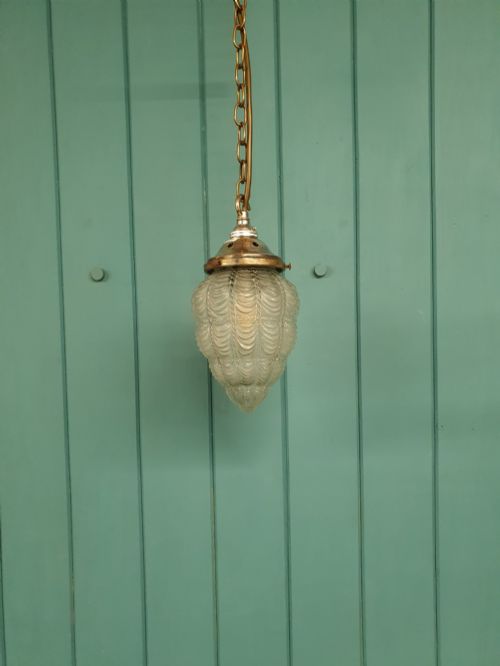
The most common examples on this page are French frilled pendants and Art Deco opalescent bowls, alongside Victorian ruby glass shades and Edwardian frosted lanterns.
Buyers choose an antique glass lampshade to replace generic modern fittings with authentic period glass, whether mounted on brass, bronze, chrome, or wrought iron.
How they were made
Makers utilised pressed, frosted, opalescent, and etched glass, shaping molten material in moulds or blowing it by hand. Frilled edges and crimped rims were achieved while the glass remained hot and pliable in the workshop.
Metal components like brass, bronze, chrome, and wrought iron provided structural mounts, galleries, and suspension hardware to support the glass shades securely.
Surface decoration included acid etching, enamel work, and crystal bead arrangements, adding depth and colour to the finished lighting.
Listings feature brass, bronze, and chrome fittings paired with frosted, opalescent, and pressed glass across Victorian, Edwardian, and Art Deco periods.
What varies in quality
The weight and thickness of the glass distinguish finer pieces from standard production items, with heavier pressed and opalescent pieces offering superior light diffusion. The clarity of moulded patterns and the depth of surface etching also indicate finer craftsmanship.
The quality of the matching metalwork, whether cast brass, wrought iron, or bronze, affects the integrity of the piece. Integrated mountings that fit the glass collar precisely show higher attention to detail than generic replacement galleries.
Lacroix·Lalique·Messenger
The Antique Glass Lampshade Glossary
- Opalescent Glass
- Glass that milky or pearlescent quality which diffuses light softly across an interior. It scatters wavelengths to create a characteristic glow.
- Plafonnier
- A ceiling-mounted bowl light that sits close to the surface, popular during the Art Deco period. These shades direct illumination upwards or outwards into the room.
- Frill lampshade
- A glass shade featuring a ruffled, crimped, or scalloped rim formed while the material was hot. This decorative edge frequently appears on French lighting.
- Pressed Satin Glass
- Glass produced by pressing molten material into a metal mould and treating the surface to achieve a matte, velvety texture. It scatters light without harsh glare.
- Ruby Glass
- Deep red glass coloured by the addition of gold or copper compounds during melting. It produces a rich, warm glow when lit from within.
Antique Glass Lampshade: Frequently Asked Questions
How do I hang an old glass shade?
Most antique shades suspend from a standard brass, bronze, or chrome gallery using three or four screw thumbs. Ensure the fitter size matches your ceiling pendant suspension.
For heavier pieces like Art Deco bowls or multi-tier chandeliers, check that the hanging chain and ceiling rose support the total combined weight of glass and metal.
Are these shades compatible with modern bulbs?
Many vintage and antique pendants accept standard screw or bayonet bulb holders, though older fittings may require rewiring by a qualified electrician to meet current safety standards.
Low-heat LED bulbs work well inside antique glass because they reduce thermal stress on fragile Victorian and Edwardian materials.
How do I clean delicate antique glass?
Wash glass shades gently in warm, soapy water using a soft cloth, avoiding abrasive pads that can scratch frosted or etched surfaces. Remove the shade from its metal mount before cleaning.
Dry thoroughly with a lint-free cloth to prevent water spots, particularly on pressed satin or cranberry glass.
What period does my glass shade belong to?
Examine the form, colour, and manufacturing technique to determine age, as Victorian pieces often feature rich ruby or cranberry tones and frilled rims. Edwardian examples tend to use frosted glass with bronze mounts.
Art Deco items from the 1920s and 1930s display geometric opalescent bowls, moulded satin finishes, and streamlined wrought iron or chrome hardware.