

Antique Drop Light
An antique drop light brings vertical illumination and sparkling refraction into a room through suspended glass, crystal, and metal.
Antique Drop Light
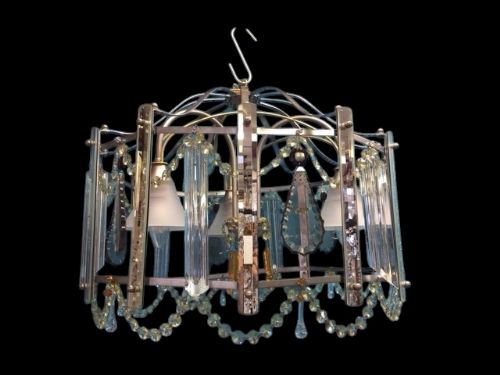
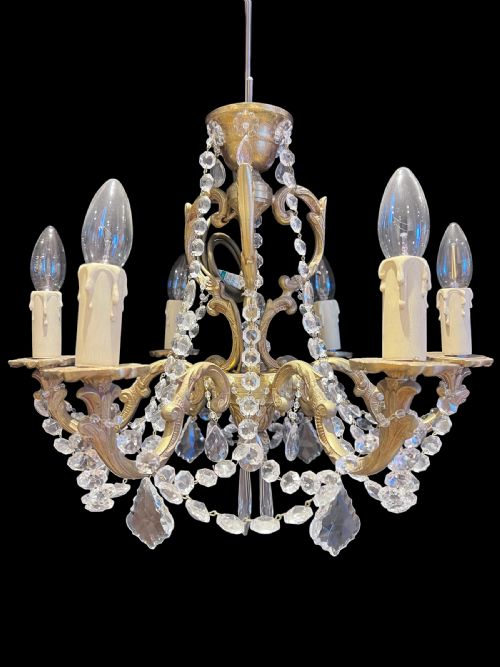
When you search for an antique drop light, you encounter a selection of hanging luminaires designed to draw the eye downward from the ceiling. These pieces encompass chandeliers, pendant lights, and ceiling lights that suspend illumination points below the mounting surface.
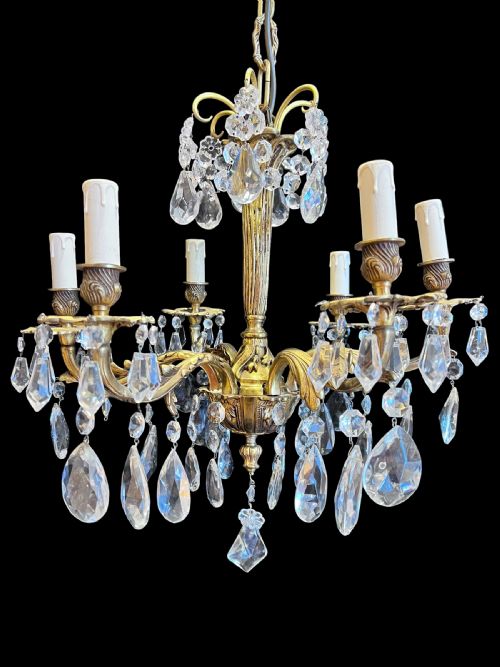
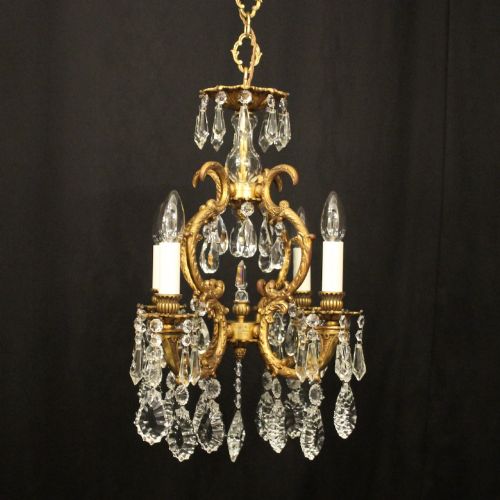
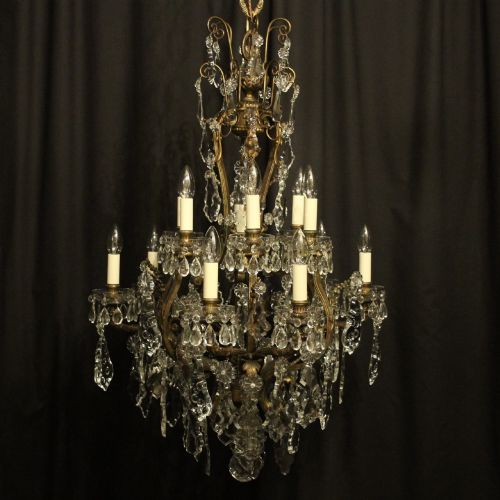
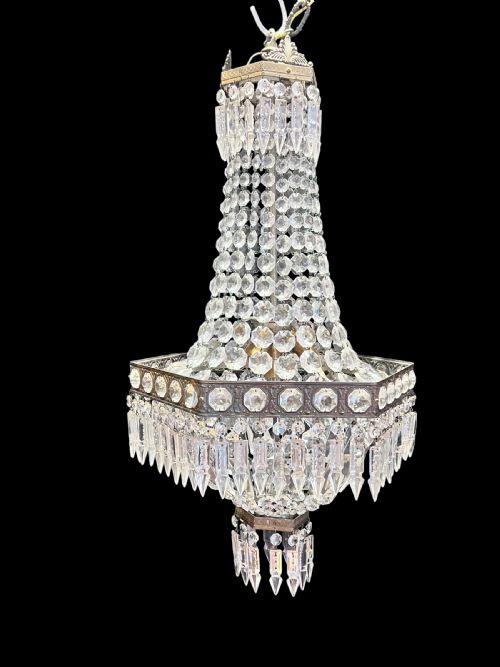
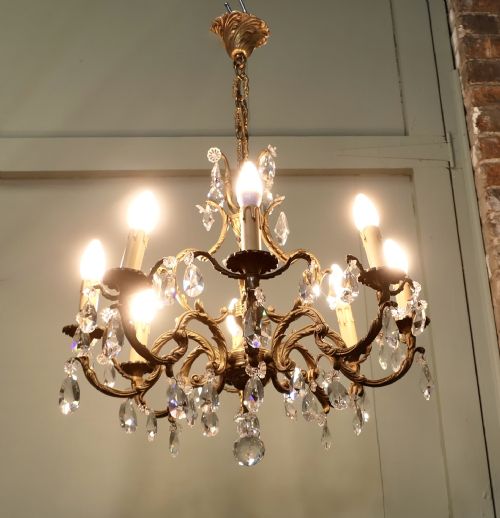
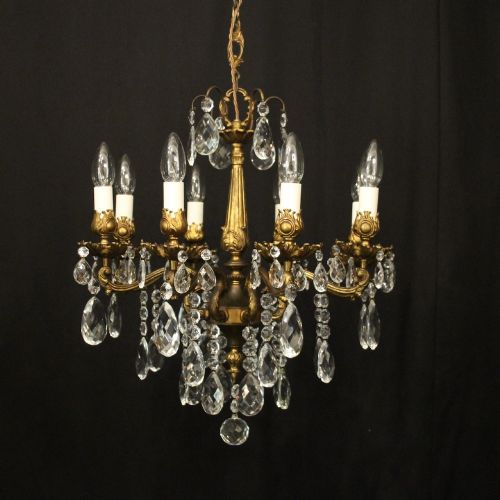
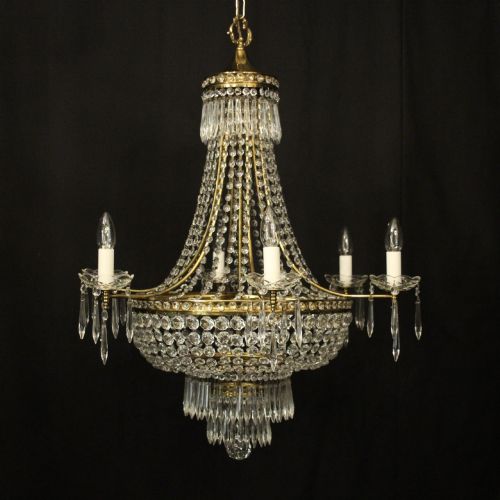
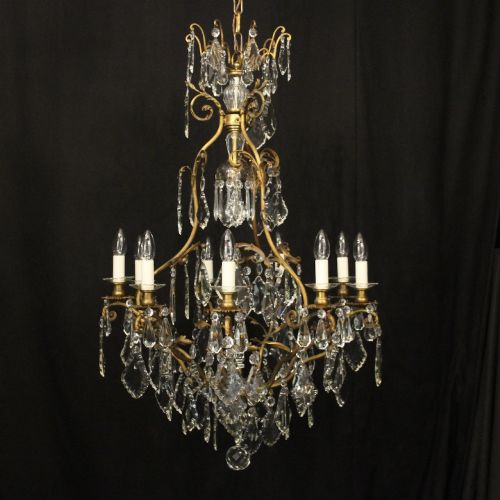
The evidence shows that many examples draw on French and Italian design traditions, incorporating tiered structures, tent and waterfall configurations, and multiple candle branches. Brass, gilt metal, and bronze form the supportive frameworks for these suspended fixtures.
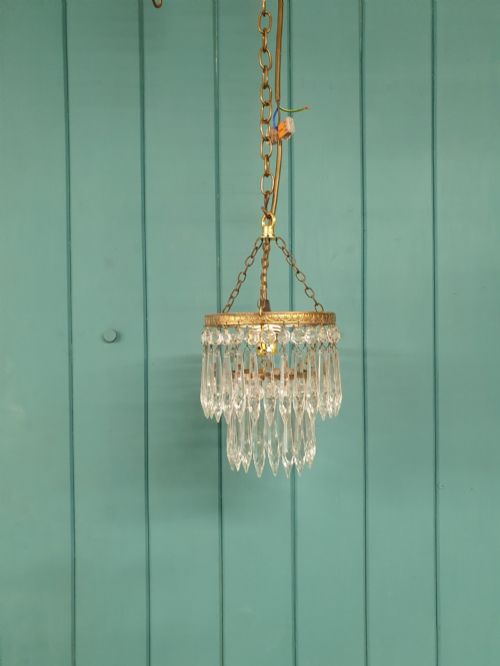
Alongside major multi-arm chandeliers, the category includes smaller single-point pendants and matching wall lights equipped with hanging glass elements. These lighting forms span the Victorian, Edwardian, and early twentieth-century periods, running from the late nineteenth century into the 1930s.
Materials and construction
Makers constructed the structural frames of an antique drop light using cast or spun brass, gilt bronze, and various gilt metals. These metallic skeletons support the weight of the electrical or candle-bearing arms while providing decorative mounts for hanging elements.
Cut glass, rock crystal, and moulded glass components dominate the suspended portions of these fixtures. Prisms, spikes, beads, and lustres hang from the metal armatures to refract light across the room when the luminaire is lit.
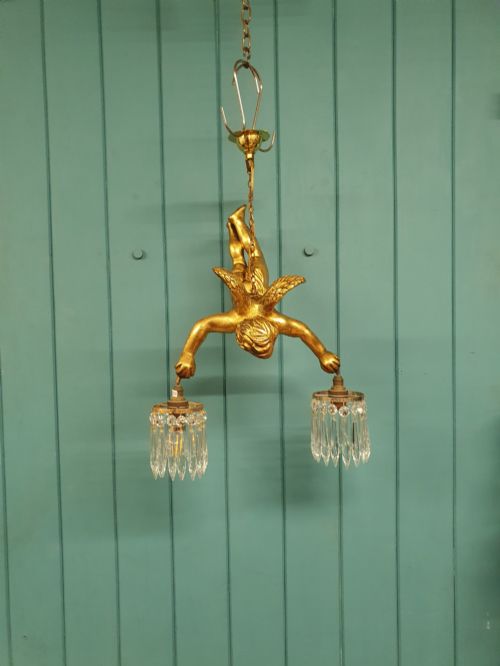
Several fixtures feature winged cherubs and flying cupids keeping silent watch over the illumination.
Evaluating quality and execution
The sophistication of the metalwork distinguishes different tiers of execution in an antique drop light. Finely chased bronze frames and substantial cast brass structures indicate careful workshop production, whereas simpler stamped sheet metal represents a more utilitarian standard.
The cut and clarity of the glass elements determine the optical performance of the piece. Deeply hand-cut crystal prisms with sharp facets create richer light refraction than plain moulded glass drops.
Arthur Basil Reynolds
The Antique Drop Light Glossary
- Tent and waterfall
- A lighting configuration where upper strings of crystal beads form a conical tent shape above a lower cascade of cascading drops.
- Lustre
- A hanging glass pendant or prism designed to catch and reflect light from candles or bulbs.
- Spike
- A long, slender, pointed piece of cut crystal suspended from the chandelier frame.
- Gilt metal
- Metal coated with a thin layer of gold or a gold-coloured wash to provide a rich metallic surface.
- Mantel lustre
- A decorative ornamental vase or stand fitted with hanging crystal prisms, designed for display on a fireplace mantel rather than ceiling suspension.
Antique Drop Light: Frequently Asked Questions
How do I hang an antique drop light safely?
Suspension requires adequate ceiling blocking to support the combined weight of the metal frame and glass components. Professional installation ensures the electrical wiring meets current standards while bearing the physical load securely.
Heavier multi-arm fixtures need direct attachment to ceiling joists using rated hooks. Consulting a qualified electrician guarantees the safe integration of period metalwork with modern power supplies.
How should I clean the crystal drops?
Maintenance involves removing fragile glass prisms individually for gentle washing in warm soapy water. Rinsing and drying each piece by hand prevents water spots from dulling the faceted surfaces.
Leaving drops attached while spraying cleaning fluids can damage the surrounding metal frame and leave a residue. Taking down the glass elements ensures a thorough clean without risking the structural mountings.
What rooms suit an antique drop light best?
Dining rooms, hallways, and entranceways provide ideal spaces for suspended luminaires where vertical clearance allows uninterrupted movement underneath. The downward distribution of light creates a strong focal point in high-ceilinged spaces.
Smaller pendant versions fit comfortably in bedrooms or compact living areas where multi-arm chandeliers would overwhelm the scale. Matching wall lights can extend the lighting scheme across adjacent walls.
How can I tell the period of a drop light?
Dating relies on examining the casting techniques, mounting hardware, and stylistic motifs present in the metal frame. Edwardian and 1920s examples often feature lighter brasswork and distinct prismatic arrangements compared to heavier Victorian or 19th-century bronze castings.
Component assembly methods, such as wire ties versus threaded pins holding the glass drops, offer further clues to the manufacturing era. Comparing the overall design vocabulary to documented historical periods helps establish the age of the fixture.