
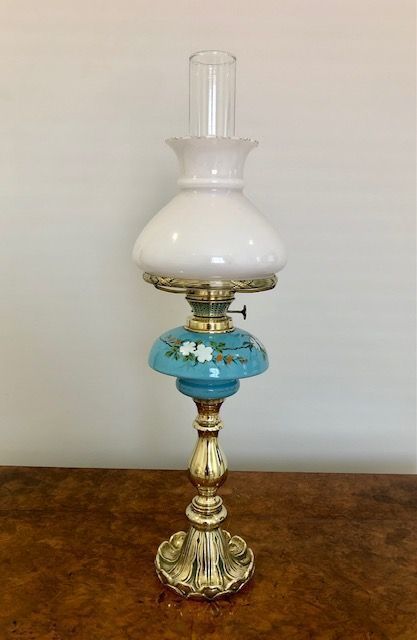


Antique Opal Glass Shade
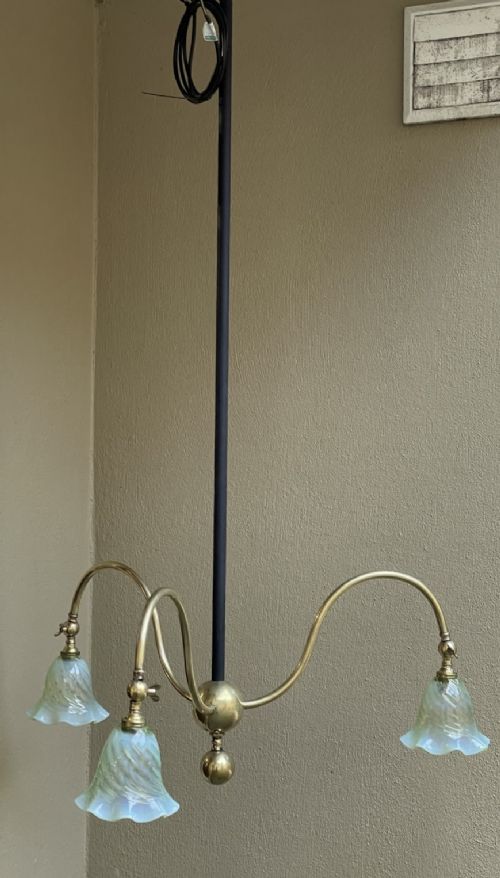
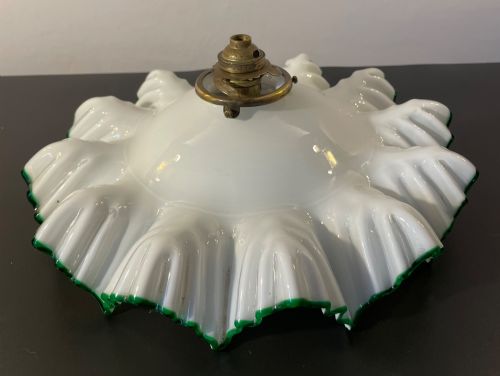
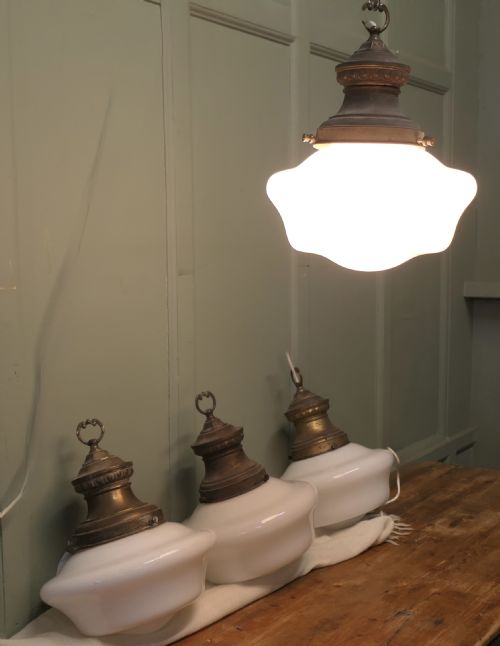
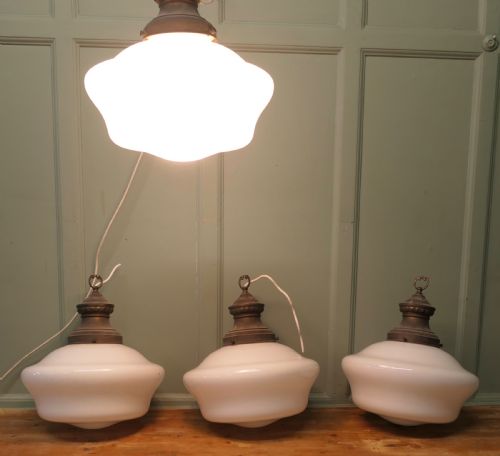
These antique opal glass shade pieces bring a soft, diffused glow to a room, offering both practical illumination and a period aesthetic.
Antique Opal Glass Shade
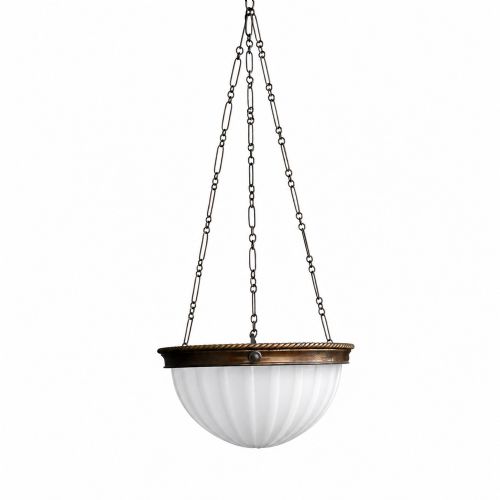
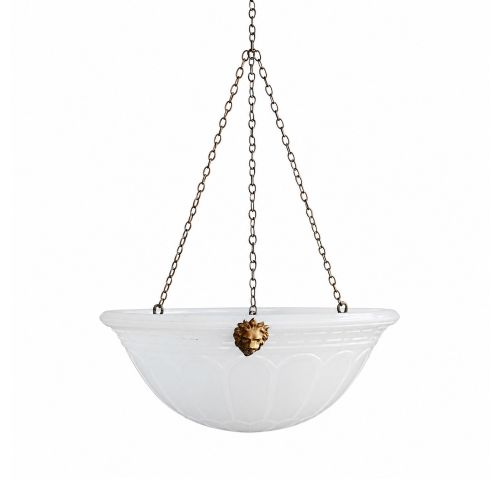
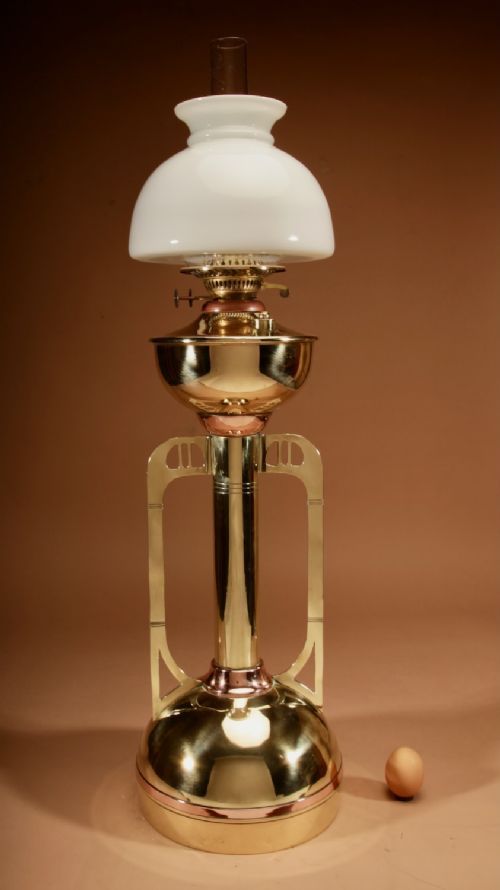
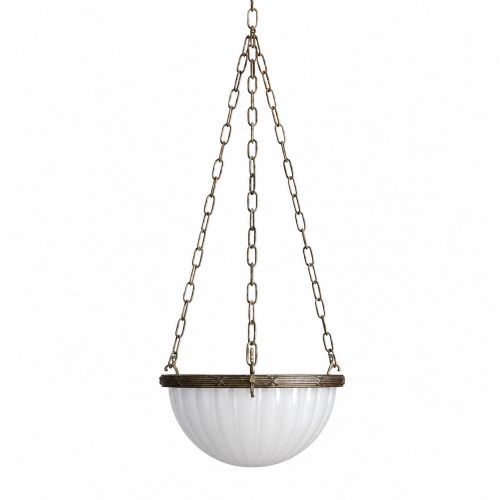
An antique opal glass shade provides a milky, translucent light filter that softens interior illumination without harsh glare. When searching for an antique opal glass shade, buyers encounter pendant lights, ceiling fixtures, and oil lamp globes originating from the nineteenth and early twentieth centuries.
The selection ranges from Victorian oil lamp globes and Edwardian ceiling suspensions to industrial pendants and Arts and Crafts bowls. English and French workshops produced many of these items, utilising heavy, milky glass designed to withstand heat while casting an even tone across a space.
Industrial examples from the nineteen-thirties appear alongside decorative domestic pieces from the Edwardian era and Victorian period. Buyers will find both simple conical shades and elaborate moulded bowls paired with brass, copper, and ceramic fittings.
Materials and construction
Glassmakers created opaline and moonstone glass by adding minerals to the molten batch to achieve opacity, producing a milky white or pale blue-toned translucency. This material allowed light to pass through while obscuring the internal burner or bulb.
Metalwork components such as brass, copper, and iron provided structural support, featuring in galleries, rings, chains, and ceiling suspensions. These mounts were cast or spun to hold the glass securely by its rim or collar.
Antique Opal Glass Shade Retail Price Guide 2026
Typical asking prices for opal glass shade among the pieces listed under this phrase on Sellingantiques today, from the lower quarter to the upper quarter. They describe what is for sale here now, not the wider market.
Some diminutive English shades are so small they appear ready to illuminate a dollhouse rather than a Victorian parlour.
Factors of quality
The density and purity of the glass determine how evenly the shade diffuses light, with superior examples showing a smooth, consistent opacity free of heavy impurities. The thickness of the glass wall also affects durability and the warmth of the emitted light.
Metal mounts exhibit varying levels of craftsmanship, from simple spun brass rings to heavy, detailed castings associated with Arts and Crafts and Secessionist designs. Original matching fitter rings and quality period hardware elevate the integrity of the piece.
Gustave Serrurier Bovy·Jefferson
The Antique Opal Glass Shade Glossary
- Opaline glass
- A semi-opaque glass, often white or pale pastel, popular in nineteenth and twentieth-century lighting. It diffuses light effectively.
- Moonstone glass
- A specific type of translucent glass with a cloudy, shimmering appearance resembling the gemstone. It yields a very soft light.
- Fitter
- The bottom or top rim of a glass shade designed to be held by a brass ring or gallery on a lamp or pendant. Proper sizing ensures secure mounting.
- Gallery
- The metal ring or collar on a light fixture that grips the shade. It often incorporates thumbscrews to secure the glass.
- Pendant light
- A hanging lighting fixture suspended from the ceiling by a cord, chain, or metal rod. These often feature large conical or dome-shaped shades.
Antique Opal Glass Shade: Frequently Asked Questions
How do I clean an old glass shade?
Wash the glass gently in warm, soapy water using a soft cloth to avoid scratching the surface. Dry it thoroughly before refitting it to any metal hardware.
Avoid using harsh chemical cleaners or abrasive scourers, as these can damage the glass body or remove enamel details found on certain period pieces.
Can these shades take modern bulbs?
Many vintage and antique fixtures can accommodate modern LED bulbs, provided the wattage matches the thermal limits of the original shade. Low-heat bulbs prevent undue thermal stress on nineteenth-century glass.
Consult a qualified electrician to check the wiring and lampholder compatibility before installing any antique lighting in your home.
How do I date an opal glass shade?
Dating relies on stylistic clues, mounting hardware, and the manufacturing technique visible in the glass rim. Victorian and Edwardian examples often feature hand-finished rims and heavier brass galleries.
Later industrial pieces from the nineteen-thirties tend to have simpler, robust fittings suited to commercial environments rather than domestic drawing rooms.
Were these shades used with gas or electricity?
Many early pieces were designed for paraffin oil lamps or gas lighting before being converted to electricity during later renovations. Oil lamp globes typically feature a wide bottom rim to sit within a brass burner gallery.
Ceiling pendants from the Edwardian period onwards were built specifically for electrical suspension or adapted safely from gaseliers.