




Antique Glass Drinking Cups
These antique glass drinking cups bring historical elegance to the table, offering tactile pleasure through centuries of refined craftsmanship.
Antique Glass Drinking Cups
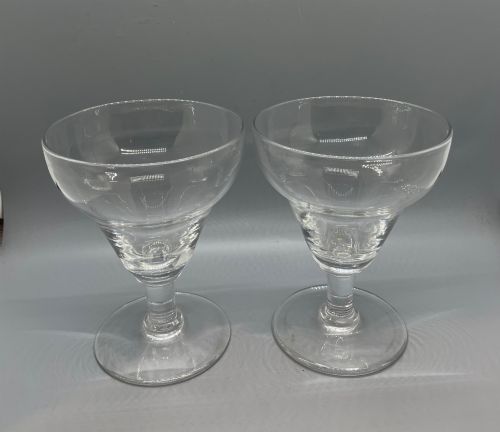
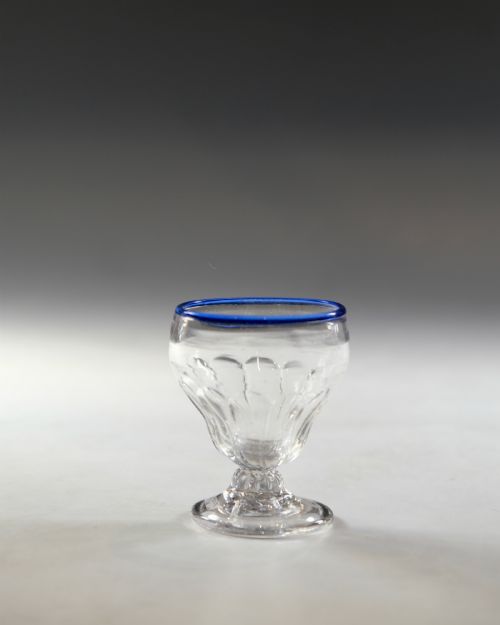
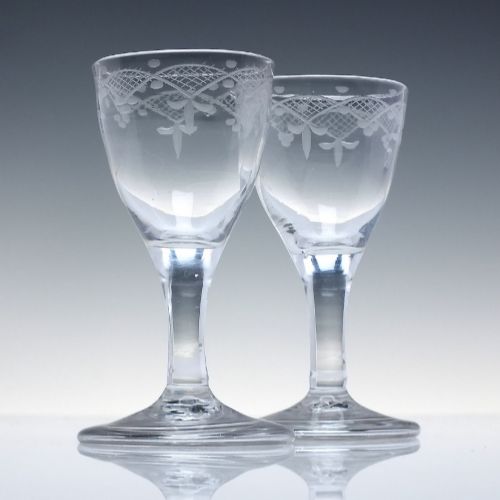
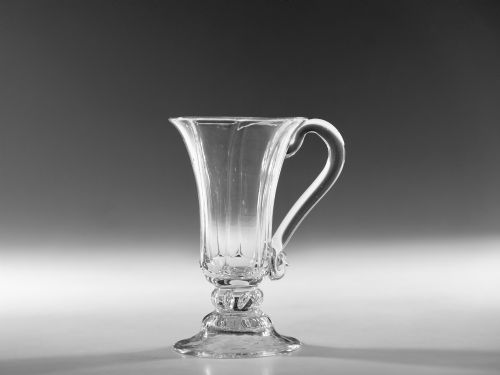
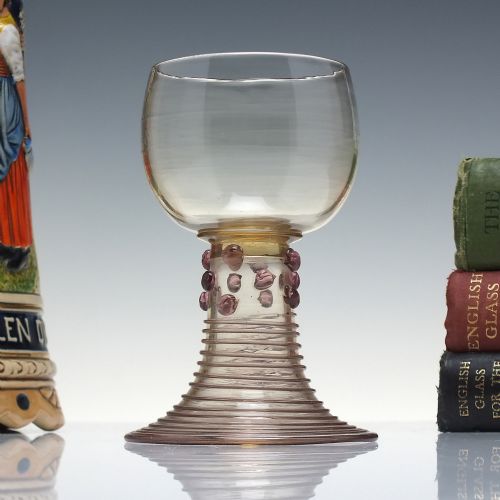
When you search for antique glass drinking cups, you encounter a diverse array of vessels designed for imbibing spirits, wines, cordials and ales across multiple centuries. The selection spans delicate Georgian dram glasses and jelly vessels alongside robust Victorian tumblers and Art Deco cocktail goblets.
You are most likely to meet Georgian rummers and cordial glasses featuring hand-blown forms, alongside colourful Victorian wine glasses and silver-mounted flasks. These pieces reflect the evolving social habits and drinking customs of the eighteenth, nineteenth and early twentieth centuries.
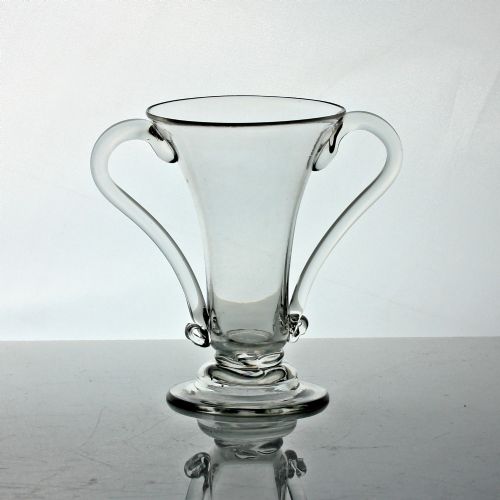
The category extends beyond simple beakers to incorporate complex tablewares such as double-handled jelly glasses, bonnet glasses, and silver-plated spirit dispensers fitted with crystal barrels. Each form demonstrates specific historical utility, bridging domestic dining with portable barware.
How they were made
Glassmakers utilised traditional hand-blowing techniques, shaping molten lead glass and clear glass into complex vessels with folded feet and air-teared stems. Artisans employed free-blown and mould-blown methods to achieve the characteristic walls of Georgian and Victorian drinking vessels.
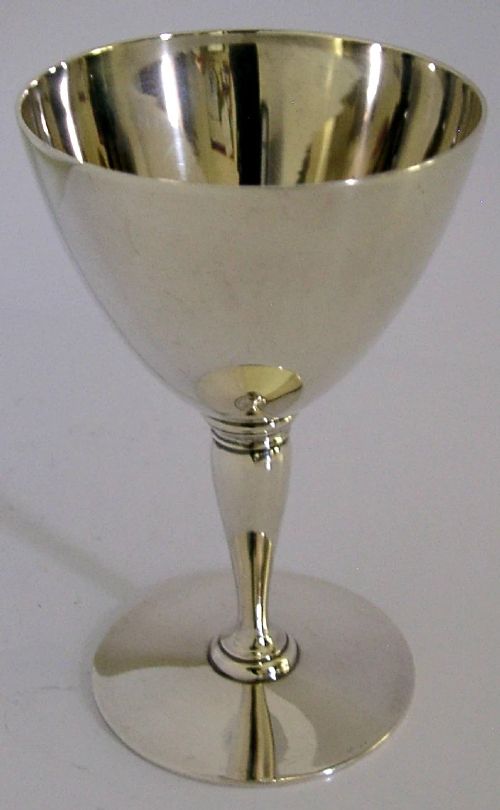
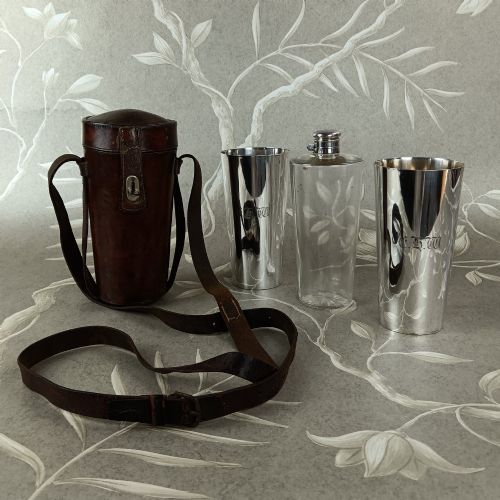
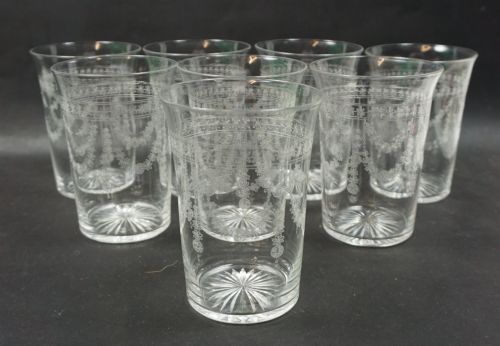
Decoration relied heavily on wheel-cutting, acid etching, and naive engraving to produce intricate surface patterns on crystal tumblers and wine glasses. Craftsmen also integrated sterling silver, solid silver gilt, and silver plate mounts, securing metal cups and collars to glass bodies.
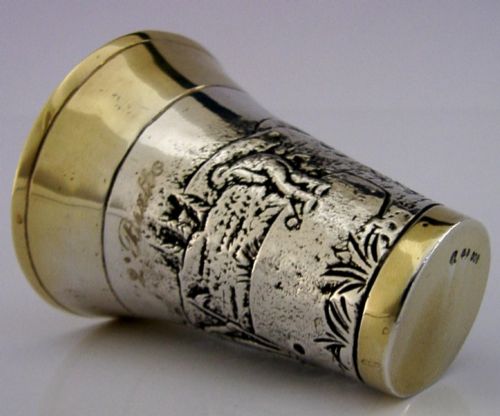
Golfers can toast their victories with a solid silver German golfing cup bearing period barware charm.
What varies in quality
Quality rests upon the purity and weight of the glass, the precision of hand-cut or etched decoration, and the integrity of any integrated silver or leather elements. Superior pieces demonstrate exceptional clarity, balanced proportions, and refined manipulation of the hot metal during blowing.
The relationship between the glass body and metal mounts determines distinction in composite objects like silver-mounted hip flasks and silver-gilt cups. Master craftsmanship shows in the seamless assembly of disparate materials such as glass, leather, and hallmarked silver.
James Dixon & Sons·Tiffany & Co·Elkington·George Ernest Hawkins·Salviati
The Antique Glass Drinking Cups Glossary
- Dram glass
- A small drinking vessel designed for consuming a single measure of spirits, frequently encountered in eighteenth-century forms with folded feet.
- Pontil mark
- The rough scar left on the base of a hand-blown glass vessel where the pontil rod was snapped off after creation. Its presence indicates traditional manufacture.
- Air twist
- A decorative optical effect inside a glass stem created by drawing out bubbles of air during the manipulation of molten metal.
- Tyg
- A large drinking cup with multiple handles, designed to be passed around a company of drinkers.
Antique Glass Drinking Cups: Frequently Asked Questions
How do I identify eighteenth-century drinking glasses?
Eighteenth-century examples often display thick lead glass construction with heavy footplates and distinctive tool marks from hand-blowing. Look for characteristics like folded feet and air-teared stems which point to period manufacturing methods.
Examine the metal content and surface wear underneath the base to support dating. Comparing the bowl form and engraving style against known Georgian examples confirms authenticity.
Were these cups used daily or for special occasions?
Drinking vessels varied in purpose from everyday tavern rummers and dram glasses to fine crystal wine services reserved for formal dining. Wealthier households utilised specialised glassware like jelly glasses and cordial cups for specific courses.
Portable spirit flasks and silver-mounted beakers served travellers and field campaigners during the Victorian period. Their dual materials provided both durability and status during transit.
What is the difference between a rummer and a wine glass?
Rummers possess broader, deeper bowls and shorter, sturdier stems suited for heartier ales and spirits. Wine glasses generally feature slender stems and more tapered bowls designed for aromatic vintages.
Georgian and Victorian makers scaled these forms according to the prevailing drinks of the time. The transition in shape marks shifts in dining etiquette across the centuries.