



Georgian Short Stem Glasses
Georgian short stem glasses are sturdy drinking vessels made for ale and spirits, bringing robust historical character to your table.
Georgian Short Stem Glasses
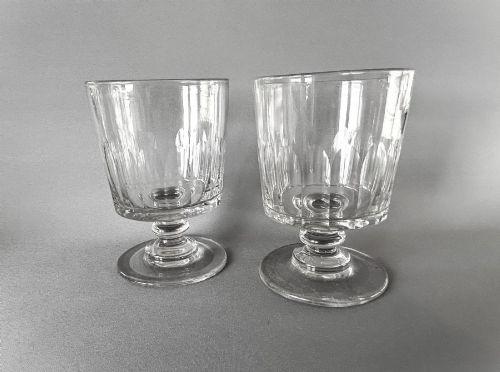
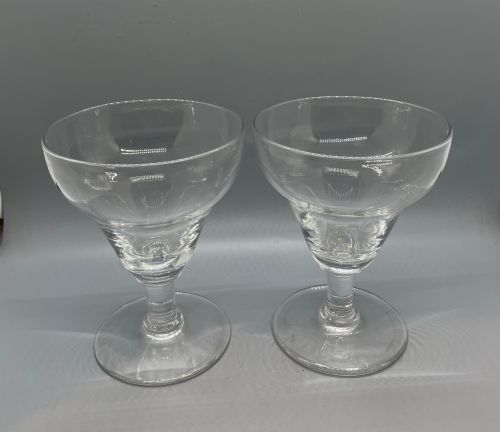
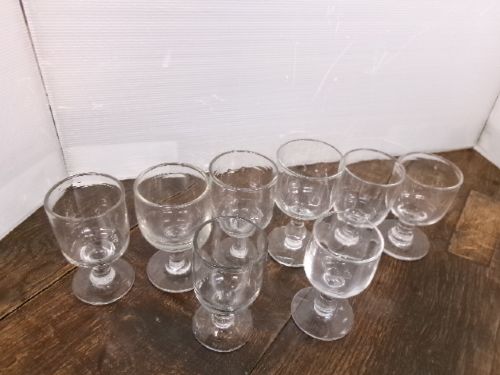
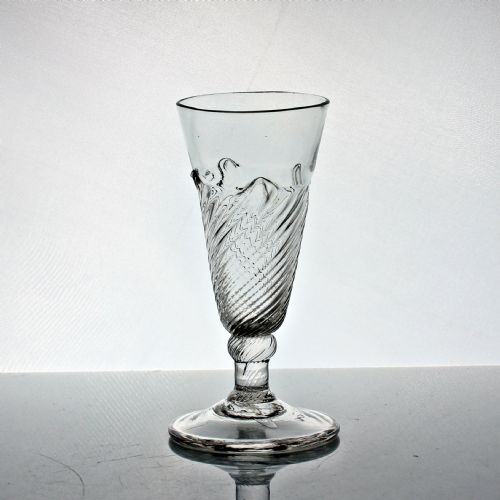
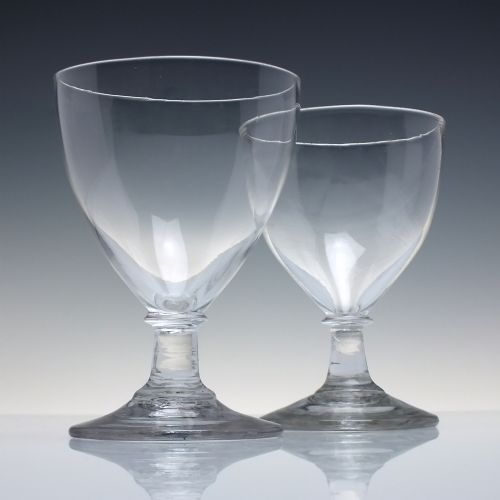
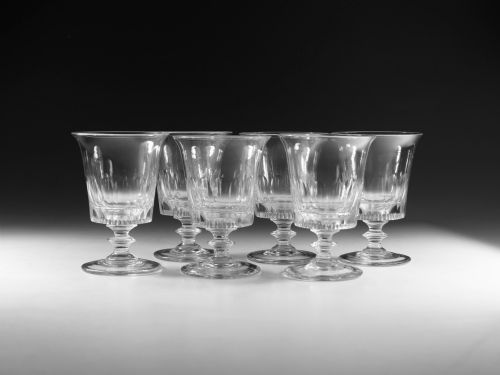
When you search for georgian short stem glasses, you are looking at substantial drinking vessels designed for robust everyday use rather than delicate toasts. The forms include rummers, dwarf ale glasses, and tavern glasses spanning the eighteenth and nineteenth centuries.
You are most likely to meet rummers featuring ogee, ovoid, or pan top bowls supported by thick, low stems. These pieces date from the Georgian period through to the mid nineteenth century.
How they were made
Makers utilised clear lead glass and flint glass to achieve substantial weight and refractive brilliance. The material allowed artisans to form thick walls and sturdy bases suited to heavy handling.
Pieces were hand-blown, shaping the bowl and short stem while working the hot metal. Tooling created distinct bowl profiles such as ogee curves and pan tops before final annealing.
Georgian Short Stem Glasses Retail Price Guide 2026
Typical asking prices for georgian short stem glasses among the pieces listed under this phrase on Sellingantiques today, from the lower quarter to the upper quarter. They describe what is for sale here now, not the wider market.
Current listings feature items spanning the eighteenth and nineteenth centuries, made from clear lead glass, flint glass, and hand-blown glass.
What varies in quality
Quality rests in the proportional balance between the heavy bowl and the sturdy, often chunky stem. Superior examples show careful metal distribution without excessive weight dragging down the foot.
The clarity and purity of the lead crystal or flint glass set the finer items apart from simpler tavern wares. Hand-formed optical effects and clean tool marks distinguish better workshop production.
The Georgian Short Stem Glasses Glossary
- Ogee
- A double-curved architectural profile resembling an S-shape used for shaping drinking bowls. This contour helps concentrate aromas in spirits and heavy wines.
- Flint glass
- A brilliant, heavy glass containing lead oxide developed to improve refractive quality. It provides the characteristic heft found in these drinking vessels.
- Tavern glass
- Utilitarian glassware made for public houses, prioritising thick walls and durability over refined decoration. These pieces were produced in large quantities for commercial use.
- Pan top
- A bowl shape featuring straight, slightly flared sides resembling an open pan. This form provides a wide rim for easy drinking.
Georgian Short Stem Glasses: Frequently Asked Questions
How were they used historically?
People used these robust vessels for daily toasts, consuming ale, rum, and punch rather than delicate fine wines. Their sturdy construction prevented tipping on crowded or uneven tables.
The thick walls kept drinks cool and withstood the rigorous washing routines of domestic households and public houses alike.
How do I date a glass?
Dating relies on observing the bowl form, the weight of the metal, and the formation of the foot. Earlier eighteenth-century examples often display different optical characteristics compared to nineteenth-century tavern wares.
Matching the stylistic markers of ogee or pan top profiles against documented periods helps establish a reliable timeline of manufacture.
Can I use them daily?
These historical vessels were built for practical service and handle everyday use well if treated with care. Hand washing in warm water preserves the lead glass without thermal shock.
Living with these pieces connects your modern table to centuries of drinking tradition through durable, tactile craftsmanship.