


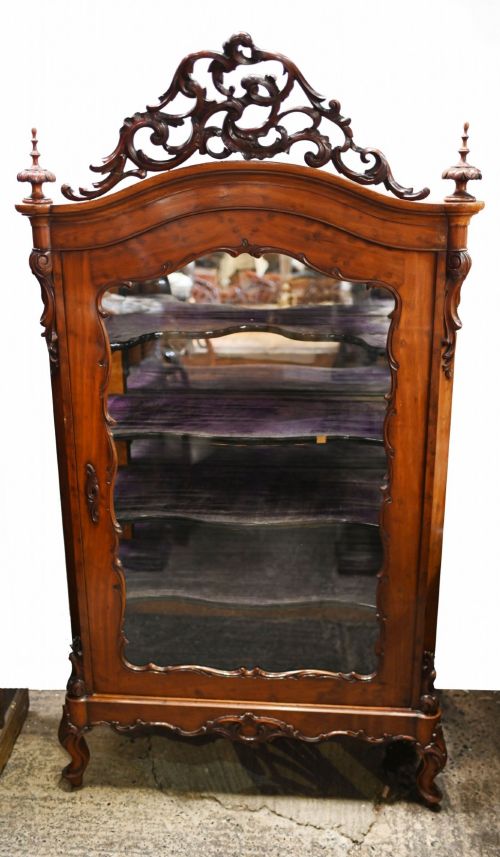
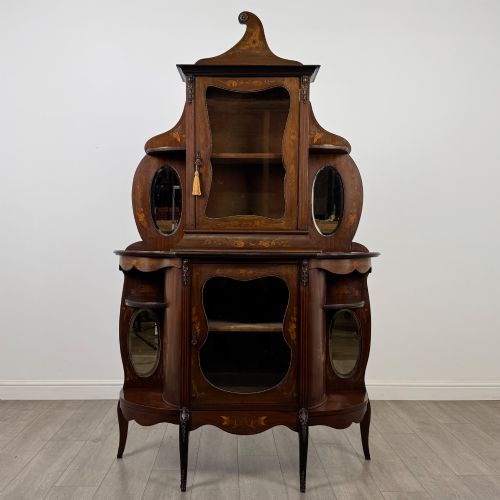
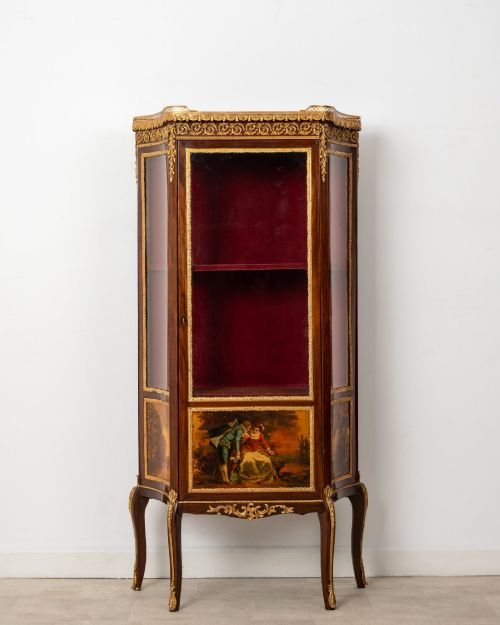
Antique Glass Curio Cabinet
An antique glass curio cabinet holds treasured objects behind glazed panels, bringing refined elegance and visible storage to a room.
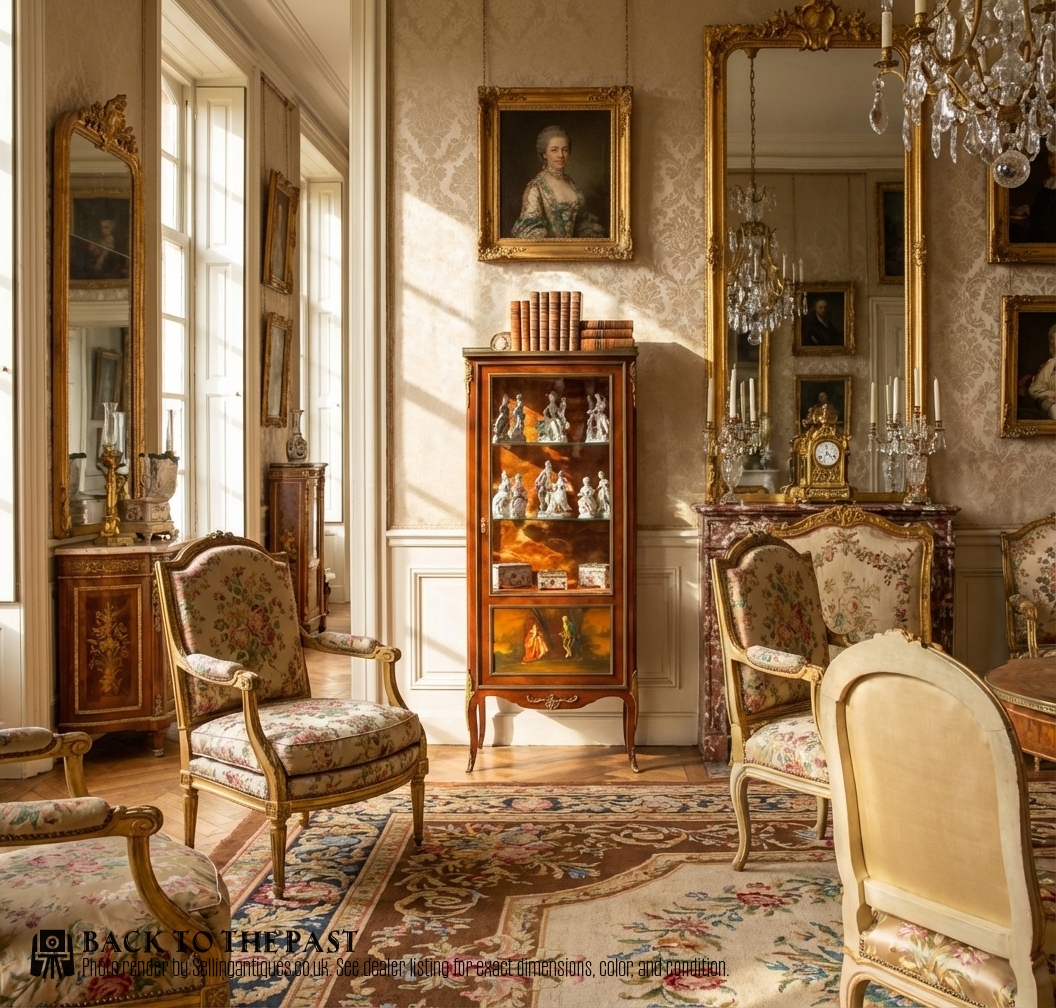
Antique Glass Curio Cabinet
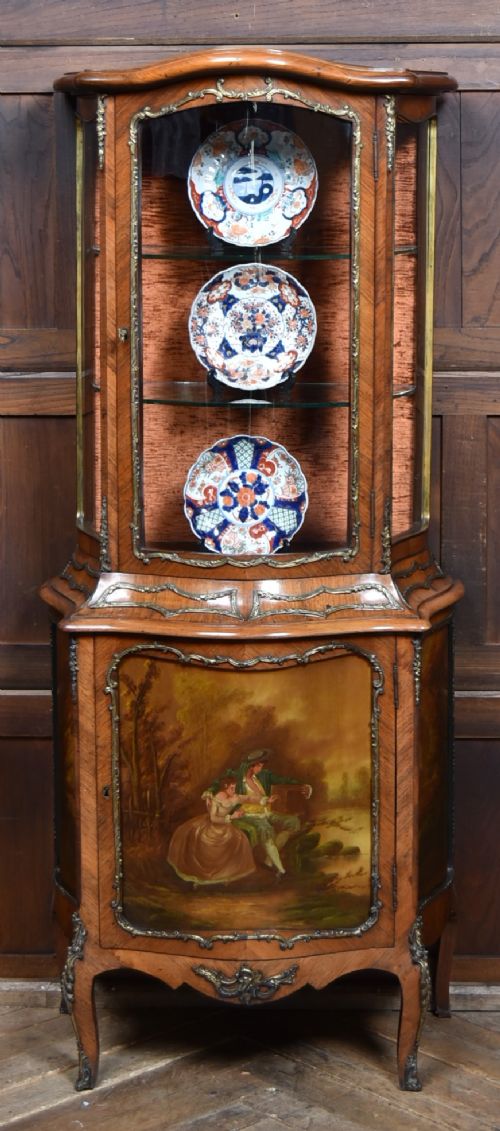
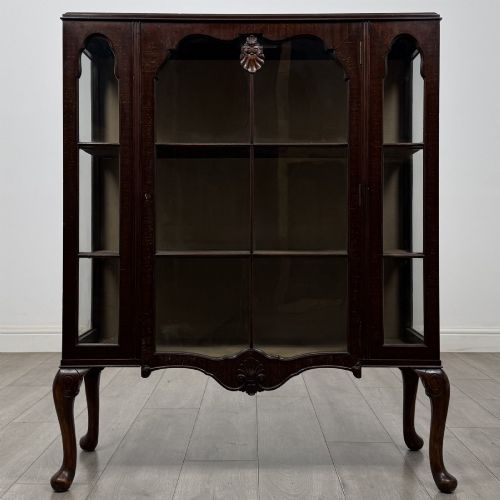
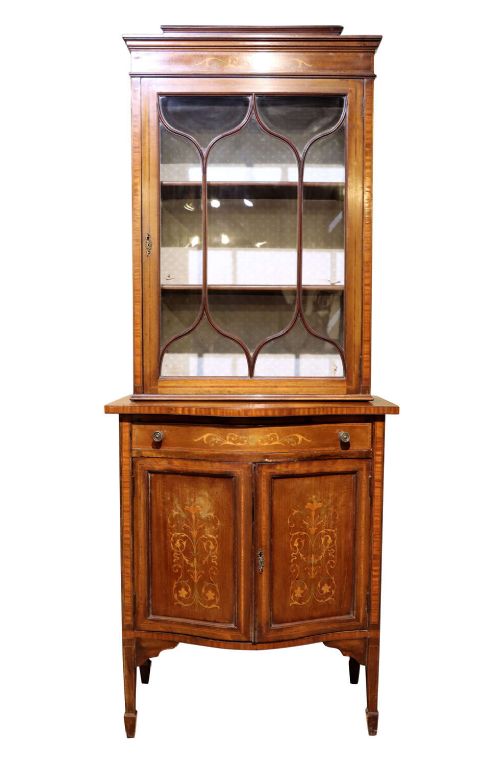
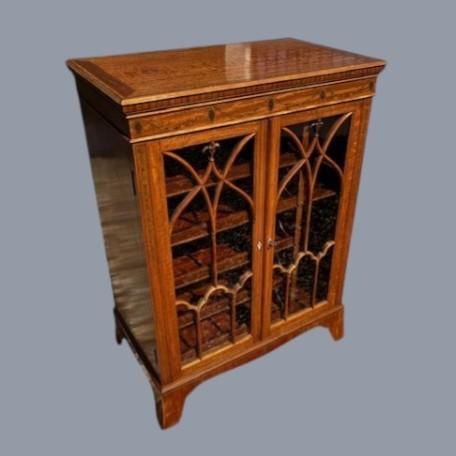
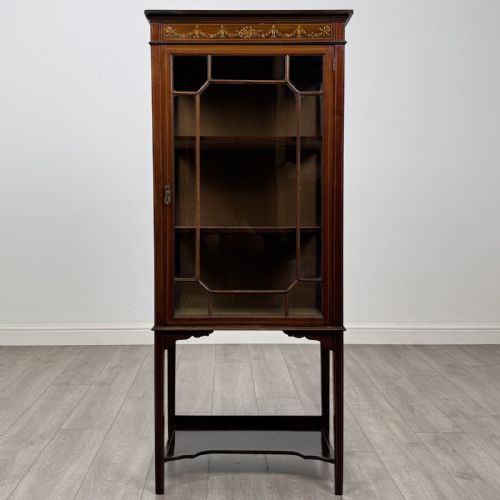
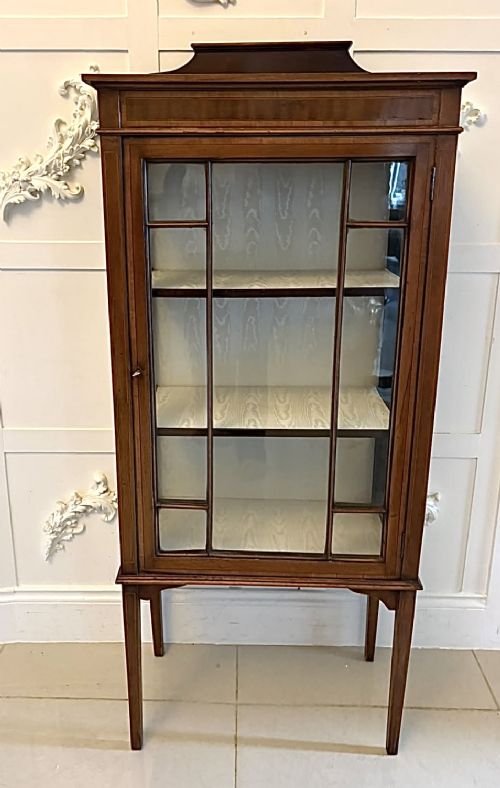
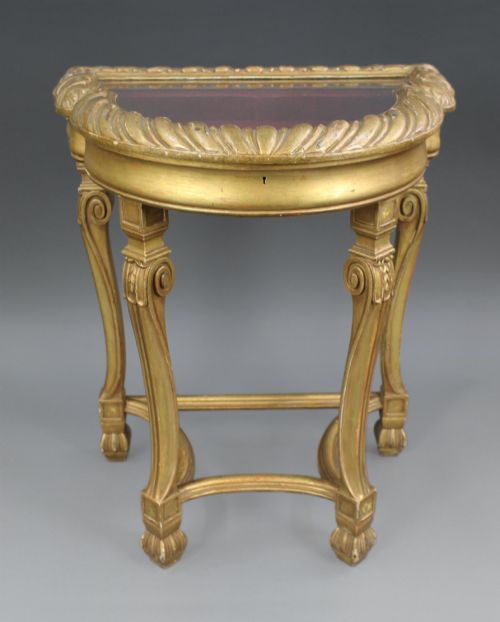
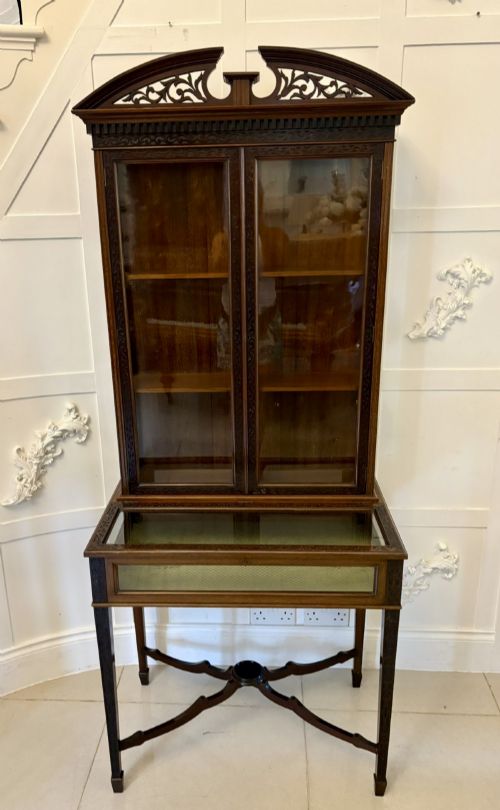
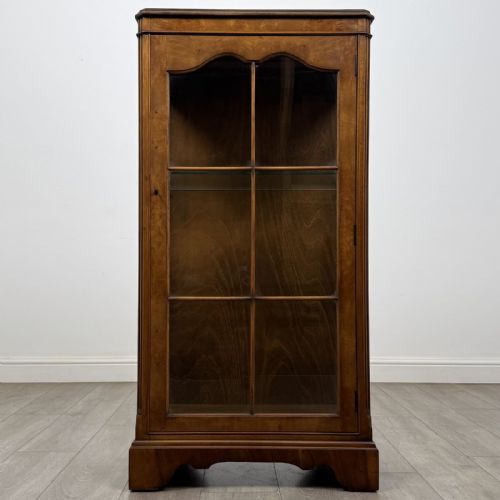
An antique glass curio cabinet is designed to showcase prized possessions, collectibles, and porcelain safely while offering clear views from multiple angles. These pieces include tall display cabinets, pier cabinets, and low glazed tables meant for drawing rooms and salons.
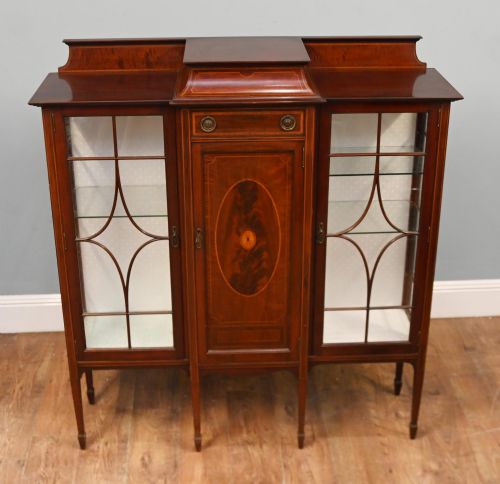
The selections available here span several distinct periods, with Edwardian and 19th Century examples appearing most frequently alongside Georgian, Victorian, and later pieces. Makers often employed serpentine fronts, bow-ended shapes, and oval formats to give the furniture a graceful silhouette.
Origin varies between English workshops and French ateliers, bringing different decorative vocabularies to the same fundamental form. English examples often favour mahogany with delicate inlay, whereas French pieces frequently incorporate rich veneers and elaborate mounts.
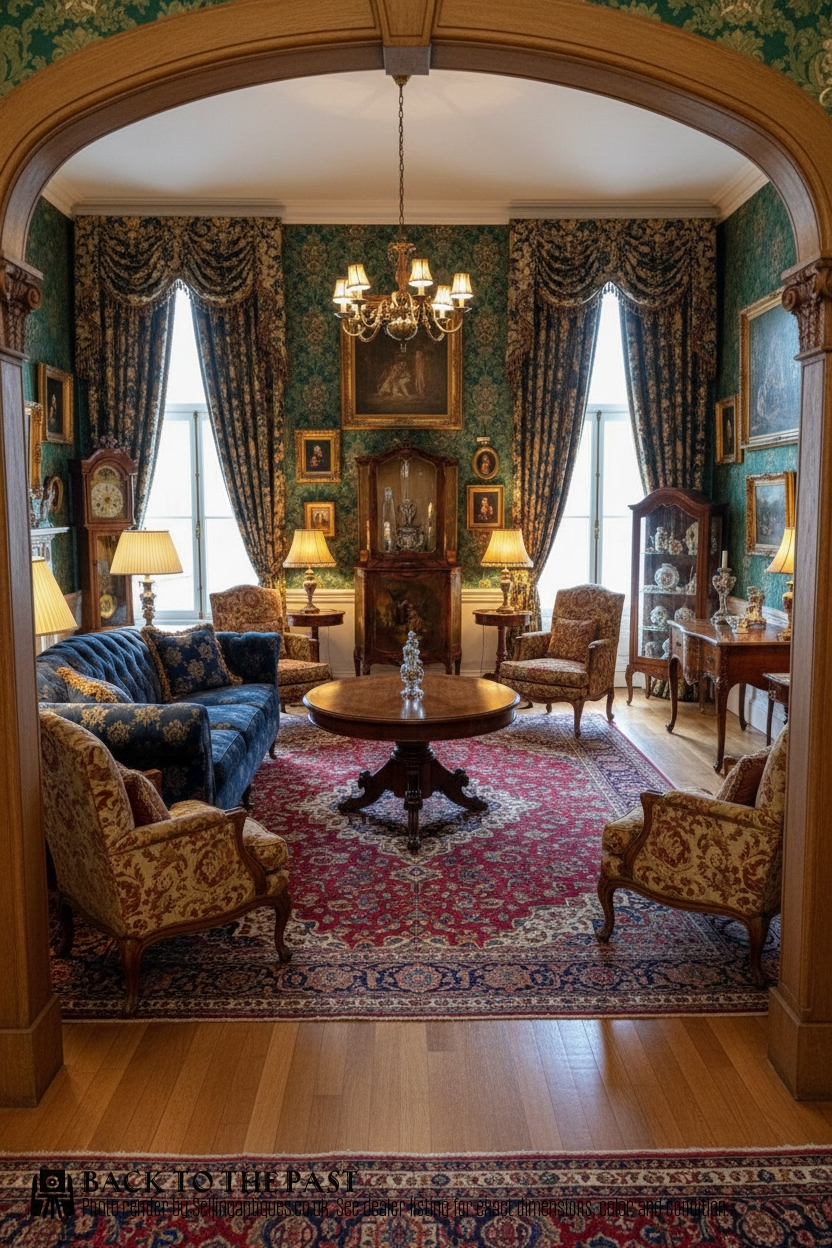
How they were made
Cabinetmakers constructed the carcase using timber foundations like mahogany, walnut, satinwood, and kingwood, frequently applying intricate marquetry or floral inlay to the exterior surfaces. Glazed doors and panels required precise joinery to support large expanses of glass securely.
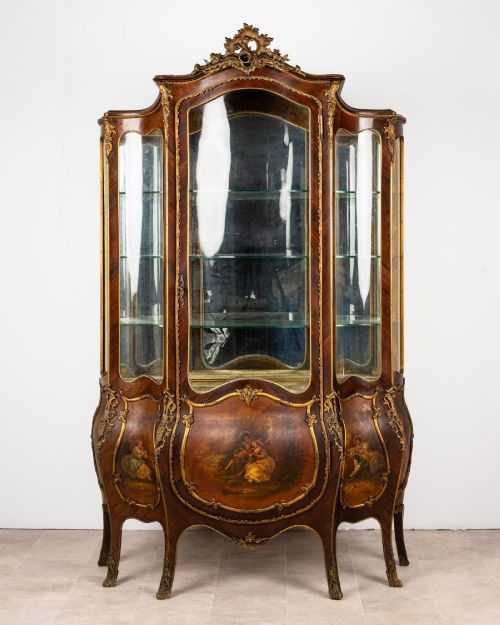
Many French and continental pieces feature cast or chased ormolu and gilt-bronze mounts fixed to the corners and frames. Marble tops provide durable, luxurious surfaces on specific vitrines, while fabric-lined interiors offer a soft backdrop for displayed objects.
Antique Glass Curio Cabinet Retail Price Guide 2026
Typical asking prices for glass curio cabinet among the pieces listed under this phrase on Sellingantiques today, from the lower quarter to the upper quarter. They describe what is for sale here now, not the wider market.
Some Edwardian merchants utilised these glazed cabinets as shop display cases before collectors repurposed them for domestic curio collections.
What varies in quality
Quality rests primarily on the crispness of the cabinetmaking, the choice of timber figures, and the finesse of any applied bronze or ormolu mounts. Finer pieces demonstrate superior joinery in curved glass doors and precise alignment in marquetry patterns.
The integration of hand-painted Vernis Martin panels or detailed floral inlay separates standard production from exceptional examples. Original hardware, intact glass panels, and well-preserved internal silk or velvet linings also distinguish superior pieces.
H. J. Hatfield & Sons·Edwards & Roberts·Shapland and Petter·François Linke
The Antique Glass Curio Cabinet Glossary
- Vitrine
- A glass-sided display cabinet used primarily for exhibiting porcelain, curiosities, and decorative art objects. These pieces often feature glazed doors on all sides to maximise interior light.
- Bijouterie table
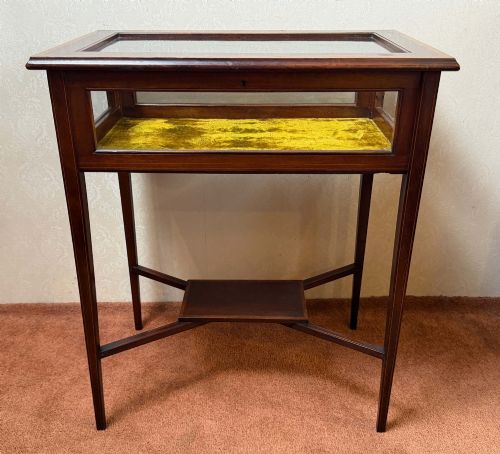
- A glass-topped display table, sometimes called a vitrine table, designed specifically for holding small valuables, jewellery, and medals. The hinged top allows easy access to the velvet-lined interior compartment.
- Ormolu
- Gilt bronze mounts applied to the exterior of furniture, particularly popular in French cabinetmaking of the nineteenth century. These decorative elements highlight the architectural lines of the piece.
- Vernis Martin
- A type of simulated Japanese lacquer developed in France, featuring delicate painted scenes under a clear varnish. Cabinets decorated this way often display pastoral or romantic motifs.
- Marquetry
- Decorative veneer work created by fitting together small pieces of different coloured wood to form complex pictorial designs. Cabinetmakers used contrasting timbers like satinwood and mahogany to achieve depth.
Antique Glass Curio Cabinet: Frequently Asked Questions
What is the difference between a vitrine and a curio cabinet?
A vitrine generally refers to a glass-fronted cabinet of French inspiration, often featuring glazed sides and elaborate ormolu mounts. A curio cabinet is a broader term encompassing various display furniture styles used for holding collections.
Both types serve the same primary function of protecting and exhibiting decorative items while keeping dust away from delicate surfaces.
How were bijouterie tables used?
Bijouterie tables stood in drawing rooms and boudoirs so hosts could display small personal treasures, portrait miniatures, and medals to guests. The glass top allowed continuous viewing while the hinged lid kept the items secure.
Many of these tables feature velvet or silk lining inside the shallow compartment to cushion the displayed objects.
How do I date an antique display cabinet?
Dating relies on examining the timber species, construction techniques, decorative styles, and hardware associated with specific periods. Edwardian and late Victorian pieces frequently use mahogany with delicate satinwood inlay, while earlier Georgian examples show heavier proportions.
Makers' stamps, paper labels, and distinct regional design traits also help narrow down the decade of manufacture.
Where should I place a glass display cabinet?
These cabinets suit reception rooms, dining areas, and hallways where natural light can enter the glass panels and illuminate the contents. Placing them away from direct sunlight protects both the cabinet timber and any sensitive items displayed inside.
Ensure the floor is level so the doors hang true and latch correctly without putting stress on the glazed frames.