






Vintage Shop Counter Display
These vintage shop counter display pieces bring authentic commercial character into a home, offering practical surface space alongside visible history.
Vintage Shop Counter Display
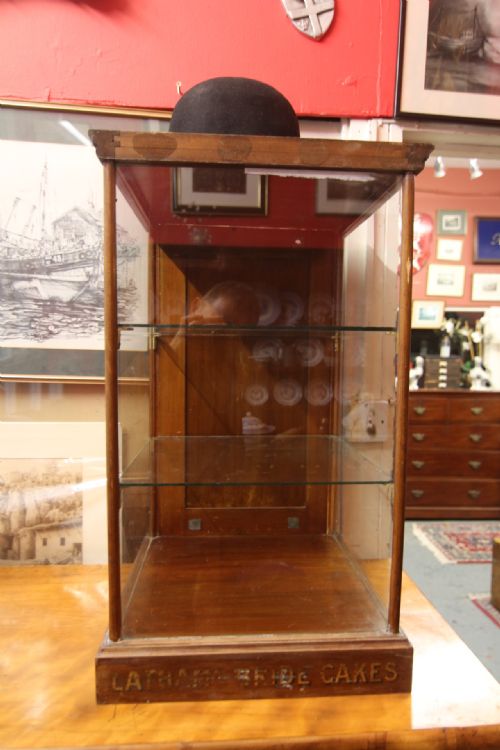
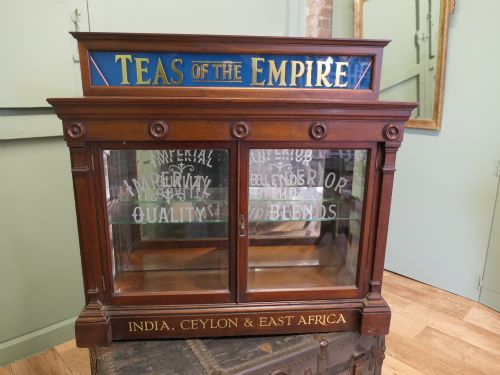
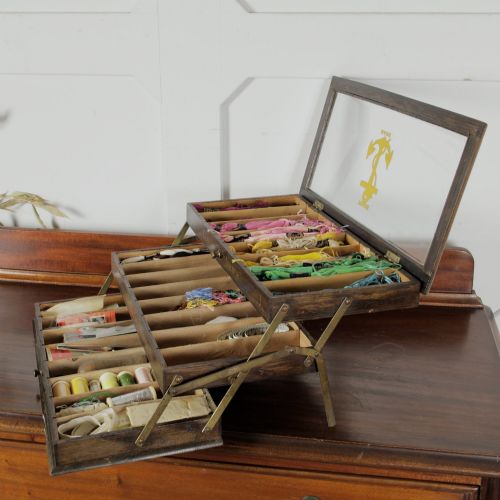
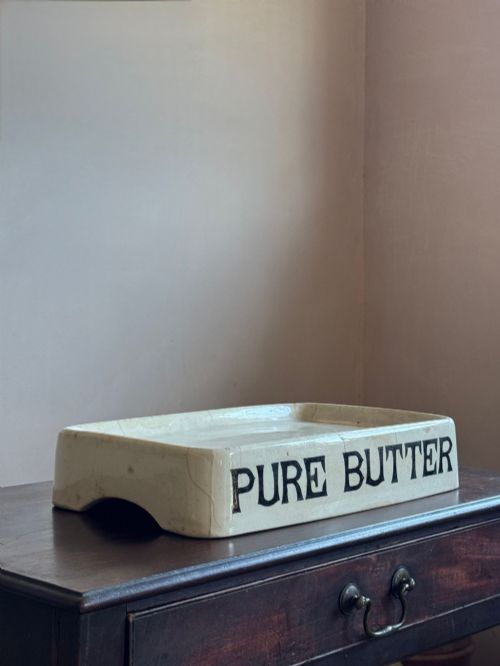
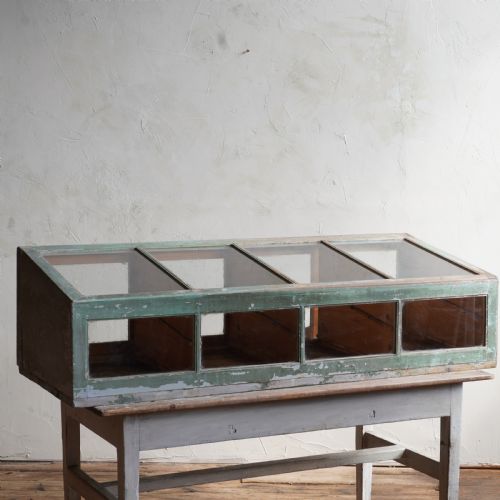
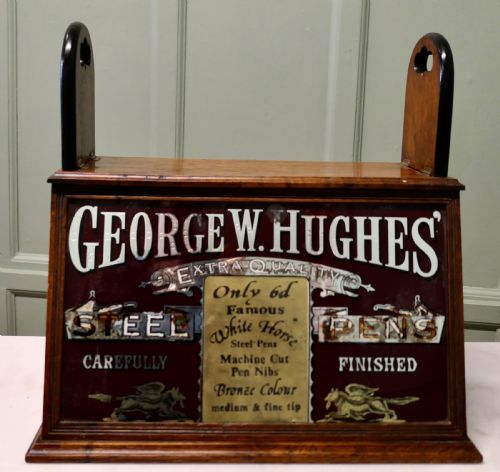
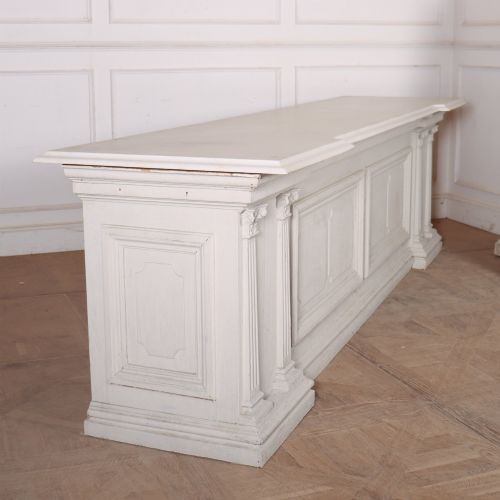
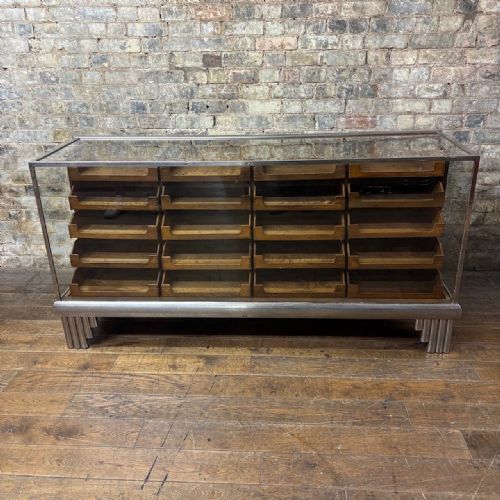
A vintage shop counter display encompasses functional retail furnishings originating from nineteenth and early twentieth-century commerce. Buyers encounter freestanding counters, glazed tabletop cases, tall haberdashery cabinets with multiple drawers, and specialised advertising units designed to hold specific goods.
The selections span Victorian, Edwardian, and Art Deco periods, drawing from both British and continental commercial traditions. Pieces range from large oak or mahogany display counters to smaller countertop glass cases and specialised drawer units.
Haberdashery cabinets and glazed display counters form a large portion of what meets the eye on this page. These functional items served merchants across decades before transitioning into domestic settings for storage and exhibition.
How they were made
Construction relies heavily on dense timbers such as mahogany, oak, pine, and walnut, often paired with extensive glass framing to showcase merchandise. Metal components like brass, cast iron, bronze, aluminium, and chrome appear in structural frames, handles, and display stands.
Joinery techniques reflect commercial durability, utilising solid wood panels, multi-drawer banks, and glazed panels secured with timber mouldings. Surfaces frequently retain original painted finishes, distressed paint, or polished wood grains accumulated through decades of retail use.
Vintage Shop Counter Display Retail Price Guide 2026
Typical asking prices for vintage shop counter display among the pieces listed under this phrase on Sellingantiques today, from the lower quarter to the upper quarter. They describe what is for sale here now, not the wider market.
Listings span from the 1880s through the 1930s, encompassing Victorian, Edwardian, and Art Deco commercial styles.
What varies in quality
The preservation of original glass panels, mirrored interiors, functional drawers, and untouched painted surfaces elevates the standing of an individual fitting. Commercial units retaining authentic branding, signage, or specific retail fittings represent the upper tier of the range.
F. Sage & Co.·Dudley & Co·Charmereine·Mackenzie's·Kemps Pharmacy
The Vintage Shop Counter Display Glossary
- Haberdashery cabinet
- A multi-drawer storage unit originally used in drapery and sewing shops for small items. These pieces typically feature banks of shallow drawers, sometimes with glass fronts.
- Bow end
- A curved cabinet end design that softens sharp corners and maximises viewing angles. This architectural detail appears frequently on nineteenth and early twentieth-century display counters.
- Draper's table
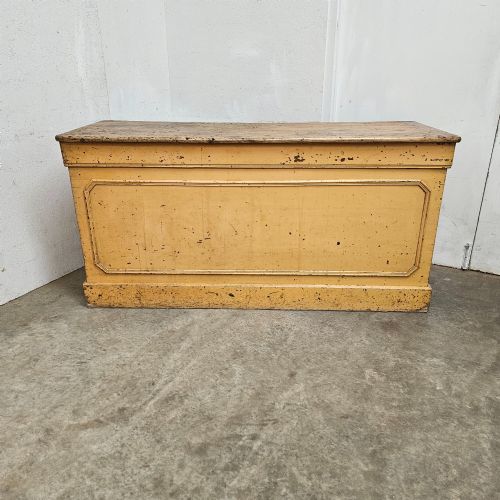
- A long, sturdy wooden table utilised in cloth and textile trade before the widespread use of glass counters. They often feature painted wooden bases and spacious plank tops.
- Countertop display case
- A smaller, portable glazed box placed upon a shop counter to protect fragile goods while keeping them visible to customers. These portable units date primarily from the Edwardian and Art Deco eras.
- Advertising display unit
- A specialised commercial fixture incorporating brand names, logos, or product graphics to promote specific goods directly at the point of sale.
Vintage Shop Counter Display: Frequently Asked Questions
What were shop counters used for?
These counters served as the physical barrier between shopkeepers and customers, functioning both as a workspace for wrapping goods and a primary showcase for merchandise. Merchants utilised the glazed tops and internal shelving to exhibit wares safely.
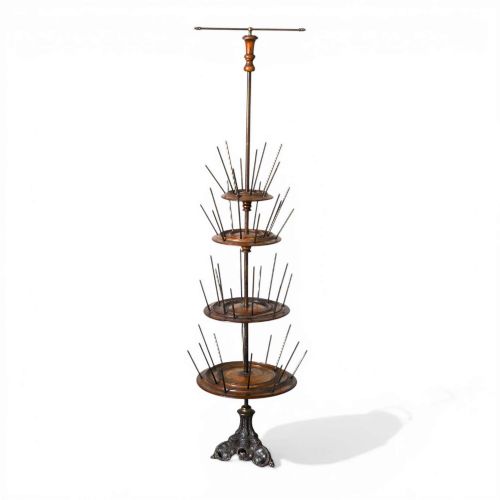
In textile and grocery trades, specific counters incorporated specialised drawers or vertical display trees to organise small stock items like threads, biscuits, and buttons for immediate customer inspection.
How do I clean a wooden display counter?
Maintenance requires gentle dusting with a soft, dry cloth to protect aged wood surfaces and original painted finishes. Avoid harsh chemical cleaners that can strip historic patina or damage delicate timber.
For glass panels and mirrors, apply a mild glass cleaner directly to a cloth rather than the surface to prevent liquid seeping into antique wooden frames.
Where should I place a display cabinet?
These cabinets work effectively in kitchens, living rooms, or hallways where their glass panels and shelving can display collections or tableware. Freestanding counters also serve well as kitchen islands or sideboard surfaces.
Position pieces away from direct sunlight and strong heat sources to prevent the timber from warping and to protect original painted or polished finishes.
How can I tell a Victorian counter from an Art Deco one?
Victorian and Edwardian examples typically feature heavier solid timbers like oak and mahogany, often with ornate mouldings, brass hardware, and traditional panel construction. They lean towards classic, robust proportions suited to nineteenth-century retail.
Art Deco pieces introduce cleaner geometric lines, alternative materials like chrome and aluminium, and streamlined forms that reflect the modern design movements of the interwar period.