




Vintage Millinery Stand
A vintage millinery stand holds hats with the quiet dignity of a bygone shop floor.
Vintage Millinery Stand
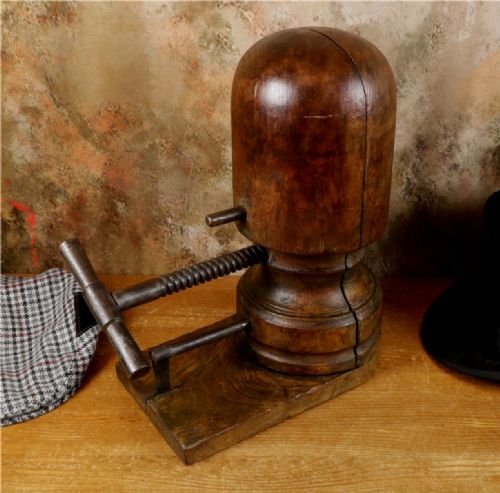
A vintage millinery stand serves to shape, size, and display hats, drawing together items such as hat blocks, stretchers, wig stands, and display forms. These pieces span periods from the Georgian era through to the 1930s, encompassing styles like Art Deco, Victorian Industrial, French Provincial, and folk art.
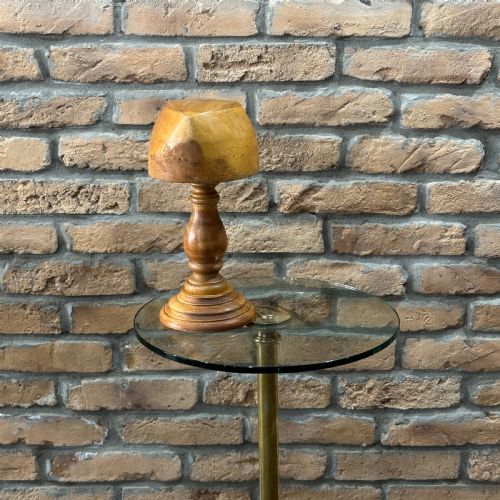
The version most commonly met on this page is the wooden hat block or fruitwood milliner's form, alongside brass and cast iron countertop display stands. Such objects were once working tools in hatters' workshops and drapers' shops before finding a place in modern interiors.
Makers and artisans shaped these objects from durable timbers and metals to withstand daily commercial use. Collectors and decorators prize them for their sculptural forms and the honest utility of their design.
How they were made
Craftsmen shaped these stands from solid hardwoods such as oak, beech, walnut, and fruitwood, often utilising carved folk art techniques to fashion convincing head forms. Woodworkers turned or carved each block to standard hat sizes, ensuring precise proportions for shaping felt and straw.
Metal components relied on cast iron and brass, particularly for adjustable or countertop display stands originating from draperies and haberdasheries. These metal parts were cast and turned to provide a sturdy base for heavier hats and wigs.
What varies in quality
Quality rests in the integrity of the material and the character of the carving, distinguishing utilitarian shop remnants from more sculptural pieces. Rich grain in fruitwood or oak and fluid hand-carving elevate certain forms above plain production items.
Original patination and surface wear show the genuine working life of the piece. Stands retaining their original brass mountings or untouched wooden surfaces demonstrate superior preservation compared to heavily altered examples.
The Vintage Millinery Stand Glossary
- Hat block
- A solid wooden form carved in the shape of a human head or crown over which milliners shape hats. These blocks dictate the final silhouette of the millinery.
- Hat stretcher
- A mechanical wooden tool inserted into a hat to expand or adjust its circumference. They often feature wooden screw mechanisms and segmented sides.
- Haberdashery
- Items connected to the trade of sewing, textiles, and millinery. Displays from this trade formed the basis for many commercial stands.
- Wig stand
- A specialised form designed to hold and style wigs. They share a similar silhouette to hat blocks but were built for hairpieces rather than stiffened felt.
- Fruitwood
- Dense timber derived from fruit-bearing trees such as pear or apple. Artisans favoured it for fine turning and carving due to its smooth grain.
Vintage Millinery Stand: Frequently Asked Questions
What is a millinery stand?
A millinery stand is a specialised wooden or metal support used for making, altering, or displaying hats and wigs. They range from simple carved blocks to adjustable brass and iron shop displays.
Historically utilised in hatters' workshops and drapers' counters, these pieces now serve as decorative objects that showcase vintage hats or stand alone as sculptures.
How do I date a hat stand?
Dating relies on observing the materials, construction methods, and stylistic cues present in the piece. Georgian and 19th-century examples often display hand-turned mahogany or fruitwood, while early 20th-century stands frequently incorporate cast iron and brass.
Industrial haberdashery items from the 1910s and 1920s show manufacturing traits typical of the period, such as threaded metal shafts and simpler hardwood turnings.
Were these stands used in shops?
Many of these stands spent their working lives on counters and in display windows of drapers and milliners. They held hats for customers to view or supported them during the final stages of retail presentation.
Other items, such as solid beech hat blocks, remained in the back rooms of workshops where hat makers shaped and steamed felt and straw.
How do I style a hat stand at home?
These stands work well displayed on mantelpieces, bookshelves, or tabletops as sculptural objects. You can mount vintage hats upon them or leave the wooden and metal forms bare to highlight their architectural lines.
Grouping different materials, such as pairing fruitwood blocks with brass display stands, creates visual contrast in an interior.