





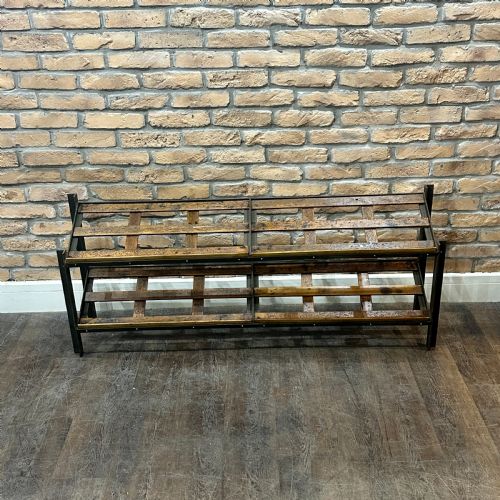


Vintage Haberdashery Stand
These vintage haberdashery stand pieces bring authentic retail heritage into the home, offering practical display surfaces shaped by decades of shop floor use.
Vintage Haberdashery Stand
A vintage haberdashery stand encompasses shop fittings, display tables, and countertop pieces originating from retail environments across the nineteenth and early twentieth centuries. Buyers searching this phrase typically encounter functional shop furniture and merchandising tools designed for milliners, drapers, and tailors.
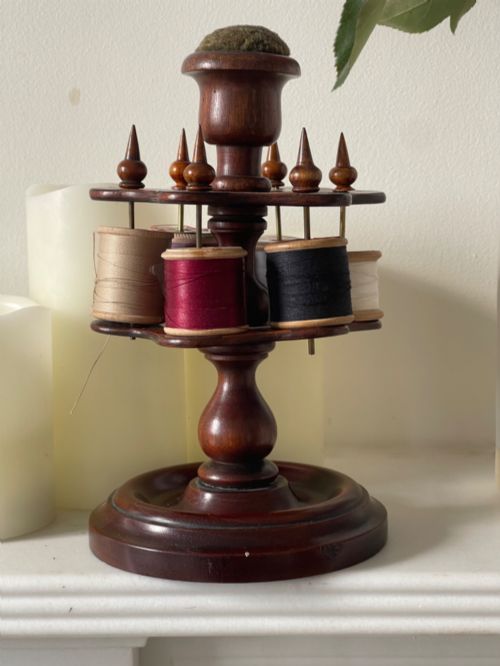
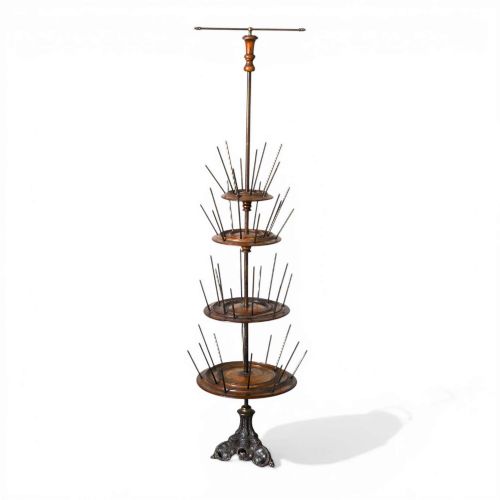
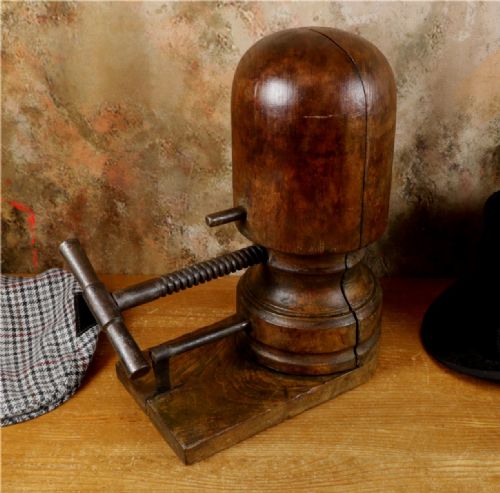
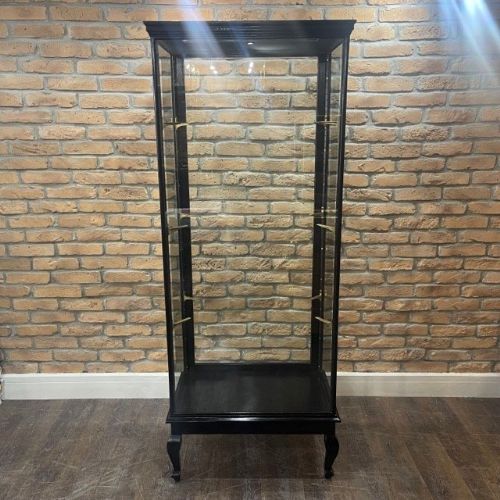
The selection ranges from tall floor-standing display units and oak counters to specialised items like hat stretchers, wooden blocks, and tiered cotton reel trees. Victorian and Edwardian examples sit alongside later Art Deco and 1930s designs, reflecting the changing aesthetic of high street commerce.
Many of these objects served a strictly commercial purpose before finding a second life in domestic interiors as organizers and feature furniture. Their practical origins dictate their robust construction and straightforward forms, making them as useful today as they were in the original shop.
How they were made
Makers built these pieces using durable commercial timbers such as oak, walnut, beech, and ebonized wood to withstand heavy daily use in busy retail premises. Joinery was straightforward and sturdy, prioritizing structural longevity over ornate decoration.
Metal components relied on cast iron, brass, bronze, and steel for adjustable mechanisms, bases, and structural framing. These metals provided the necessary weight and stability for holding hats, garments, and display goods securely on the shop floor.
Glass panels and fabric details supplemented the timber and metal framework, particularly in countertop display cabinets and pin cushion stands. Each material was chosen for its specific functional capability in a working retail environment.
Vintage Haberdashery Stand Retail Price Guide 2026
Typical asking prices for vintage haberdashery stand among the pieces listed under this phrase on Sellingantiques today, from the lower quarter to the upper quarter. They describe what is for sale here now, not the wider market.
Listings feature oak, beech, brass, and cast iron across Victorian, Edwardian, and Art Deco periods.
What varies in quality
The distinction between standard utility items and superior pieces rests on the integrity of the materials and the sophistication of any mechanical adjustments. Original factory finishes and unaltered surfaces elevate a piece far above heavily modified or later reconstituted examples.
Signatures of quality include robust cast metal bases with clear foundry details, tightly joined hardwood frames, and smooth working order in adjustable mechanisms like hat sizers. Pieces retaining their genuine retail provenance demonstrate a finer standard of period craftsmanship.
Artificer's Guild·Siegel
The Vintage Haberdashery Stand Glossary
- Haberdashery stand
- A fixture or display piece originally utilised in a draper's or milliner's shop for merchandising small wares and garments. These items now serve decorative and organizational roles in homes.
- Milliner
- A maker and seller of hats, whose specialised workspace generated much of the early equipment found in these listings. Hat blocks, stretchers, and sizers are typical tools of this trade.
- Ebonised
- Wood finished with a dark stain or polish to imitate genuine ebony. This treatment was popular for giving standard timbers a sleek, formal appearance.
- Cotton reel tree
- A tiered vertical stand designed to hold multiple spools of sewing thread for easy selection in a drapery shop. They showcase clever turned woodwork and tiered arrangement.
- Hat stretcher
- A mechanical wooden device used to adjust or measure the circumference of hats. These functional tools feature expandable segments operated by internal screw mechanisms.
Vintage Haberdashery Stand: Frequently Asked Questions
What is a haberdashery stand used for?
These pieces were originally built to display, measure, or organise retail goods like hats, thread, and garments in nineteenth and twentieth-century shops. Today, collectors use them in homes for organising accessories or as decorative statement furniture.
Floor-standing units and countertop cabinets offer practical shelving and surface area, while smaller items like hat blocks serve as sculptural display objects.
How do I identify a Victorian piece?
Victorian examples typically feature heavier timbers, traditional joinery methods, and robust cast iron or brass elements designed for intense commercial use. Look for period-specific forms like cotton reel display trees and early shop fittings.
Comparing the construction materials and patination against documented pieces helps confirm the nineteenth-century origin.
Can I use a hat stretcher practically?
Many vintage hat stretchers and wooden blocks retain their original mechanical function, allowing them to adjust hat sizes just as they did in the past. Careful handling is recommended to preserve the aged wood and metal screws.
Even when not used for millinery, these items make striking display stands for modern headwear.
How do I care for antique shop furniture?
Maintain the wood and metal surfaces by keeping them away from direct heat sources and sudden humidity changes that can crack timber. Regular dusting with a soft, dry cloth preserves the aged patina without stripping historical finishes.
Application of a gentle, appropriate wax can help nourish older hardwoods over time.