




Antique Bakers Rack
An antique bakers rack brings industrial utility and French Provincial charm into a modern kitchen, offering open storage built to last.
Antique Bakers Rack
An antique bakers rack provides functional shelving designed originally for commercial trade, most frequently discovered in French country and industrial styles. These utilitarian pieces originate primarily from the nineteenth century and the early twentieth century, spanning periods from eighteen sixty to the nineteen twenties. Buyers encountering this selection find bakers racks, display shelving units, and patisserie racks suited to domestic kitchens and pantries.
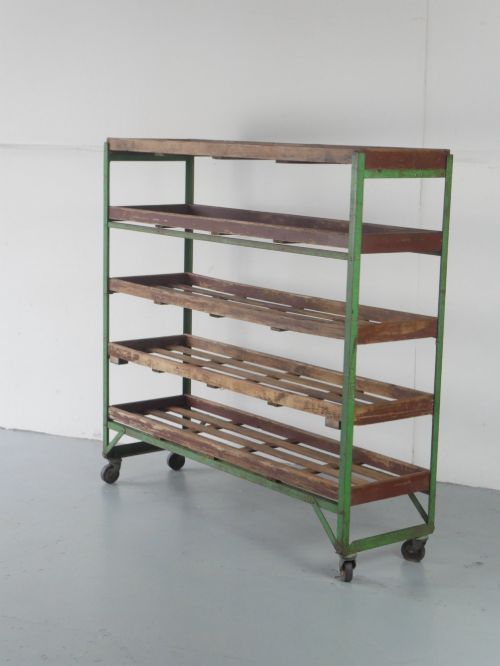
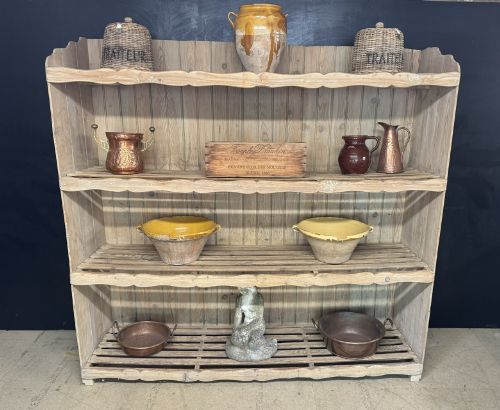
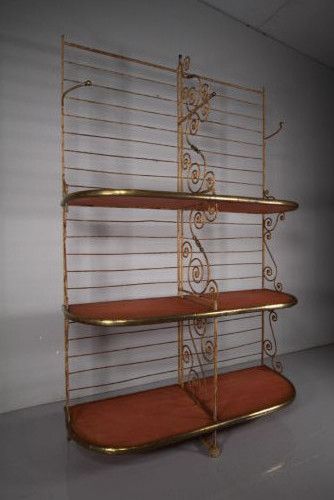
The prevailing form on this page is the French Parisian boulangers bread rack or patisserie rack, alongside English scroll-work iron bakery racks and painted pine variations. These items combine open metal frameworks with sturdy shelves, serving both display and storage functions in contemporary spaces. Origins lean heavily toward French provincial workshops and English retail environments, reflecting authentic commercial provenance.
How they were made
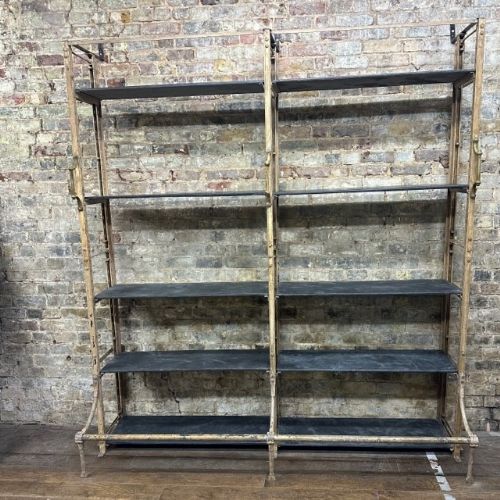
Construction relies primarily on heavy metals such as wrought iron, cast iron, steel, and brass, shaped into robust scroll-work and supportive frames. Artisans combined these forged metals with timber elements like pine or fitted hard surfaces such as slate shelving for food preparation and display. This combination of materials provided the structural integrity required to bear heavy loads of bread and pastry in busy shops.
Workshops utilised traditional metalworking and joinery techniques to build rigid shelving units designed for daily commercial use. Stamped metal components and hand-forged scroll-work demonstrate the individual attention given by makers such as Dubois of Lyon. The resulting structures balance industrial utility with decorative flourishes characteristic of French chateau and provincial design.
Antique Bakers Rack Retail Price Guide 2026
Typical asking prices for bakers rack among the pieces listed under this phrase on Sellingantiques today, from the lower quarter to the upper quarter. They describe what is for sale here now, not the wider market.
Makers in nineteenth century France built these racks so tough that bread smells still seem to linger in the ironwork.
What varies in quality
Quality in an antique bakers rack rests upon the weight and complexity of the metalwork, distinguishing simple utility items from finer workshop pieces. Superior examples exhibit intricate scroll-work, maker stamps, and robust frames constructed from heavy wrought iron or cast iron rather than lighter steel. The integration of high-grade materials like slate shelving further separates top-tier commercial survivors from standard domestic iterations.
The distinction between ordinary utility items and exceptional pieces also involves the retention of original surface patination and structural authenticity. Pieces originating from prominent French centres or bearing clear maker attribution command attention for their distinct craftsmanship and historical integrity. Proportional balance and the preservation of original pine or stone elements dictate the overall calibre of each shelving unit.
Dubois of Lyon
The Antique Bakers Rack Glossary
- Bakers rack
- A sturdy shelving unit originally used by commercial bakers for cooling and displaying bread and pastries. These pieces now serve as versatile open storage in domestic kitchens.
- Wrought iron
- A tough, malleable form of iron that can be heated and forged into decorative scroll-work and strong structural frames. It provides the backbone for many nineteenth century French racks.
- Patisserie rack
- A specialised display and storage stand associated with French pastry shops. These units often feature lighter decorative metalwork suited to customer-facing retail spaces.
- Slate shelving
- Natural stone shelving inserted into metal frames to provide a cool, durable surface for food preparation. This material is particularly valued for resisting heat and moisture.
- Boulangerie rack
- A traditional French bread rack built for heavy commercial use in urban bakeries. They typically feature multiple tiers of open shelving framed in iron.
Antique Bakers Rack: Frequently Asked Questions
What was an antique bakers rack used for?
Commercial bakers used these heavy metal and wooden racks to cool, store, and display freshly baked bread and pastries throughout the day. The open shelving design allowed air circulation around hot loaves straight from the oven.
In modern interiors, buyers repurpose these sturdy units as kitchen storage for cookware, dishware, or recipe books. They bring an authentic industrial and French provincial aesthetic to domestic spaces.
How do I style a bakers rack at home?
Position your bakers rack against a kitchen or dining room wall where its open metal frame and multi-tiered shelving can breathe. Balance heavy ceramic dishes on lower slate or pine shelves with lighter glassware and cookbooks higher up.
Incorporate potted herbs or copper pots to highlight the utilitarian origins of the piece. The open design keeps everyday items accessible while adding vertical architectural interest to the room.
Are these racks strong enough for daily kitchen use?
Constructed from heavy wrought iron, cast iron, and solid pine, these commercial-grade units were originally built to bear substantial weight. Their robust nineteenth century and early twentieth century frames easily support modern kitchen appliances, heavy cast iron pans, and stacked dinnerware.
When placing heavy items like microwaves or mixers, ensure the unit sits level on the floor. Distributing weight evenly across the shelves preserves the structural integrity of the frame.
How do I tell a French bakers rack apart from an English one?
French examples from this selection frequently incorporate elaborate scroll-work, lighter patisserie framing, and associations with provincial boulangeries. Makers in France often utilised decorative ironwork suited to customer-facing retail displays.
English variations in the archive lean toward practical painted pine construction combined with simpler iron supports. These regional differences reflect the specific commercial demands of nineteenth century bakeries and shops.