




Antique French Kitchen Rack
An antique French kitchen rack is a practical storage piece that brings rustic warmth to a room.
Antique French Kitchen Rack
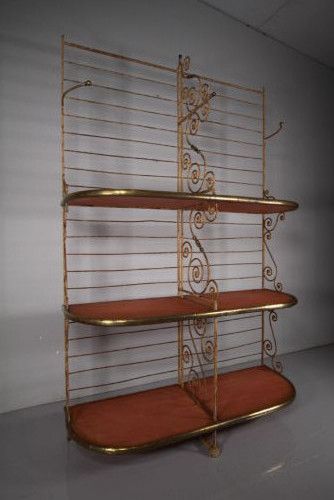
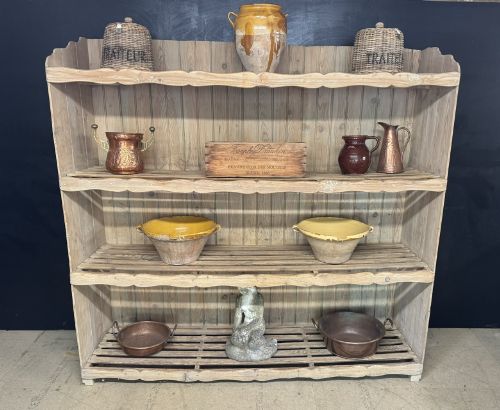
An antique French kitchen rack encompasses robust baker's racks, tiered saucepan racks, and traditional vaisselier dressers designed for culinary spaces. These pieces emerge from eighteenth and nineteenth-century provincial workshops, built to hold heavy cookware and tableware.
Buyers browsing this selection most frequently encounter wrought iron baker's racks alongside wooden dressers fashioned from walnut, chestnut, and cherrywood. Each piece reflects the functional needs of historic French domestic life.
The forms range from towering metal shelving units with integrated hooks to two-part timber dressers and smaller painted display cabinets. Such variety ensures these items suit both working kitchens and modern dining areas.
How these pieces were constructed
Makers utilised durable hardwoods such as walnut, chestnut, and fruitwood, often joining them with traditional pegged construction for everyday resilience. Timber surfaces received painted finishes or developed deep patinas through years of domestic service.
Metal components relied on forged wrought iron, steel, and brass, shaped into sturdy frames and fitted with hanging hooks for heavy saucepans. These iron elements demonstrate the handiwork of nineteenth-century blacksmiths.
Design details include inlaid woodwork, distressed metal drainers, and tiered configurations that maximise vertical storage without sacrificing stability.
Antique French Kitchen Rack Retail Price Guide 2026
Typical asking prices for french kitchen rack among the pieces listed under this phrase on Sellingantiques today, from the lower quarter to the upper quarter. They describe what is for sale here now, not the wider market.
Listings feature items from the eighteenth and nineteenth centuries, constructed from materials including wrought iron, brass, walnut, chestnut, and painted pine.
What separates the best examples
Quality rests in the integrity of the original materials and the heft of the forged metalwork or dense timber. Superior pieces retain their structural soundness while showing honest signs of age.
The presence of maker stamps or specific regional attributions elevates an item, as does thoughtful joinery like inlaid fruitwood or well-proportioned tiers. Simpler utilitarian items offer charm through unpretentious construction and aged surface patination.
Dubois of Lyon
The Antique French Kitchen Rack Glossary
- Vaisselier
- A traditional French dresser or cupboard designed specifically for storing and displaying tableware. These pieces often feature open shelves above enclosed lower cabinets.
- Baker's rack
- A tall, open shelving unit traditionally constructed from wrought iron or steel with wire or metal slatted shelves. They were utilised in commercial and domestic kitchens for cooling baked goods.
- Saucepan rack
- A tiered metal framework fitted with multiple hooks for hanging copper and iron cookware. They allow heavy pots to remain within easy reach.
- Fruitwood
- Timber harvested from fruit-bearing trees such as cherry, pear, or apple, prized by cabinetmakers for its fine grain and warm tone. It takes an excellent polish and develops deep character over time.
- Provincial
- Denoting items originating from the French regions outside Paris, characterised by sturdy local materials and practical, unpretentious designs.
Antique French Kitchen Rack: Frequently Asked Questions
What is an antique French kitchen rack?
An antique French kitchen rack is a functional storage item, typically taking the form of a wrought iron baker's rack, a tiered metal saucepan rack, or a wooden vaisselier dresser.
These pieces originate from eighteenth and nineteenth-century France and were built to organise culinary equipment in domestic and commercial settings.
How do I clean an iron rack?
Iron racks benefit from gentle dusting with a dry cloth and occasional light applications of neutral oil to protect the metal surface from moisture.
Avoid harsh chemical cleaners that might strip the historic patina or damage any surviving painted finishes.
Are these racks suitable for modern kitchens?
These racks integrate well into modern spaces by offering practical vertical storage for cookware, crockery, and pantry items.
Their robust construction of iron, steel, and hardwood ensures they handle heavy everyday use just as they did centuries ago.
How can I tell an eighteenth-century piece apart?
Eighteenth-century pieces typically feature hand-carved details in timbers like walnut and cherrywood, reflecting regional provincial craftsmanship.
Construction methods often rely on hand-pegged joints and older patination that develops naturally over centuries of use.