



Pine Open Shelves
Pine open shelves bring straightforward utility and warmth to a room, offering accessible display and storage built from honest timber.
Pine Open Shelves
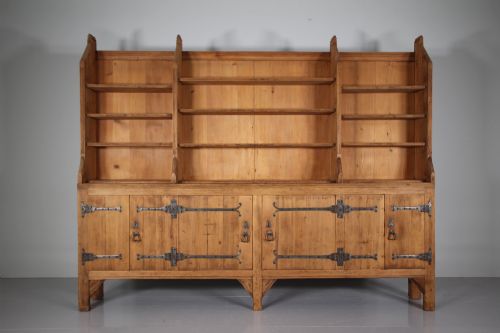
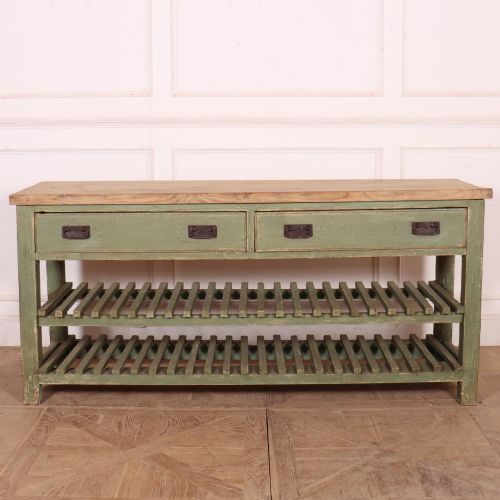
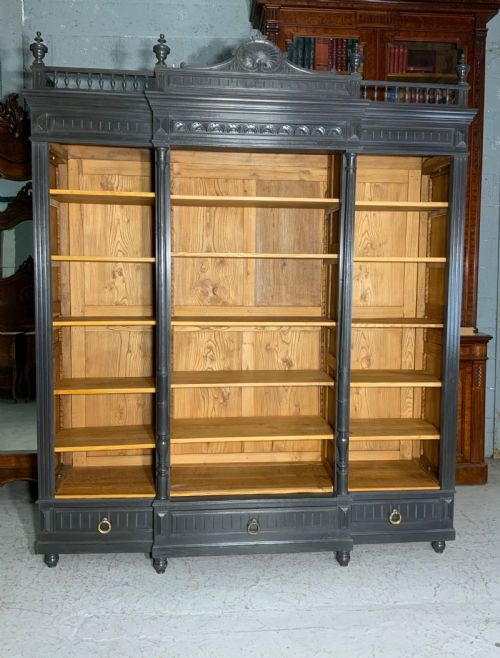
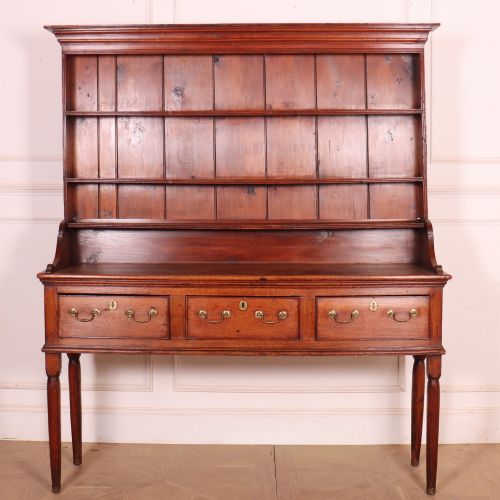
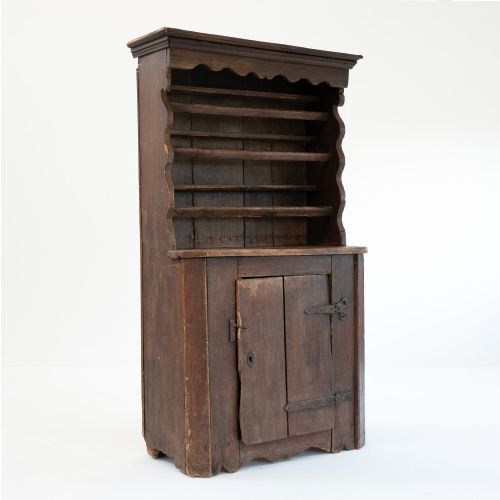
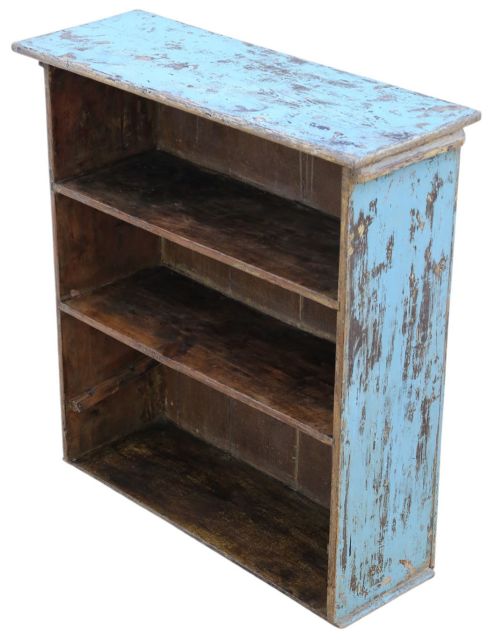
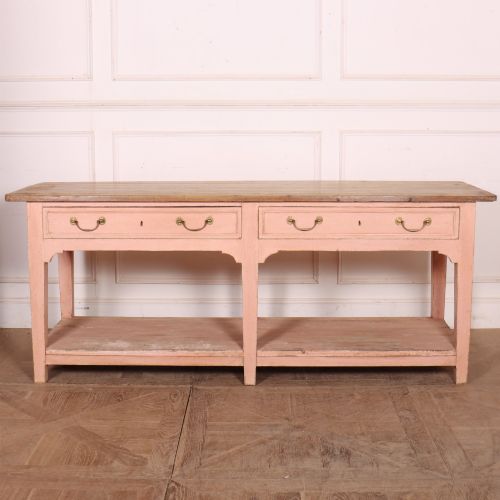
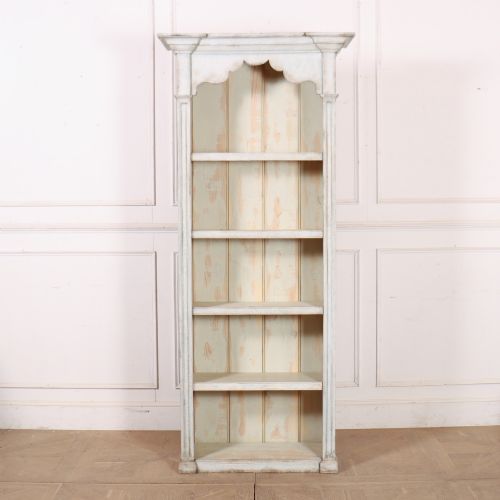
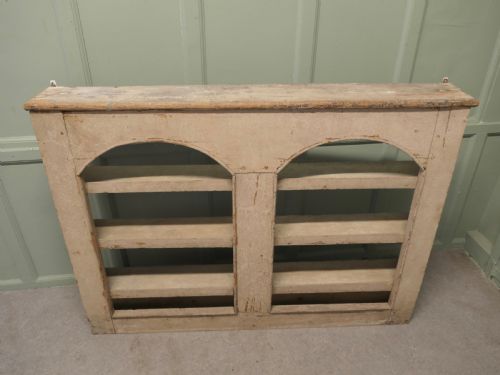
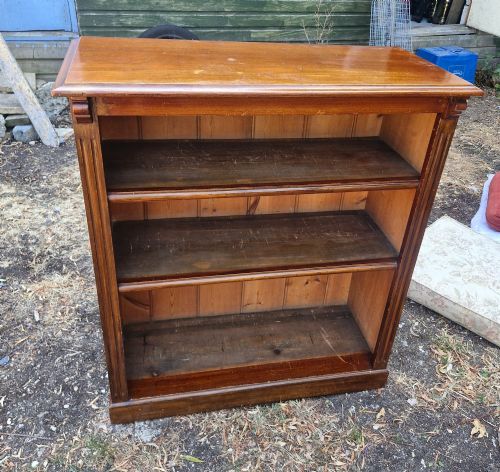
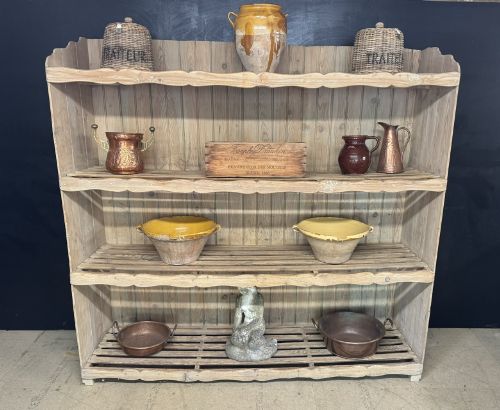
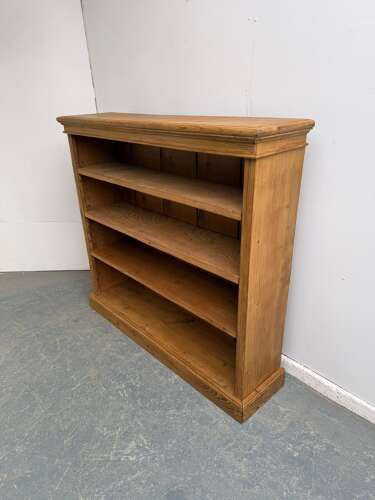
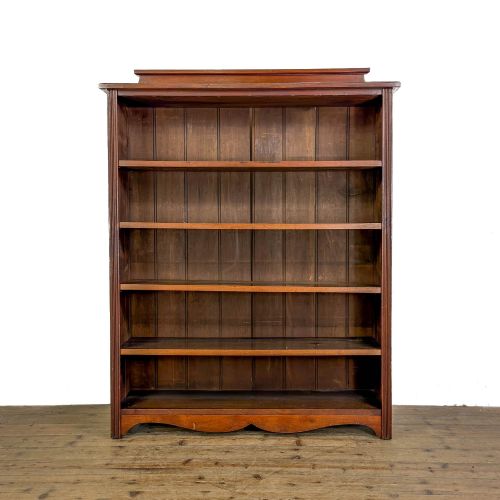
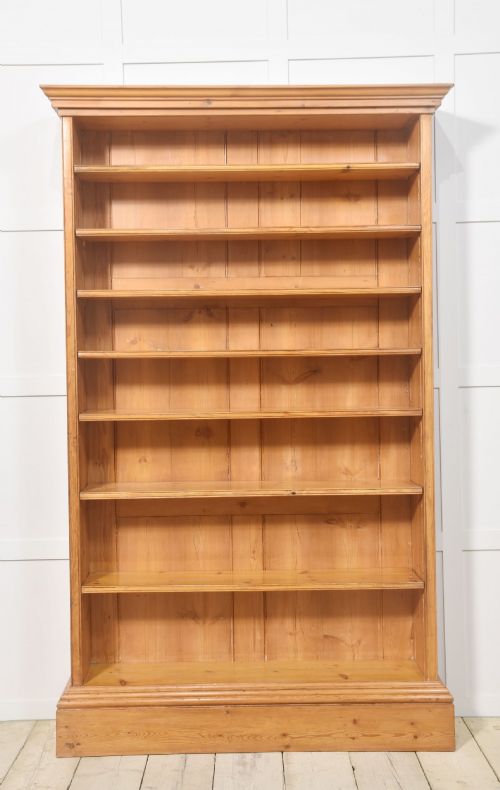
When you search for pine open shelves, you are looking at practical storage furniture designed for books, display, and everyday household items without the barrier of doors. These pieces range from simple wall-mounted units and tall bookcases to substantial kitchen dressers and potboard bases.
The selections available span several periods, with 19th century and Victorian examples appearing frequently alongside Edwardian, 1900, and 1930 variants. Styles lean towards rustic country, farmhouse, and provincial aesthetics from English, French, and Swedish origins.
What varies in quality
Quality in these pieces depends on the integrity of the timber and the honesty of the construction, distinguishing robust domestic work from utilitarian crates. Proportions and timber selection play a major role, with denser pine and thoughtful moulding separating finer workshop pieces from basic factory output.
The survival of original surfaces, such as early painted finishes or patinated wax, elevates a piece significantly. Alterations to shelving heights or replaced backs also influence how a piece stands relative to its original state.
Pine Open Shelves Retail Price Guide 2026
Typical asking prices for pine open shelves among the pieces listed under this phrase on Sellingantiques today, from the lower quarter to the upper quarter. They describe what is for sale here now, not the wider market.
Several pieces include tiny pigeon holes that likely held centuries of lost love letters, unpaid bills, or rogue buttons.
The Pine Open Shelves Glossary
- Deal wood
- A term traditionally applied to timber cut from pine or fir trees. It forms the carcass of many utilitarian 19th-century bookcases.
- Distemper paint
- A water-based medium bound with size or glue, frequently found on older painted furniture. It offers a chalky, matte finish that wears down softly over time.
- Potboard dresser base
- A low sideboard featuring an open lower shelf traditionally used for storing pots and pans. These provide a sturdy foundation beneath upper open shelving.
- Adjustable bookcase
- A shelving unit incorporating vertical ratchets, pegs, or saw-tooth tracks to alter shelf heights. This mechanism allows the interior to accommodate books of varying sizes.
- Pigeon hole cabinet
- A set of small, square compartments designed for sorting papers or small objects. They appear in office, shop, and domestic contexts.
Pine Open Shelves: Frequently Asked Questions
How do I date an old pine bookcase?
Dating relies on construction methods, timber characteristics, and nail types. Hand-sawn boards and early painted surfaces generally point towards the 18th or early 19th century.
Later Victorian and 20th-century pieces often show machine-sawn timber and more uniform construction techniques. Comparing the hardware and backboards helps confirm the era.
Are these shelves strong enough for heavy books?
Most antique pine shelves are built from solid timber and handle substantial book collections easily. Adjustable shelf mechanisms should be checked for stability before loading heavy volumes.
Shorter shelf spans naturally sag less over time than very wide boards. Wall-anchoring is recommended for tall standing units.
Should I repaint a painted pine shelf?
Original painted surfaces, especially those in distemper or aged blues, carry historical patina that collectors value. Preserving existing paint maintains the character and age of the piece.
Plain waxed pine offers more flexibility if you wish to strip or refinish the surface to match a modern interior.
Where did farmhouse dressers originate?
Farmhouse dressers and potboard bases were staples of rural kitchens across England, France, and Sweden. They served as primary storage for daily ceramics, linens, and provisions.
Regional variations appear in the choice of mouldings, foot styles, and paint traditions.