


French Kitchen Storage
French kitchen storage covers sturdy cupboards, racks and containers built to hold provisions in traditional homes.
French Kitchen Storage
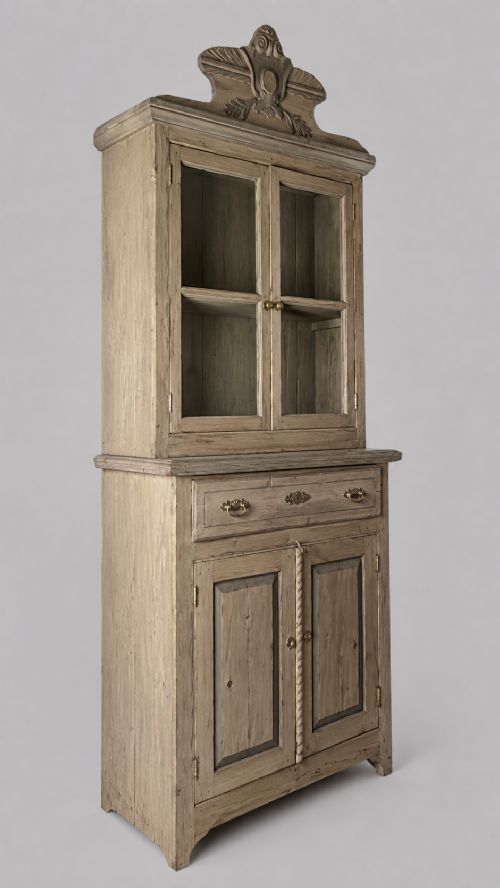
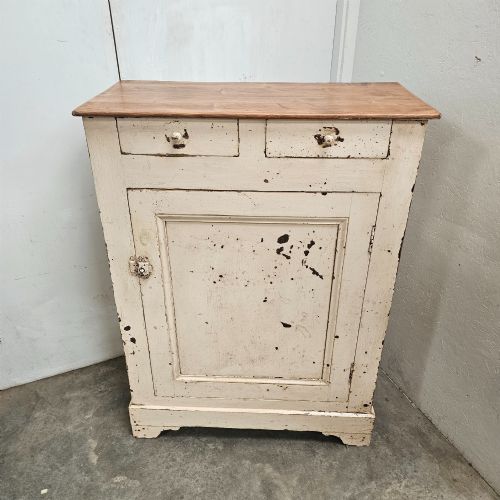
French kitchen storage comprises practical cupboards, dressers and containers designed for domestic use in rural and provincial settings. These pieces range from substantial larder cupboards and housekeeper's cabinets down to smaller jam cupboards, known as confituriers.
Provincial pieces dominate the selection, showing straightforward construction intended for daily utility rather than formal display. Oak, pine and walnut form the backbone of these practical domestic furnishings.
Materials and construction methods
Cabinet makers utilised regional timbers such as oak, fruit wood, chestnut and walnut for structural integrity. Panels were frequently joined using traditional methods to accommodate seasonal movement in domestic spaces.
Iron, brass and steel appear on hinges, handles and bakers racks, whilst enamel and painted finishes protect functional surfaces. Glass panels are integrated into glazed cupboards for viewing provisions.
Listings feature oak, pine, walnut, chestnut, and fruit wood alongside enamel and painted metal.
Judging quality in storage pieces
Quality rests upon the integrity of the timber and the honesty of the construction. Pieces retaining their original hardware, paint or natural patination stand apart from those stripped or altered.
Proportion and scale distinguish superior provincial joinery from heavier, unrefined work. The execution of carved details, where present, indicates the skill of the regional maker.
The French Kitchen Storage Glossary
- Confiturier
- A small cupboard traditionally used for storing fruit preserves and confits. These low cabinets often feature a single door above a small drawer.
- Buffet vaissellier
- A combination piece featuring a lower buffet base paired with upper shelving for displaying tableware. It served as a central storage unit in provincial dining spaces.
- Larder cupboard
- A tall ventilated cabinet designed for keeping foodstuffs cool and fresh. Mesh or pierced panels often allowed air circulation before mechanical refrigeration.
- Bakers rack
- An open metal or wooden framework fitted with multiple shelves for cooling bread and storing kitchen utensils. These utility pieces originated in commercial bakehouses before entering domestic service.
- Fruit wood
- Timber harvested from fruit-bearing trees such as pear, cherry or apple. Cabinet makers valued these dense woods for fine provincial joinery and turned elements.
French Kitchen Storage: Frequently Asked Questions
How do I date an oak cupboard?
Examine the construction joints, timber selection, and tool marks visible on the interior panels. Hand-cut fixings and pegged mortise and tenon joints point towards earlier centuries.
Hardware such as hinges and locks also offer clues, as blacksmith-made ironwork differs significantly from later stamped metal components.
Where were these pieces used?
These items originated in farmhouses, provincial kitchens, and larders across various regions of France. They held dry goods, preserves, linen, and tableware.
Larger armoires and dressers stood in main living areas or dedicated pantries to organise household provisions efficiently.
Can I use a confiturier as a bedside table?
Their compact dimensions make these small jam cupboards well-suited for modern bedroom layouts. The interior shelf provides concealed storage for books and personal items.
Ensure the height matches your bed frame before placing one beside a sleeping area.
What maintenance do painted pieces need?
Painted surfaces require minimal intervention beyond dusting with a dry microfibre cloth. Avoid harsh chemical cleaners that might strip historic paint layers.
Keep wooden furniture away from direct heat sources to prevent timber from splitting or warping over time.