


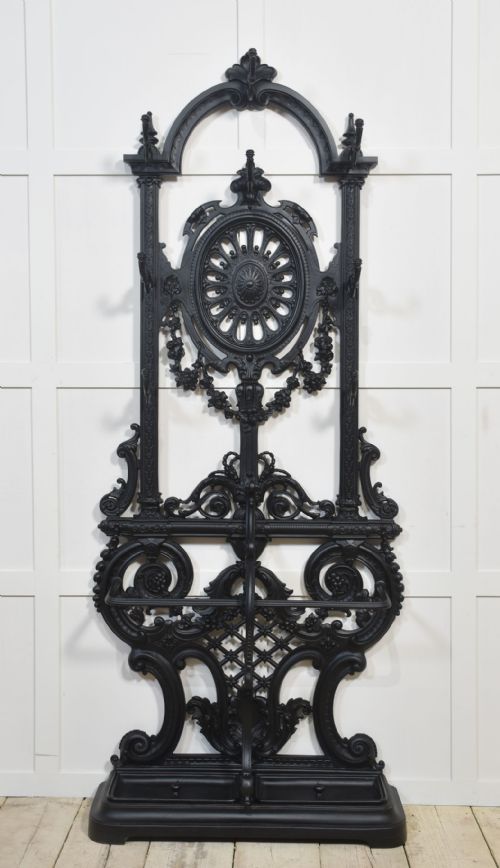
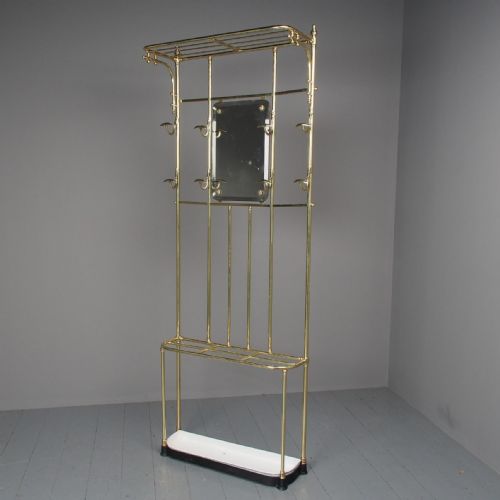


Cast Iron Hat Stand
A cast iron hat stand brings robust utility and sculptural Victorian character to any entrance hall.
Cast Iron Hat Stand
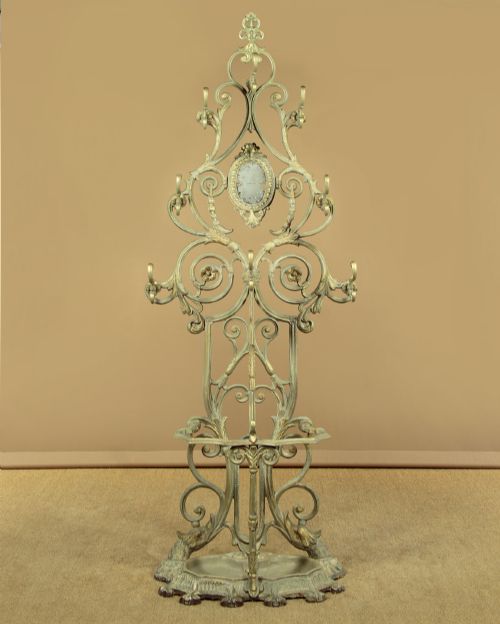
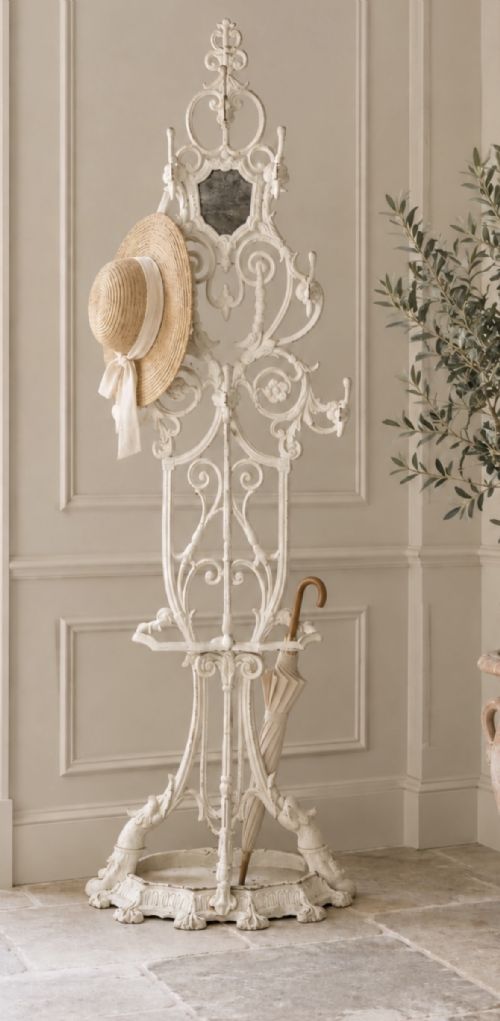
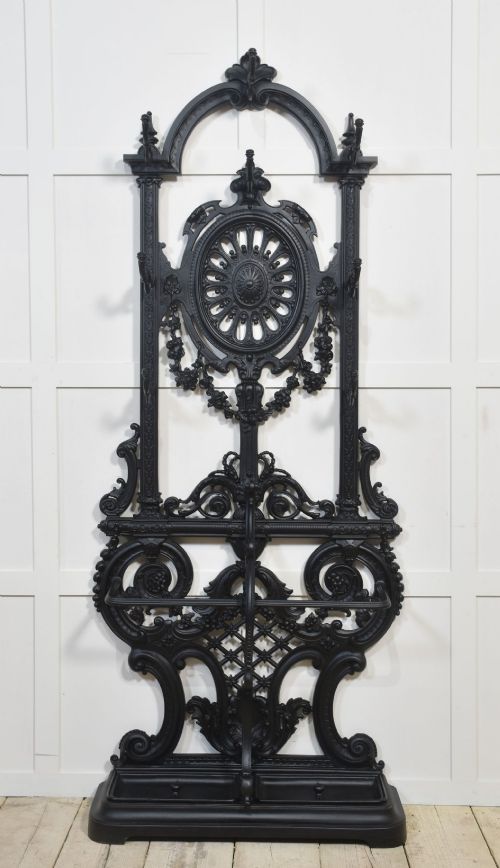
These pieces encompass heavy hall furniture and entryway furnishings designed to hold outerwear, hats, and umbrellas. When you search for a cast iron hat stand, you primarily encounter substantial Victorian hall stands and French coat stands featuring integrated umbrella racks.
The selection ranges from tall nineteenth-century English examples to French faux bamboo designs and Coalbrookdale style castings. Alongside these large hall pieces, the category occasionally includes smaller millinery tools, hat stretchers, and wall-mounted coat racks.
Most items date from the Victorian and Edwardian eras, spanning the late nineteenth century through to the early twentieth century. They serve both practical cloakroom functions and architectural decorative roles in domestic interiors.
Materials and construction methods
The primary structural element is durable cast iron, often shaped into intricate openwork patterns, scrolling foliage, or botanical motifs such as faux bamboo. Many pieces incorporate secondary materials like brass hooks, fitted drip pans, and glass or mirror panels set into the frame.
Foundries utilised sand casting techniques to pour molten iron into detailed moulds, producing rigid frameworks capable of supporting heavy garments. Surface decoration typically involves painted finishes or patinated metalwork, complemented occasionally by hardwood elements or mahogany components.
Cast Iron Hat Stand Retail Price Guide 2026
Typical asking prices for cast iron hat stand among the pieces listed under this phrase on Sellingantiques today, from the lower quarter to the upper quarter. They describe what is for sale here now, not the wider market.
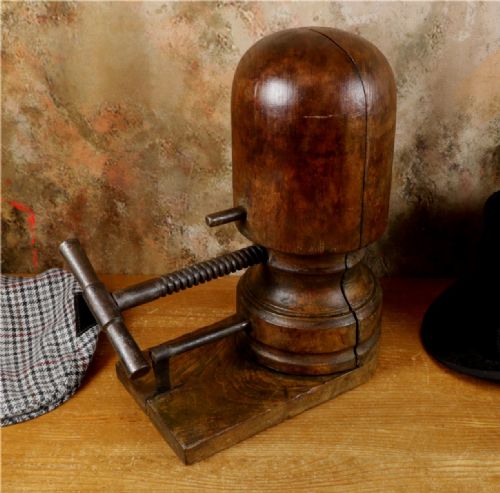
Some stands share inventory space with nineteenth-century wooden hat stretchers and wig display stands, proving that millinery tools love company.
Assessing quality and craftsmanship
Quality in these items rests upon the crispness of the casting detail and the complexity of the ironwork design. Finer examples display sharp definition in decorative motifs, smooth joints, and well-integrated accessories like original brass hooks and drip trays.
Stability and proportion dictate the value of a piece, with taller standing frames requiring robust structural integrity. The presence of maker attributions, such as works linked to the Falkirk Foundry or Coalbrookdale styles, distinguishes standard production items from distinguished foundry work.
Coalbrookdale·Falkirk Foundry
The Cast Iron Hat Stand Glossary
- Hall stand
- A large entryway furniture piece combining a mirror, coat hooks, hat storage, and a base for umbrellas and walking sticks. These heavy items anchor the hallway decor.
- Coalbrookdale
- A renowned nineteenth-century ironworks style famous for ornate, decorative castings featuring botanical and Gothic revival ornamentation. Pieces in this manner show exceptional detail.
- Faux bamboo
- A decorative finish or moulded design mimicking natural bamboo stalks, popular in nineteenth-century French metalwork. This style adds an exotic aesthetic to iron furniture.
- Milliner's hat sizer
- A wooden tool used by hat makers to shape and stretch millinery, sometimes found alongside display stands. These functional workshop objects date to the early twentieth century.
- Drip tray
- A metal base situated at the bottom of a stand to catch water from wet umbrellas. It protects the floor and the lower frame from moisture damage.
Cast Iron Hat Stand: Frequently Asked Questions
How do I clean a cast iron stand?
Dust regularly with a dry cloth and remove surface dirt gently without harsh abrasives.
Avoid using water directly on exposed iron to prevent rust formation, and preserve the painted or patinated finish with light wax if appropriate.
Are these stands stable on wooden floors?
Most pieces possess substantial weight derived from solid iron construction, ensuring natural stability on flat surfaces.
Larger hall stands distribute their load evenly across the base, though care should be taken with placement to balance heavy coats.
Can these hold heavy winter coats?
The robust metal hooks and rigid frames are engineered specifically to bear the weight of heavy outerwear and layered garments.
Historic pieces remain fully functional for daily cloakroom use when placed securely against a wall.
How do I distinguish Victorian from Edwardian pieces?
Victorian examples often feature heavier Gothic revival, ornate Rococo, or dense botanical ornamentation.
Edwardian designs tend to exhibit slightly lighter proportions while retaining the traditional cast iron framework.