


Antique Giltwood Furniture
Antique giltwood furniture brings brilliant warmth and opulent craftsmanship into a room, offering grand console tables, armchairs, and mirrors.
Antique Giltwood Furniture
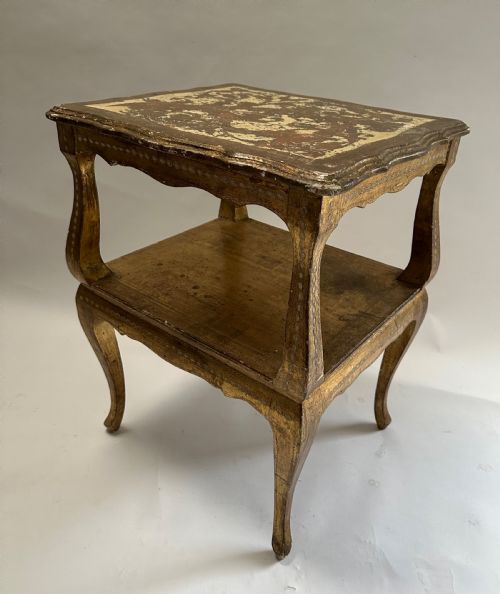
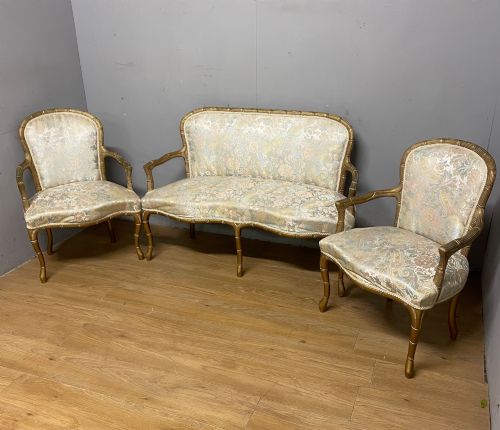
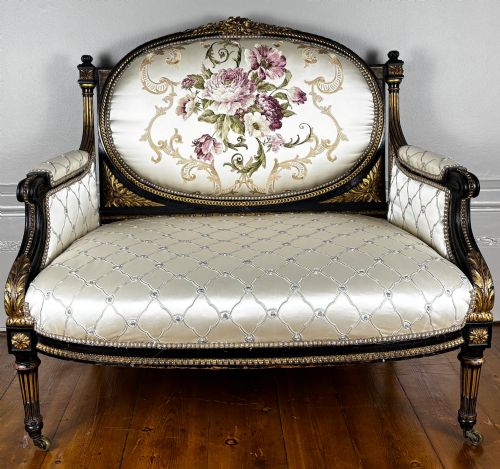
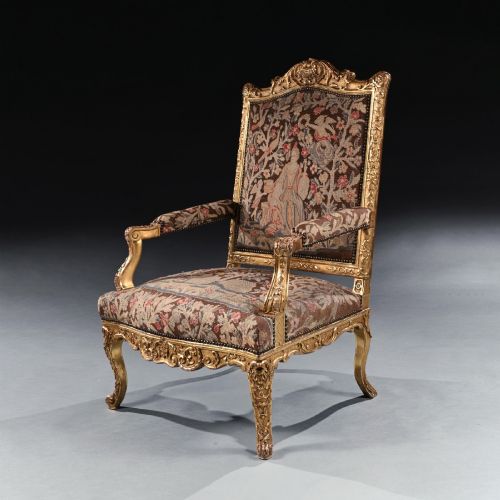
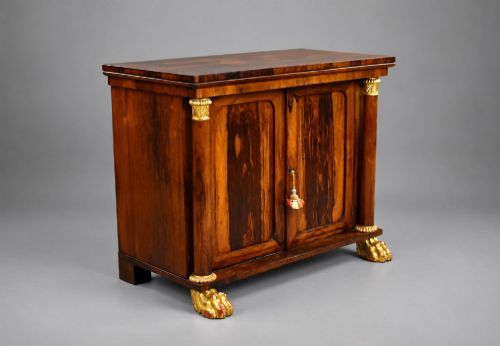
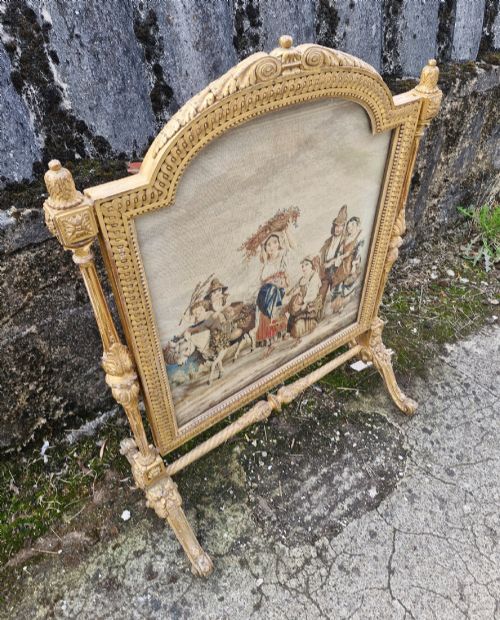
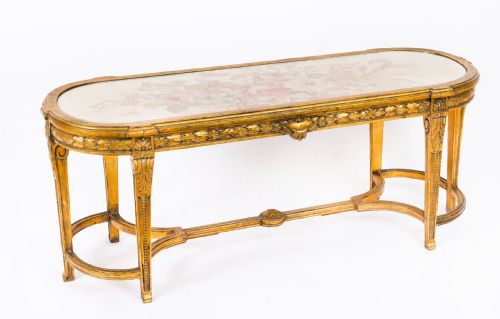
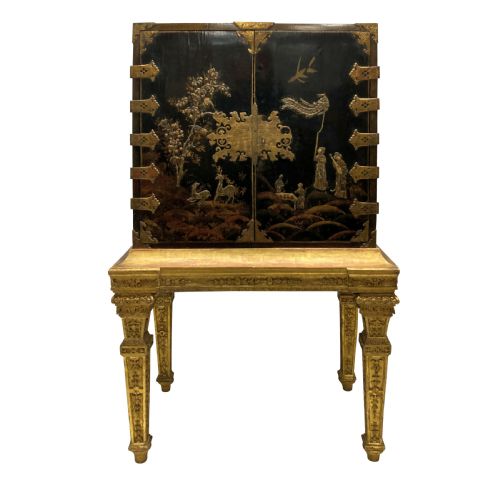
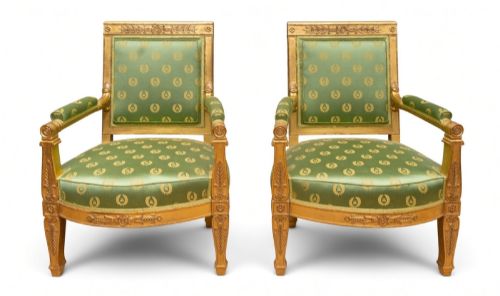
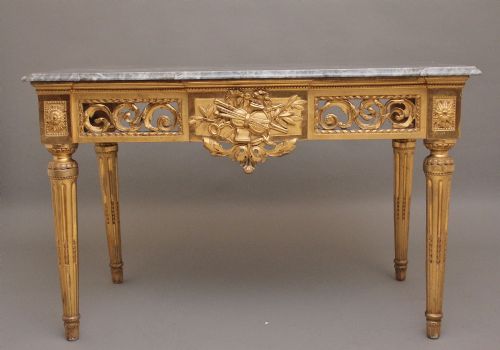
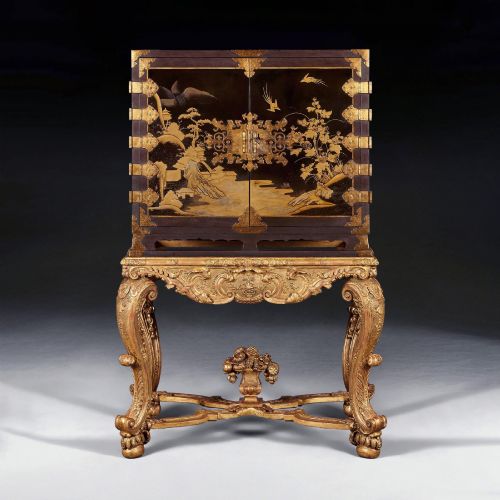
When buyers search for antique giltwood furniture, they encounter striking decorative objects designed for formal interiors across European centres. The selections span diverse forms, ranging from console tables topped with figured marble to armchairs, fire screens, and cabinets on stands.
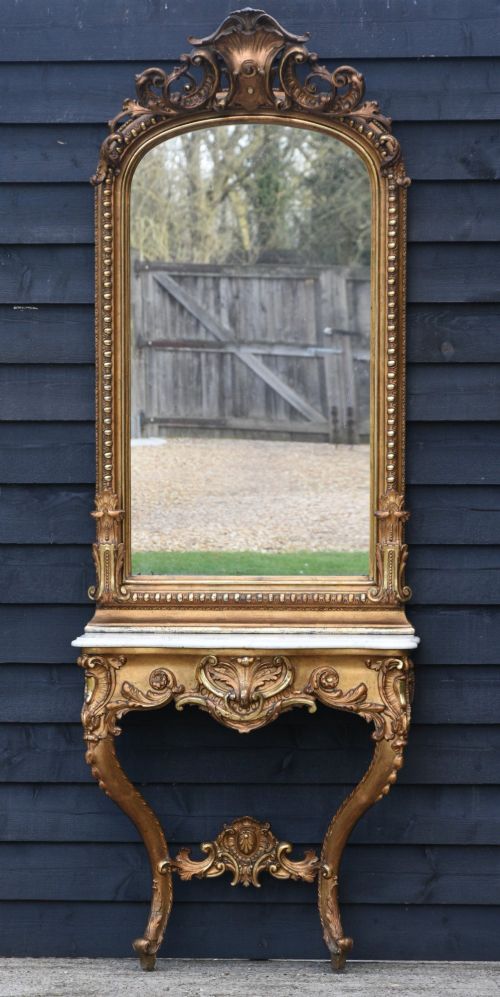
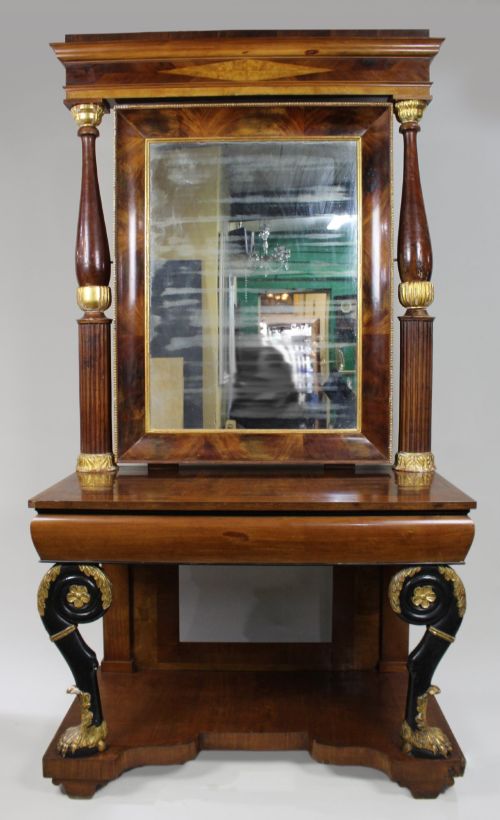
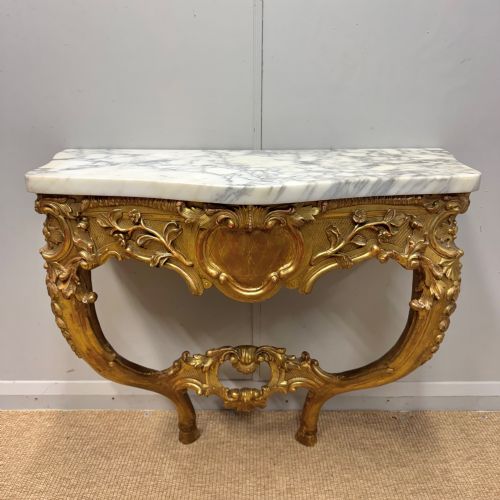
Console tables dominate the physical evidence, frequently paired with matching pier mirrors or integrated with intricate Italian and French Rococo or Neoclassical motifs. These pieces reflect centuries of stylistic evolution, encompassing Regency elegance, Louis XVI revival details, and baroque grandeur.
Materials and Construction Techniques
The creation of these works relies on the skillful application of gold leaf and gesso over a wooden substrate to achieve a luminous, reflective surface. Carvers shaped timber into elaborate scrolls, floral mouldings, and structural supports before applying thin layers of gold leaf by hand.
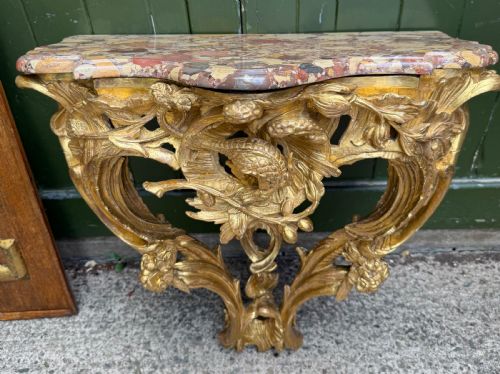
Many tables incorporate heavy marble slabs, including breccia and breche d'alep varieties, fitted directly onto gilded wooden bases. Additional components like glass, brass, and painted panels frequently complement the primary wood and gesso structures.
Antique Giltwood Furniture Retail Price Guide 2026
Typical asking prices for giltwood furniture among the pieces listed under this phrase on Sellingantiques today, from the lower quarter to the upper quarter. They describe what is for sale here now, not the wider market.
Materials recorded across the inventory include gesso, gold leaf, marble, glass, and brass.
Distinctions in Execution and Depth
The finest examples display immense depth and crispness in the carved wood underneath the gilding, showing sharp relief in acanthus leaves and lion's paw supports. Lesser works rely on shallower carving and simpler mouldings that lack the three-dimensional drama of master workshops.
The handling of the gold leaf and the preparation of the underlying gesso layer dictate the longevity and richness of the metallic sheen. Superior application ages with a soft, warm glow, whereas inferior surfaces can appear flat or uniform.
Jacob Desmalter·Strahan of Dublin
The Antique Giltwood Furniture Glossary
- Giltwood
- Timber that has been decorated with gold leaf applied over a prepared gesso ground. This technique creates a brilliant metallic finish historically utilised for elite interior furnishings.
- Gesso
- A plaster-like mixture applied to wood to create a smooth surface for carving and gilding. It allows craftsmen to model intricate relief ornamentation before applying gold leaf.
- Console Table
- A wall-mounted or freestanding table supported by decorative brackets or legs. These tables frequently feature marble tops and form matching sets with wall mirrors.
- Fauteuil
- An open-arm armchair with upholstered back and seat, originating in France. These seats typically showcase exposed carved wooden frames.
- Trumeau
- An architectural mirror or decorative panel placed above a fireplace or console table. It often incorporates painted scenes or carved woodwork within a unified design.
Antique Giltwood Furniture: Frequently Asked Questions
What periods do these pieces represent?
The inventory spans multiple centuries, incorporating 17th, 18th, and 19th-century works alongside early 20th-century revivals. Distinct regional tastes from Italy, France, England, and Sweden define the chronological spread.
Specific stylistic movements such as Regency, Rococo, and Neoclassical provide further context for dating individual tables, chairs, and cabinets.
How were console tables historically used?
Console tables served primarily as decorative side furnishings in grand reception rooms and hallways, often positioned against piers between windows. Their substantial marble tops provided stable surfaces for decorative objects and candelabra.
When paired with matching wall mirrors, they created a unified visual anchor that enhanced the perceived light and space of formal interiors.
How do I identify French versus Italian styles?
French designs often emphasise refined symmetry, restraint, and classical revival motifs associated with royal courts and specific periods like Louis XVI or the Restauration. Makers such as Jacob-Desmalter exemplify this structured elegance.
Italian pieces frequently display exuberant Rococo and Baroque characteristics, featuring dramatic scrollwork, polychrome accents, and monumental proportions suited to palatial spaces.
How do I care for gilded surfaces?
Gilded wood requires gentle handling to protect the delicate gold leaf and underlying gesso layers from physical abrasion and moisture. Dusting should be performed with a soft, dry brush rather than abrasive cloths.
Keeping pieces away from direct sunlight and excessive humidity prevents the wooden substrates from expanding and contracting, which preserves the integrity of the finish.