
Antique Gilt Timepiece
An antique gilt timepiece brings nineteenth-century French and English precision to a mantel, combining heavy mercury gilding and enamel dials with striking mechanical movements.
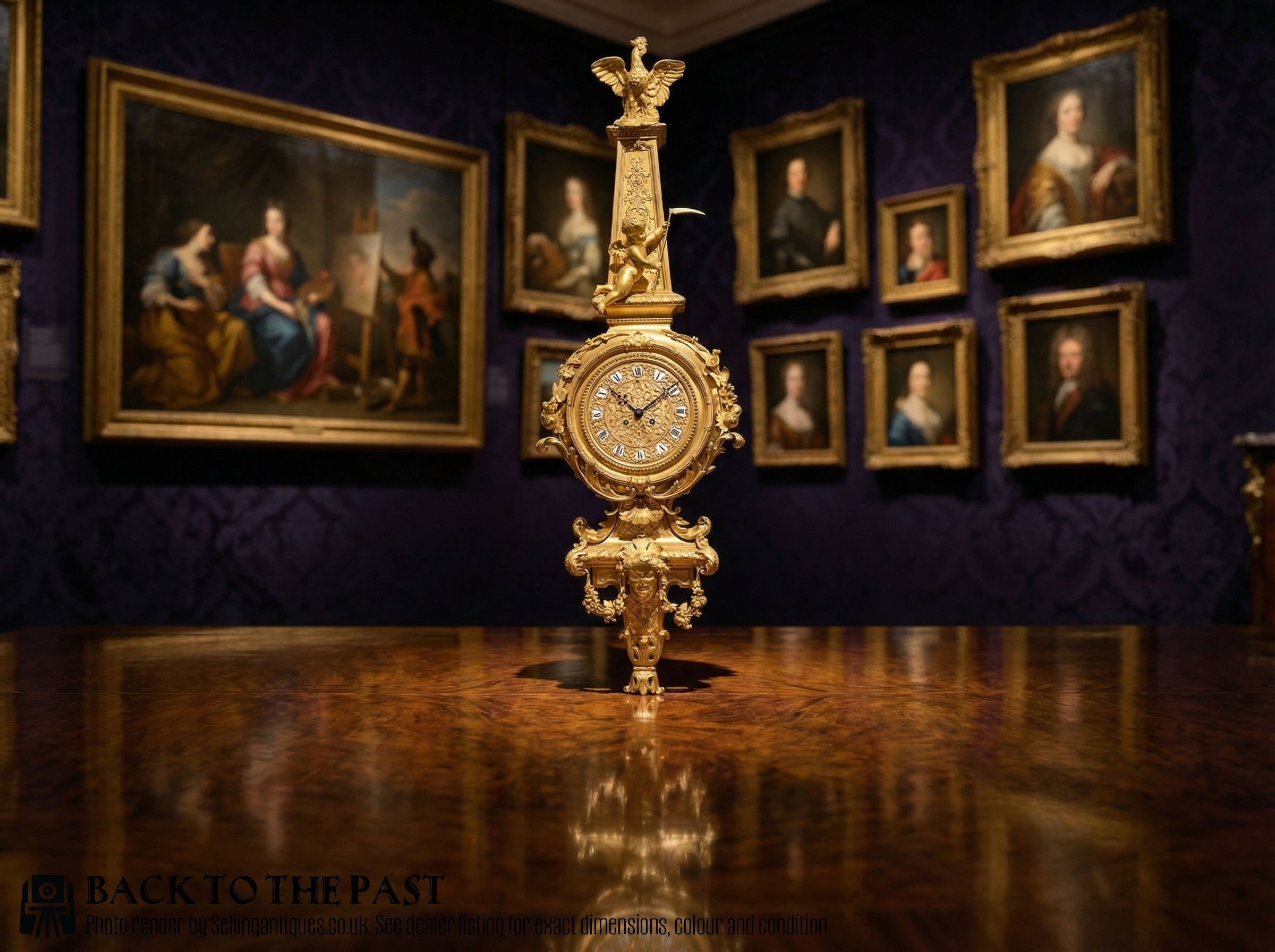
Antique Gilt Timepiece
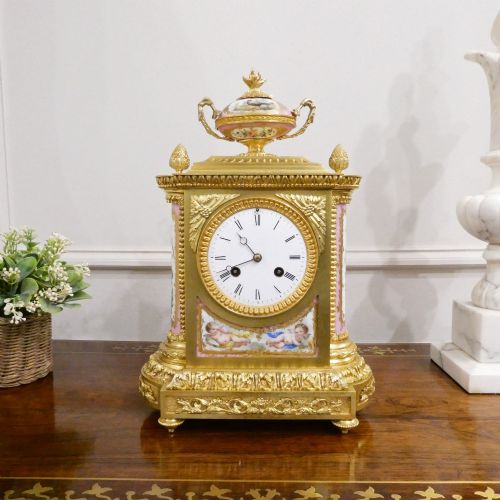
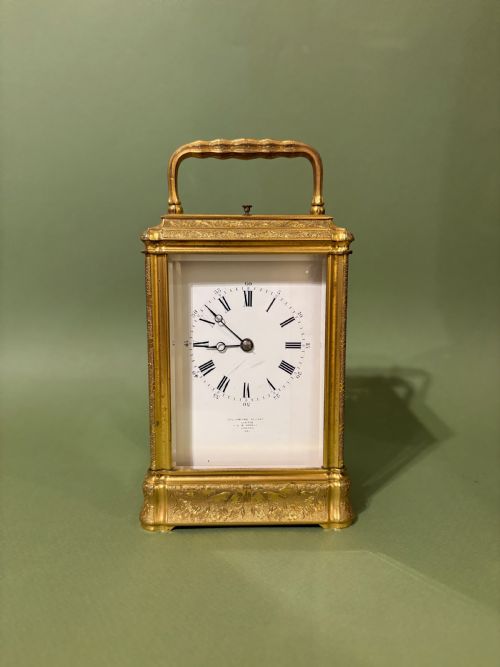
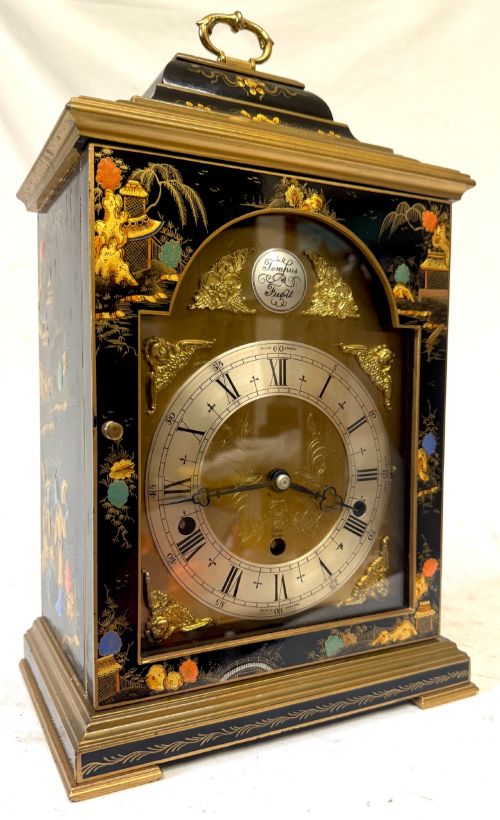
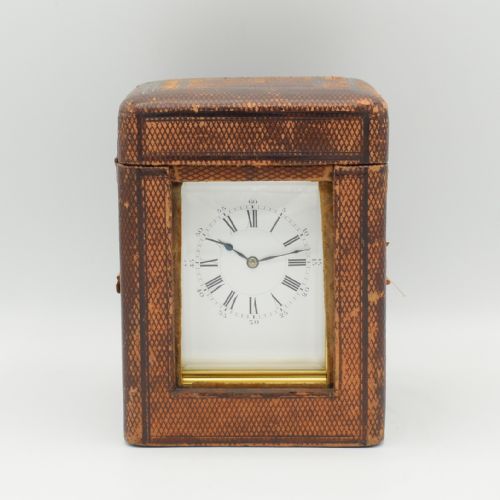
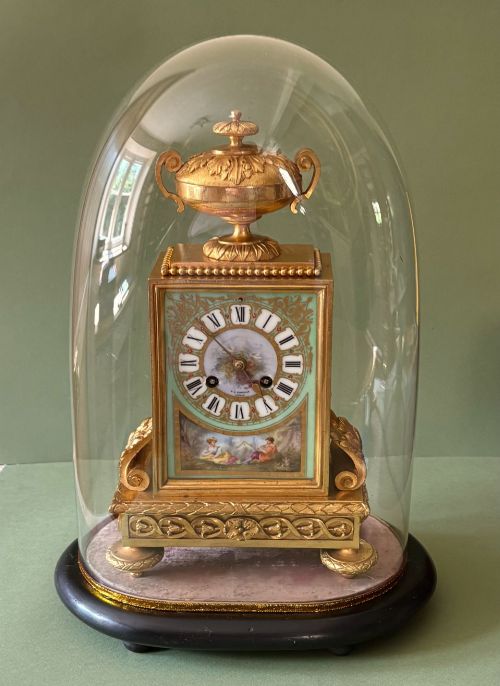
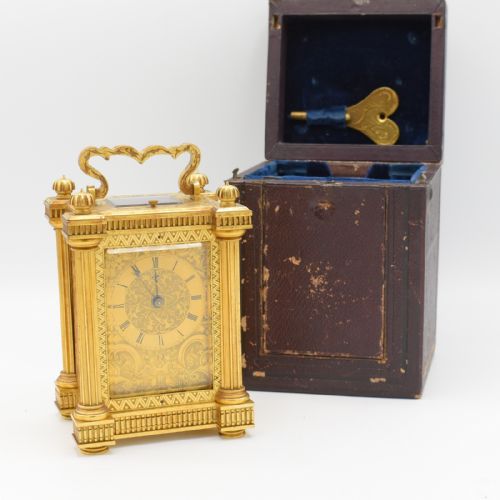
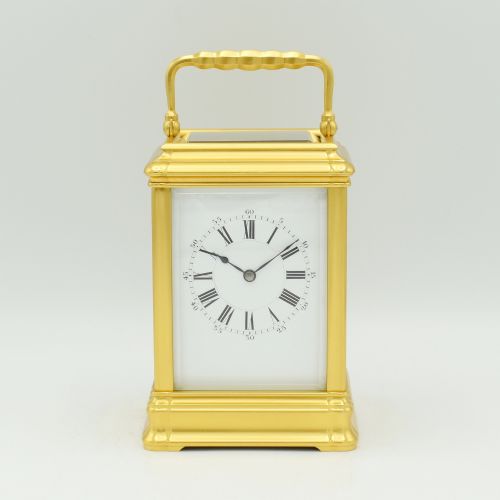
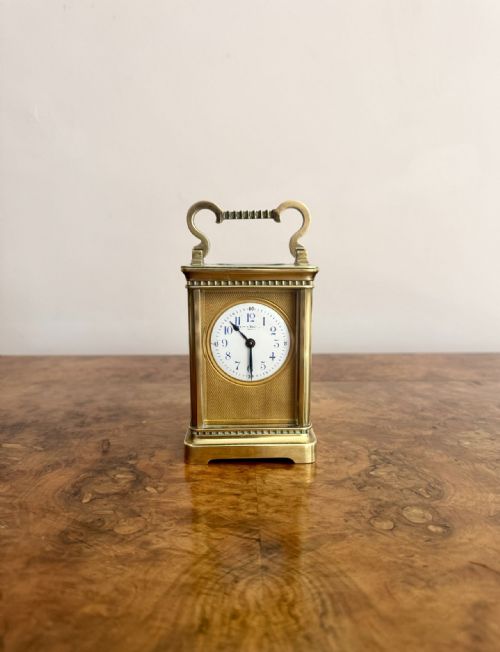
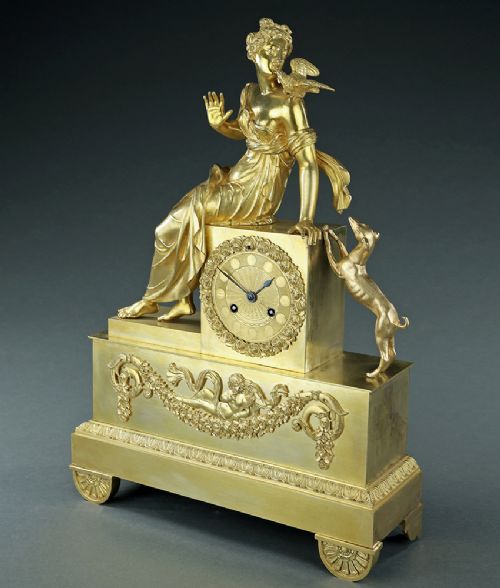
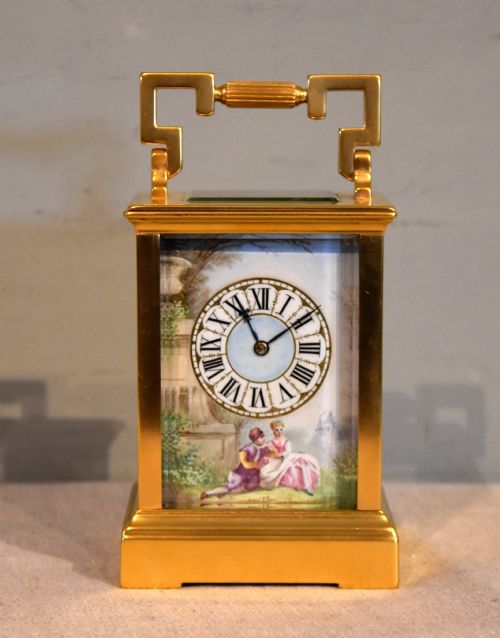
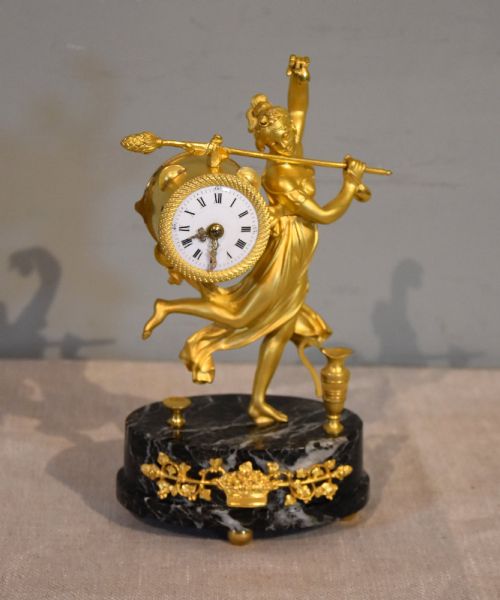
When you search for an antique gilt timepiece, you encounter a selection dominated by nineteenth-century French carriage clocks, portico clocks, and architectural mantel clocks alongside English Regency and Victorian examples. These objects range from miniature carriage clocks housed in glass and gilt brass cases to large ormolu figural mantel clocks depicting classical scenes or exotic subjects like elephants. Carriage clocks frequently feature travel cases and repeating mechanisms, while portico and bracket styles utilise classical architectural proportions.
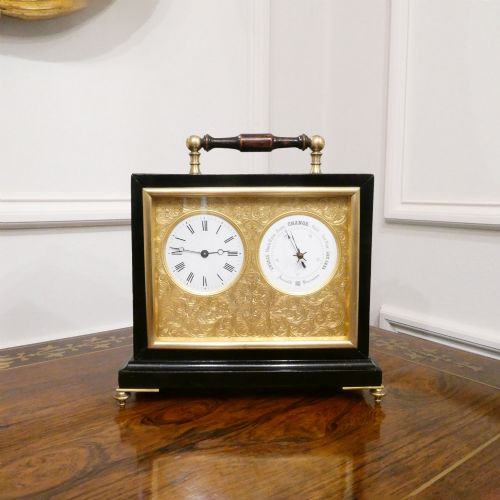
The prevalent origins recorded here span the Victorian era, the French Empire, and the late nineteenth century, encompassing Louis XVI and Rococo Revival aesthetics. You also find specialised pieces such as pocket watches with enamel backs, desk clocks, and barometer combinations from English makers. Most items date from the eighteen-fifties through to nineteen hundred, reflecting the height of European mechanical and decorative metalwork.
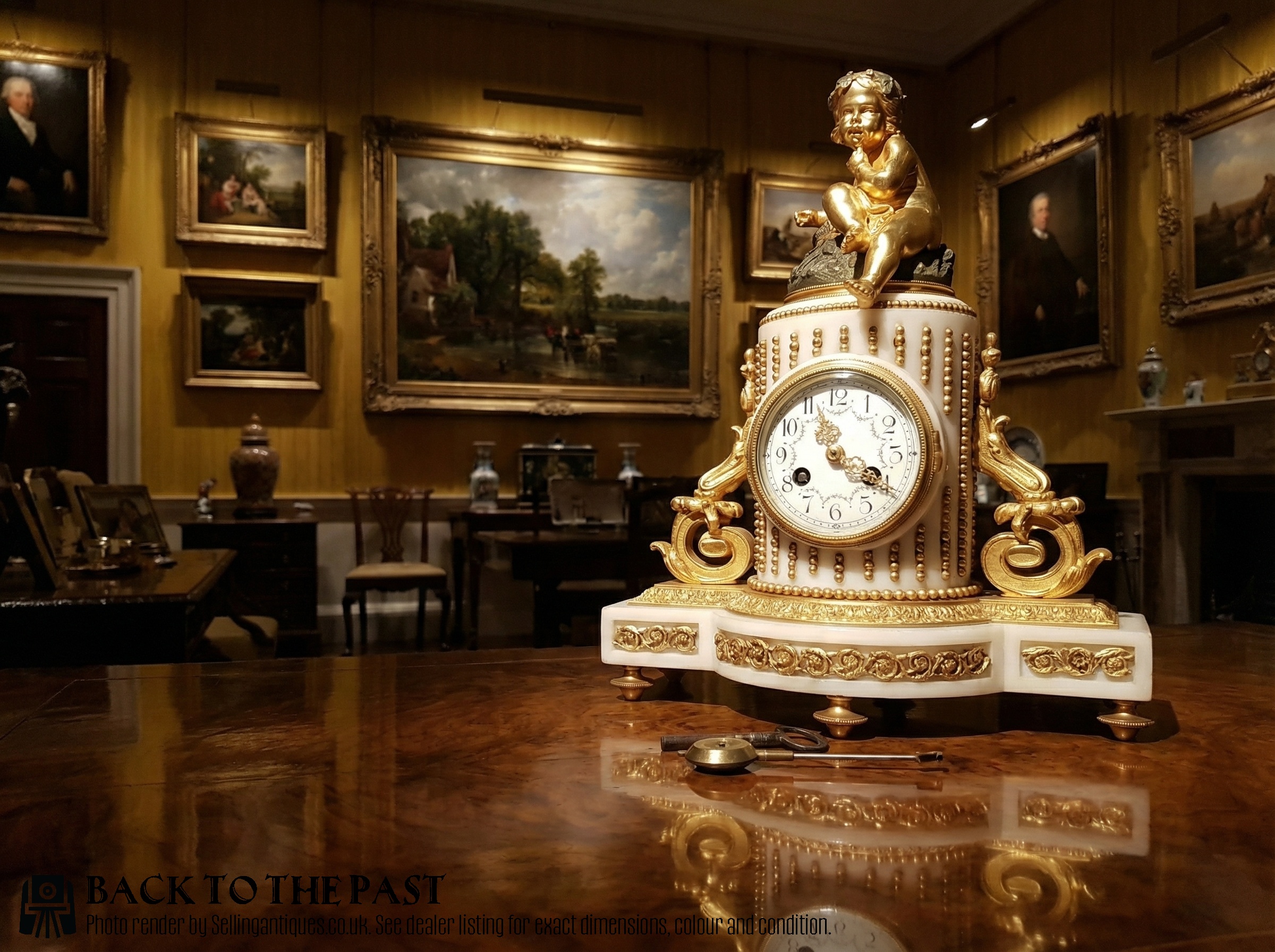
Materials and construction
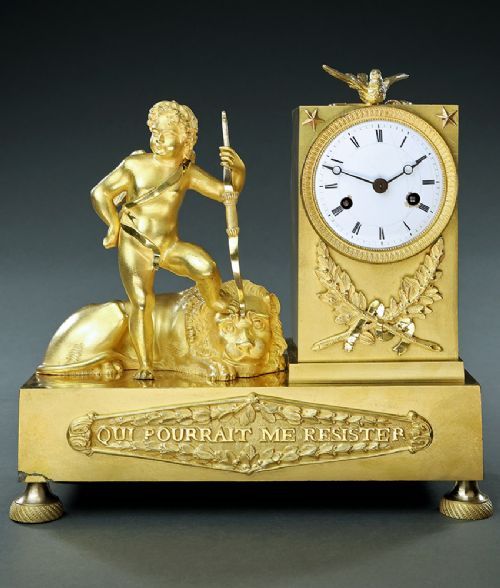
The construction of these pieces relies heavily upon cast ormolu, gilt bronze, and gilt brass mounted on bases of marble, onyx, ebonised wood, or mahogany. Gilt bronze and ormolu surfaces achieve their characteristic rich lustre through traditional mercury gilding or electroplating techniques applied over a carefully chased base metal. Enamel dial plates, sometimes decorated with hand-painted miniatures or visible escapements, combine with bevelled glass panels in carriage clocks to expose the intricate gear trains.
Secondary materials such as tortoiseshell, leather for travel cases, and patinated bronze provide contrast against the bright gilded elements. Movements are predominantly eight-day mechanical systems, often featuring bell strikes, repeating functions, or platform escapements housed within heavy cast cases.
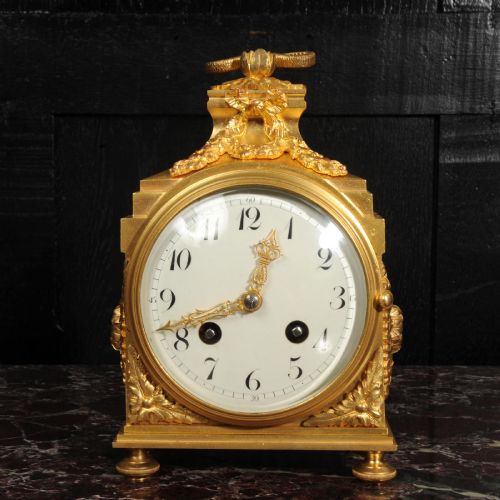
Listings for this phrase frequently combine French Empire or Rococo Revival styling with heavy ormolu mounts and white enamel dial faces.
Distinctions in craftsmanship
Quality in these objects rests upon the crispness of the bronze chasing and the depth of the fire gilding rather than superficial brightness. Superior pieces exhibit deeply undercut cast ornamentation, where foliage, human figures, and architectural motifs retain sharp relief without softening from excessive polishing.
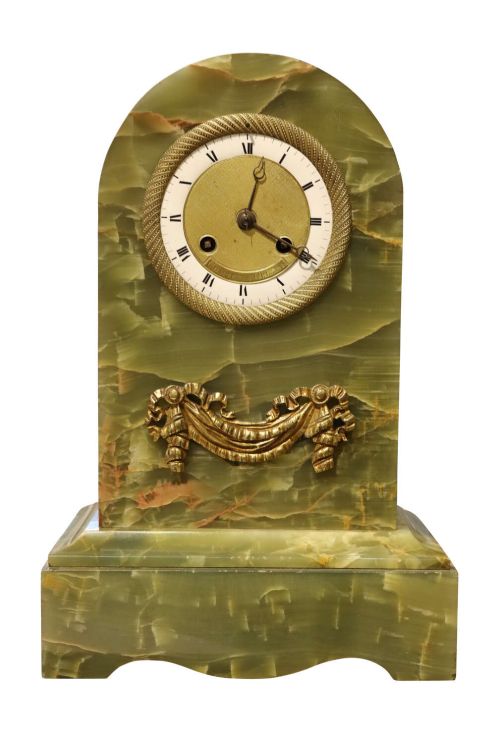
The sophistication of the movement further separates standard production from exceptional examples, seen in signed backplates by noted makers, fully engraved gilt brass cases, and complex complications like repeating strike mechanisms. The integration of high-grade materials such as porcelain plaques, green marble, or tortoiseshell inlay also marks the upper tier of the range.
Henri Jacot·Howell And James·Le Roy·Viner
The Antique Gilt Timepiece Glossary
- Ormolu
- Finely chopped gold amalgamated with mercury and applied to a bronze base, then heated to drive off the mercury. This historical fire-gilding technique produces a deep, durable golden finish distinct from modern electroplating.
- Carriage clock
- A portable spring-driven timepiece designed for travel during the nineteenth century. These clocks typically feature a rectangular brass or gilt case with glass panels and a folding handle.
- Pendule d'officier
- A French military or travelling mantel clock originating in the late eighteenth and nineteenth centuries. It usually sits on a stepped base with a distinct bell top and handle.
- Portico clock
- A mantel clock styled after classical architecture with two supporting columns flanking the central pendulum movement. They frequently utilise mahogany, ebonised wood, or marble accented with gilt bronze mounts.
- Verge escapement
- An early mechanical escapement mechanism utilising a crown wheel and a verge axis with two pallets. It appears in older pocket watches and pre-nineteenth-century timepieces.
Antique Gilt Timepiece: Frequently Asked Questions
What is the difference between ormolu and gilt brass?
Ormolu consists of mercury-gilded bronze, yielding a warm, deep gold patination that adheres closely to the chased metal underneath. Gilt brass usually involves a different base alloy and often employs modern electroplating methods.
Ormolu mounts on portico and mantel clocks generally display sharper cast detail and heavier weight than standard gilt brass alternatives. The older fire-gilding process creates a characteristic matte and bright contrast across the surface.
Where were most of these clocks made?
The majority of the pieces recorded here originate from Parisian workshops, reflecting France's dominance in ornamental metalwork and horology during the nineteenth century. Makers produced everything from architectural portico clocks to miniature carriage timepieces.
English makers also contributed significant Regency and Victorian mantel clocks and pocket watches, often featuring robust fusee movements. Regional differences appear in the styling of the dial enamel and the proportions of the wooden or bronze cases.
How should I clean a gilt bronze clock?
Maintenance should be restricted to gentle dusting with a soft, dry brush to prevent abrasion to the delicate mercury gilding. Moisture and commercial chemical cleaners can strip the historical surface or damage vulnerable enamel dials.
If the mechanical movement requires servicing, it is best handled by a professional horologist experienced in antique spring-driven systems. Preserving the original ormolu surface maintains both the character and historical integrity of the timepiece.