





Antique Gilt Standing Mirror
An antique gilt standing mirror brings a commanding golden presence to a room, reflecting light through centuries of craftsmanship.
Antique Gilt Standing Mirror
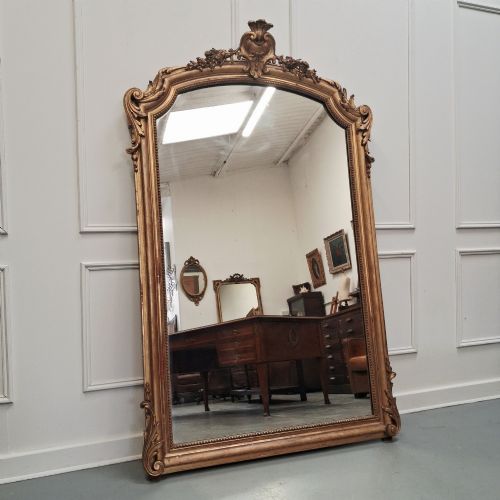
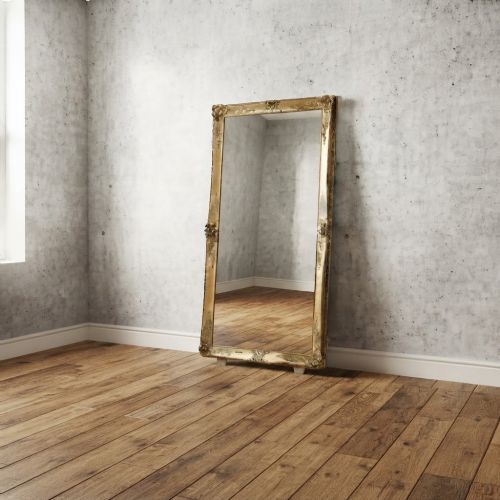
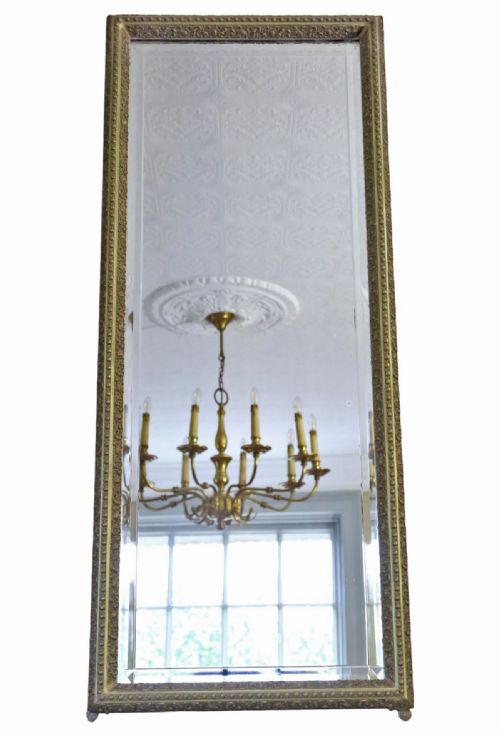
When searching for an antique gilt standing mirror, collectors encounter floor-standing cheval mirrors, versatile dressing table glasses, and large leaner plates designed to rest against a wall. These pieces date principally from the nineteenth century into the early twentieth century, spanning Victorian, Edwardian, and various French revival styles.
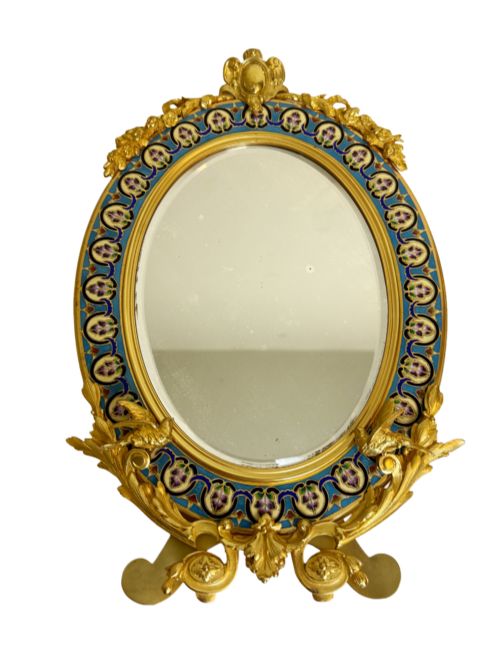
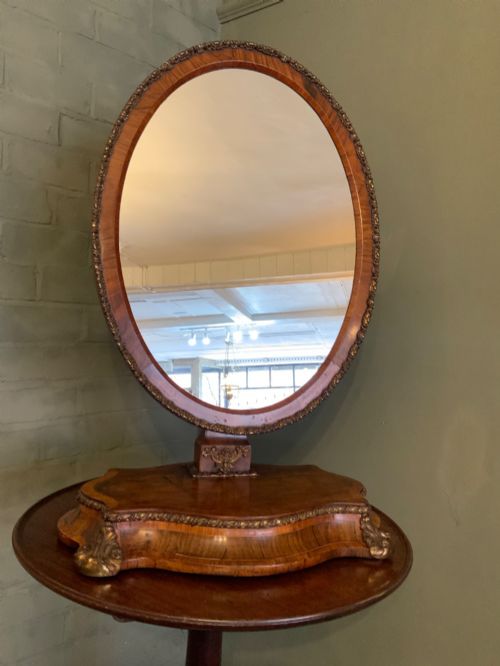
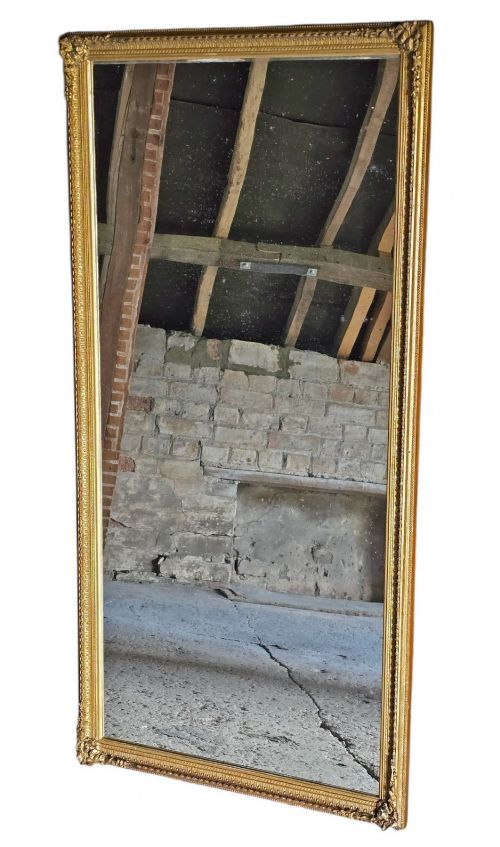
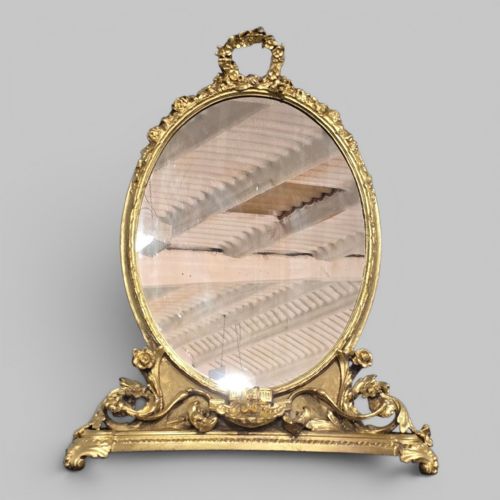
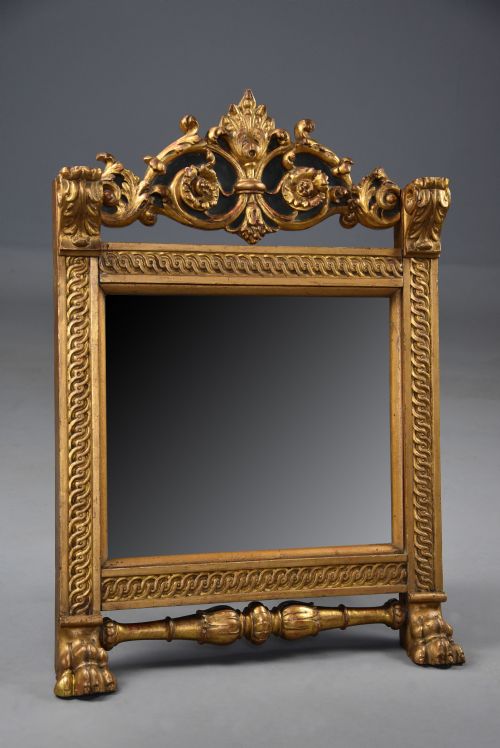
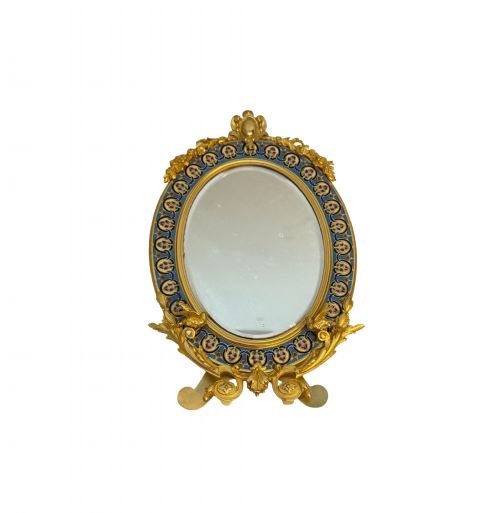
The assortment on this page ranges from smaller table-top toilet mirrors mounted on pivoting frames to grand, full-length cheval frames and towering leaners. Originating from English and continental workshops, particularly French ateliers, these looking glasses served both functional grooming needs and grand interior decoration.
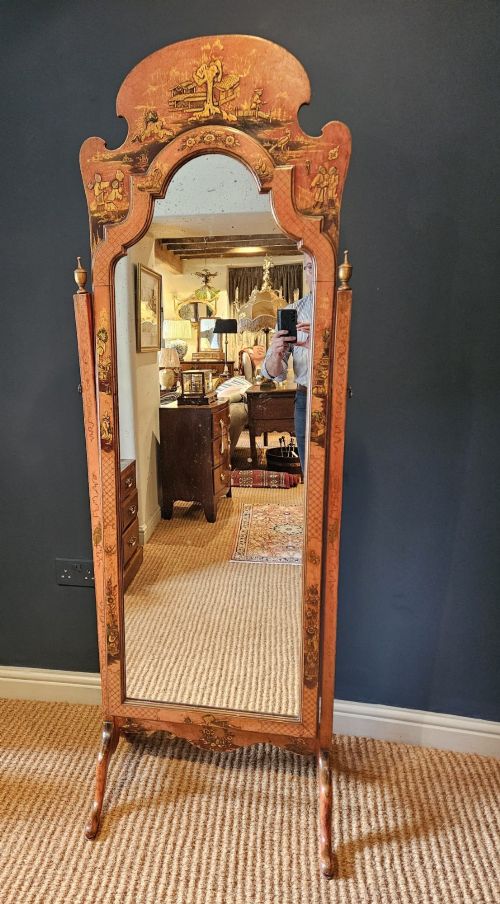
The forms frequently exhibit influences from French Rococo, Empire, and Chinoiserie aesthetics, utilising sculptural frames that transform a simple reflective surface into an ornate architectural feature. Buyers will find standing mirrors configured for bedrooms, boudoirs, and reception halls alike.
How They Were Made
Craftsmen built the core structures using timbers such as walnut, mahogany, and pine, upon which they applied layers of gesso to create smooth surfaces for intricate relief carving. Artisans then meticulously applied gold leaf or bronze finishes, utilising ormolu mounts to accent the frames.
Surfaces were often enhanced through parcel gilt techniques, ebonising, or hand-painted Chinoiserie motifs to achieve rich decorative contrasts. The heavy mirror glass was set securely within these carved wooden frames, often supported by pivoting brass hardware or sturdy floor pedestals.
Listings feature 19th-century pieces utilising giltwood, gesso, ormolu, and bevelled glass across Victorian and French Rococo styles.
What Varies in Quality
Quality rests heavily on the depth and crispness of the hand-carved gesso relief work, where sharper detailing indicates superior artisanal skill. Mass-produced or later replacement mouldings lack the crisp vitality seen in pieces originating from premier nineteenth-century workshops.
The integrity of the original gilding and the preservation of the antique mirror plate itself distinguish finer examples from heavily restored pieces. Original mercury or early silvered glass showing soft, natural foxing holds greater appeal than modern replacement plates.
F. Bienvue
The Antique Gilt Standing Mirror Glossary
- Cheval mirror
- A freestanding full-length mirror supported by a frame with vertical pillars and pivoting pivots. This design allows the glass to tilt to various angles.
- Gesso
- A plaster-like mixture applied to wood frames to create a smooth surface for carving and gilding. It provides the foundation for intricate relief decoration.
- Ormolu
- Gilded bronze mounts and decorative accents applied to furniture and mirror frames. The technique involves mercury gilding over bronze during the eighteenth and nineteenth centuries.
- Champlevé
- An enamelling technique where recessed areas are gouged out of a metal surface and filled with vitreous enamel. It frequently adorns the frames of late nineteenth-century dressing table mirrors.
- Trumeau
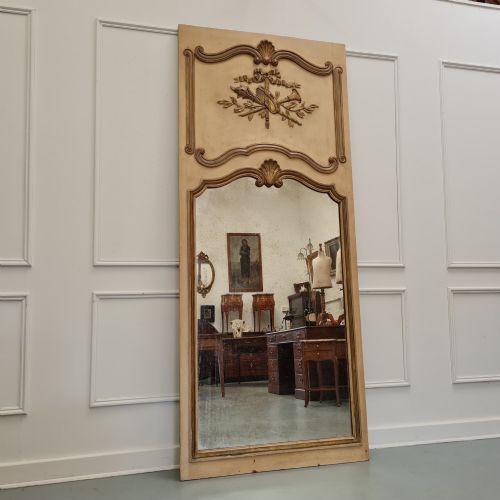
- An antique mirror fitted into a decorative wall panel, often incorporating paintings or carved woodwork above the glass.
Antique Gilt Standing Mirror: Frequently Asked Questions
How do I secure a heavy standing mirror?
Full-length cheval mirrors rely on wide, weighted feet and sturdy side pivots to maintain balance on level flooring. Placing them away from high-traffic pathways prevents accidental tipping.
For large leaner mirrors resting against a wall, discreet safety brackets anchored to the wall studs provide essential stability while preserving the visual display.
What is the difference between a cheval and a dressing mirror?
Cheval mirrors stand independently on the floor, providing a full-length reflection supported by a vertical frame and floor legs. They were designed for bedrooms and dressing rooms to view entire outfits.
Dressing mirrors are smaller table-top or toilet mirrors meant to sit atop a chest of drawers, vanity, or console table for seated grooming.
How should I clean antique gilt frames?
Dust giltwood and gesso frames gently using a soft, dry ostrich feather duster or a very soft brush. Avoid applying water, chemical sprays, or commercial polishes, as moisture lifts delicate gold leaf and historical gesso.
Mirror glass can be cleaned sparingly with a cloth dampened slightly with distilled water, taking care not to let liquid seep behind the frame edges.
Can these mirrors be used in hallways?
Standing and leaner mirrors work exceptionally well in entryways and hallways to bounce natural light around darker spaces. Tall frames create an illusion of greater depth in compact areas.
Ensure the floor beneath the mirror is even so the standing frame rests securely without rocking against the wall.