




Arched Top Giltwood Mirror
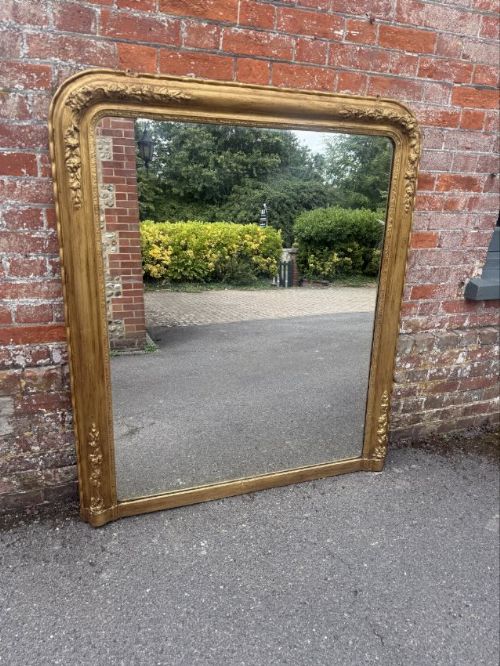
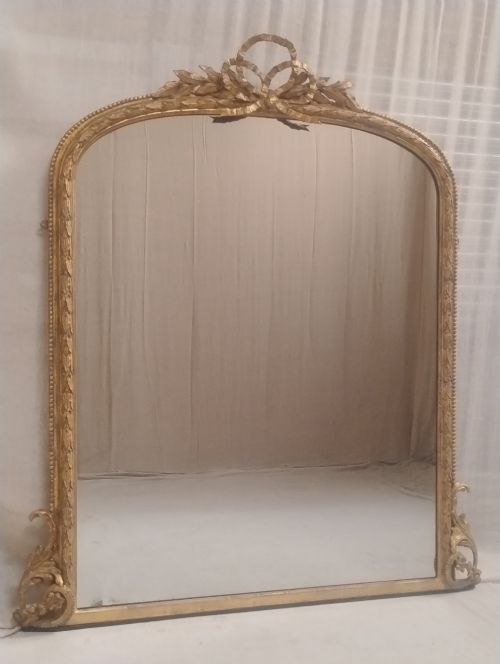
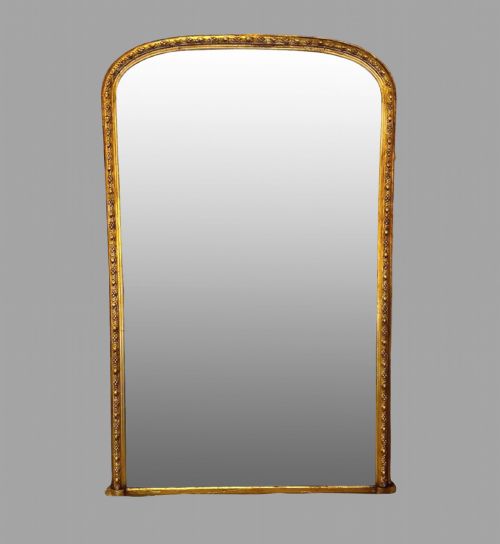
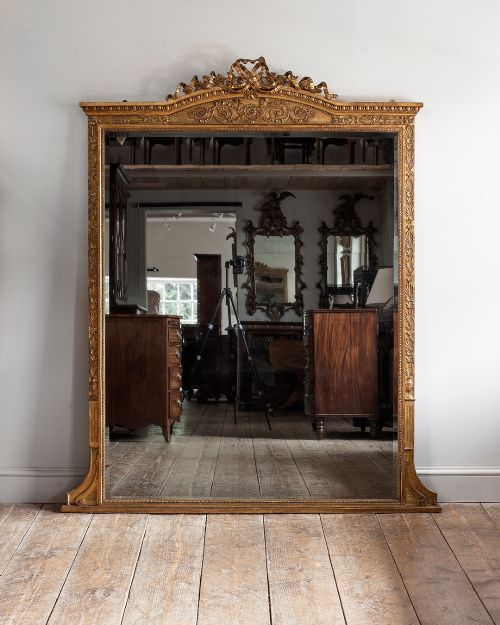
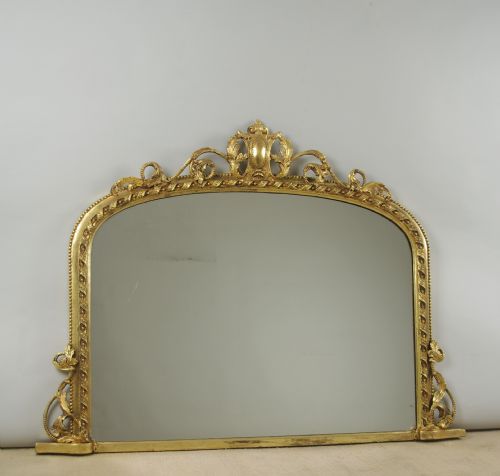
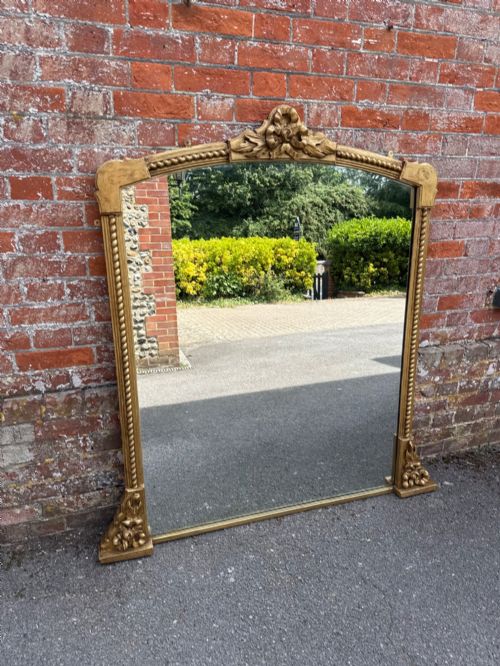
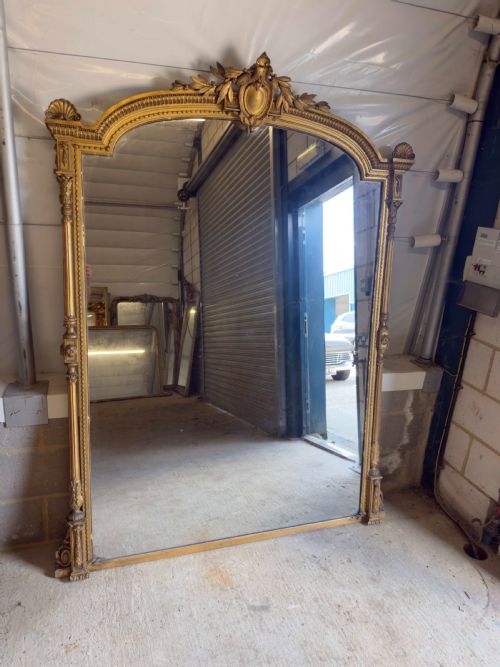
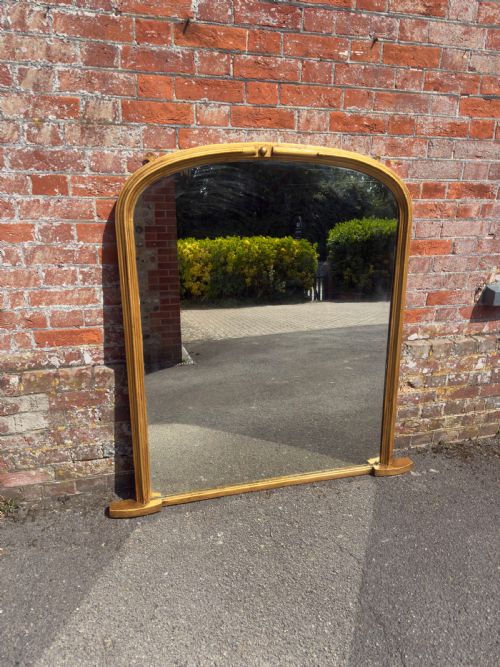
An arched top giltwood mirror brings warmth and reflected light to a room, most often appearing here as a large nineteenth-century overmantel piece.
Arched Top Giltwood Mirror
When searching for an arched top giltwood mirror, buyers typically encounter grand nineteenth-century overmantel pieces designed to sit above a fireplace. These large formats appear alongside pier mirrors and wall mirrors spanning the Victorian and Georgian eras.
English and French examples dominate the selection, bringing distinctive regional proportions and carved details into domestic interiors. Many pieces date from the mid to late nineteenth century, showing the characteristic arched or shaped tops associated with the period.
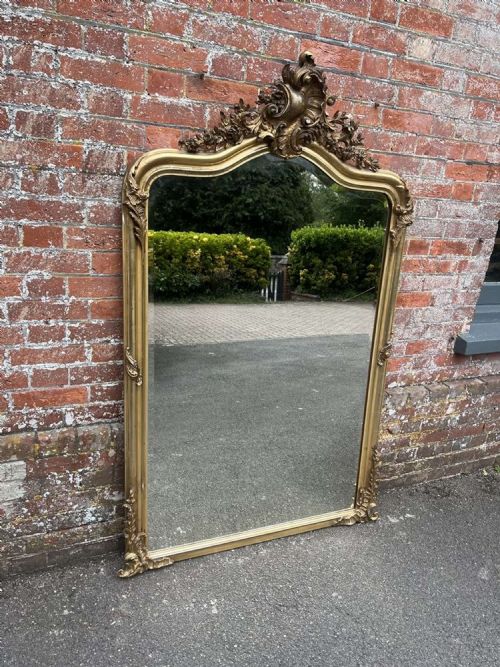
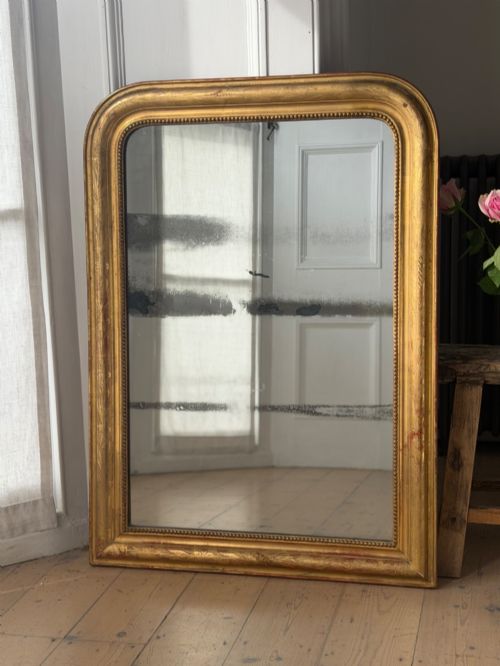
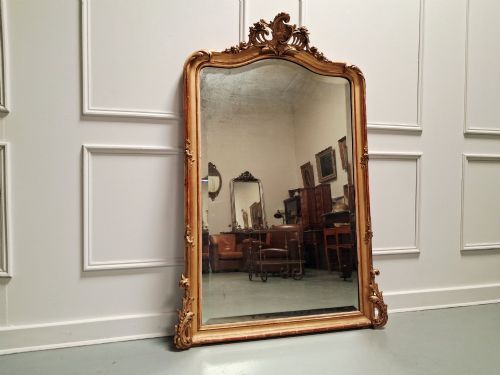
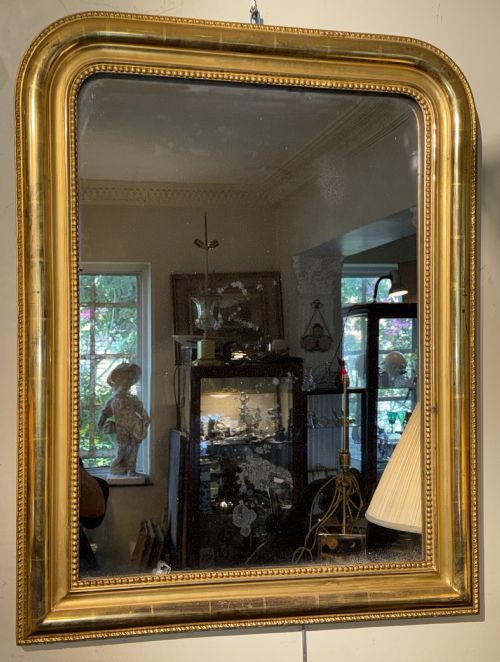
The selection ranges from restrained Louis Philippe designs with clean lines to ornate Rococo and Classical styles featuring elaborate frames. Buyers frequently find substantial wooden structures shaped to create a focal point in reception rooms and halls.
Materials and construction
Frames are constructed primarily from timber such as pine and carved wood, providing a solid foundation for the decorative surface. Artisans applied layers of gesso over the wood base to create smooth contours and crisp ornamental details.
Guilders applied gold leaf or composition finishes to the prepared gesso surfaces, producing the characteristic metallic sheen of giltwood. Glass panels, including mercury glass variants, were set within the frames to complete the reflective surface.
Some nineteenth-century mirrors spent their lives watching French chateaux come and go.
Craftsmanship and preservation
The degree of definition in the carved wood and gesso ornamentation distinguishes standard production from finer work. Crisp, deeply incised motifs require skilled hand-carving rather than simple moulding, which elevates the visual presence of the frame.
The condition of the original gilding and the glass plate contributes significantly to the character of each piece. Surviving surfaces with natural foxing or intact gold leaf retain an authenticity that heavier restoration alters.
The Arched Top Giltwood Mirror Glossary
- Giltwood
- Wood covered with gold leaf or a gold-coloured metallic finish. This surface gives the frame its characteristic luminous appearance.
- Gesso
- A plaster mixture applied to wood frames to create a smooth base for carving and gilding. It allows artisans to shape intricate decorative details.
- Overmantel mirror
- A large mirror specifically designed to be hung above a fireplace mantelpiece. These pieces often feature wide proportions to match the width of the hearth below.
- Louis Philippe
- A nineteenth-century French style characterised by simple, elegant curves and restrained ornamentation. Such mirrors typically feature a subtle arched top without excessive carving.
- Foxed glass
- Mirror glass showing aged spots, speckles or discolouration caused by the degradation of the backing over time. Collectors often value this natural ageing as proof of age.
Arched Top Giltwood Mirror: Frequently Asked Questions
How do I clean an antique giltwood mirror?
Dust the frame gently with a soft, dry brush to protect the delicate gilt surface from abrasion. Avoid using water or chemical cleaners on the gold leaf.
Clean the glass plate using a mild glass cleaner applied to a cloth rather than sprayed directly onto the mirror. This prevents liquid from seeping behind the glass and damaging the backing.
What is the difference between Victorian and Louis Philippe mirrors?
Victorian mirrors often feature heavier, more ornate carving with elaborate motifs and deep profiles. They were built to make a strong visual statement in nineteenth-century interiors.
Louis Philippe mirrors rely on simpler, cleaner lines with subtle arched tops and minimal decoration. They offer a more understated elegance suitable for various interior styles.
How can I tell if the gilding is original?
Original gilding typically shows signs of gentle wear, minor losses and a soft patina accumulated over decades. The texture of the gold leaf often settles into the underlying gesso contours.
Bright, uniform metallic surfaces without any variation in tone or wear often indicate later re-gilding. Examining the edges and recesses can reveal earlier layers beneath the surface.