



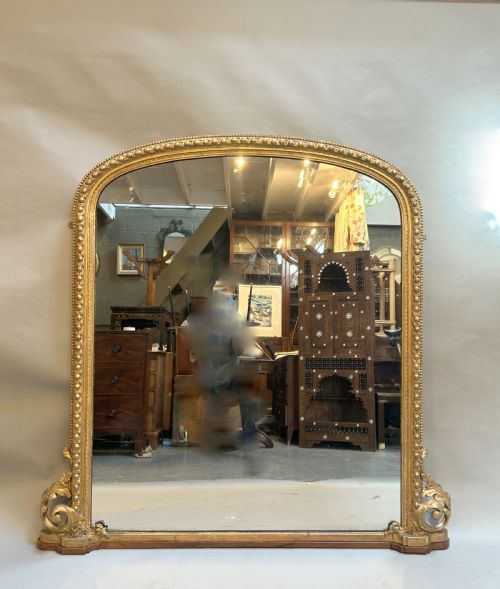
Traditional Gilt Fireplace Mirror
Traditional gilt fireplace mirror designs bring warmth and light to a room, functioning as grand overmantels that anchor a hearth.
Traditional Gilt Fireplace Mirror
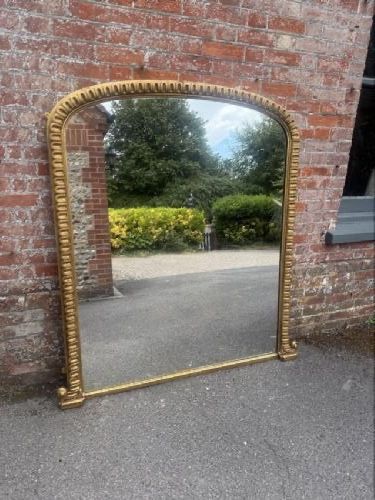
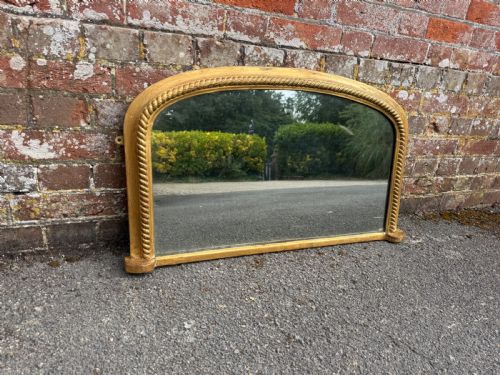
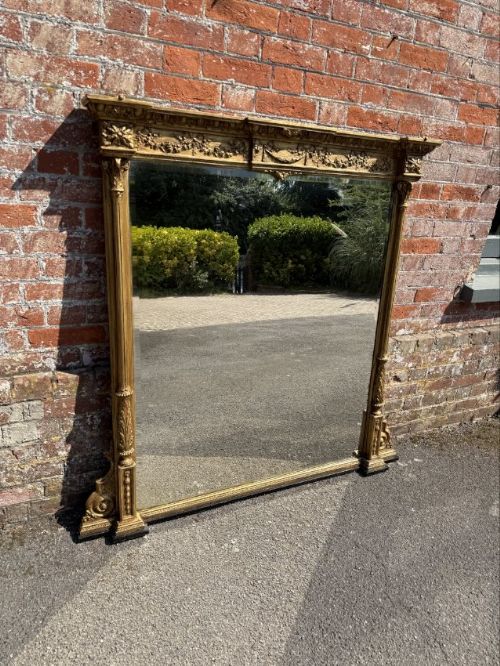
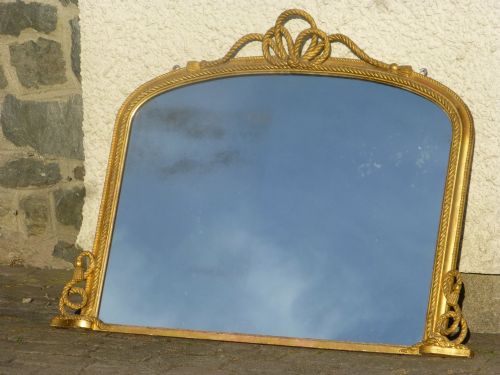
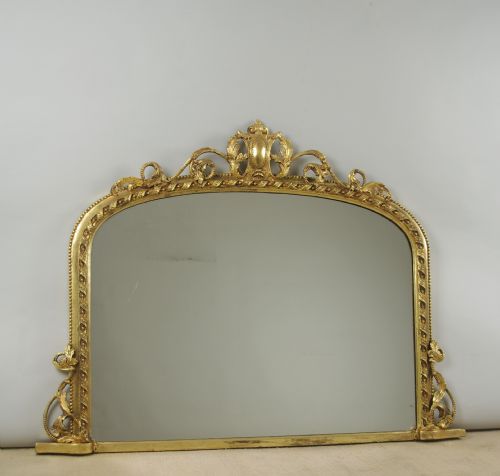
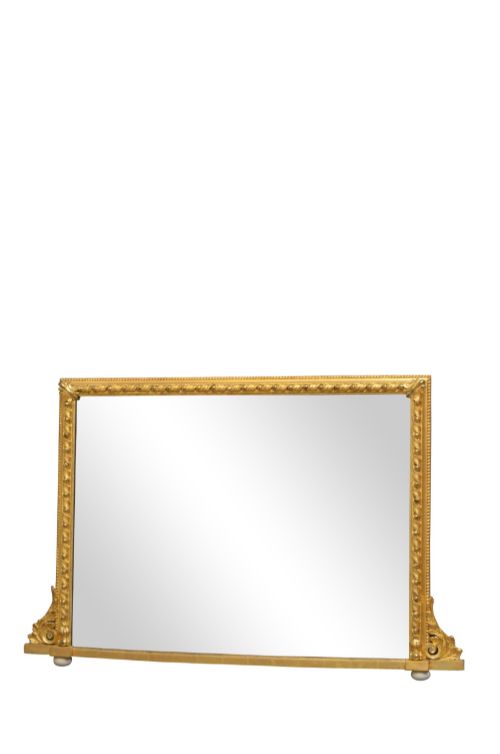
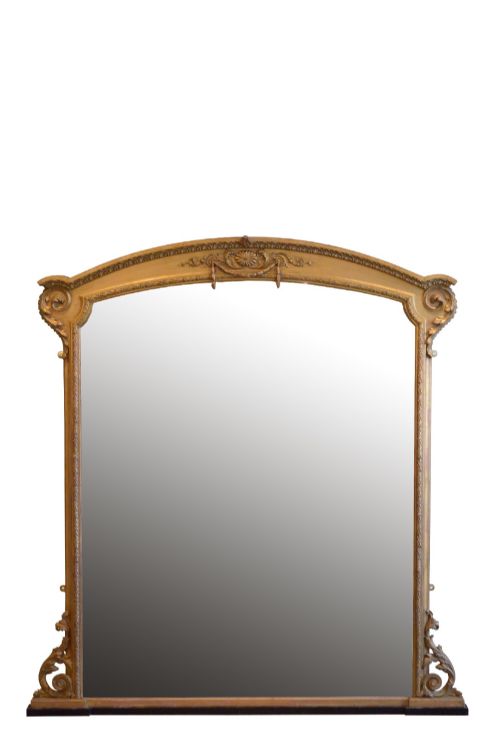
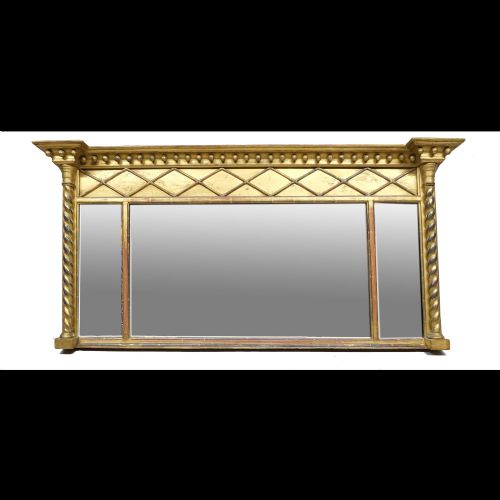
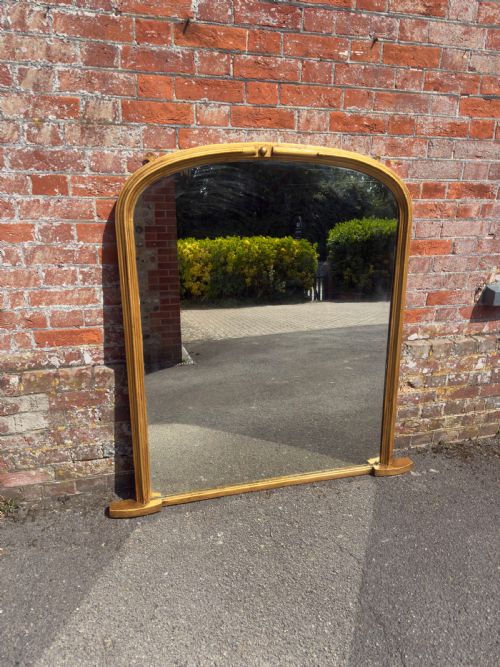
A traditional gilt fireplace mirror is typically encountered as a large overmantel mirror designed to sit directly above a chimney breast. These pieces span the Victorian and Regency periods, with nineteenth-century examples forming the majority of the selection on this page. Common configurations include arched tops, rectangular frames, and column-supported designs intended to reflect light across a principal room.
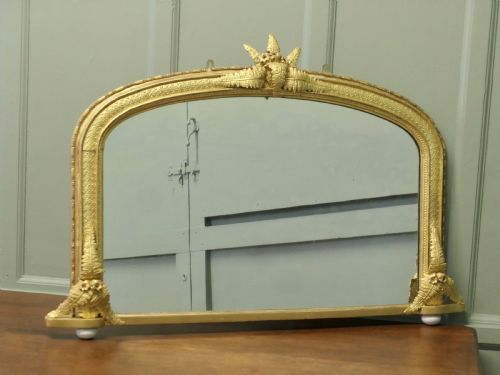
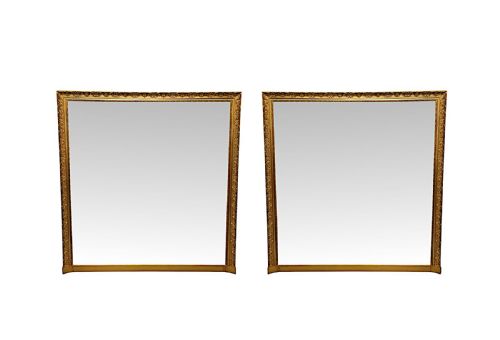
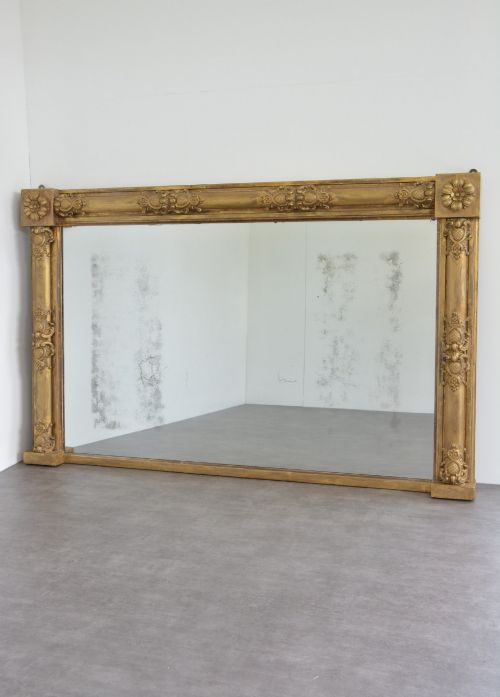
The objects listed range from ornate French Rococo Revival styles to simpler architectural frameworks incorporating carved wood and gesso. Overmantel mirrors vary considerably in scale, from neat proportions suitable for smaller hearths to expansive frames measuring well over a metre in height. Wall mirrors also appear alongside these traditional overmantel forms, maintaining the same gilt finish.
Makers and craftsmen of the nineteenth century produced these mirrors using established regional traditions, frequently applying gold leaf or composition ornament over carved wooden carcases. The prevalence of nineteenth-century dates across the inventory indicates a strong representation of Victorian production, alongside occasional early twentieth-century interpretations.
How they were made
Makers constructed the primary frames of these mirrors from carved wood, such as oak or softwoods, forming a stable skeletal structure. Applied ornamentation often utilised composition, a pliable mixture of whiting, resin, oil, and glue pressed into moulds to create intricate relief details like rope twists or floral motifs.
Gilding was achieved by applying thin layers of gold leaf or gilt paint over a prepared ground of gesso, a chalk and glue mixture layered onto the carved timber. This surface preparation allowed artisans to achieve a bright metallic sheen that could be burnished or left with a matte texture.
Mirror glass was set into the rebate of the frame, occasionally displaying original characteristics such as foxing or light age-related speckling. Backing boards of timber secured the glass plate within the heavy framework.
Listings feature nineteenth-century overmantel mirrors constructed from carved wood, gesso, and giltwood, spanning Victorian and Regency styles.
What varies in quality
The depth and crispness of the carved wood and moulded composition determine the visual fidelity of the frame. Higher quality pieces display sharply defined architectural details, columns, and arched profiles without soft edges or clogged ornament.
The integrity of the original gilding and gesso ground separates superior examples from heavily restored ones. Retained original gold leaf with natural ageing and minimal repainting preserves the authentic character of the period.
The condition of the mirror glass itself influences the overall standard, particularly where original silvering or light foxing remains intact within the heavy wooden framework.
The Traditional Gilt Fireplace Mirror Glossary
- Overmantel mirror
- A large mirror specifically designed to be hung or placed on the mantelpiece above a fireplace.
- Gesso
- A mixture of plaster of Paris or chalk with glue, used as a smooth base for gilding on wood frames.
- Giltwood
- Wood that has been covered with thin sheets of gold leaf or gold paint to give a metallic appearance.
- Foxing
- Age-related spots and browning on mirror glass caused by the breakdown of the silvering behind the plate.
- Composition
- A moulded mixture of whiting, glue, resin, and oil used to create ornamental details on picture and mirror frames.
- Rope twist
- A carved decorative motif resembling the spiral strands of a rope, commonly found on nineteenth-century frames.
Traditional Gilt Fireplace Mirror: Frequently Asked Questions
How do I hang a heavy overmantel mirror?
These large mirrors require secure fixings anchored directly into the masonry or heavy studs of the chimney breast. Professional installation is strongly recommended due to the substantial combined weight of the timber frame and glass plate.
Weight distribution must be carefully managed using heavy-duty brackets or wall plates that support the base of the frame while securing the top against the wall.
Can these mirrors rest safely on a mantelpiece?
Many overmantel mirrors were historically designed to rest directly on the mantel shelf while being anchored to the wall for stability. The weight of the frame keeps it grounded, but wall fixings are essential to prevent tipping.
Felt pads or protective spacers can be placed beneath the frame corners to prevent damage to marble or wooden mantel surfaces.
What is foxed glass on an antique mirror?
Foxing refers to the natural oxidation and degradation of the silver backing behind the glass over decades. This creates characteristic dark spots, clouding, and mottled patches across the reflection.
Collectors often value original foxed glass because it confirms the antiquity of the mirror plate and adds soft, atmospheric character to the reflection.
How should I clean a giltwood frame?
Dusting should be performed gently with a soft, dry brush to avoid dislodging delicate composition ornaments or fragile gold leaf. Liquid cleaners and abrasive cloths must be avoided entirely.
Moisture can damage the underlying gesso and wood, so any cleaning should remain strictly dry and minimal to preserve the historic surface finish.