


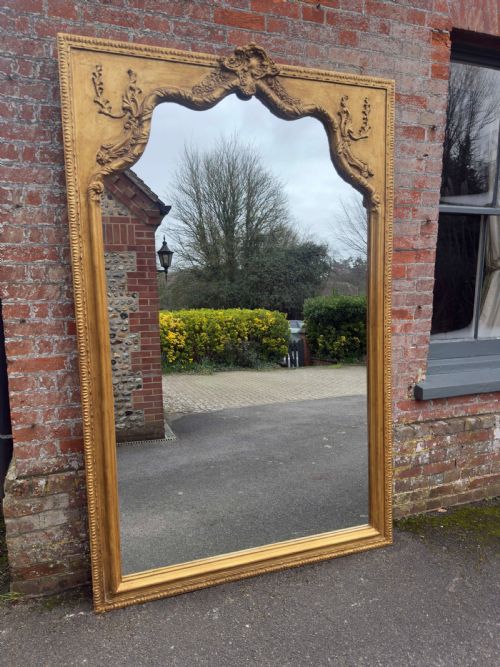


Victorian Gilt Full Mirror
These Victorian gilt full mirror pieces are grand vertical looking glasses designed to reflect light and space, commanding attention in any interior.
Victorian Gilt Full Mirror
When searching for a victorian gilt full mirror, a buyer is examining tall vertical looking glasses designed to reflect light and space in principal rooms. These pieces appear as wall mirrors, leaner mirrors, pier mirrors, and cheval mirrors spanning the nineteenth century.
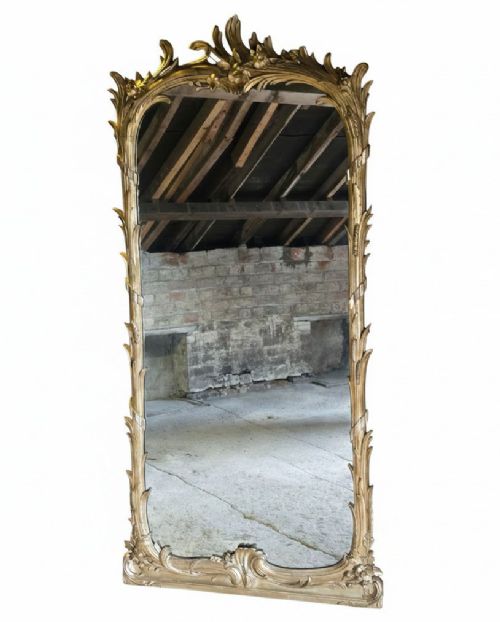
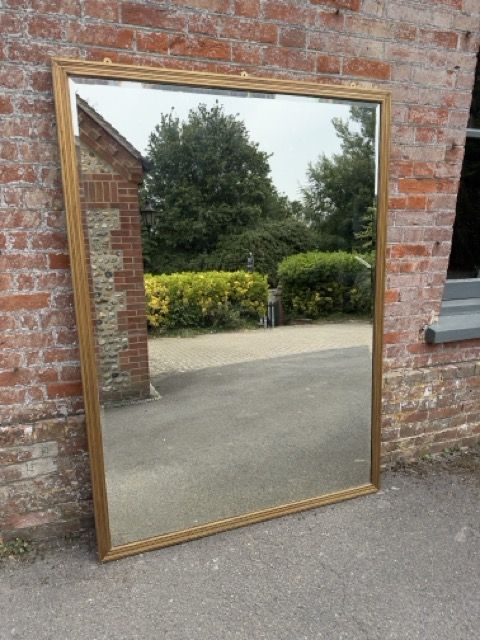
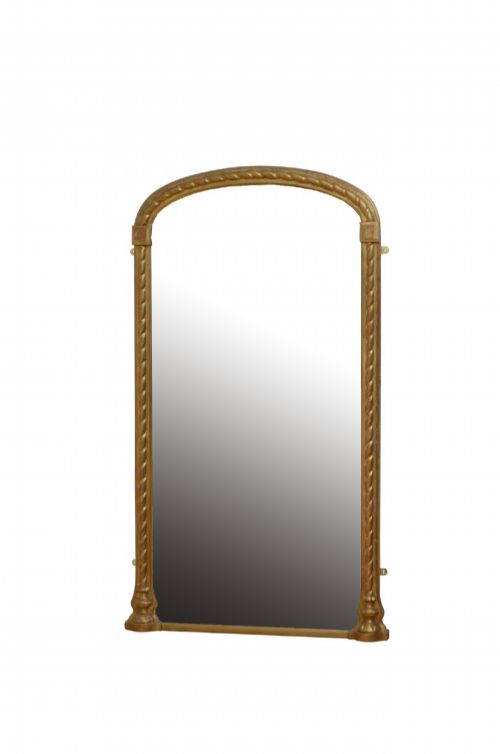
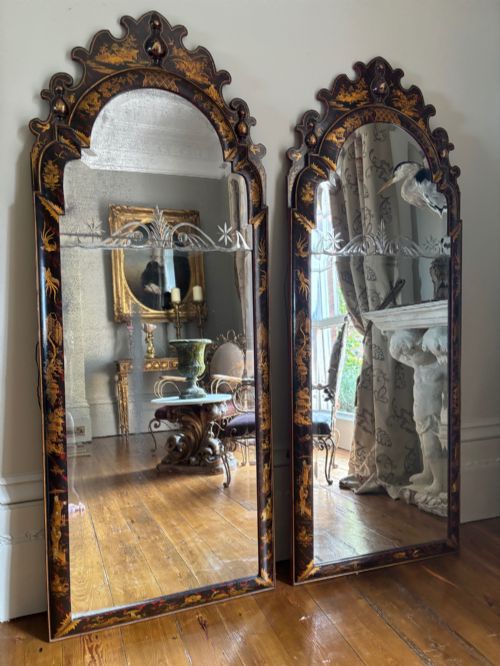
The version most commonly met on this page is the large wall mirror or leaner mirror, often featuring an arched, shaped top, or rope carving. English and French workshops produced these grand statement pieces in heights reaching floor level for full length reflection.
Period variations span from mid nineteenth century examples to items dated around eighteen eighty and nineteen hundred. Styles stretch across Victorian, French Rococo Revival, Neoclassical, Queen Anne Revival, Italian Rococo Revival, and Louis Philippe designs.
Materials and construction
Makers built these frames using carved wood, timber, and lacquered wood as a foundational structure. Applied gesso provided the smooth base required for detailed ornamentation and relief work.
Gilding was achieved using gold leaf, gilt, and giltwood finishes to create a brilliant metallic sheen. Heavy mirror glass and silvered glass plates were then set securely within the ornate surrounds.
One overpainted hall mirror hides its early gold beneath layers of history, waiting patiently for a bright future.
Judging quality and craftsmanship
The finest examples display deeply carved wood and gesso detailing executed by hand, rather than shallow or uniform machine moulding. Crisp definition in motifs such as rope carving or Rococo scrolls elevates a piece above standard production.
Proportion and scale dictate the visual impact of the glass, with taller leaner and cheval formats requiring robust joinery to support heavy mirror plates. The integrity of the original giltwood surface, whether bright gold leaf or mellowed over time, determines the distinction of the work.
The Victorian Gilt Full Mirror Glossary
- Giltwood
- Wood that has been coated with gold leaf or a gold coloured finish. This material forms the primary decorative surface for many nineteenth century looking glasses.
- Gesso
- A plaster mixture applied to wood frames to create a smooth surface for carving and gilding. It allows for intricate raised ornamentation.
- Cheval mirror
- A freestanding full length mirror mounted in a frame that allows it to swing or tilt. These pieces often serve dressing room and bedroom functions.
- Pier mirror
- A tall narrow mirror designed to hang on the wall between windows, often placed above a pier table or console. They maximise natural light in Victorian interiors.
- Leaner mirror
- A large tall mirror designed to rest against a wall without being hung. These substantial pieces provide full length reflection.
Victorian Gilt Full Mirror: Frequently Asked Questions
Where should I place a full height mirror?
These tall mirrors suit principal reception rooms, halls, and dressing spaces where vertical emphasis enhances the room. Position them to reflect windows and draw maximum natural light into the interior.
Leaner formats work well placed directly on the floor against a solid wall, whilst wall hanging versions anchor spaces above console tables or fireplaces.
What is the difference between a pier and leaner mirror?
Pier mirrors were traditionally constructed in narrow proportions to fit the wall space between two windows. Leaner mirrors are typically broader and heavier, designed to stand directly on the floor.
Both forms utilise tall vertical frames to create a full length reflection, though pier mirrors often incorporate console elements.
How do I identify a nineteenth century gilt mirror?
Examine the construction materials beneath the surface, looking for timber frames coated in gesso and gold leaf rather than modern synthetic resins. Hand carved details and period glass plates with minor ageing signs offer strong indicators of nineteenth century origin.
Stylistic cues such as Louis Philippe arches, French Rococo Revival scrolls, or Victorian rope carvings further help date the piece.
Can these mirrors be freestanding?
Certain forms, particularly cheval mirrors, are specifically engineered as freestanding items with pivoting frames supported on legs. Wall and leaner mirrors are intended to be supported by the vertical structure of a room.
Leaner mirrors rely on their substantial weight and floor contact to remain stable against a wall.