

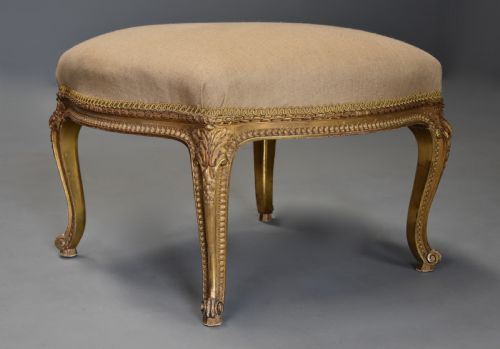


Antique Gilt Ottoman
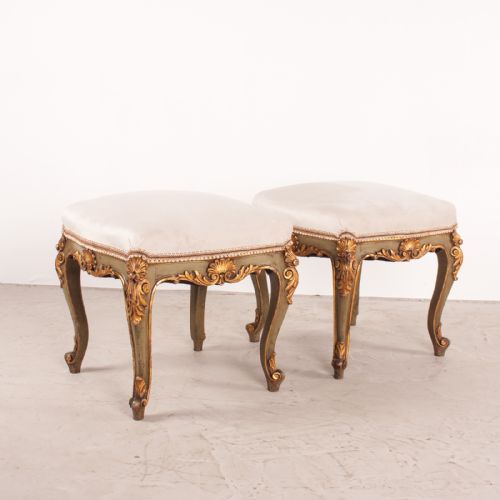
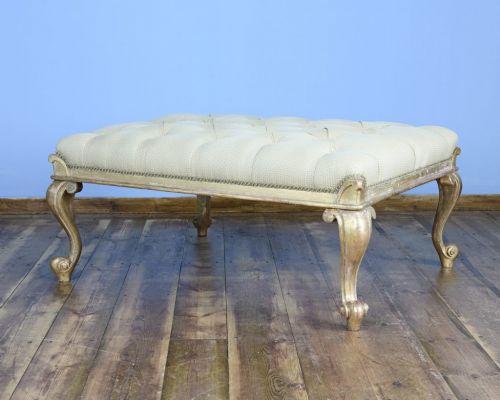
An antique gilt ottoman brings nineteenth-century French and English splendour to a room through carved wood, gold leaf and rich upholstery.
Antique Gilt Ottoman
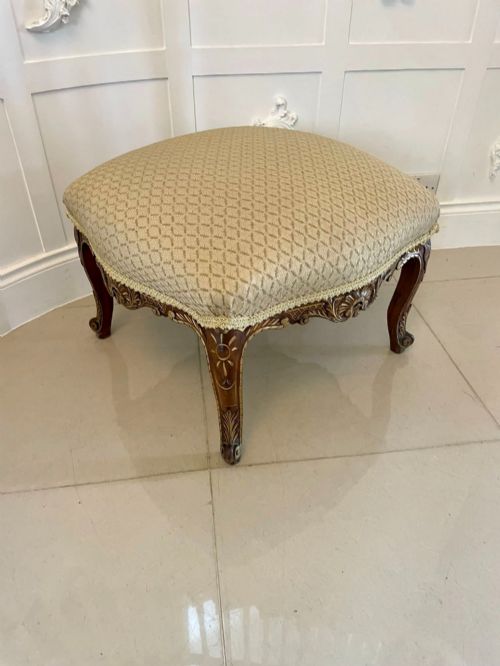
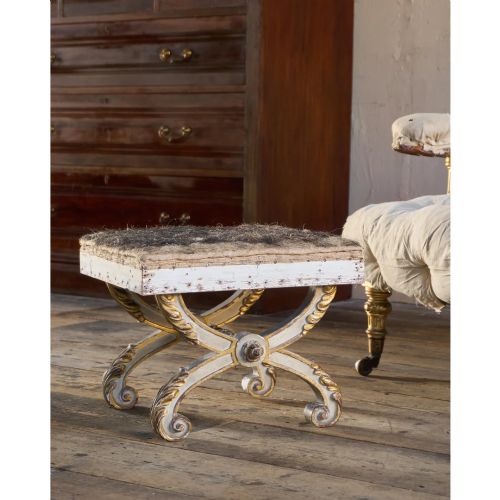
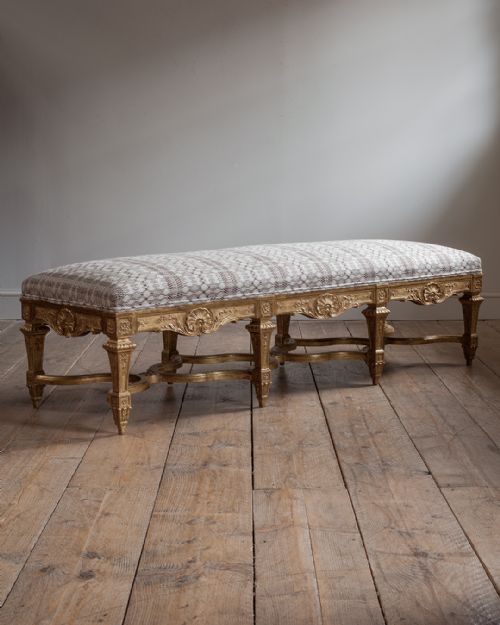
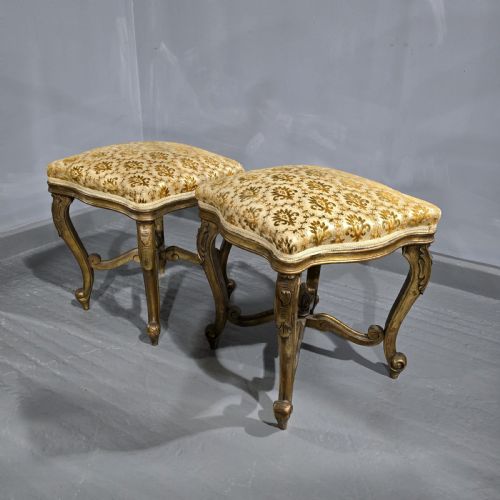
When you search for an antique gilt ottoman, you encounter a selection centred heavily on nineteenth-century French and English giltwood stools, footstools and window seats. These pieces range from compact curule frames to grand Victorian and Regency seating.
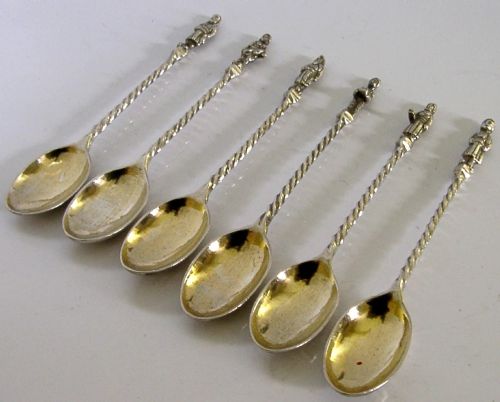
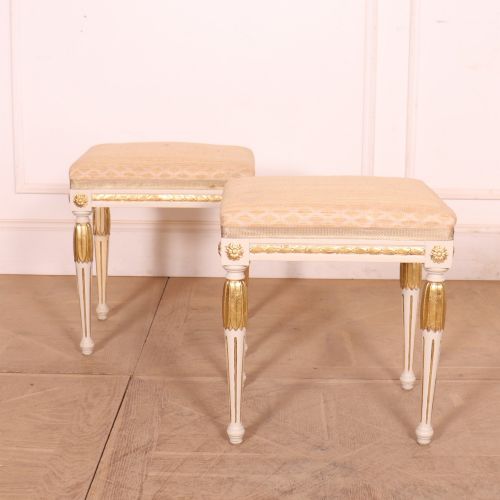
The evidence shows forms spanning the nineteenth century, including Louis style revivals, Swedish painted items and occasional related objects like solid silver spoons or framed prints. Stools and footstools dominate the offerings entirely.
How they were made
Carved wood provides the primary structural foundation, utilising walnut, painted timber and giltwood shaped by hand. Craftsmen applied gold leaf and gesso to achieve the characteristic metallic finish.
Upholstery completes the pieces, employing fabrics such as velvet, silk and general textiles often fastened with deep buttoning or traditional padding methods.
Alongside grand giltwood seating, the selection includes an eighteenth-century flintlock pistol and Meissen salt bowls featuring tiny Turkish figures.
What varies in quality
The standard of carving determines much of the visual distinction, separating sharply detailed floral or neoclassical motifs from simpler moulded surfaces. Crisp depth in the woodwork separates standard output from superior pieces.
Makers' stamps and attribution elevate certain items, alongside the preservation of original gilding and period textile upholstery versus later replacements.
Miles and Edwards·Loidrault Freres Paris·A.M.E. Fournier
The Antique Gilt Ottoman Glossary
- Giltwood
- Wood coated with gold leaf or gold paint to give a metallic appearance. This finish characterises the majority of frames listed under this search.
- Curule stool
- An ancient X-shaped seat design revived during the nineteenth century. Makers constructed these with crossing legs for strength and classical elegance.
- Parcel gilt
- Woodwork partially gilded with gold leaf alongside exposed painted or natural timber surfaces. This technique highlights specific carved details on nineteenth-century frames.
- Gesso
- A plaster mixture applied to wood surfaces as a preparation for gilding. It allows craftsmen to create sharp, relief-moulded ornamentation beneath the gold leaf.
Antique Gilt Ottoman: Frequently Asked Questions
What is an antique gilt ottoman?
An antique gilt ottoman or giltwood stool is a nineteenth-century seat featuring a carved wooden frame covered in gold leaf or paint. These pieces were designed for drawing rooms and formal spaces.
They appear primarily as footstools, window seats and low benches upholstered in fabrics like velvet or silk. Many follow French revival styles popular during the Victorian and Regency eras.
How do I date an antique gilt stool?
Dating relies on stylistic clues, construction methods and materials recorded in the woodwork. Pieces often align with specific periods such as the Georgian, Victorian or nineteenth-century French reigns.
Maker stamps or attribution marks provide the most precise dating evidence when present. Stylistic revivals like Louis XV or Neoclassical indicate the design inspiration behind nineteenth-century craftsmanship.
Where were these pieces used historically?
These gilt stools and benches served as functional and decorative seating in wealthy nineteenth-century drawing rooms and parlours. They accompanied larger chairs and sofas for resting feet or accommodating extra guests.
Window seats found placement in long hallways or beside tall nineteenth-century casements. Their ornate carved frames ensured they contributed to the formal interior aesthetic even when unoccupied.
How do I care for giltwood?
Giltwood requires gentle maintenance to protect the fragile gold leaf and underlying gesso from damage. Dusting should occur with a dry, soft brush rather than harsh cleaning cloths.
Keeping these pieces away from direct sunlight and moisture prevents the wood from warping and the metallic finish from flaking. Proper placement preserves the original nineteenth-century surface integrity.