
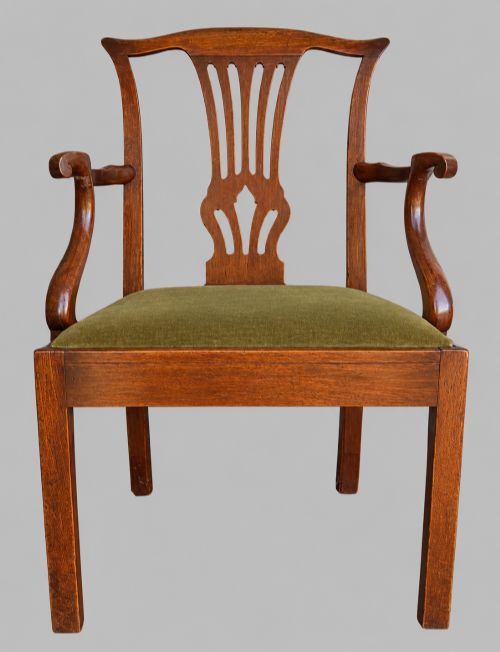
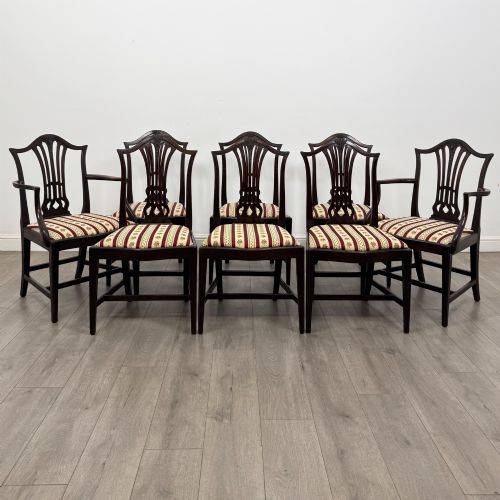
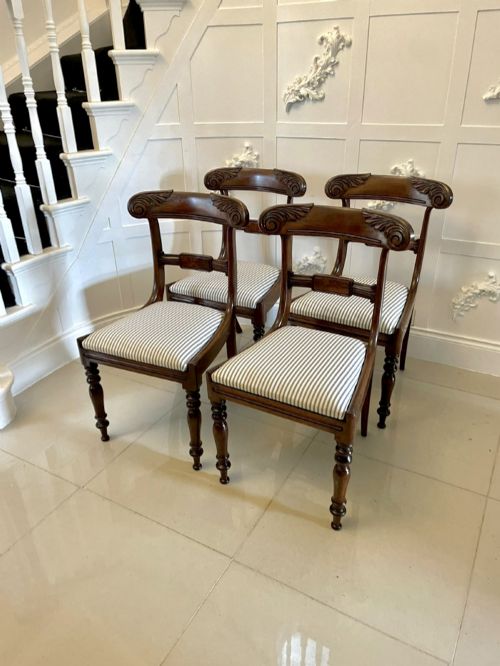
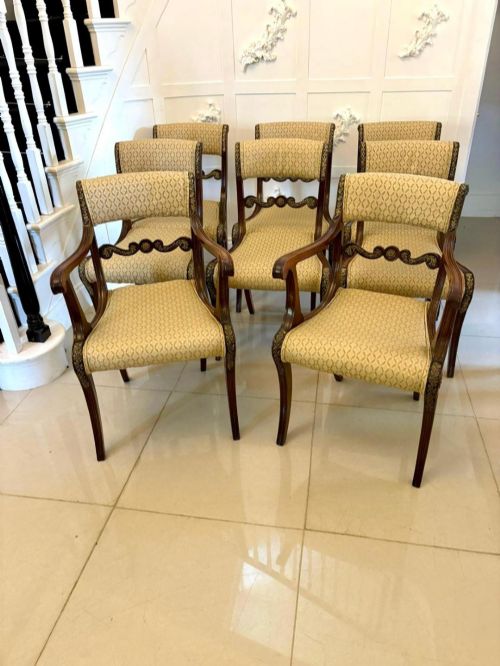


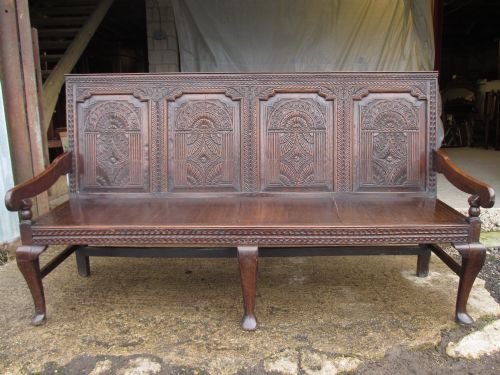
Georgian Carved Seat
A georgian carved seat brings solid timber and centuries of form straight into a room, offering practical seating loaded with period character.
Georgian Carved Seat
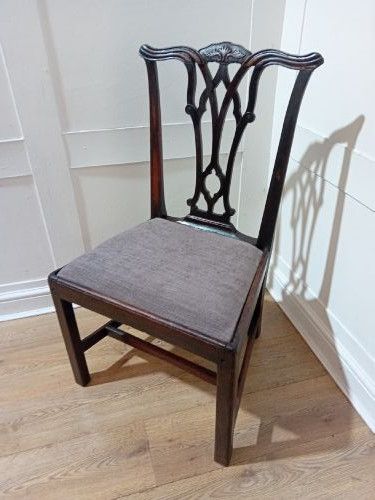
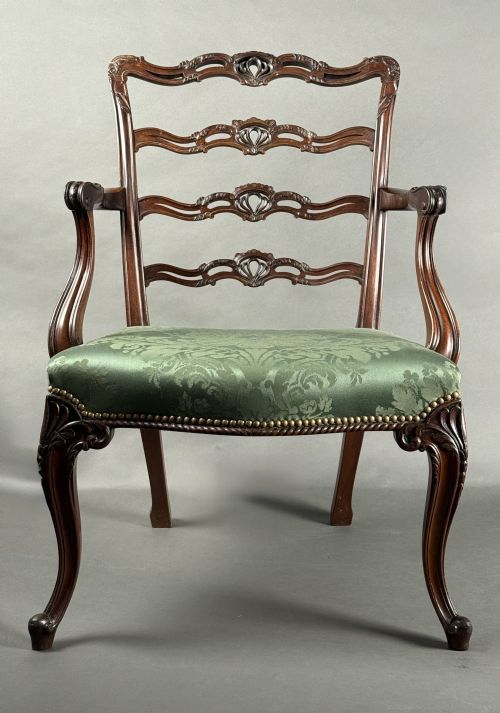
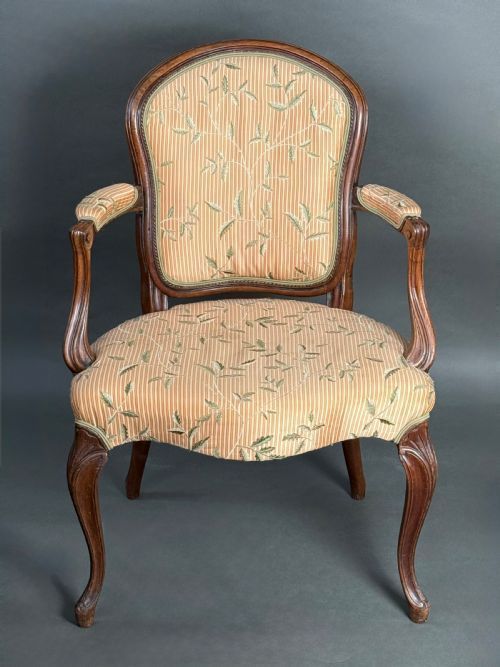
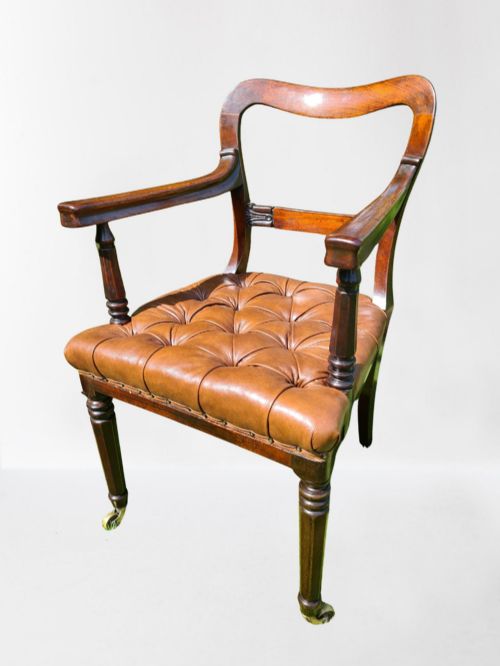
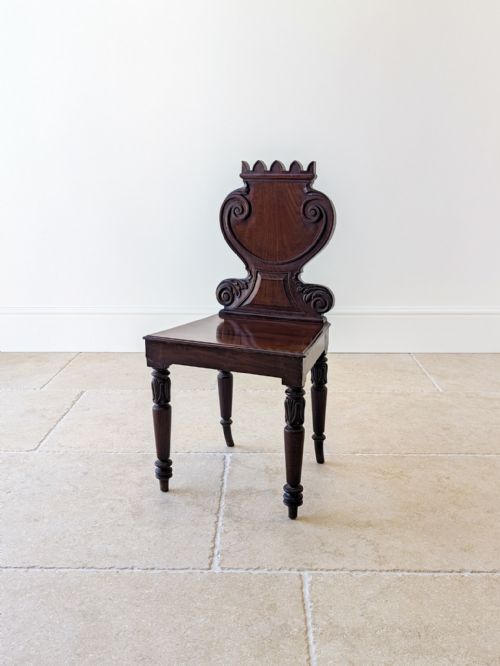
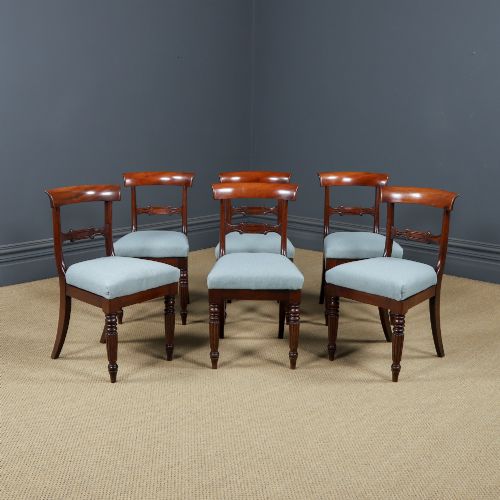
When you search for a georgian carved seat, you find dining chairs, armchairs, hall chairs, benches, settles and stools stemming from the eighteenth century onwards. Mahogany forms the backbone of these listings, alongside walnut, oak, elm and rosewood.
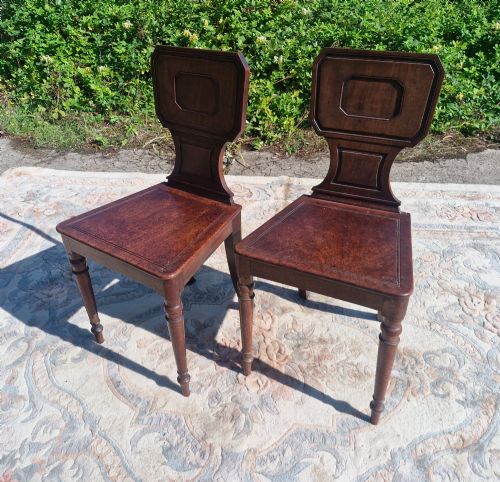
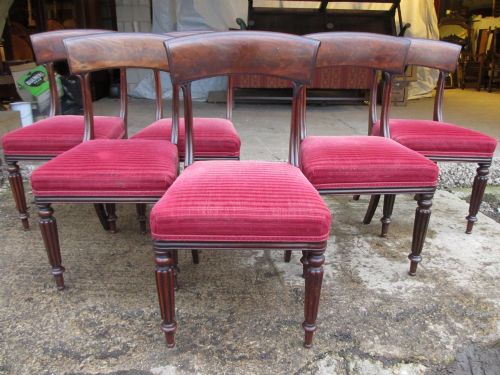
The version you meet most often on this page is the mahogany dining chair or hall chair from the nineteenth or eighteenth century, often reflecting Regency or George III tastes. Stools, footstools and window seats also appear, alongside larger oak settles.
Makers and workshops from various eras influenced these forms, producing everything from shield-back dining sets to heavy library armchairs. The styles span Hepplewhite, Chippendale, William IV and Regency designs.
How they were made
Makers shaped these pieces predominantly from dense hardwoods like mahogany, walnut and oak, relying on solid timber frames joined for daily strength. Elm and red walnut also appear in regional pieces.
Decoration relied on hand carving directly into the wood of the backsplats, shield backs or chair rails, sometimes supplemented by brass inlay or turned elements. Upholstered variants incorporated fabric, leather or velvet over supportive fillings.
Georgian Carved Seat Retail Price Guide 2026
Typical asking prices for georgian carved seat among the pieces listed under this phrase on Sellingantiques today, from the lower quarter to the upper quarter. They describe what is for sale here now, not the wider market.
Some oak settles double as storage chests, hiding boots and blankets beneath the seat while you sit.
What varies in quality
The crispness and depth of the timber carving set different examples apart, as skilled hands produced sharper details and more balanced proportions on the crest rails and splats. Wood selection also matters, with richly figured mahogany or walnut elevating the presence of a chair or bench.
Integrity of construction defines the upper tier, where original frames remain tight and unaltered by later repairs or heavy restoration. Sets matching in timber and form carry greater distinction than assembled groups.
Gillows·Whytock & Reid
The Georgian Carved Seat Glossary
- Settle
- A wooden bench with high back, solid arms and sometimes a coffer base for storage. They typically stood in hallways or near hearths to block draughts.
- Bar back
- A chair featuring a horizontal carved wooden bar across the upper backrest instead of a vertical splat. This form appears frequently in nineteenth-century seating.
- Library chair
- A wide, upholstered armchair designed for reading rooms and studies, often featuring padded arms. Examples from the Georgian period frequently use mahogany or walnut.
- Gainsborough armchair
- An open-framed upholstered armchair with padded armrests and straight wooden legs, popular during the mid-eighteenth century. These pieces usually accommodate desk or library use.
Georgian Carved Seat: Frequently Asked Questions
How do I identify a George III chair?
George III pieces date from the mid to late eighteenth century and typically display classical carved mahogany forms with straight or cabriole legs.
Look closely at the splat design and timber grain to distinguish them from later nineteenth-century revivals.
What is a hall chair used for?
Hall chairs served as functional, formal seating in grand entranceways, designed more for architectural presence than prolonged lounging.
They are almost entirely carved wood without upholstery, often featuring painted or carved family crests on the back.
How do I care for antique mahogany seating?
Keep wooden seats away from direct heat sources and dramatic humidity shifts to prevent the timber and glue joints from drying out.
Apply traditional beeswax occasionally to nourish the polished surface rather than modern silicone sprays.
Are settles and benches comfortable?
Settles offer upright wooden support designed originally to keep sitters clear of cold draughts in old hallways and kitchens.
Adding a loose squab cushion in a suitable textile makes them practical for modern seating without altering the frame.