


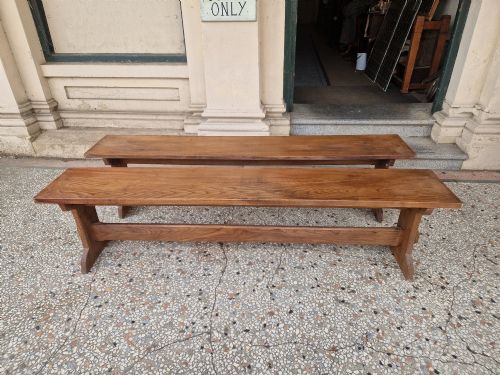

Solid Wood Hall Seat
A solid wood hall seat offers a striking welcome to any entrance, bringing historic timber and formal design together in a practical hallway furniture piece.
Solid Wood Hall Seat
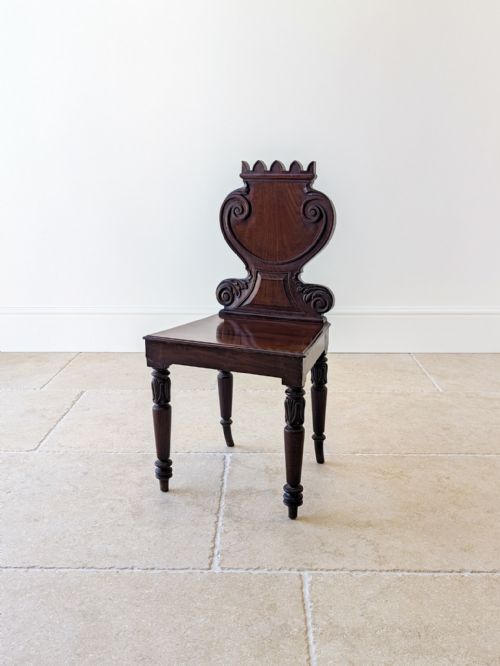
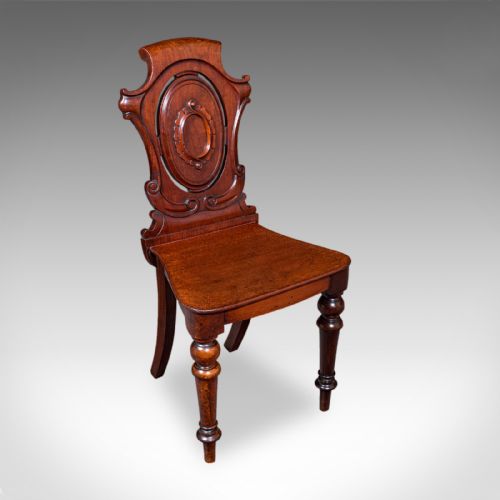
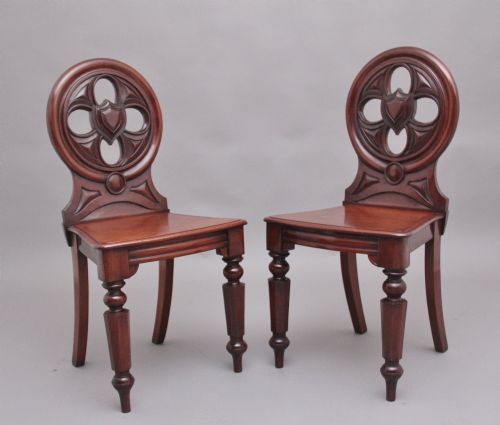
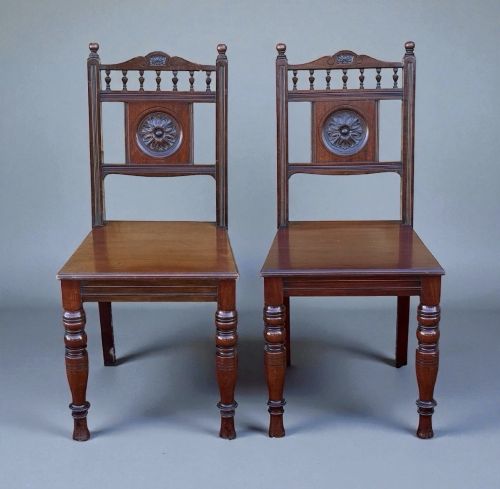
A solid wood hall seat primarily takes the form of a rigid, upright hall chair designed for periodic sitting in an entranceway rather than prolonged lounging. These items emerge from various eras including the Georgian, Regency and Victorian periods, reflecting the shifting formal tastes of British and European domestic interiors.
Buyers will frequently encounter timber versions constructed from mahogany and oak, alongside occasional walnut, cherrywood and satinwood alternatives. The selection spans single reception seats through to matched pairs and larger sets intended for grander hallways.
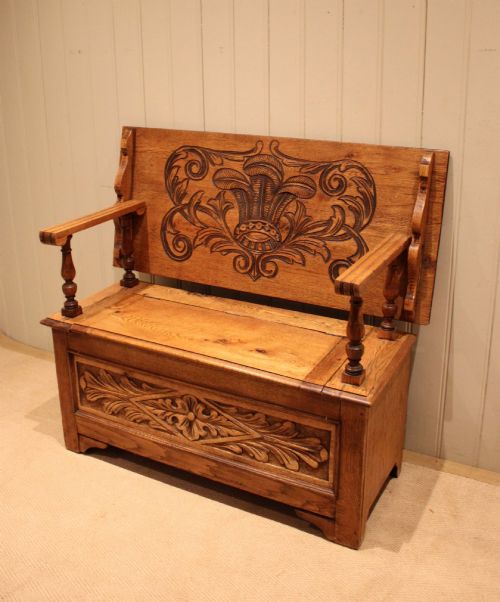
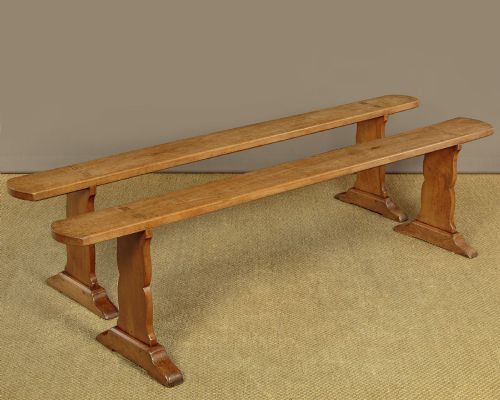
Alternative configurations include monks benches, settles and occasional side seats that share the same sturdy wooden construction and upright posture. Each piece displays distinct regional and stylistic traits, from Scottish walnut examples to English carved mahogany designs.
Construction and Materials
Cabinet makers utilised dense hardwoods such as mahogany and oak to withstand the heavy wear associated with entranceways. Selected timbers were often heavily carved, turned or inlaid with contrasting materials like brass to accentuate the grain and form.
Joinery techniques relied on rigid frame construction, solid panel inserts and sturdy jointing methods to ensure the seat and back remained stable under daily use. Surface finishes typically involved traditional polishing or waxing to protect the wood while highlighting its natural tone.
Solid Wood Hall Seat Retail Price Guide 2026
Typical asking prices for solid wood hall seat among the pieces listed under this phrase on Sellingantiques today, from the lower quarter to the upper quarter. They describe what is for sale here now, not the wider market.
Many historic hall chairs feature carved depressions in the solid wood seat, hinting at past generations who sat hastily while waiting for carriages.
Distinctions in Quality
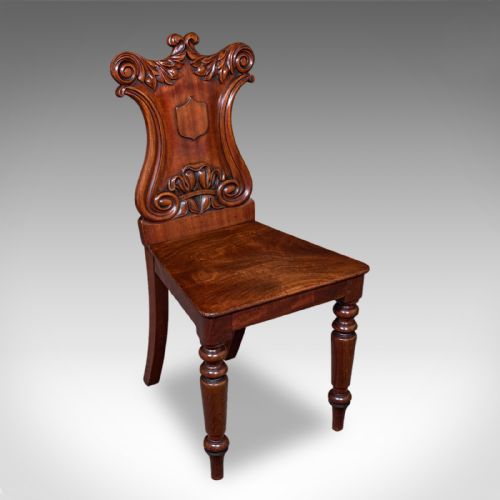
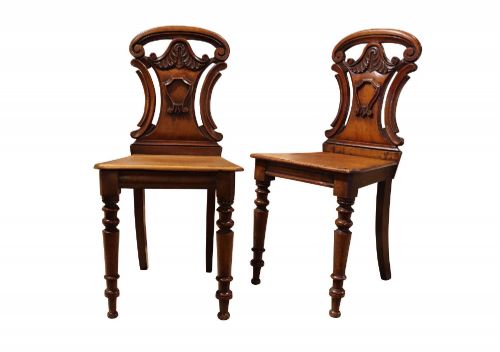
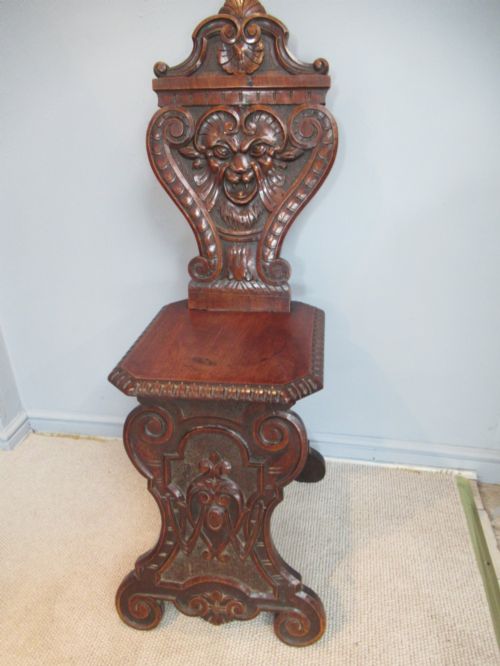
The degree of sculptural carving on the backrest and the crispness of the relief work set finer examples apart from plainer utility seating. Richness of timber figure, such as highly figured mahogany or dense old oak, elevates the visual presence of the piece.
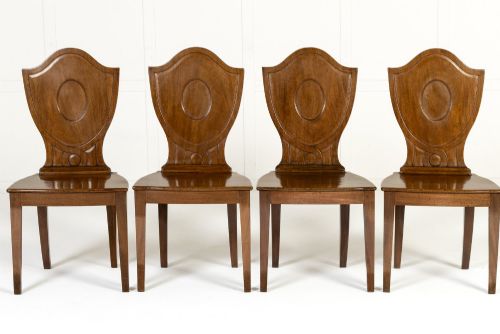
Proportion and structural integrity define the upper tier, where balanced proportions meet uncompromised timber thickness throughout the frame. Finer items often exhibit sophisticated stylistic details like shield backs, pelta motifs or precise brass inlay work.
The Solid Wood Hall Seat Glossary
- Hall Chair
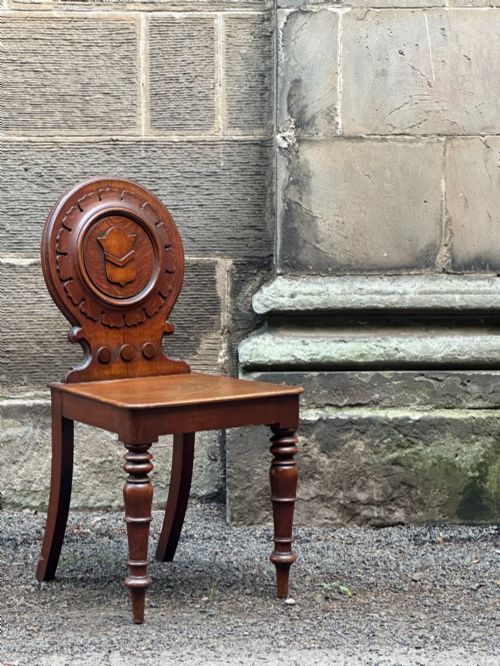
- A rigid, wooden seat placed in an entrance hall, usually featuring a solid timber seat and a decorative carved backplate bearing family crests or motifs.
- Shield Back
- A chair back shaped like a heraldic shield, popular during the Georgian and Victorian periods for formal reception seating.
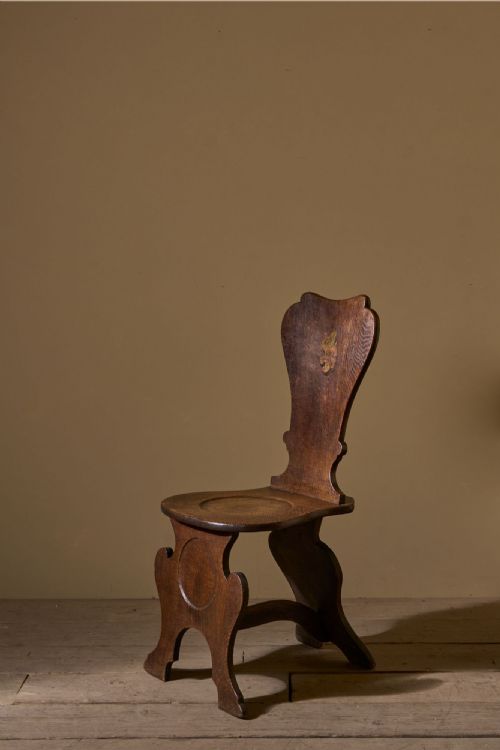
- Sgabello
- An early Renaissance-style chair form featuring a wooden seat supported by two solid trestles or boards rather than standard legs, seen in revival pieces.
- Monks Bench
- A multifunctional wooden seat whose back folds down to form a table surface, combining storage and seating in one compact unit.
- Pelta Back
- A chair back designed in the shape of an ancient Greek shield with curved cut-outs, frequently utilised in Regency and early nineteenth-century seating.
Solid Wood Hall Seat: Frequently Asked Questions
Where were hall seats placed?
These seats stood near the main entrance of a grand home or public building, serving visitors who waited briefly to be announced.
Their upright posture and lack of upholstery discouraged lingering, keeping hallways clear for incoming guests.
Are hall chairs comfortable?
Most antique examples were built with solid wooden seats and straight backs rather than deep cushioning.
They were intended for brief moments of rest rather than long periods of relaxation.
How do I identify a Regency hall seat?
Regency pieces often display classical motifs inspired by ancient Greece and Rome, including carved brass inlay and sculptural wooden frames.
Mahogany was the preferred timber during this era, shaped into clean, architectural lines.
Can I use a hall bench daily?
Solid wood construction makes these pieces remarkably sturdy for everyday use in modern corridors and boot rooms.
Their robust timber frames tolerate regular foot traffic and occasional sitting without difficulty.