

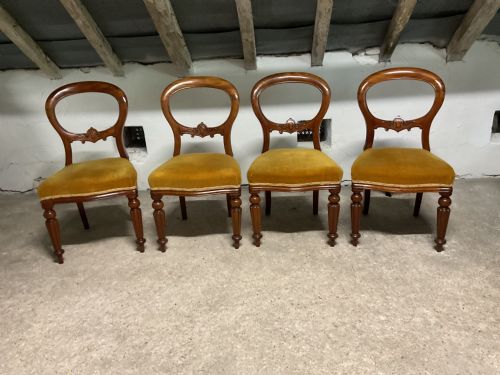
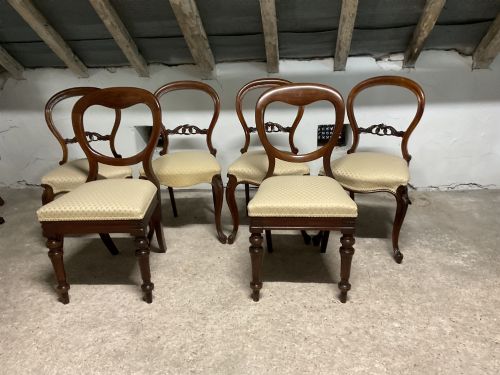
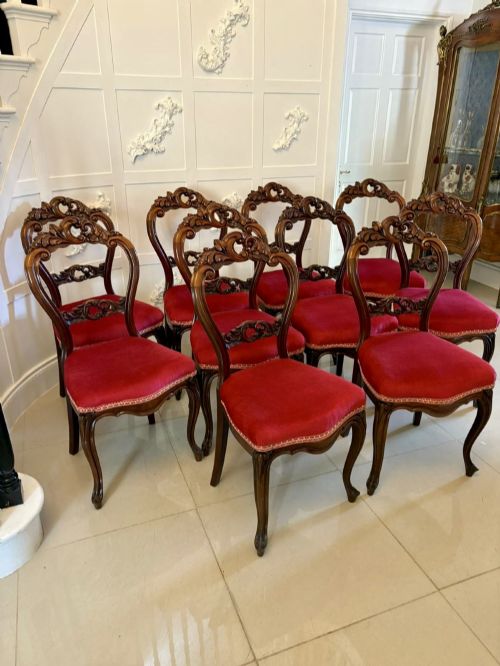
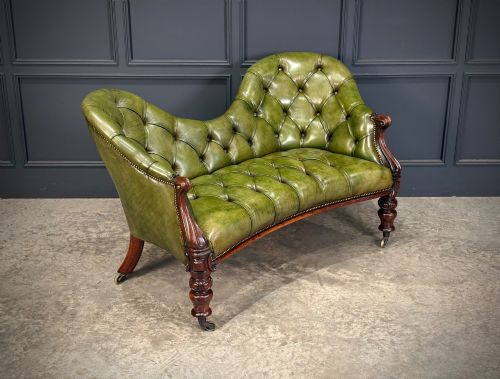
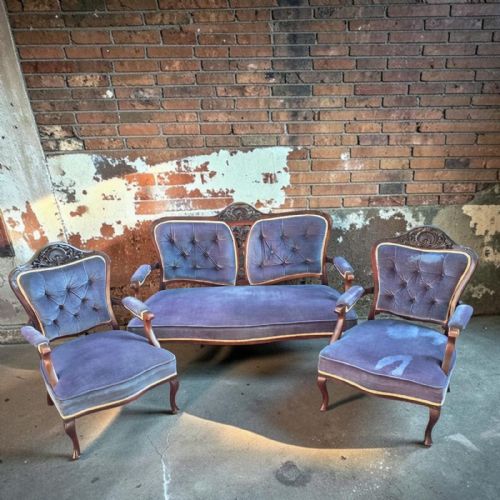
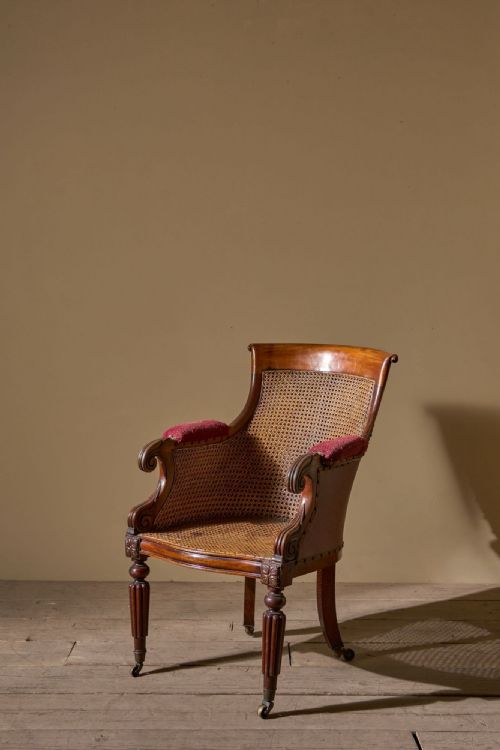
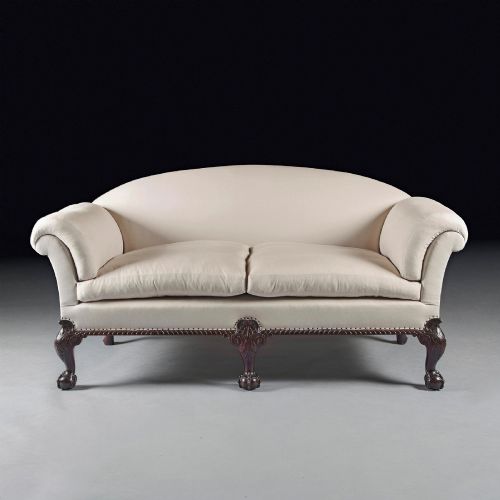
Victorian Carved Mahogany Seat
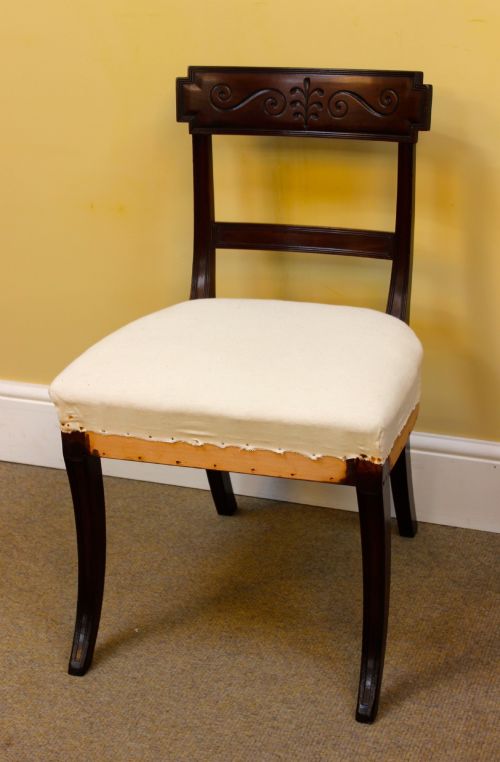
A victorian carved mahogany seat brings sturdy timber and confident nineteenth-century form into a room.
How they were made
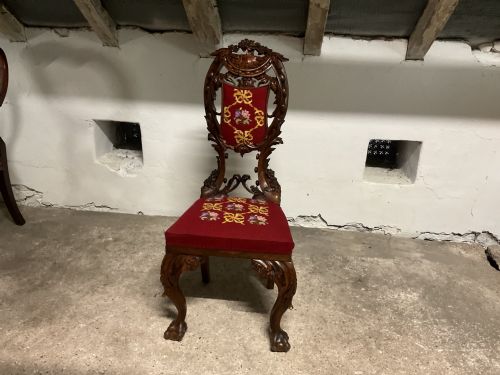
Cabinetmakers worked primarily in dense mahogany, utilising its strength to execute slender carved rails, cabriole legs, and scroll details without compromising the frame. Timber was selected for grain and stability before being joined with traditional methods.
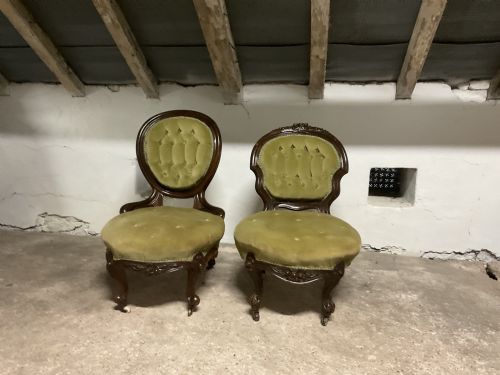
Upholstery techniques varied from drop-in pads to buttoned leather and overstuffed springs covered in damask, velvet, or calico. Secondary materials like brass studs and cane inserts frequently completed the construction.
What varies in quality
The standard of carving distinguishes standard production from exceptional workshop output. Crisply defined scrolls, deep relief work, and clean joinery indicate superior craftsmanship.
Proportion and timber selection dictate overall merit. Heavier, well-figured mahogany combined with harmonious scaling marks the upper tier of surviving examples.
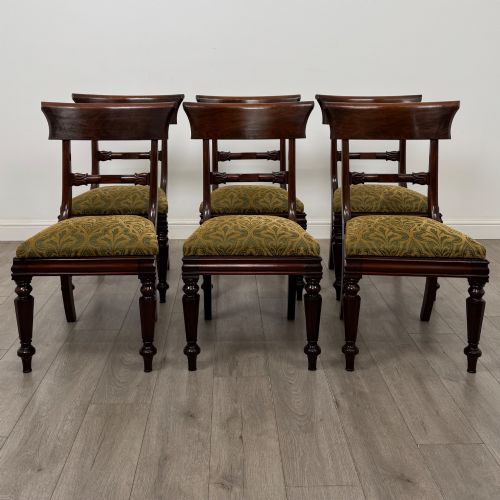
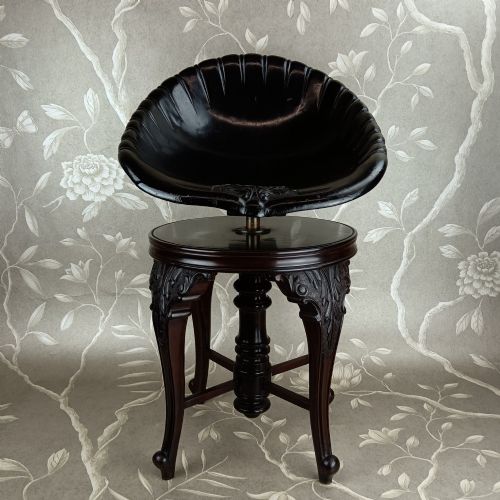
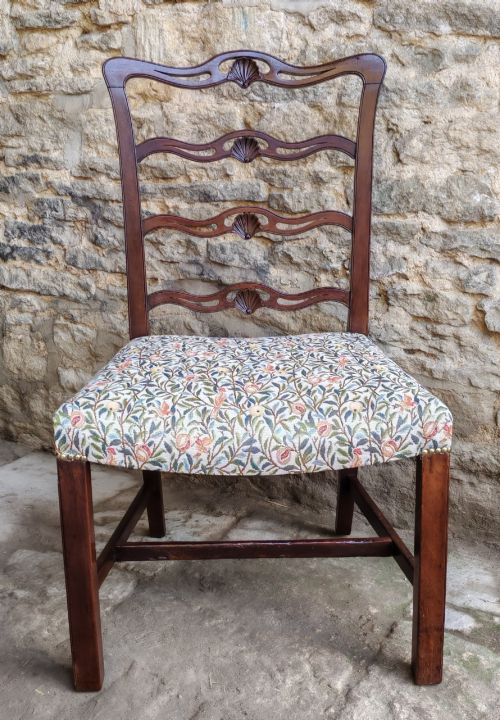
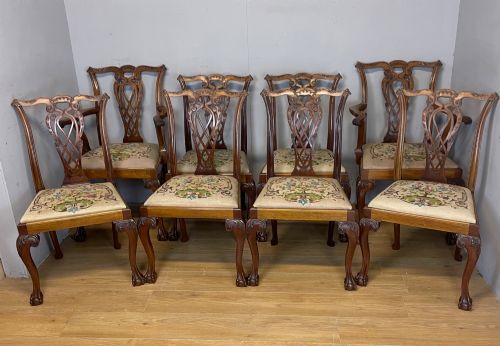
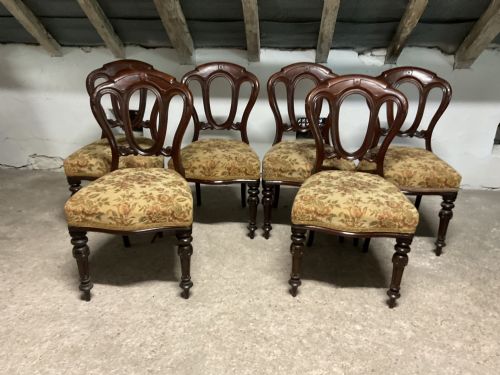
The listings show dining chairs, armchairs, and stools framed in mahogany across several Victorian decades.
Jennens and Bettridge·Warings·Howard and Sons·Jas Shoolbred·Gillows
The Victorian Carved Mahogany Seat Glossary
- Balloon back
- A rounded, oval-shaped chair back resembling a balloon, popular in the Victorian period. This design allowed for comfortable lumbar support.
- Carver
- An armchair, often designed as part of a set of dining chairs to sit at the head of the table. These pieces feature supportive armrests.
- Cabriole leg
- A furniture leg that curves out and then in, mimicking animal limbs. It frequently terminates in carved scroll or ball and claw feet.
- Drop-in seat
- A removable upholstered frame that drops into a rebated opening in the chair rails. This construction method simplified re-covering over generations.
- Overstuffed
- Upholstery where the padding covers the wooden frame entirely around the seat edges. This method provides a softer visual profile.
Victorian Carved Mahogany Seat: Frequently Asked Questions
How do I identify a Victorian chair?
Look for dense mahogany timber, characteristic balloon or spoon backs, and decorative carving styles typical of the nineteenth century.
Construction methods and secondary woods often help confirm the period of manufacture when stylistic cues overlap with later revivals.
Were these seats used in dining rooms?
Many examples formed part of large dining sets intended for formal nineteenth-century entertaining.
Single chairs and smaller seating also served in halls, bedrooms, and libraries rather than at the dining table.
How should I care for mahogany?
Keep wooden frames away from direct heat sources and strong sunlight to prevent the timber from drying out or splitting.
Dust regularly with a dry cloth and occasionally feed the wood with appropriate conservative maintenance products.
Can I mix different chair styles?
Mixing single occasional chairs or contrasting sets works well in eclectic or traditional interiors.
Matching timber tones and similar nineteenth-century proportions help create visual cohesion when pairing diverse seats.