
Carved Throne Armchair
A carved throne armchair brings commanding presence to a room, offering high backs, substantial timber and elaborate ornament rooted in centuries of historic seating design.
Carved Throne Armchair
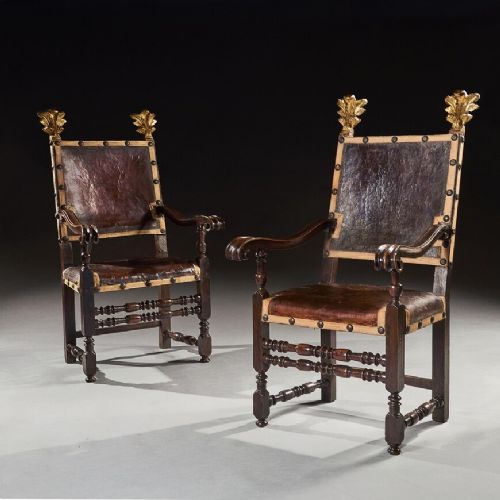
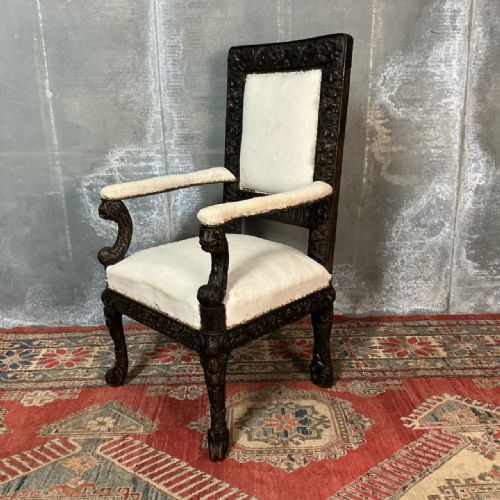
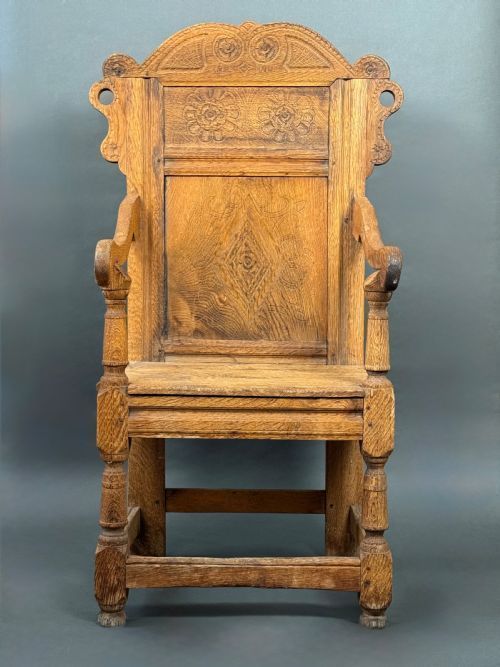
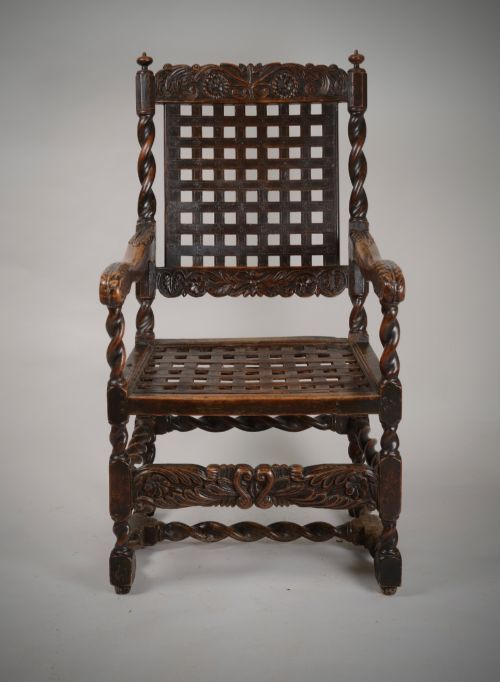
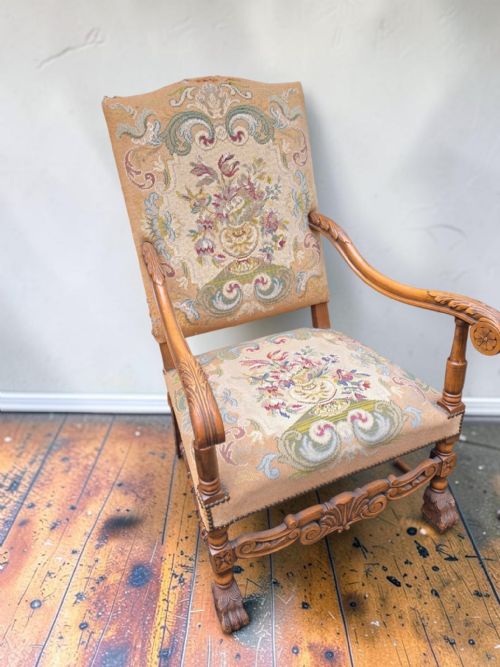
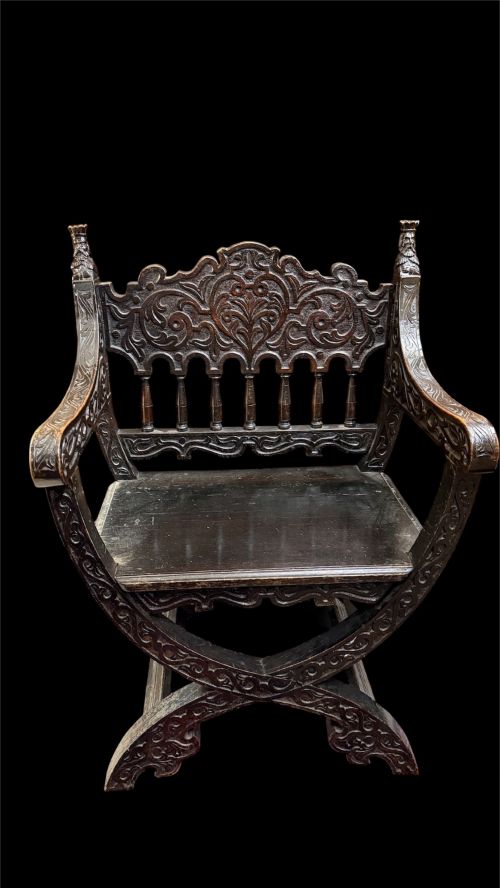
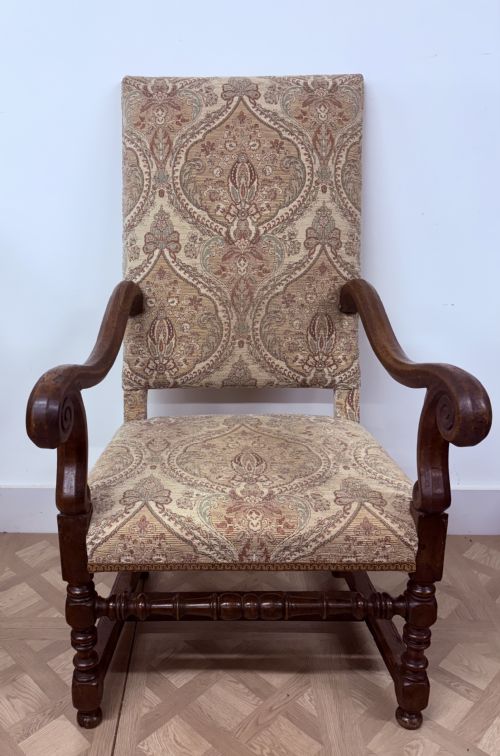
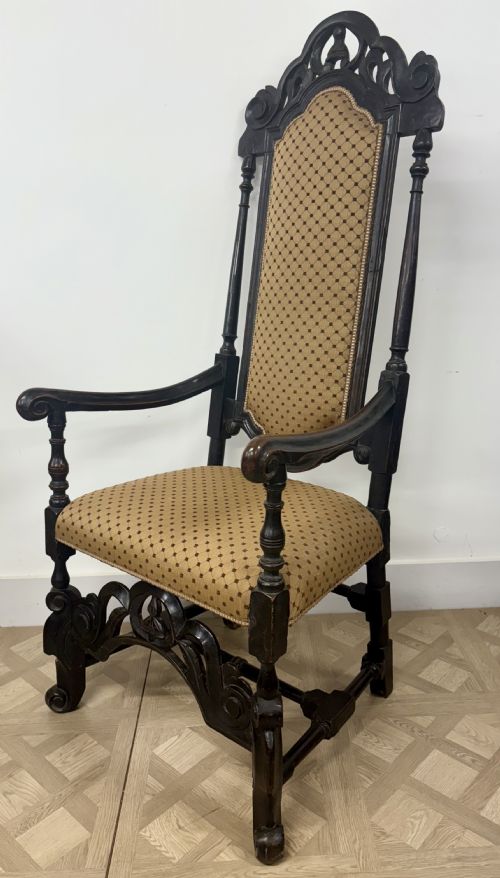
A carved throne armchair represents substantial seating with an elevated back and architectural presence, often historically reserved for figures of authority. Buyers exploring this category will find examples ranging from 17th-century oak wainscot chairs to ornate 19th-century revival pieces modelled in walnut and giltwood.
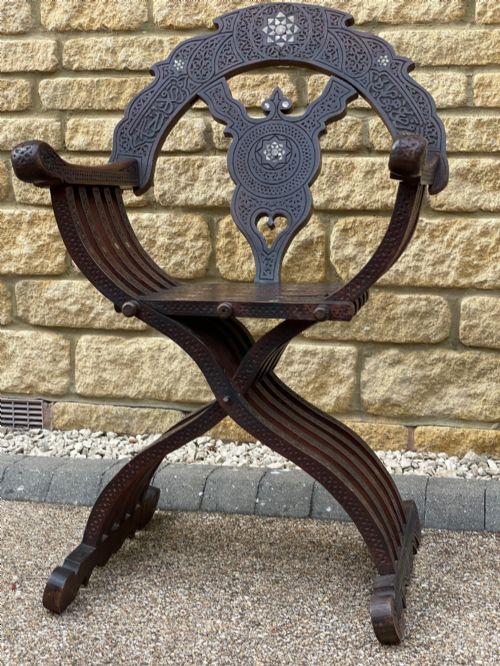
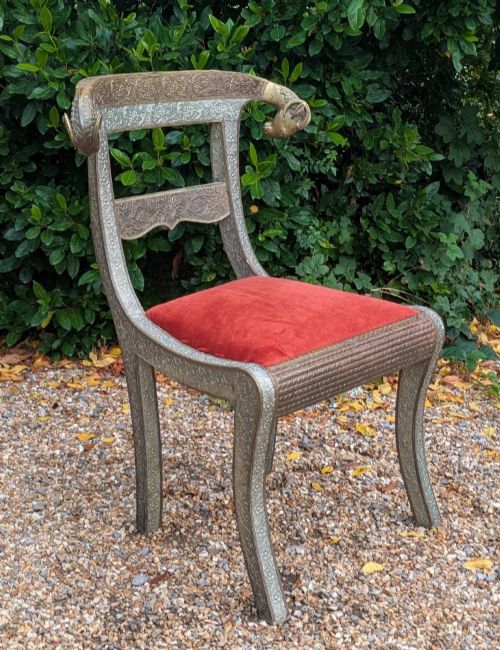
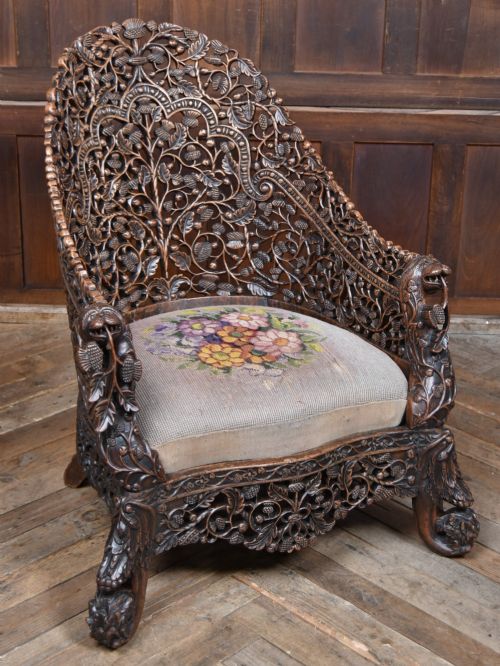
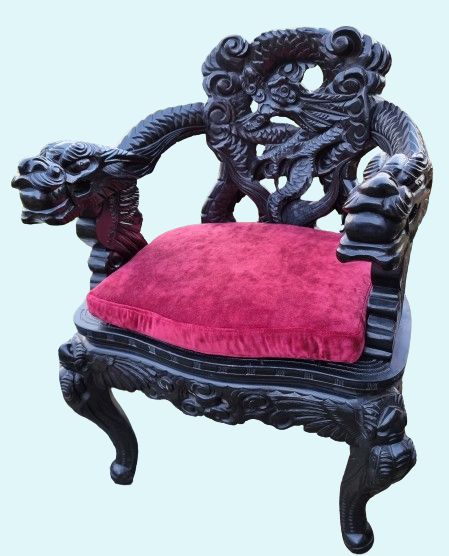
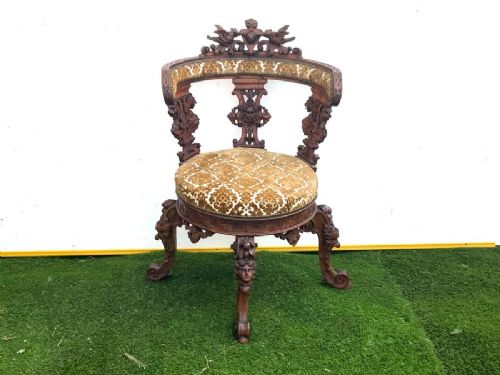
The selection encompasses regional British wainscot forms alongside continental baroque styles, Italian audience chairs, and occasional Asian hardwood designs. Many surviving examples date from the Victorian period onwards, drawing heavily on earlier Jacobean, Renaissance and Gothic idioms.
These seats function effectively as focal points in studies, hallways or large reception spaces, combining utility with sculptural dignity. The overarching category bridges utilitarian historic seating and grand decorative arts.
Factors determining quality
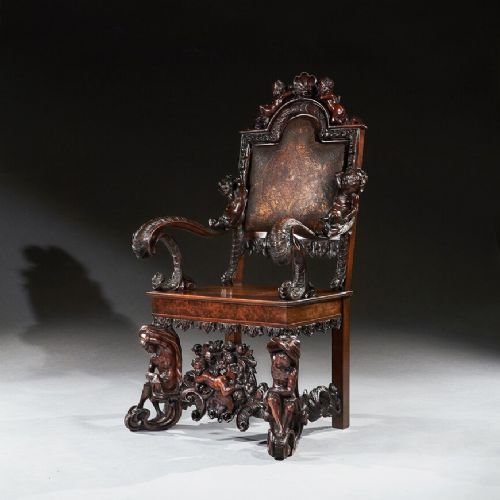
Quality rests in the depth, precision and anatomical correctness of the carved ornamentation, distinguishing master workshop execution from repetitive commercial output. Crisp relief work on crest rails, arms and monopodia indicates superior hand-tool proficiency.
The integrity of the timber frame and the coherence of the period elements dictate long-term standing. Examples retaining original upholstery materials, integrated joinery without extensive replacement, and harmonious patination command greater appreciation among collectors.
Current listings feature oak, walnut, and giltwood frames spanning the seventeenth to the early twentieth century.
Andrea Brustolon·Thomas Hope
The Carved Throne Armchair Glossary
- Wainscot chair
- A solid wooden armchair of early origin featuring panelled construction and sturdy proportions. These pieces typically date from the seventeenth century and represent early domestic luxury.
- Baroque
- An ornate artistic style characterised by dramatic curves, rich surface treatment and exuberant botanical or figural carving. It heavily influences many nineteenth-century revival throne seats.
- Giltwood
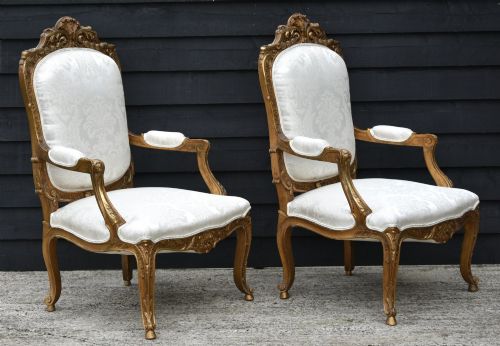
- Timber treated with a thin layer of gold leaf applied over a prepared gesso ground. This technique creates a brilliant metallic surface frequently seen on continental baroque and rococo revival armchairs.
- Monopodia
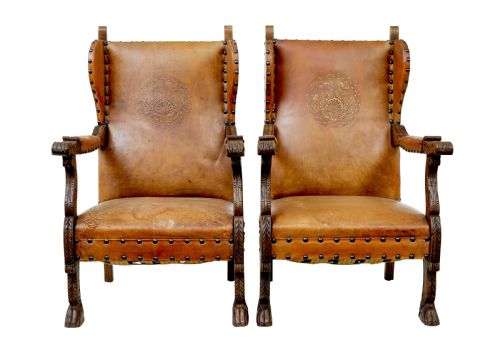
- Furniture supports carved in the form of a lion or beast leg ending in a paw. This classical motif appears on revival pieces influenced by early nineteenth-century design manuals.
- Glastonbury chair
- A specific ecclesiastical chair form with an intersecting x-frame understructure and an inscribed panel back. Examples often incorporate Gothic revival detailing.
Carved Throne Armchair: Frequently Asked Questions
What defines a carved throne armchair?
A carved throne armchair is distinguished by its imposing height, architectural backrest, and heavy structural framing, differentiating it from standard domestic seating.
These pieces typically incorporate deep relief carving and substantial armrests designed to project authority and status.
Where should I place one in my home?
These commanding seats suit spacious settings where their height and sculptural ornament can be appreciated without crowding the room.
Positioning them as statement pieces in hallways, studies, or at the head of a dining table allows the historic design to anchor the surrounding interior.
How do I distinguish 17th-century oak from later revivals?
Seventeenth-century oak examples, such as wainscot chairs, display hand-split timbers, pegged joinery, and natural patination accumulated over centuries of use.
Nineteenth-century revival items often exhibit machine assistance, harder edges, and stylistic eclecticism that blends Jacobean and Gothic motifs.
What upholstery materials are authentic?
Historic seating frequently employed embossed leather, heavy wool tapestry, or velvet secured with large brass decorative tacks.
Many surviving pieces have been recovered over time to suit later domestic interiors while retaining their original structural padding methods.