





Relief Carved Seat
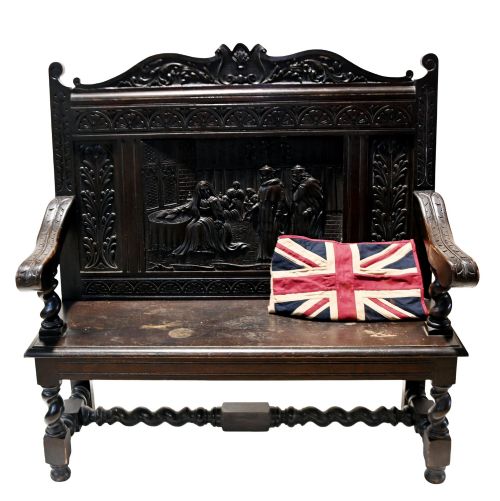
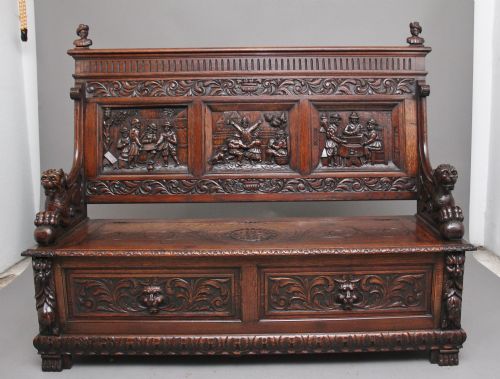
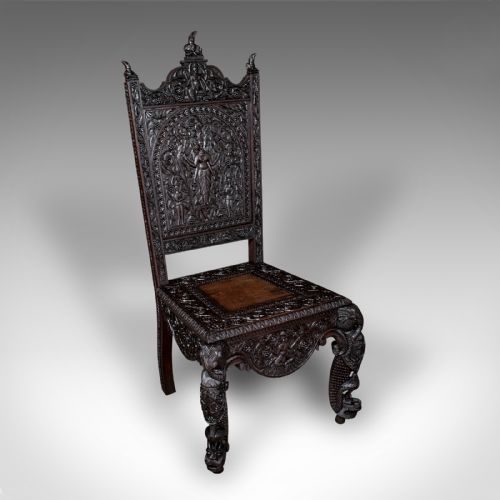
These relief carved seat examples bring dense ornamentation and historic weight into a room, offering substantial timber forms that command attention.
Relief Carved Seat
A relief carved seat encompasses robust forms like armchairs, hall benches, and settles originating predominantly from the nineteenth century. Buyers searching for a relief carved seat encounter heavy timber constructions that span diverse stylistic revivals and regional traditions.
How these pieces were constructed
Makers utilised solid hardwoods including oak, elm, walnut, and teak, shaping them with hand tools to achieve deep surface dimension. Polychrome pigment sometimes appears on timber surfaces to accentuate specific carved motifs.
Joinery techniques relied on sturdy pegs and mortise and tenon joints to support heavy loads and elaborate sculptural embellishments. Dug out methods and high relief carving define the structural integrity and decorative depth of these chairs and benches.
Relief Carved Seat Retail Price Guide 2026
Typical asking prices for relief carved seat among the pieces listed under this phrase on Sellingantiques today, from the lower quarter to the upper quarter. They describe what is for sale here now, not the wider market.
Current listings feature nineteenth century oak and elm settles alongside teak veranda chairs and walnut hall seats.
Distinctions in quality and execution
Depth and clarity of the chisel work dictate the visual success of the surface carving, separating flat execution from dynamic relief. The crispness of geometric or figural motifs shows the skill of the carver.
Proportion and timber selection determine structural stability across large settles and heavy armchairs. Denser hardwoods yield sharper detail and endure centuries of use better than softer timbers.
The Relief Carved Seat Glossary
- Settle
- A wooden bench with a high back, solid arms, and often a box compartment beneath the seat. This form provided draught protection in large halls.
- Renaissance Revival
- A nineteenth century style drawing inspiration from fifteenth and sixteenth century classical architecture and ornament. It manifests in heavy architectural mouldings and figural panels.
- Polychrome Pigment
- Paint applied to wood surfaces in multiple colours to highlight carved details. This treatment alters the natural timber appearance.
- Gothic Revival
- An architectural and decorative style mimicking medieval forms, pointed arches, and tracery. It appears frequently on nineteenth century seating.
Relief Carved Seat: Frequently Asked Questions
Where should a heavy settle go?
A large settle requires a substantial wall or hallway space where its high back and deep seat do not overwhelm the room. These pieces function well in spacious entryways or grand living areas.
Position the bench away from direct heat sources to protect the historic timber and prevent the joints from drying out over time.
How do I clean carved wood?
Dust the deep crevices of the carving regularly using a soft natural bristle brush to prevent particle buildup. Avoid harsh chemical cleaners that strip the finish from the timber.
Apply a microcrystalline wax sparingly when the wood appears dry to maintain the natural sheen of the hardwood surface.
Are these chairs comfortable?
Nineteenth century wooden seats and settles prioritise architectural presence and firm upright support over modern cushioned comfort. Adding loose textiles or cushions can soften the wooden base for daily sitting.
Most examples were designed for formal halls or ceremonial use rather than lounging for extended periods.
How do I identify a revival style?
Revival pieces incorporate specific historical motifs, such as medieval tracery for Gothic styles or classical symmetry for Renaissance designs, executed with nineteenth century techniques. Examining the construction marks helps distinguish a revival piece from original period furniture.
The choice of timber and the crispness of the relief carving often point to the precise nineteenth century revival movement.