
Antique Gentleman Cane
An antique gentleman cane carries the weight of a bygone walk, offering collectors a tactile piece of Victorian and Edwardian style.
Antique Gentleman Cane
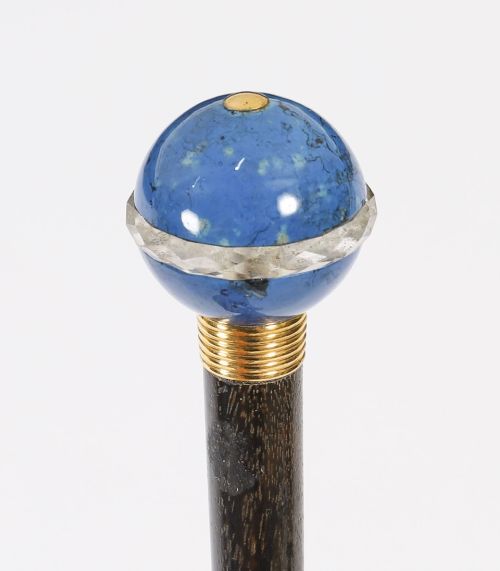
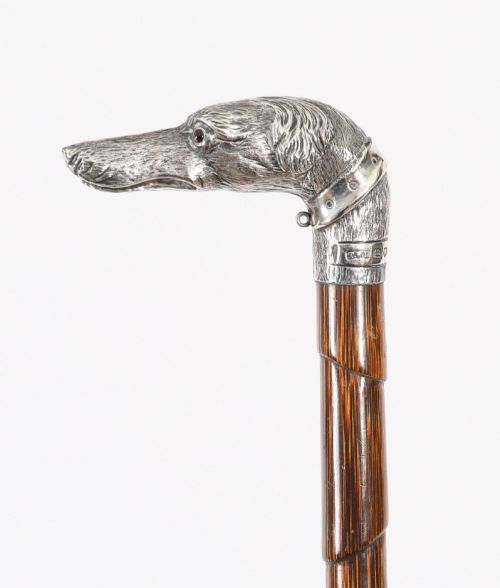
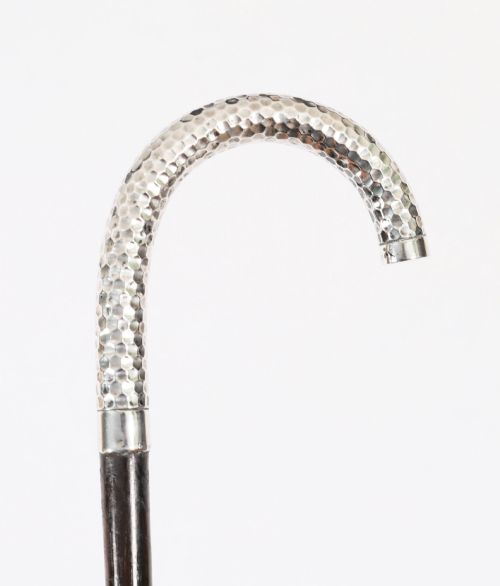
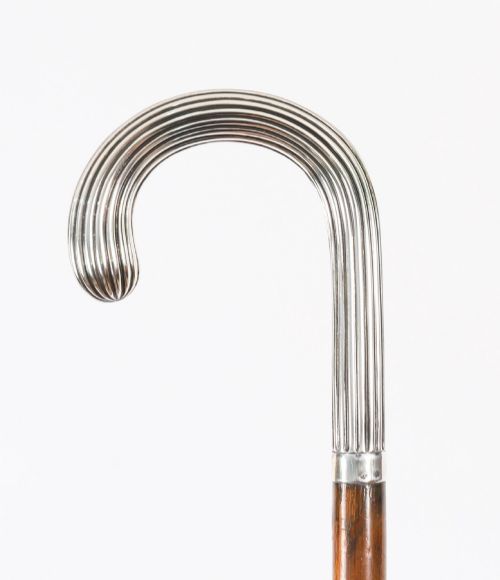
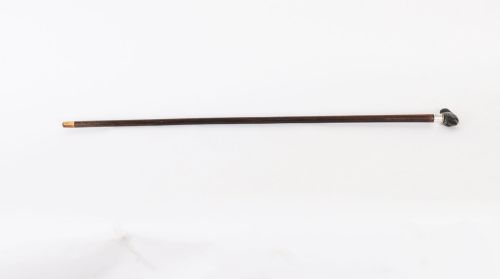
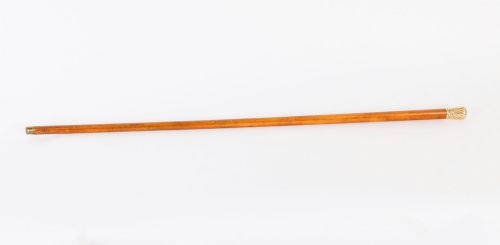
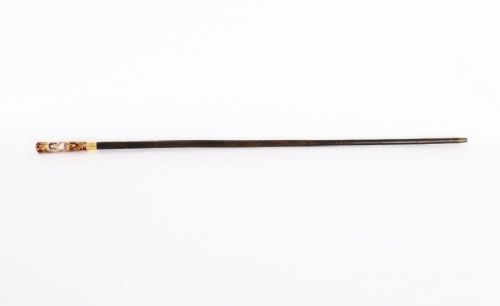
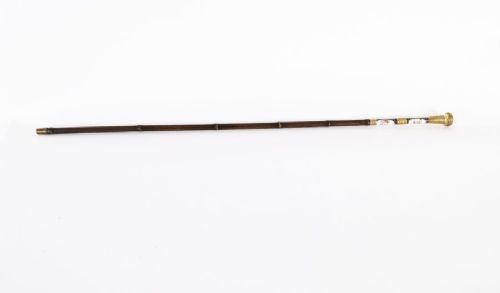
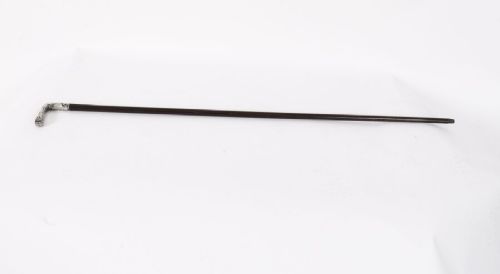
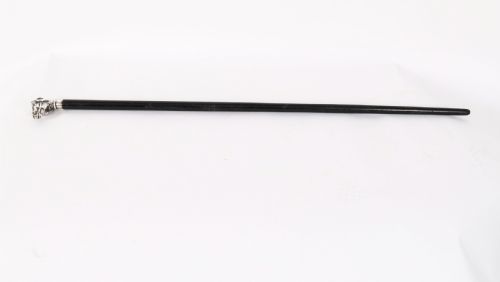
An antique gentleman cane serves as a traditional walking stick or support, appearing in various forms across the Victorian and Edwardian eras. Collectors encounter these pieces in materials ranging from bamboo and hardwood to malacca cane and ebony.
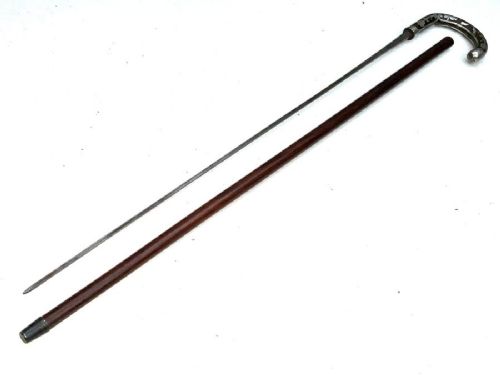
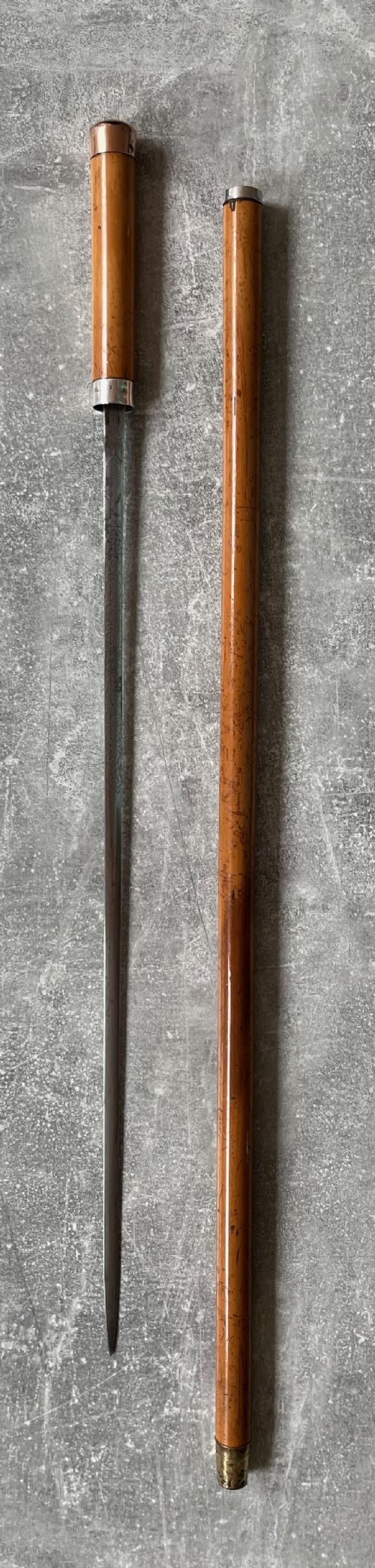
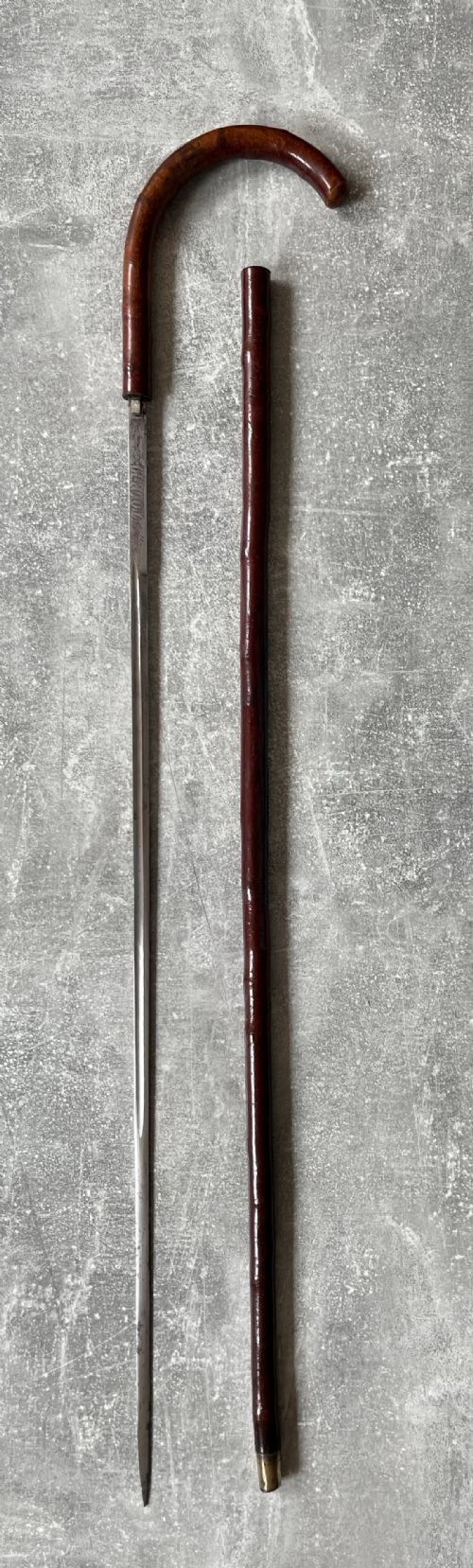
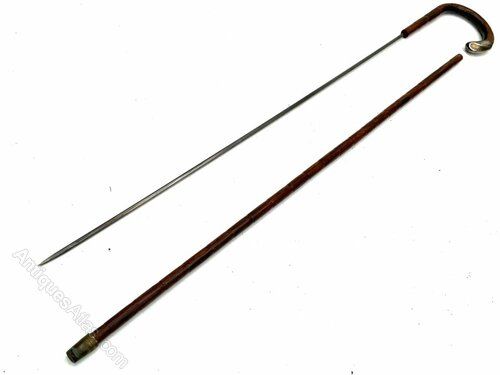
The selection includes specialised items such as club canes and sword sticks, alongside standard walking sticks. Origins span English, French 19th-century, and Chinese export workshops.
Evidence shows examples incorporating decorative handles and shafts, reflecting the diverse daily accessories carried by gentlemen of the period.
Materials and construction
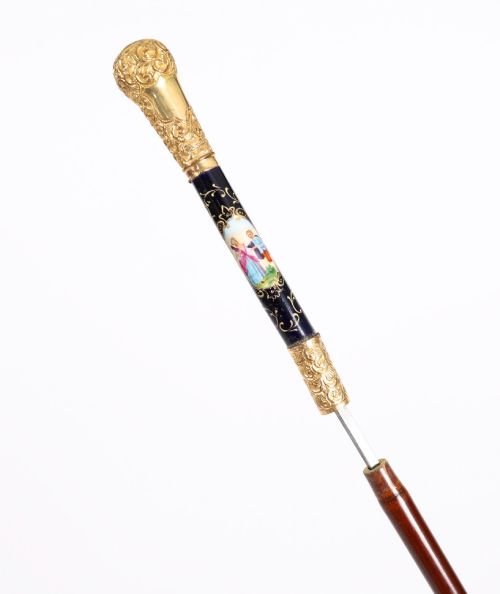
Maker methods combine natural timbers like bamboo, malacca cane, coromandel, ebony, and whale bone with metalwork mounts. Handles often feature silver, silver plate, or gold plate, alongside porcelain elements.
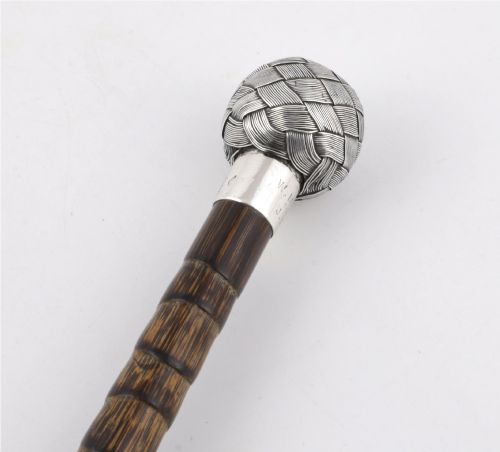
Decorative detailing employs techniques such as silver wire work, including knot and ball motifs, and carved woodwork. Structural assembly joins organic shafts securely to metal collars and ferrules.
Antique Gentleman Cane Retail Price Guide 2026
Typical asking prices for gentleman cane among the pieces listed under this phrase on Sellingantiques today, from the lower quarter to the upper quarter. They describe what is for sale here now, not the wider market.
Some gentlemen preferred the unusual flex of whale bone beneath their palm on a long Sunday stroll.
Judging quality and execution
Quality rests upon the fineness of the handle materials, such as detailed porcelain or heavy precious metal plating, paired with the straightness and preparation of the bamboo or hardwood shaft. Expert silver wire work and crisp carving elevate a piece.
The balance between the decorative top and the functional timber body dictates the overall integrity of the cane. Finer examples display harmonious proportions and intact original mounts rather than mismatched replacements.
The Antique Gentleman Cane Glossary
- Malacca cane
- A strong, pliable stem derived from the rattan palm, prized for its mottled brown finish and utilised extensively for walking stick shafts.
- Coromandel
- A dense, heavily figured tropical hardwood originating from South East Asia, selected for dark and luxurious walking stick bodies.
- Silver plate
- A thin layer of silver bonded to a base metal core, frequently employed on collars and handles for a polished appearance without solid metal costs.
- Sevres porcelain
- Fine ceramic material produced by the French factory, often integrated into handle sections as decorative painted panels.
Antique Gentleman Cane: Frequently Asked Questions
What is an antique gentleman cane?
An antique gentleman cane is a historical walking stick used for support or fashion during the nineteenth and early twentieth centuries. These pieces combine functional timbers with decorative handles.
They reflect the personal accessories carried by gentlemen during the Victorian and Edwardian periods.
How do I date a cane?
Dating relies on stylistic clues, hallmarked metals, and period materials like whale bone or coromandel wood. Victorian and Edwardian examples show distinct manufacturing traits.
Comparing the construction methods helps place pieces within the eighteen-eighty to nineteen-hundred timeframe.
What materials were used?
Maker workshops utilised woods such as bamboo, malacca cane, ebony, and coromandel alongside whale bone. Handles frequently incorporate silver, gold plate, and porcelain.
These diverse materials determined the weight, durability, and visual character of each walking stick.
How were swords concealed?
Certain nineteenth-century walking sticks doubled as sword sticks, housing a concealed blade within the wooden shaft. The join was engineered to blend seamlessly with the exterior.
These dual-purpose items served personal defence during travel.