


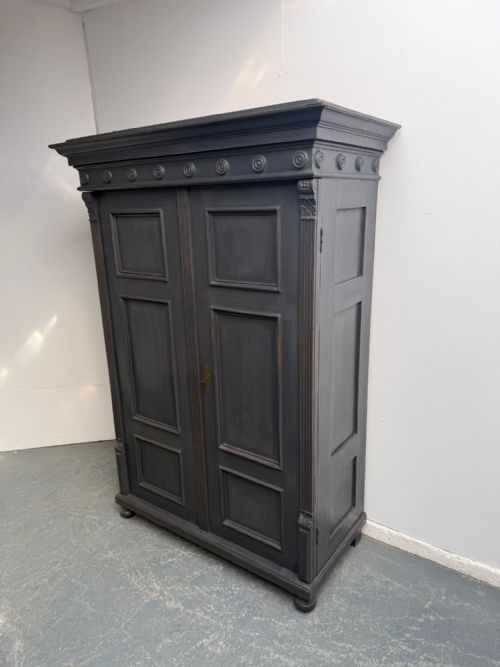

Antique Furniture Door Panel
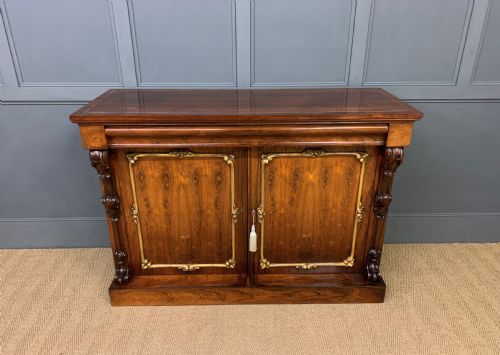
Antique furniture door panel selections bring architectural character into a room, offering rich timber textures and historic joinery saved from larger cabinets and screens.
Antique Furniture Door Panel
When you search for an antique furniture door panel, you encounter fragments and dedicated sections harvested from larger historic carcases, wardrobes, and architectural screens. These pieces frequently emerge from the 18th and 19th centuries, reflecting periods such as the Georgian, Victorian, and Regency eras.
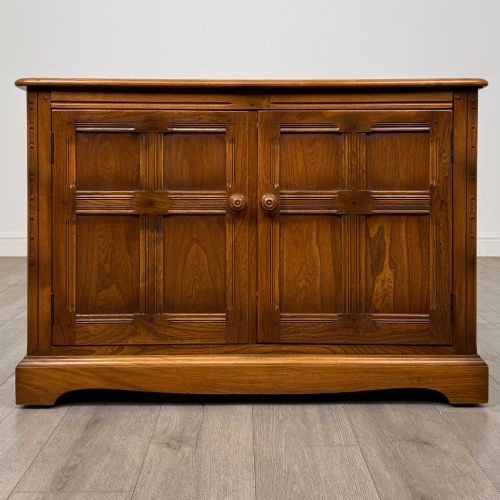
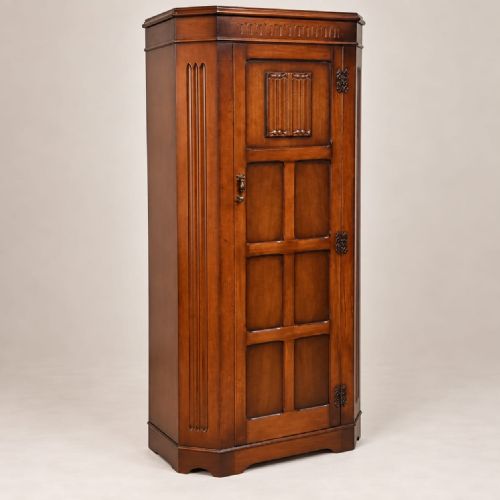
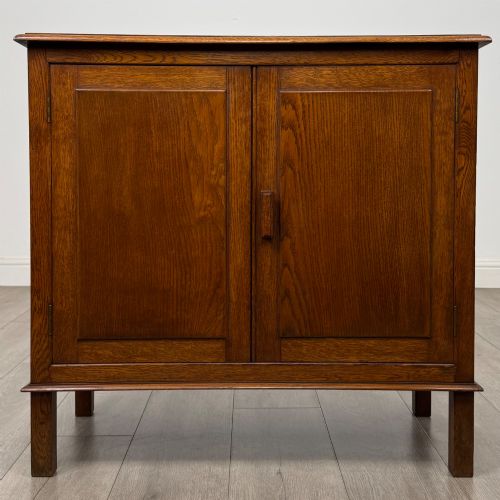
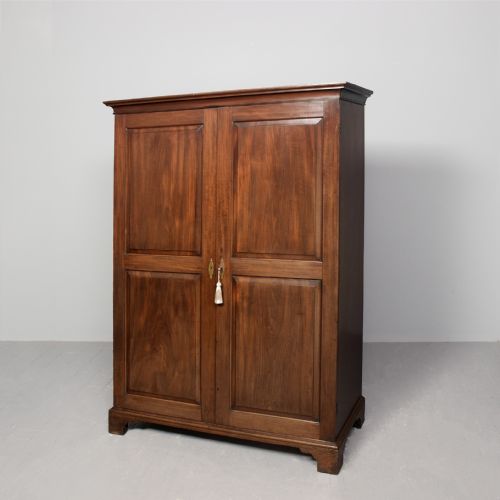
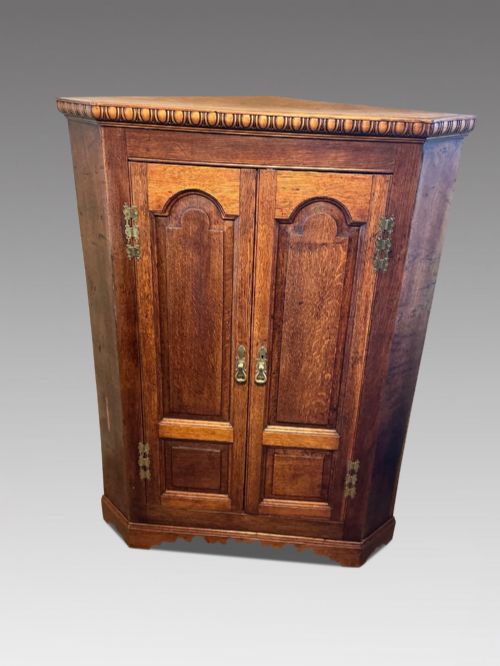
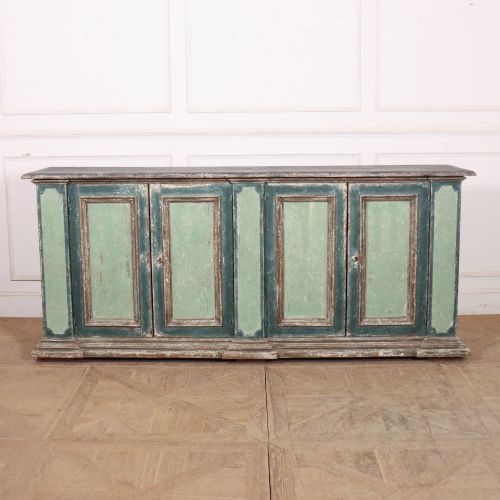
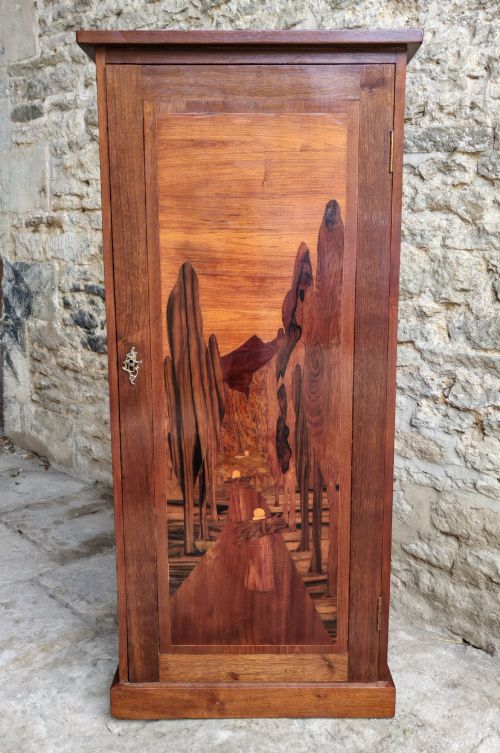
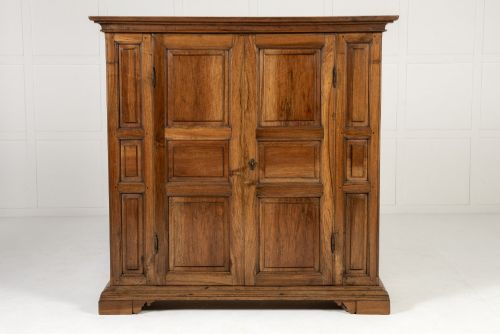
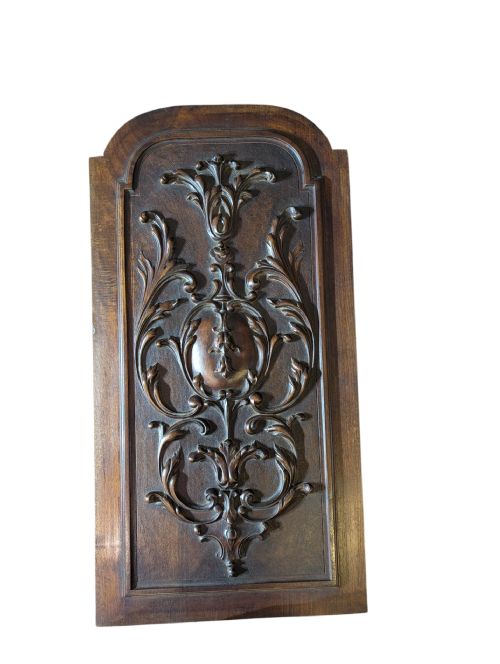
The objects span individual carved wooden sections to complete fitted doors salvaged from cupboards, presses, and corner cabinets. Oak and mahogany dominate the offerings, often displaying the robust construction typical of country house joinery or finer urban cabinetry.
Buyers select these panels to display as wall art, integrate into interior renovation projects, or repurpose within modern architectural schemes. The selection leans heavily toward sturdy hardwood construction carrying centuries of patination and wear.
Materials and construction methods
Cabinet makers relied primarily on dense hardwoods such as oak, mahogany, rosewood, and walnut, selecting timber for straight grain and durability. Pine and chestnut also appear in regional and painted examples, offering different weights and carving properties.
Joinery methods involved traditional mortise and tenon frames surrounding floating panels, allowing the timber to expand and contract safely through seasonal humidity changes. Hand carving, fielded surfaces, and inlaid details were executed using chisels and gouges before finishing with wax or polish.
Several panels retain faint carpenter's chalk marks on their reverse sides, left by hands that vanished two centuries ago.
Determinants of quality
Quality rests in the crispness of the hand carving, the selection of figured timber grain, and the integrity of the original joints. Superior examples exhibit deep, purposeful chisel work and well-balanced proportions rather than mechanical uniformity.
The depth of patination accumulated over centuries separates exceptional survivals from heavily stripped or overly restored items. Original hardware, hinges, and mounts add authenticity and elevate the standing of the piece.
The Antique Furniture Door Panel Glossary
- Fielded panel
- A wooden panel with its margins bevelled or thinned down to fit into a grooved frame. This technique reduces weight while allowing the central section to remain rigid.
- Patina
- The deep, lustrous surface sheen developed on timber through decades of handling, waxing, and exposure to light. It serves as a visual indicator of age.
- Mortise and tenon
- A fundamental joint where a projecting tongue fits snugly into a corresponding cavity, securing wooden frames together without modern metal fasteners.
- Chiffonier
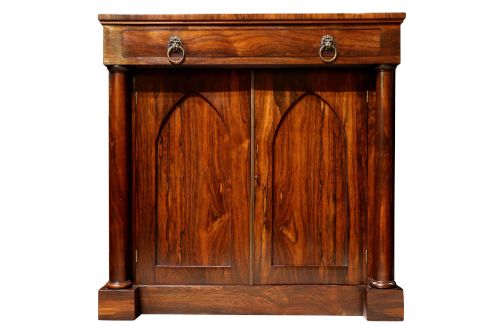
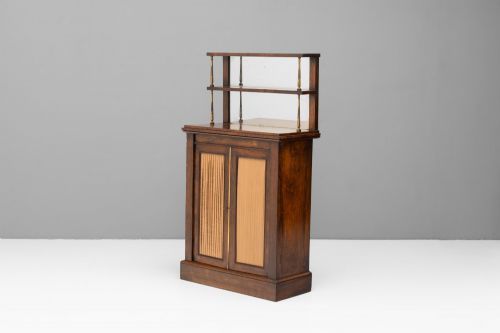
- A small sideboard or low cabinet popular during the Regency and Victorian periods, often featuring panelled doors enclosing interior shelving.
Antique Furniture Door Panel: Frequently Asked Questions
How do I hang a heavy wooden panel?
Mounting heavy timber requires fixing a sturdy battens directly into wall studs or masonry using appropriate wall anchors. The panel can then rest securely upon or screw directly into the support.
Ensure the weight distribution is balanced to prevent any strain on the historic wood or original joinery.
Can I use these panels outdoors?
Exposing historic hardwoods to outdoor weather conditions causes rapid warping, splitting, and degradation of the historic finish. These pieces are intended strictly for interior display and architectural use within climate-controlled environments.
Protecting them from direct sunlight and damp conditions preserves the structural integrity of the timber.
How should I clean the wood?
Dust the surface regularly with a soft, dry cloth to prevent the accumulation of grit in the carved recesses. Avoid commercial silicone polishes or water, which can penetrate and soften traditional wax finishes.
Apply a microcrystalline wax sparingly once or twice a year to nourish the timber and maintain the natural sheen.
How do I identify the wood type?
Examine the grain pattern, colour, and weight of the timber under good natural light. Oak displays distinct medullary rays, while mahogany and walnut show varying degrees of rich reddish-brown figuring and darker striping.
Pine and chestnut are significantly lighter in density and typically associated with painted or country-made furniture.