
Antique French Pier
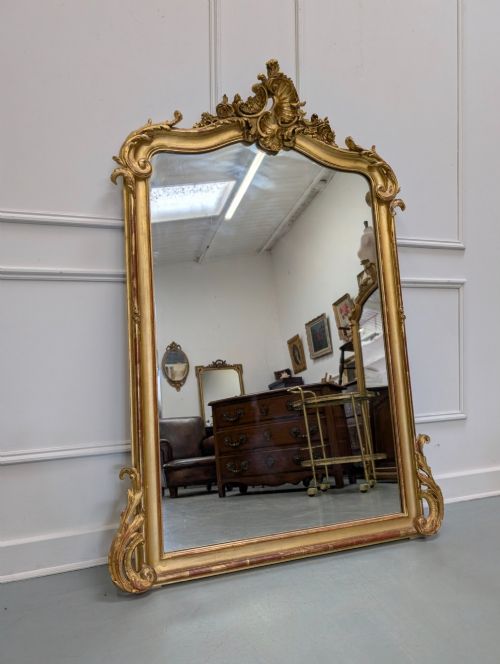
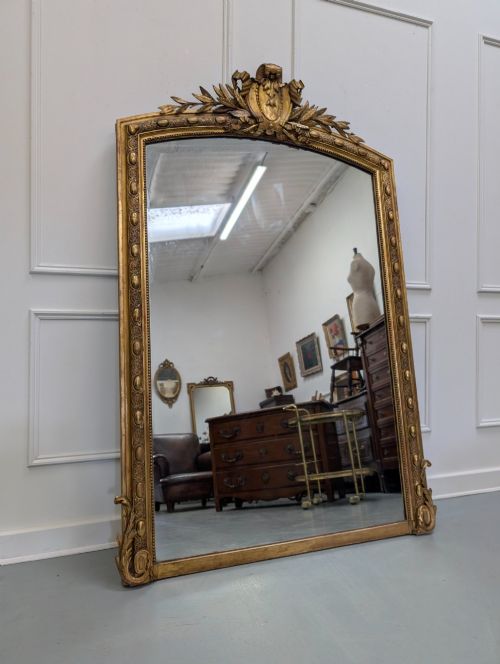
An antique French pier glass or table brings scale and architectural focus to a room, designed traditionally to occupy the wall space between two windows.
Antique French Pier
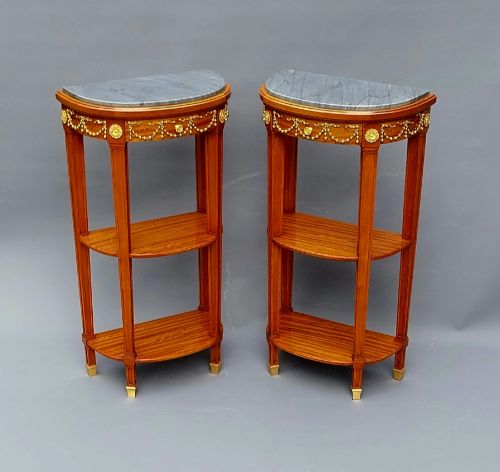
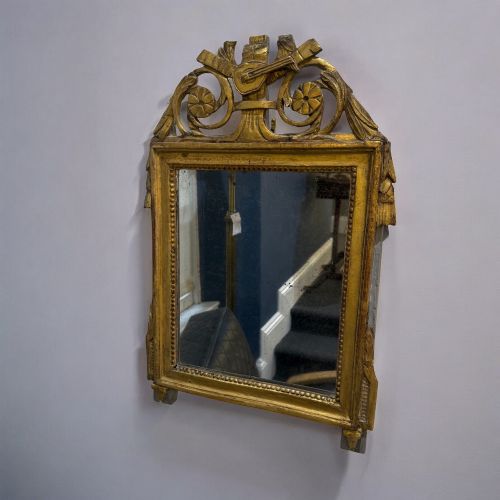
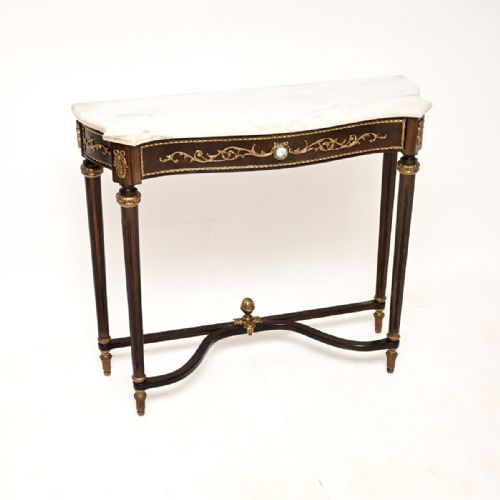
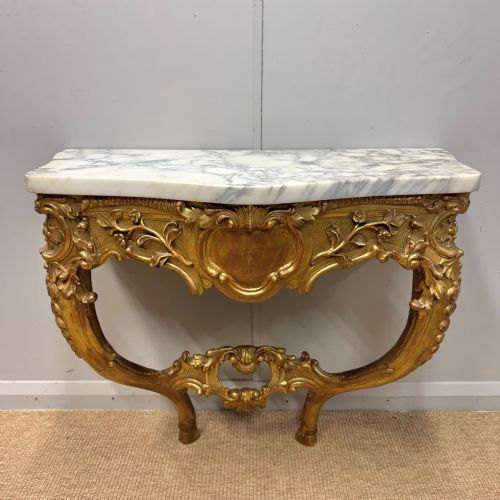
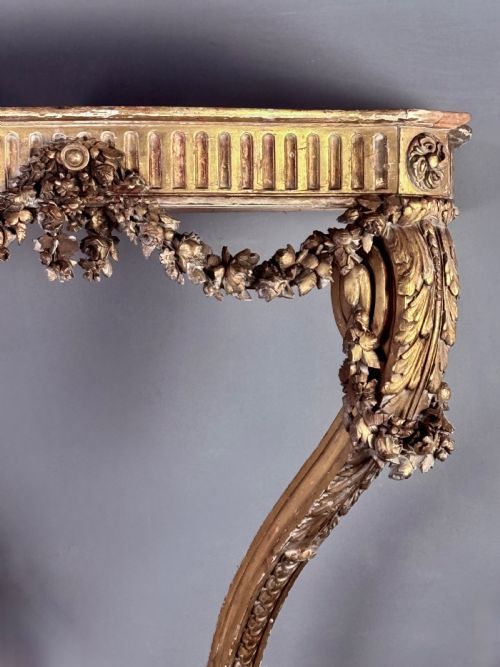
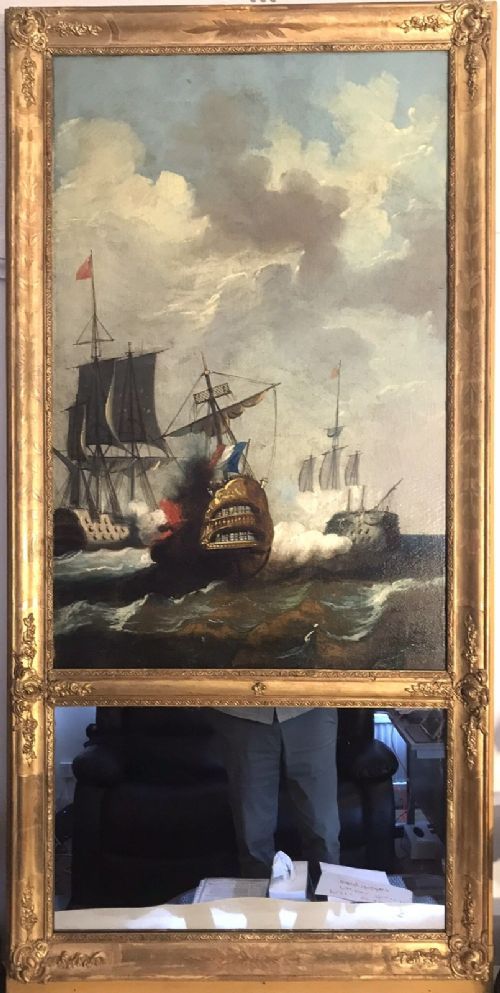
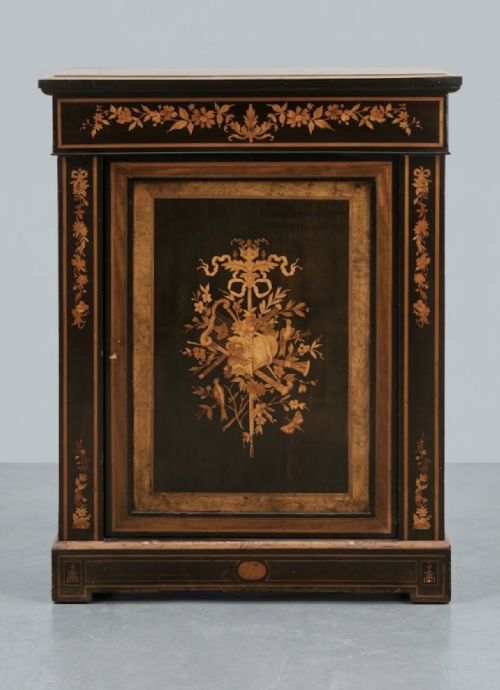
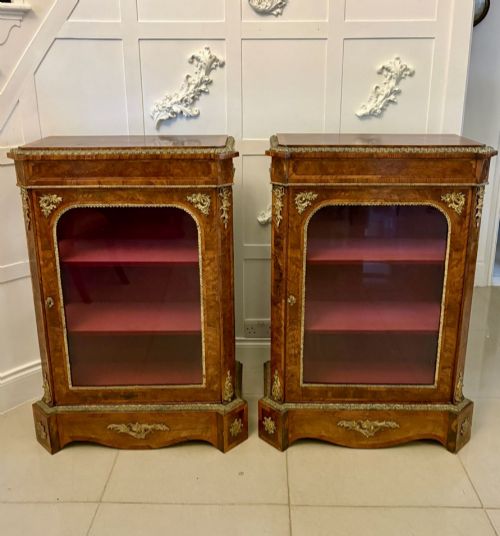
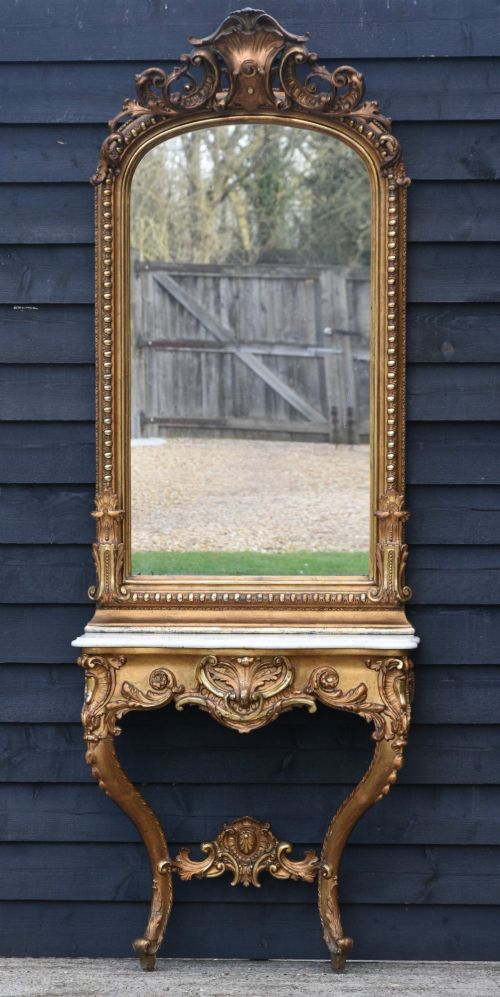
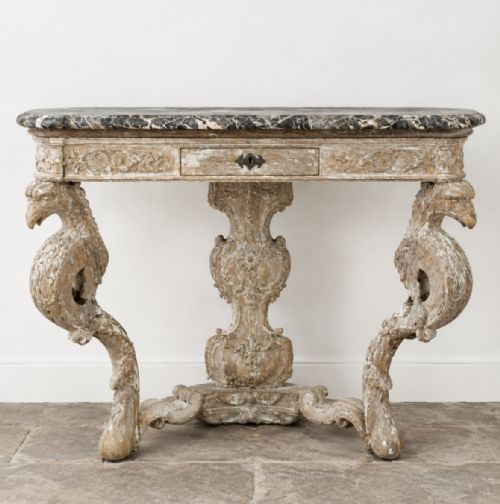
An antique French pier piece typically manifests as a tall wall mirror, a trumeau with an integrated oil painting or panel, or a low console table designed for narrow architectural wall spaces. These furnishings originate predominantly from the nineteenth and eighteenth centuries, reflecting historical periods such as the Empire, Rococo Revival, and Napoleon III reigns.
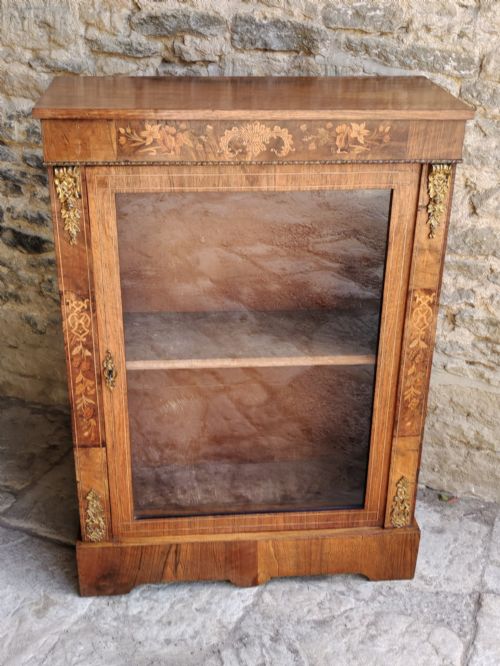
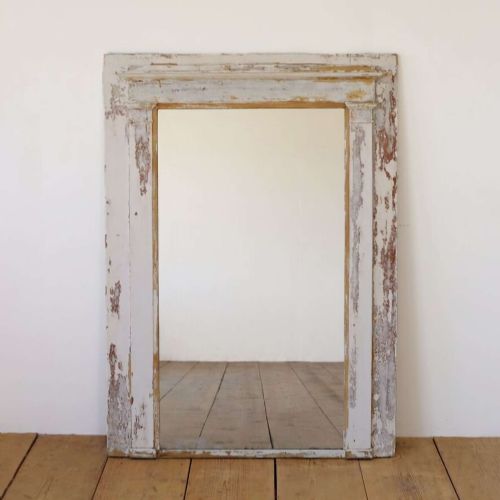
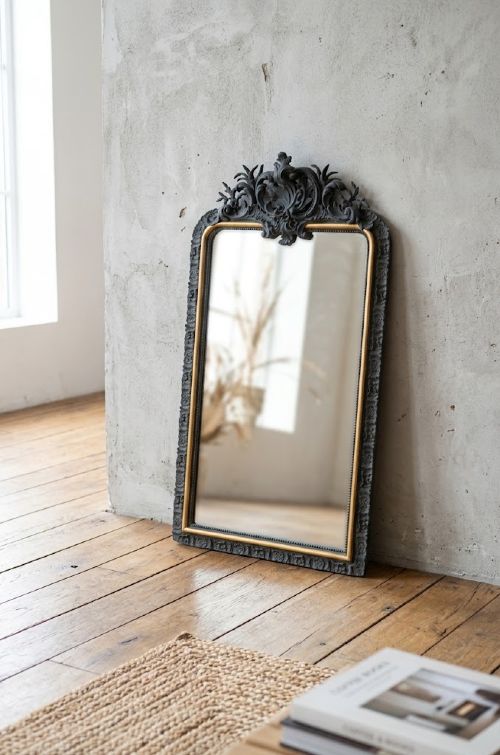
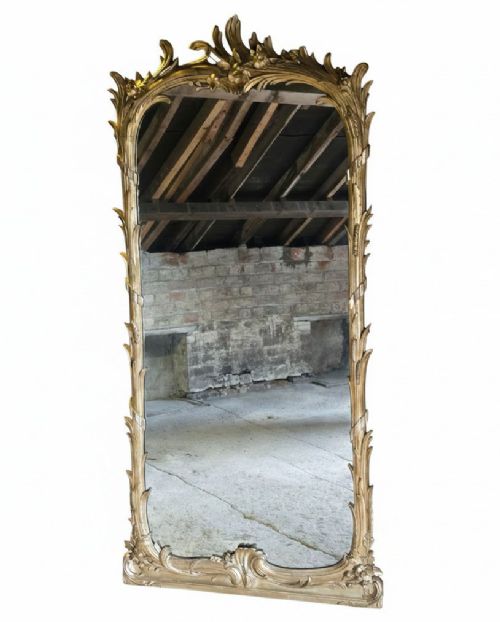
Mirrors form the largest category within this grouping, often reaching substantial heights to span the gap between high salon windows and sit above matching console tables. Buyers frequently encounter giltwood and gesso frames alongside painted wood finishes, occasionally accompanied by matching marble-topped side tables and pier cabinets.
Materials and Construction
Cabinetmakers and gilders built these furnishings from carved wood and gesso, applying layers of gold leaf or paint to create rich reflective surfaces. Ormolu mounts, wrought iron, and figured marble tops such as breche d'alep complete the construction of the console tables and display cabinets.
Glass production relied heavily on mercury silvering techniques, which yield the characteristic foxed spots and mottled depth found on eighteenth and nineteenth-century mirror plates.
Evaluating Craftsmanship
Quality rests in the depth and crispness of the hand-carved ornamentation upon the wood and gesso frames, where superior examples display sharp botanical or classical motifs rather than soft, mass-produced moulding. The integrity of the original gilding, the presence of untouched mercury glass plates, and the weight and figuring of the fitted marble tops elevate certain pieces far above standard domestic output.
Felix-Alfred Ternisien·Jean-Pierre Feuillet
The Antique French Pier Glossary
- Trumeau
- A decorative wall mirror featuring an upper panel painted with a pastoral scene or decorative motif. These architectural panels were built to integrate directly into the wood panelling of a room.
- Console table
- A wall-mounted or heavily bracketed table designed to stand against a flat surface, frequently paired beneath a tall pier mirror. They often feature shaped marble slabs and carved giltwood bases.
- Mercury glass
- An early silvering method utilising a mercury amalgam poured behind the glass plate. This technique creates a distinctive mottled reflection that darkens gently with age.
- Gesso
- A plaster-like mixture applied to wood frames to provide a smooth surface for gilding or painting. Deep relief carving relies on the thickness of this built-up layer.
- Ormolu
- Gilded bronze mounts applied to furniture edges and legs for decorative accent. This technique requires mercury gilding over a cast bronze base to achieve a brilliant metallic finish.
Antique French Pier: Frequently Asked Questions
Where should I place a pier mirror?
These tall mirrors fit naturally between two windows or above a low console table where they can reflect light across the room. Their vertical proportions suit rooms with high ceilings.
Historically, they anchored the wall space between openings to create an illusion of greater room depth and illumination.
How do I clean an antique giltwood frame?
Dust the carved surfaces gently with a soft, dry brush to prevent damage to the delicate gesso and gold leaf layers. Avoid moisture and chemical cleaning agents entirely.
Water can dissolve the traditional bole and size beneath the metallic leaf, causing permanent flaking and loss of finish.
How do I care for antique marble tops?
Wipe the stone surface using a damp cloth with mild, neutral soap and dry immediately. Acidic liquids like wine, lemon, or vinegar etch marble instantly.
Applying a specialist stone wax helps protect the polished finish from stains while preserving the natural figuring of the marble.