
Marble Top Pier
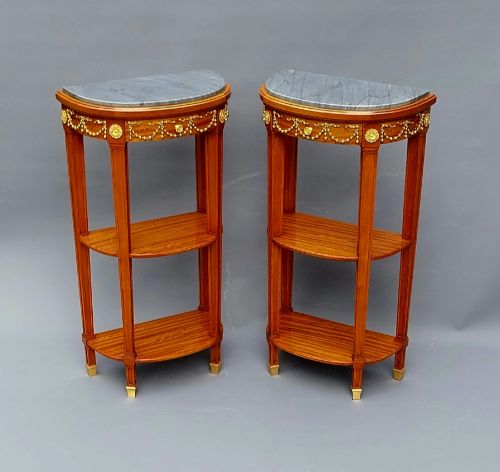
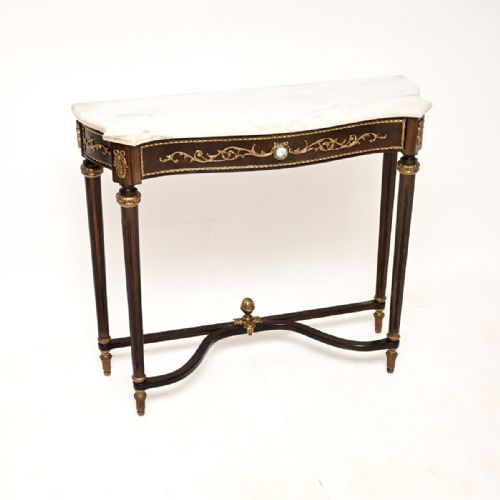
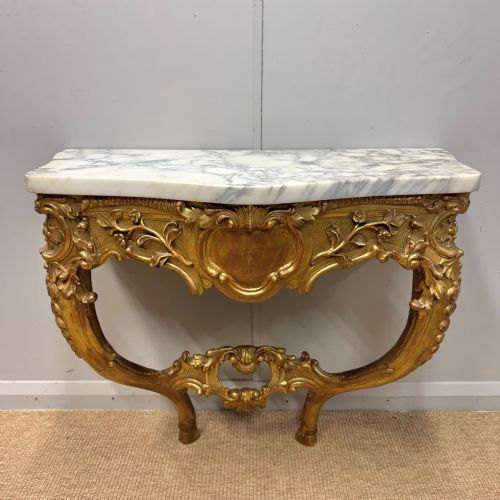
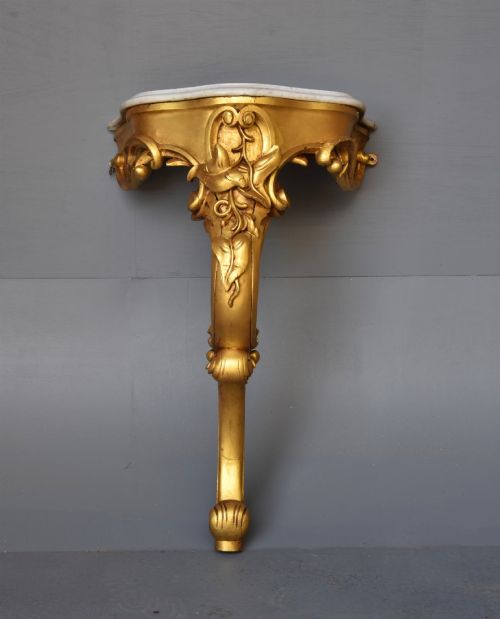
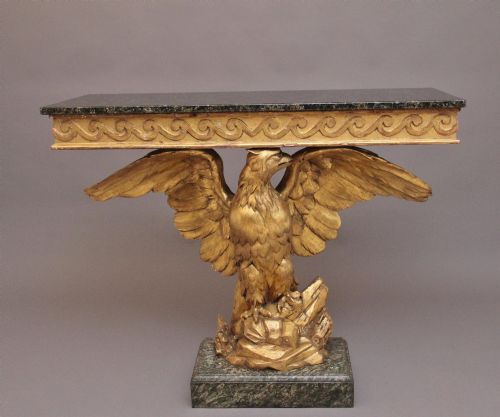
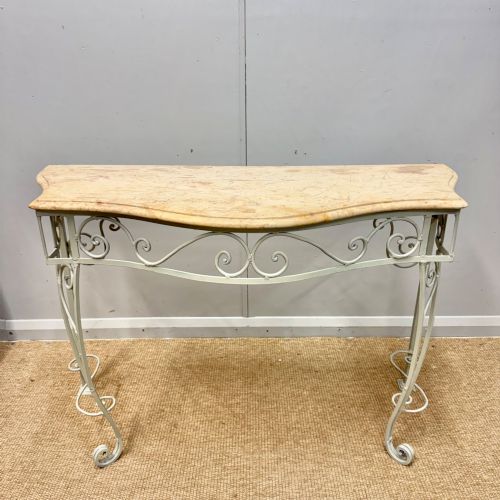
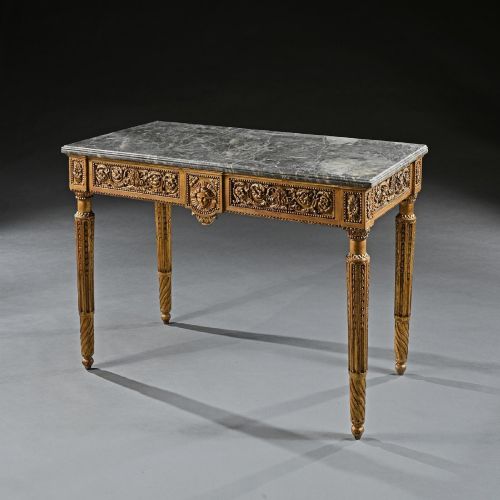
When you want a marble top pier, you are looking for console tables, side tables and cabinets designed to stand flush against a wall.
Marble Top Pier
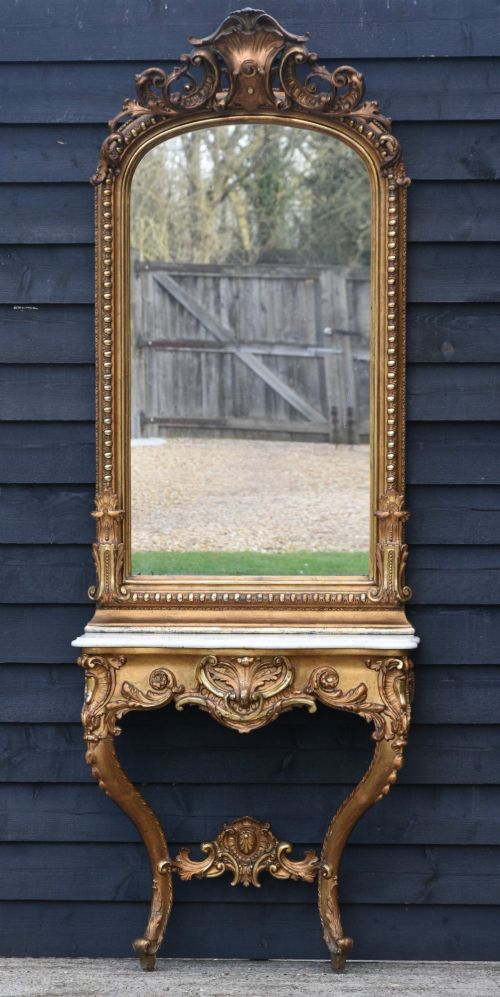
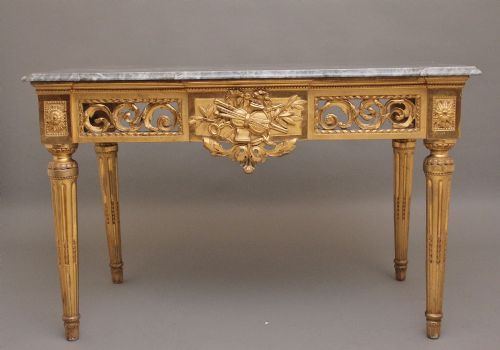
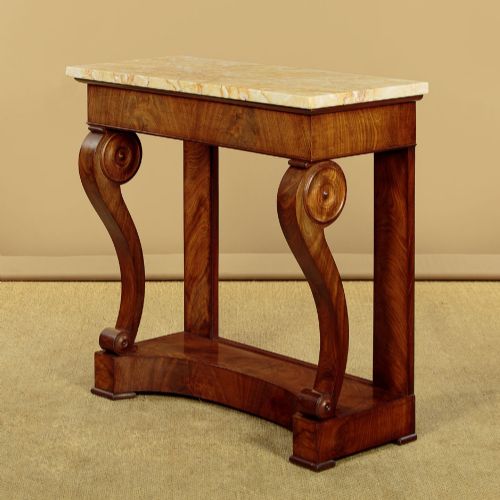
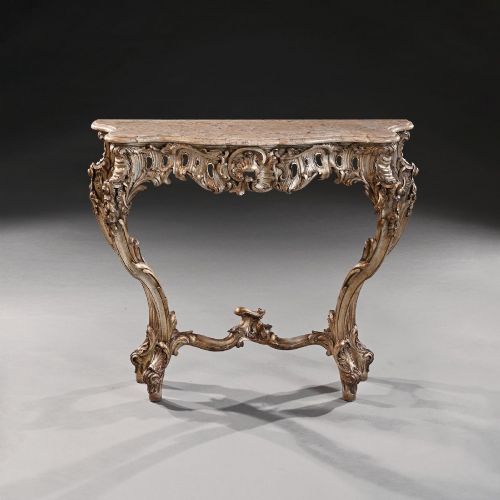
A marble top pier brings architectural presence to a room, historically positioned between windows or against a blank expanse of wall. The pieces seen here span the eighteenth, nineteenth and early twentieth centuries, drawing on French Empire, Regency, Neoclassical and Victorian design traditions.
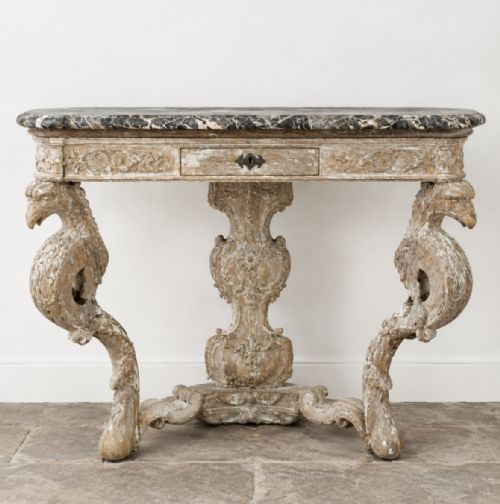
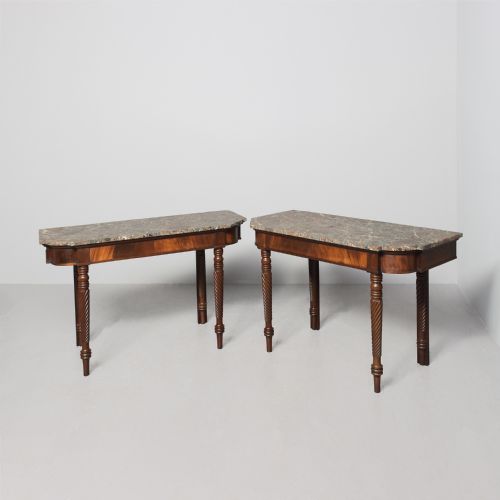
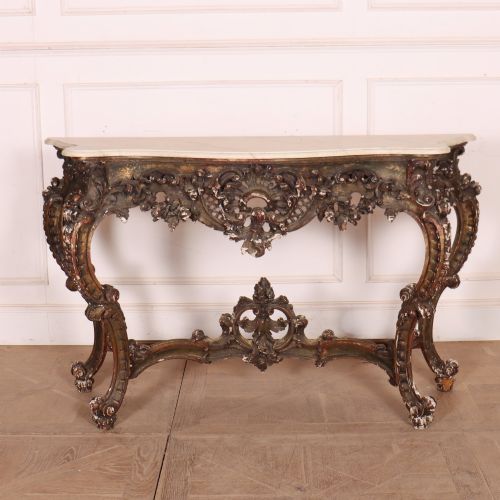
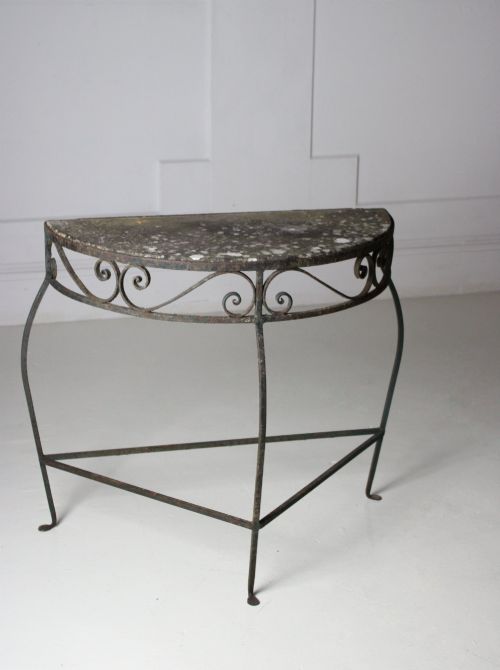
The form divides primarily between wall-fixed or freestanding console tables and enclosed pier cabinets. Console tables predominate, often paired with matching pier mirrors, while enclosed cabinets and chiffoniers offer concealed storage beneath the stone surface.
How they were made
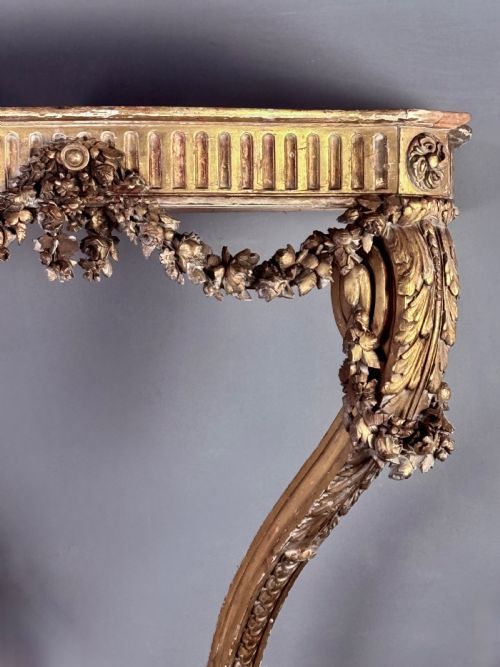
Cabinetmakers constructed the main framework from timber such as mahogany, walnut, rosewood, oak or pine, frequently applying gesso and heavy layers of gold leaf or paint. Metal mounts in ormolu, brass and wrought iron accent the structural lines.
Slabs of figured marble, including varieties like Portoro and breche d'alep, form the hard-wearing tops. These stone slabs rest directly on the timber frames, secured by their own considerable weight or subtle dowels.
Several nineteenth-century examples incorporate brass sphinxes, lending an unexpectedly Napoleonic gaze to the hallway.
What varies in quality
Quality rests heavily on the depth and crispness of the carving, whether executed in solid giltwood, lime-wood or pine. Lesser examples rely on cast composition ornament, whilst superior pieces show hand-chiseled detail and refined joinery.
The selection and cut of the marble slab dictate the upper tier of the range. Uniform or strikingly figured natural stone, polished to a high mirror finish, distinguishes an ambitious commission from a utilitarian piece.
Louis Constantin Le Gaigneur·Edward Holmes Baldock·Krieger Paris
The Marble Top Pier Glossary
- Pier table
- A table designed to stand against a wall, typically between two windows beneath a pier glass mirror.
- Console table
- A table supported by wall brackets or console legs, requiring structural fixing or a balanced frame to remain stable.
- Ormolu
- Gilded bronze mounted onto furniture as decorative enrichment during the eighteenth and nineteenth centuries.
- Gesso
- A plaster-like mixture applied to wood surfaces to provide a smooth base for subsequent gilding or painting.
- Breche d'alep
- A decorative quarried marble featuring a brecciated pattern of multi-coloured fragments.
Marble Top Pier: Frequently Asked Questions
Where should I place a pier table?
These tables suit narrow wall spaces, hallways, and drawing rooms where depth must be kept to a minimum. They sit particularly well beneath large mirrors or paintings.
Because many were originally designed to anchor against a wall, ensure the placement allows for proper stability or secure fixing where necessary.
How do I clean a marble top?
Use a soft, damp cloth with mild, pH-neutral soap to wipe down the stone surface. Avoid acidic cleaners or vinegar, which etch polished marble.
Dry the surface thoroughly afterwards to prevent water marks from settling into the natural grain of the stone.
What is the difference between a pier table and a console table?
While the terms frequently overlap, a pier table specifically denotes placement against the wall space between architectural openings. A console table is a broader term for any table supported by consoles against a flat surface.
Many examples listed under marble top pier fulfil both definitions equally well.