

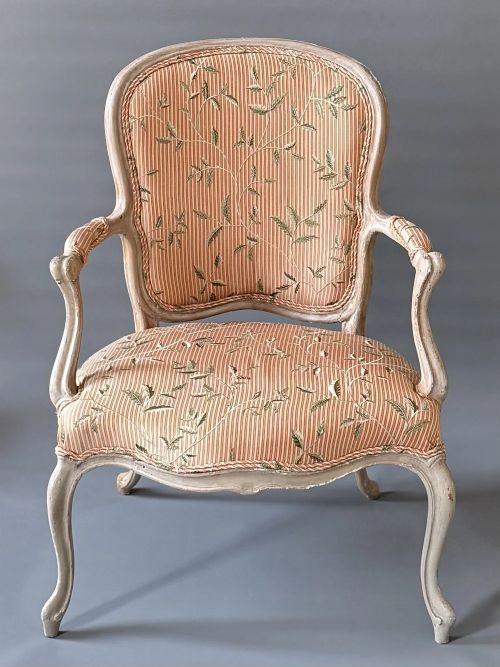
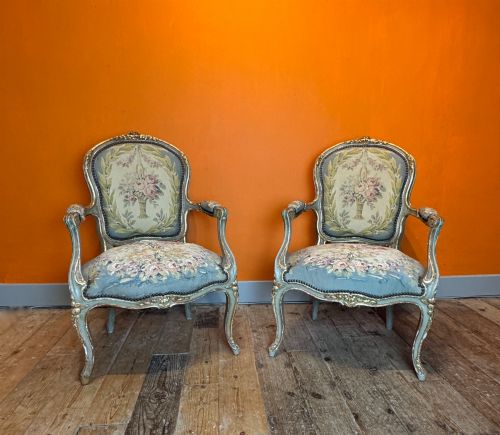
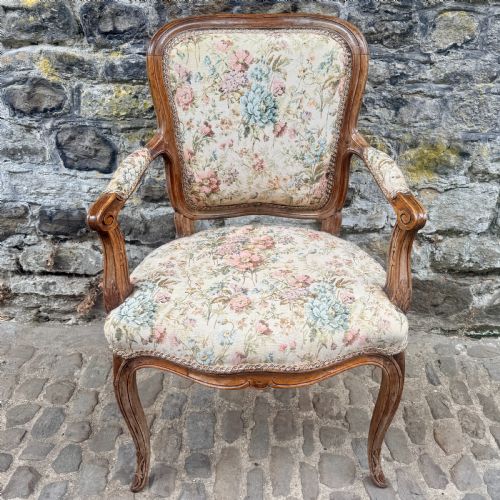
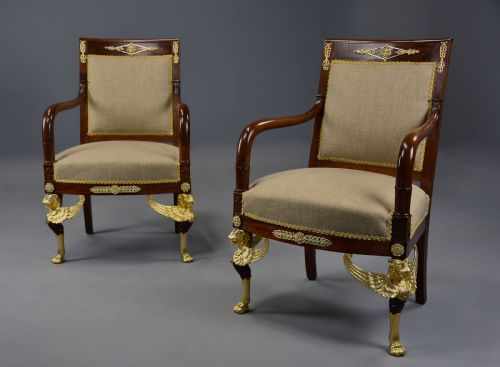
Antique French Open Chair
An antique french open chair brings the refined proportions of Parisian salons and provincial manors directly into a modern room.
Antique French Open Chair
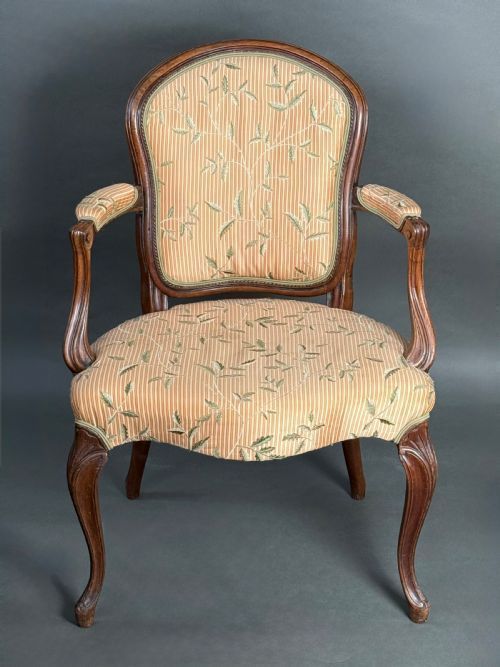
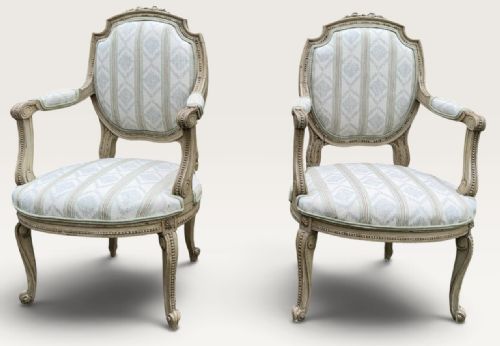
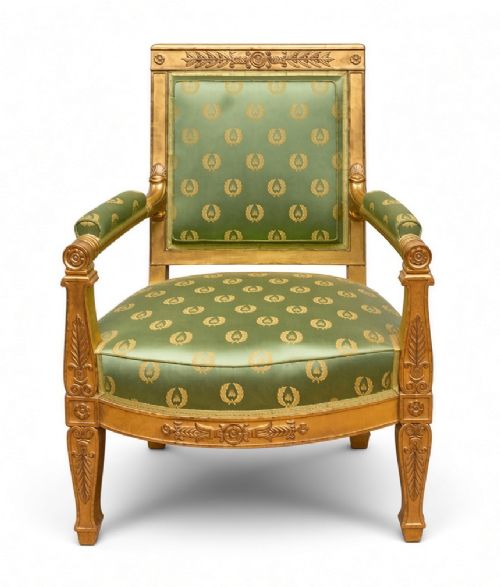
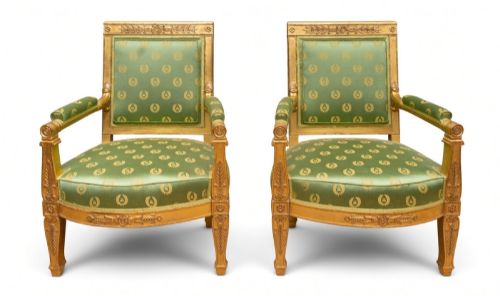
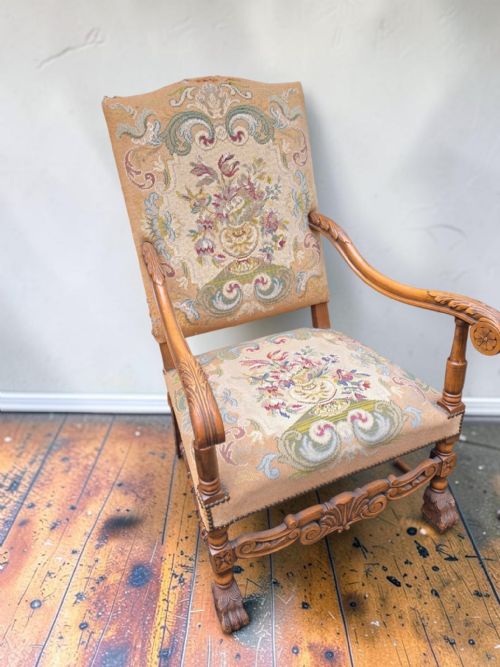
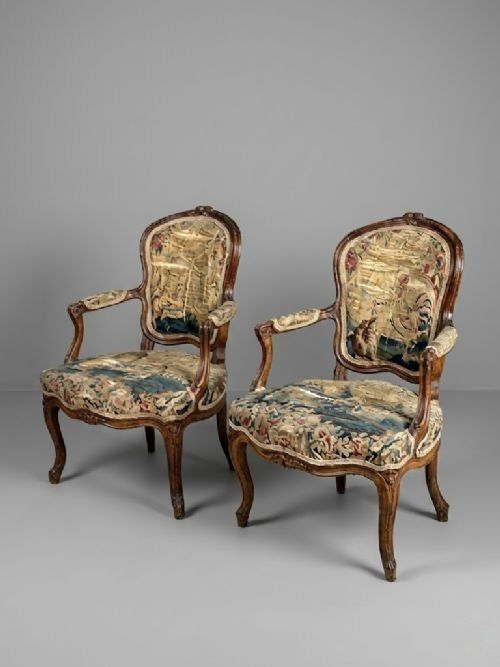
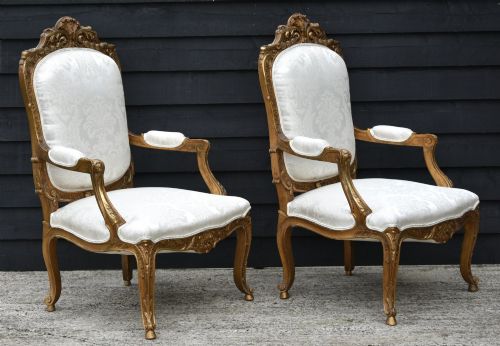
When searching for an antique french open chair, you encounter a variety of forms primarily consisting of armchairs, salon chairs, and specific types such as the fauteuil. These seating pieces span multiple centuries, with numerous examples hailing from the eighteenth and nineteenth centuries, alongside pieces produced around nineteen hundred.
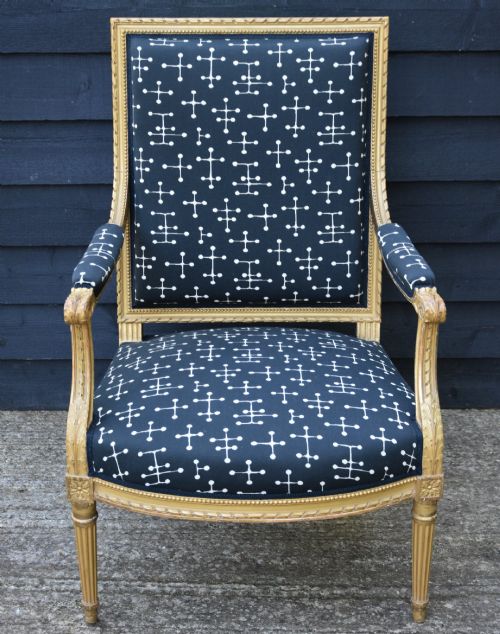
The aesthetic vocabulary encompasses French chateau styles, Louis XV and Louis XVI iterations, Rococo Revival, Empire, and provincial interpretations. Most pieces designed with open arms serve primarily as functional seating or decorative elements within reception rooms and bedrooms.
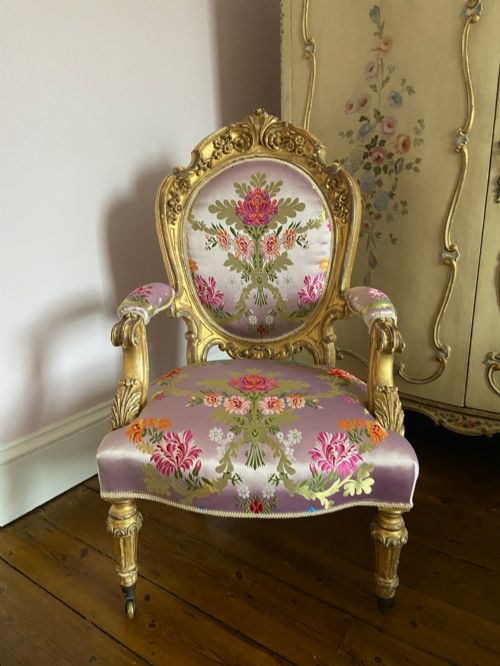
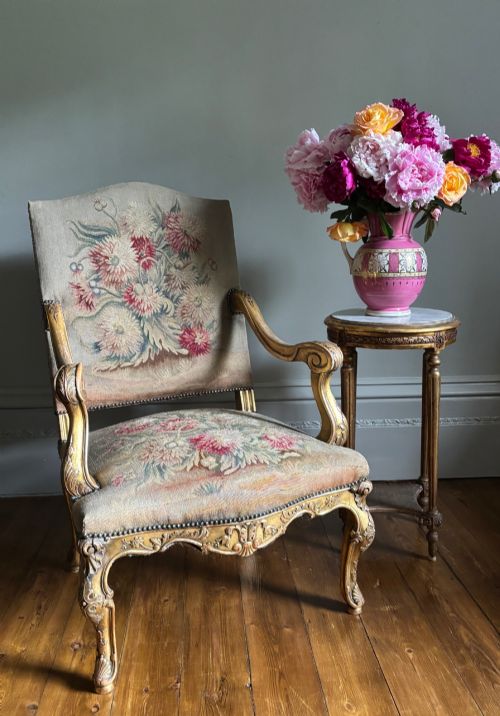
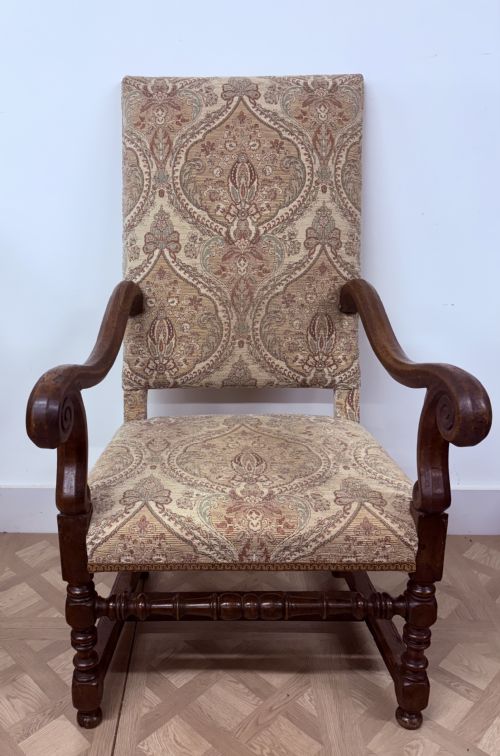
The selection ranges from grand giltwood frames adorned with intricate carvings to simpler painted or polished walnut and beech structures. Buyers often select these chairs to introduce a distinct historic character and traditional craftsmanship into an interior space.
How these chairs were made
The structural framework of an antique french open chair relies predominantly on hardwoods such as walnut, beech, oak, and mahogany, shaped through traditional joinery and hand-carving techniques. Artisans applied finishes including giltwood, original paint, parcel gilt, and polished varnish to enhance the timber surfaces.
Upholstery methods involved the integration of textiles like silk, tapestry, damask, and fabric, secured over padded frames often utilising brass detailing. Craftspeople employed specialised techniques, such as Vernis Martin finishes or detailed carving work, depending on the prevailing style and period.
Current listings feature walnut, beech, and mahogany frames alongside giltwood finishes across eighteenth and nineteenth-century pieces.
What varies in quality
The distinction between standard examples and superior specimens rests on the crispness and depth of the hand-carved ornamentation upon the wooden frame. Master carvers achieved fluid lines in styles like Louis XV or Rococo Revival, whereas lesser pieces display shallower, less articulated details.
The integrity of the structural joinery and the authenticity of the surface finish significantly influence the overall standard of a chair. Pieces retaining their original giltwood, paint finishes, or period-appropriate textiles command greater appreciation than those with compromised surfaces.
Jacob Desmalter·Colefax and Fowler·Druce and Co·Thomas Chippendale·Blaise Maucuy
The Antique French Open Chair Glossary
- Fauteuil
- An open-armed upholstered armchair originating in France, typically featuring exposed wood framing around the back and armrests. These chairs are characteristic of seventeenth and eighteenth-century interior design.
- Giltwood
- Timber that has been coated with a thin layer of gold leaf or gilt finish. This decorative treatment is frequently encountered on formal salon chairs from revival and imperial periods.
- Bergère
- An enclosed upholstered armchair with closed sides padded upholstered panels. It represents a common seating variant alongside open-arm designs in French furniture collections.
- Aubusson
- A style of hand-woven tapestry traditionally produced in the town of Aubusson in France. These textiles frequently appear as upholstery coverings on period armchairs.
- Rococo Revival
- A nineteenth-century design movement that reinterpreted the curving, asymmetrical motifs of the eighteenth-century Rococo period. Furniture from this era often exhibits exaggerated, flowing carvings.
Antique French Open Chair: Frequently Asked Questions
How do I identify a true period chair?
Authenticating a period piece requires examining the construction methods, tool marks, and wood ageing characteristics visible within the frame joints. Secondary woods and hand-cut joinery often provide reliable indicators of manufacture date.
Style markers and decorative motifs must align consistently with the purported era without mixing anachronistic revival elements improperly.
Where should I place an open armchair?
These chairs function effectively as accent seating in living rooms, reading corners, or grand hallways where their decorative frames remain visible. Their open structural design prevents them from visually crowding smaller interior spaces.
Positioning them away from direct sunlight protects fragile textiles such as silk and tapestry from fading over time.
Can I use these chairs daily?
Many sturdy nineteenth-century and eighteenth-century examples remain suitable for regular domestic seating when the structural frame is secure. Walnut and beech frames offer considerable durability for everyday use.
Delicate giltwood surfaces or antique silk upholstery require more careful handling to preserve their decorative finishes.