
Upholstered Fauteuil Chair
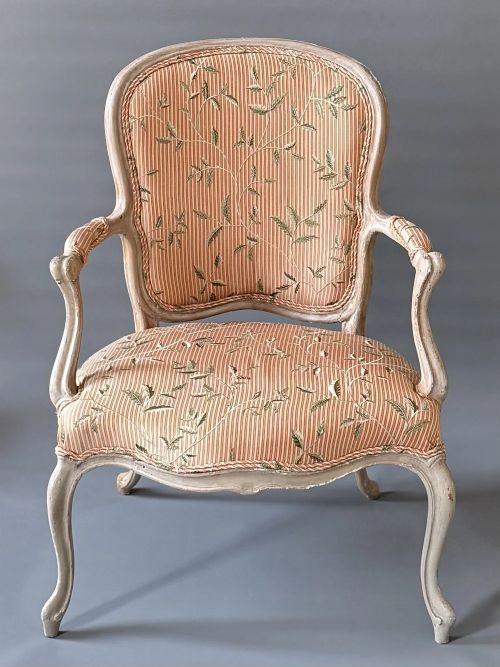
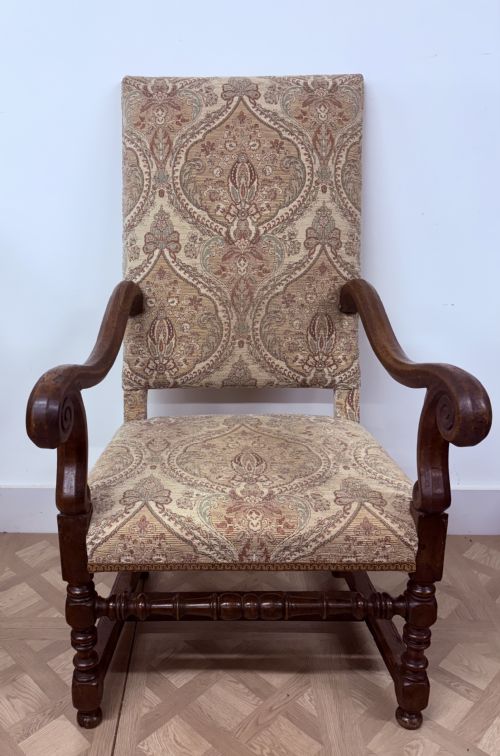
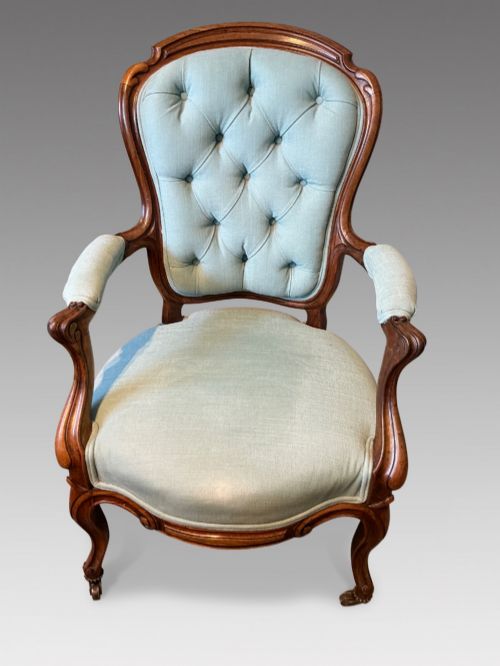
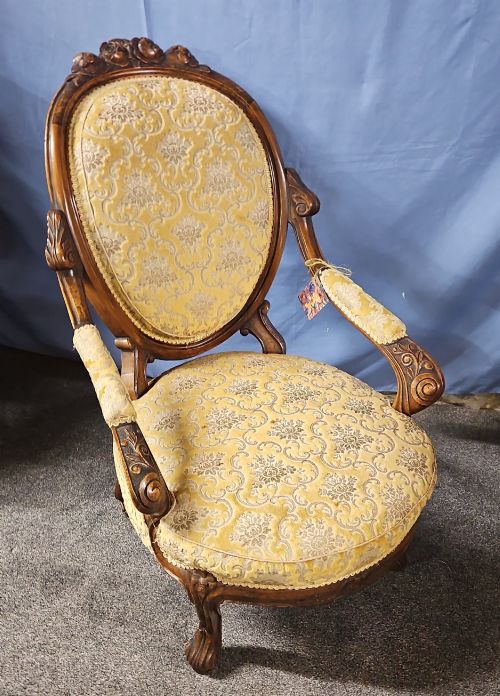
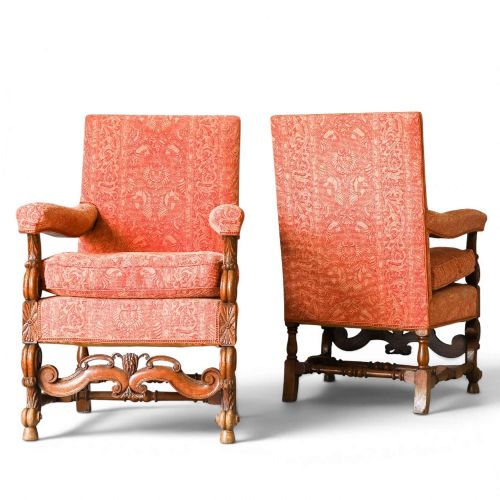
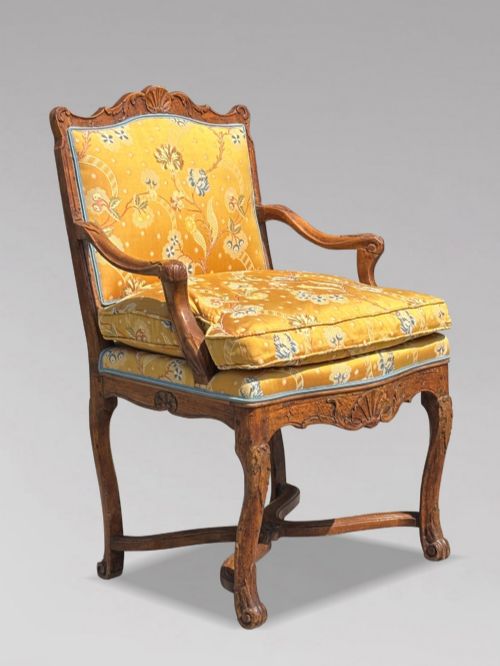
An upholstered fauteuil chair brings continental elegance and open-armed comfort to a room, combining exposed wooden frames with plush textile seating.
Upholstered Fauteuil Chair
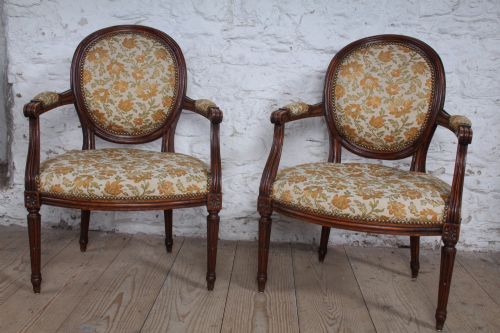
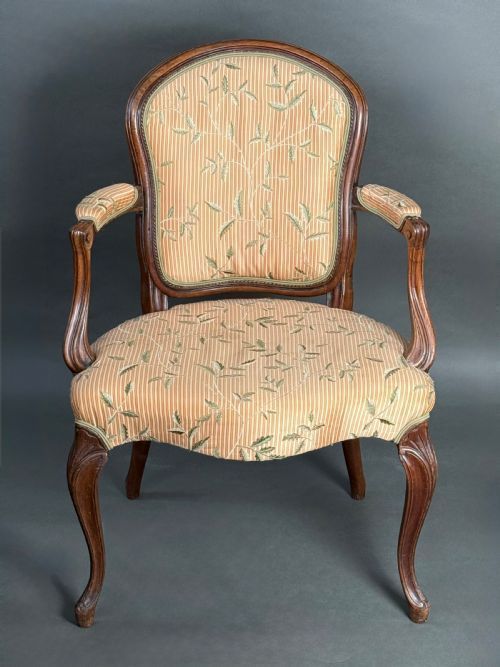
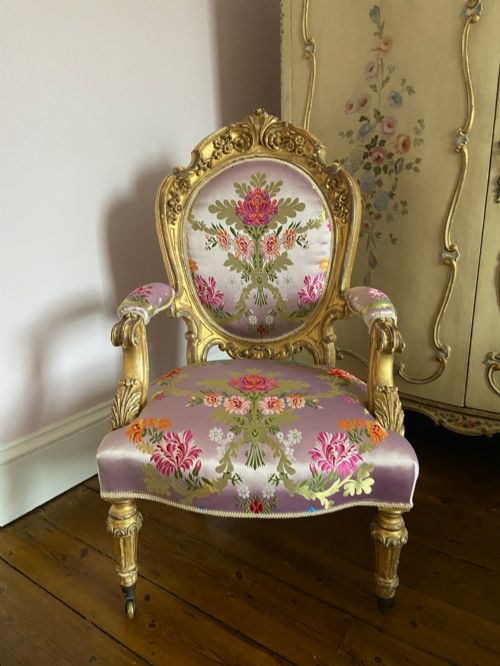
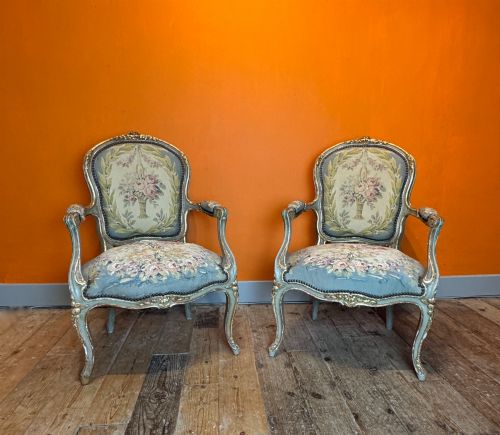
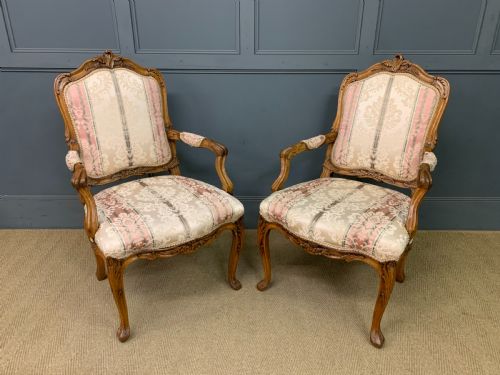
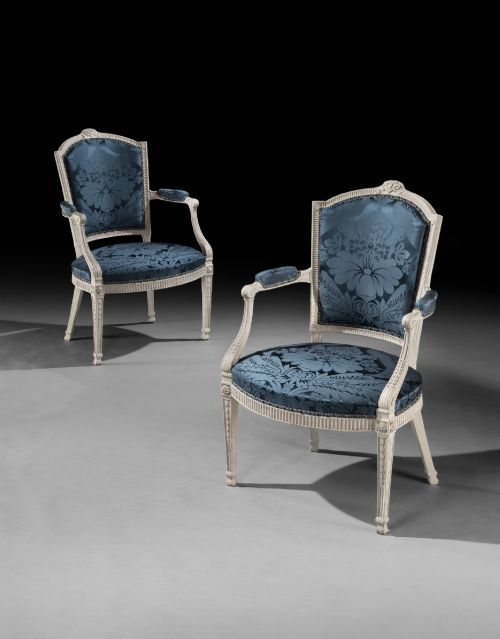
When searching for an upholstered fauteuil chair, buyers encounter open-framed armchairs originating mainly from French and English traditions across the seventeenth, eighteenth, and nineteenth centuries. These seating forms range from provincial walnut designs to gilded salon pieces reflecting styles such as Louis XV, Louis XVI, and Rococo Revival.
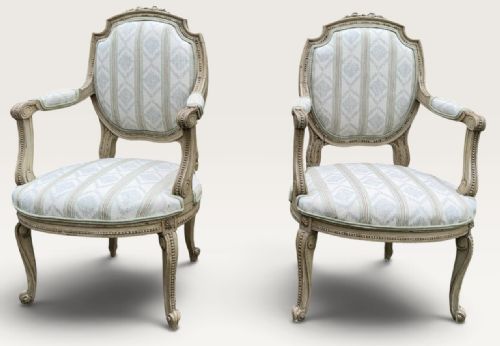
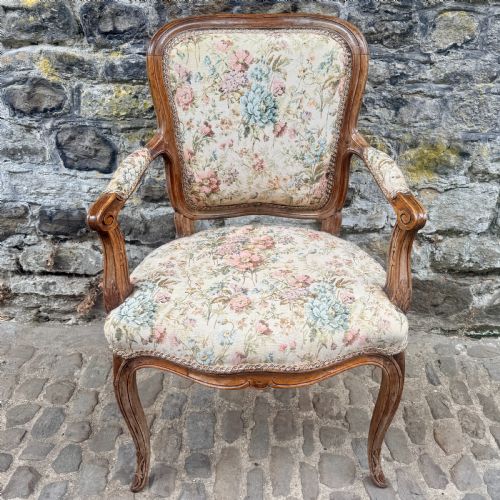
The version most commonly met on this page is the nineteenth-century walnut or painted French armchair, often featuring carved wooden armrests and traditional textile upholstery. Many pieces show revival styles spanning from the Victorian era into the early twentieth century, maintaining the classic open elbow design.
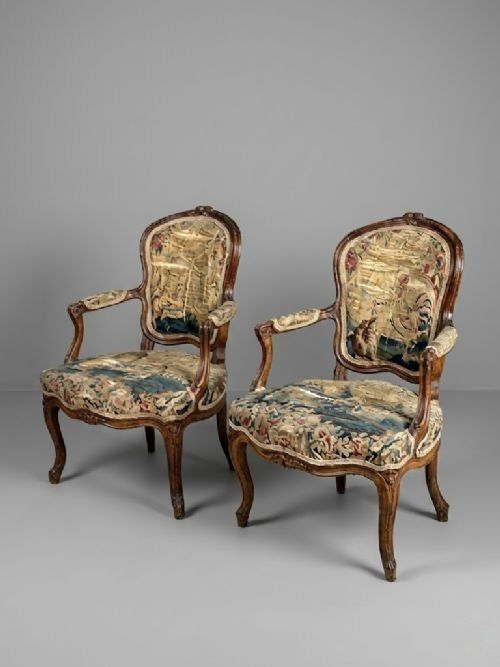
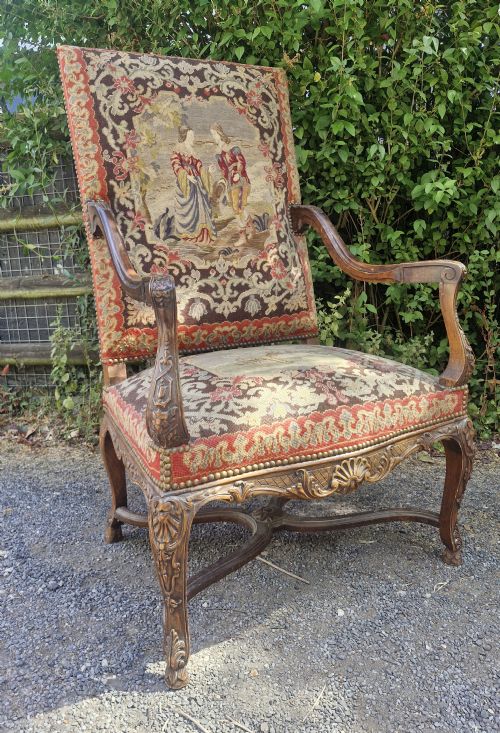
The selection encompasses diverse woods including mahogany, rosewood, and beech, paired with coverings that range from period tapestry and silk to needlework and leather. These armchairs served historically as reading, library, or salon seating, providing a distinct profile defined by low-padded seats and open wooden arms.
Materials and construction methods
Frames are constructed from hardwoods like walnut, beech, oak, and mahogany, frequently shaped through manual carving and joinery. Artisans applied finishes including original paint, parcel gilt, and ebonising to enhance the exposed wooden surfaces.
Upholstery techniques involve traditional textiles such as silk, needlework, tapestry, and leather, secured to the wooden frameworks with careful padding. Many examples preserve hand-stitched needlepoint or woven Aubusson coverings that complement the carved structural woodwork.
Listings feature walnut, mahogany, and rosewood frames alongside silk, tapestry, and leather upholstery spanning the seventeenth to early twentieth centuries.
Markers of distinction in craftsmanship
Quality resides in the crispness and depth of the hand-carved woodwork on the frame, where fluid lines and defined botanical or scroll motifs distinguish superior examples from simpler ones. The choice of primary timber, such as dense figured walnut or solid mahogany, further separates standard production from finer creations.
The integrity of the structural joinery and the retention of original finishes, whether giltwood or painted surfaces, dictate the standing of a piece. Additionally, the standard of the textile covering - particularly hand-stitched needlepoint or period tapestry - contributes significantly to the overall execution.
Henri Jacob·Blaise Maucuy
The Upholstered Fauteuil Chair Glossary
- Fauteuil
- An open-armed upholstered armchair originating in France, characterised by exposed wooden framing around the back and seat. This form became a staple of formal salon and library seating.
- Giltwood
- Timber treated with a thin layer of gold leaf applied over a prepared gesso base. This decorative surface treatment was widely utilised on formal eighteenth and nineteenth-century seating.
- Aubusson
- A traditional style of hand-woven tapestry named after the French town where production centred. These textiles frequently appear as historical upholstery on formal armchairs.
- Needlework
- Hand-stitched embroidery executed on canvas mesh using wool or silk threads. Such textiles provide durable and decorative coverings for period chair seats and backs.
Upholstered Fauteuil Chair: Frequently Asked Questions
What is a fauteuil chair?
A fauteuil is an upholstered armchair featuring an exposed wooden frame and open sides beneath the armrests. This form emerged in France to provide comfortable yet formal seating for salons and withdrawing rooms.
Unlike fully upholstered armchairs, the wooden structure remains visible as a decorative element. Carved details and exposed joints define the distinct aesthetic of these classic seats.
How do I identify the period?
Dating relies on stylistic markers, wood choices, and construction techniques visible in the frame. Eighteenth-century examples often display restrained carving and specific regional proportions, while nineteenth-century pieces frequently emulate earlier Louis styles with heavier timbers.
Upholstery materials and revival trends also offer clues to the age of a piece. Examining the underlying woodwork and joining methods helps confirm the era of manufacture.
How were these chairs used historically?
These armchairs served primarily as occasional, reading, or library seating within upper-class residences. Their open arm design accommodated the voluminous fashions of the period while offering comfortable support for leisure.
Placed in salons or parlours, they functioned both as practical seating and as status items. Their decorative frames ensured they contributed to the overall interior scheme.
Are these chairs suitable for daily use?
These seating pieces adapt well to contemporary living when placed carefully within a room. Their sturdy hardwood construction provides reliable structural support for regular domestic environments.
Maintenance involves gentle cleaning appropriate for antique wood and textile surfaces. Placing them away from direct sunlight preserves both the fabric coverings and the timber frames.