
Louis XV Seating
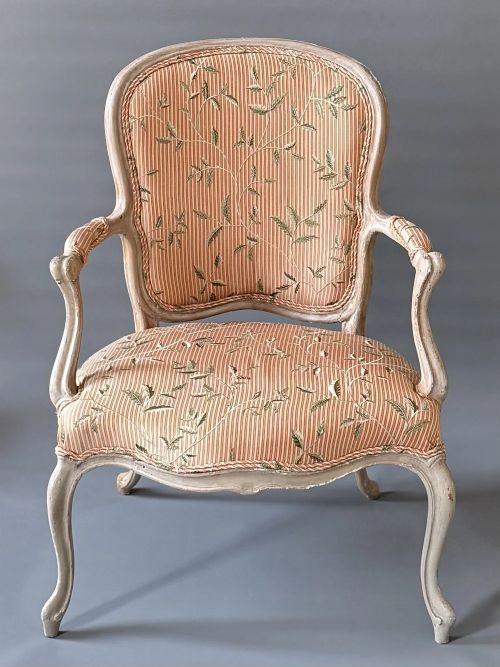
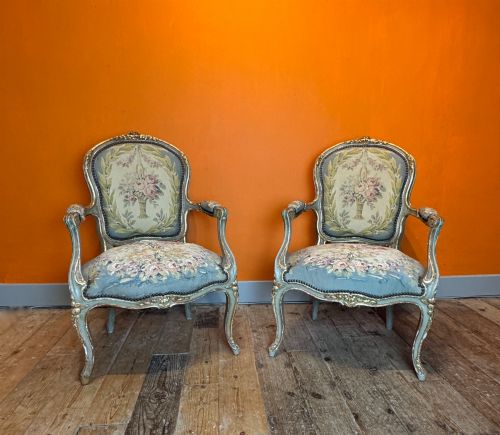
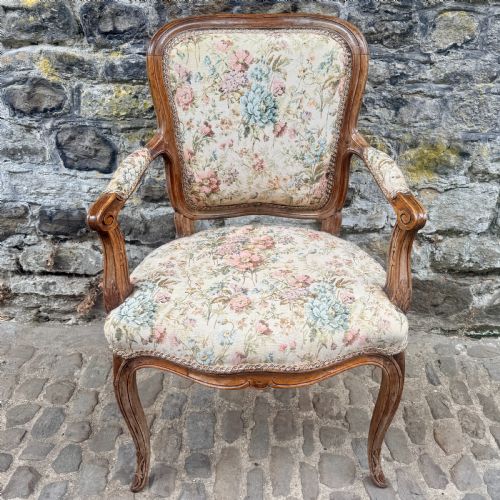
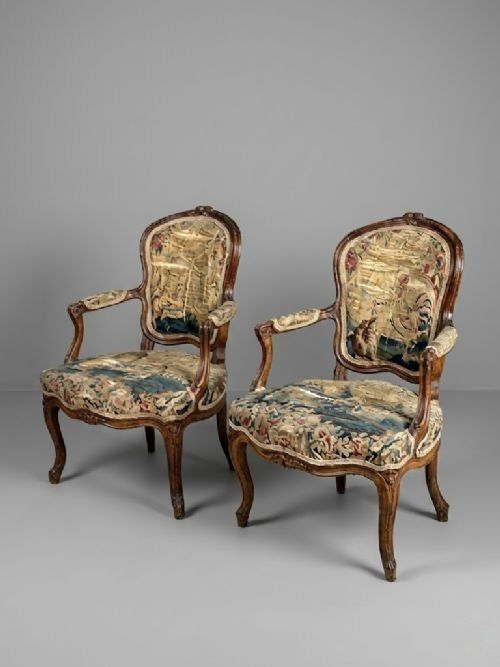
Louis xv seating brings the fluid curves and ornate character of eighteenth-century France into contemporary interiors.
Louis XV Seating
When you search for louis xv seating, you encounter a range of furnishings designed for formal reception rooms and intimate chambers, spanning authentic eighteenth-century examples to later revivals.
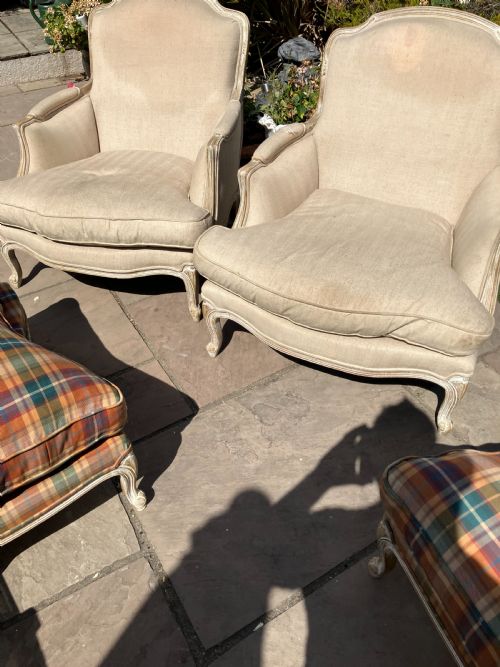
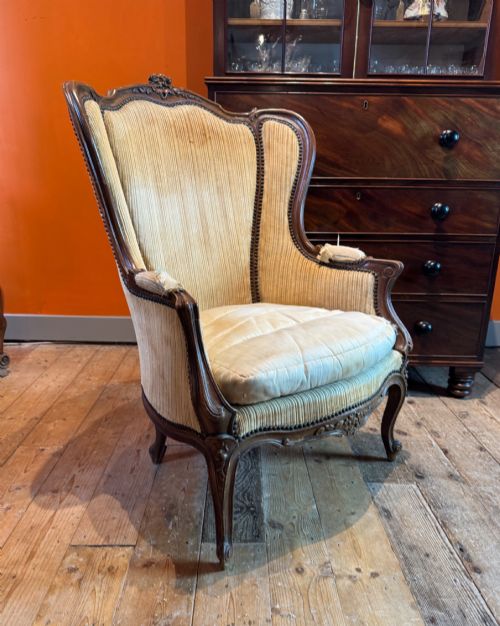
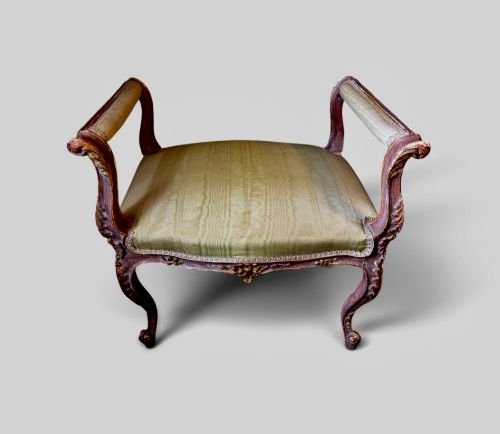
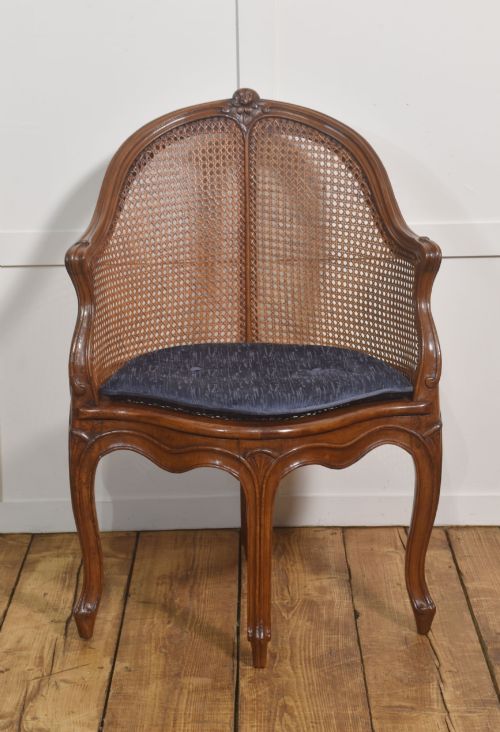
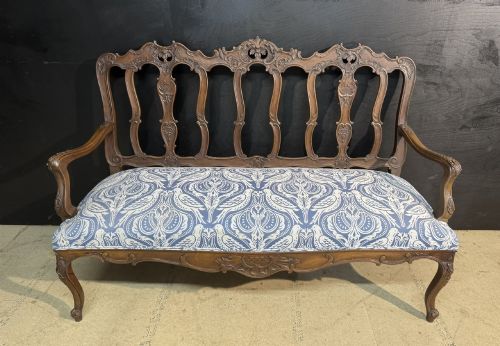
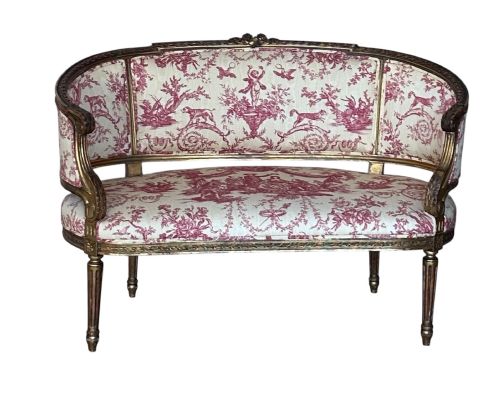
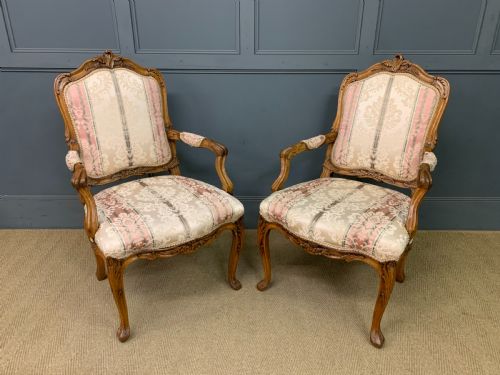
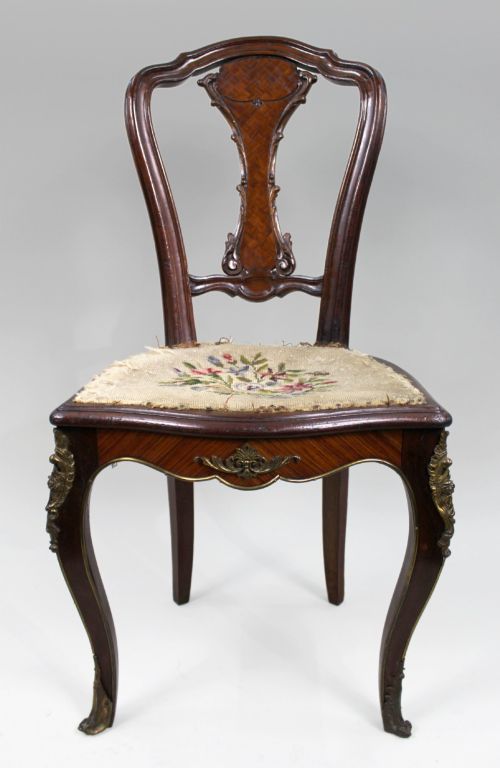
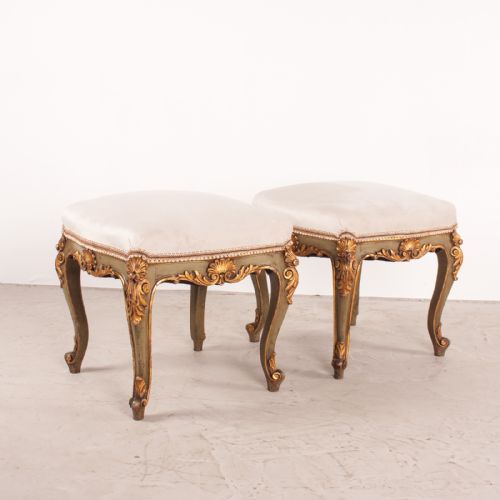
The most common pieces on this page are armchairs and settees shaped by the rococo aesthetic, alongside side chairs, footstools, and chaise longues created across the nineteenth and twentieth centuries.
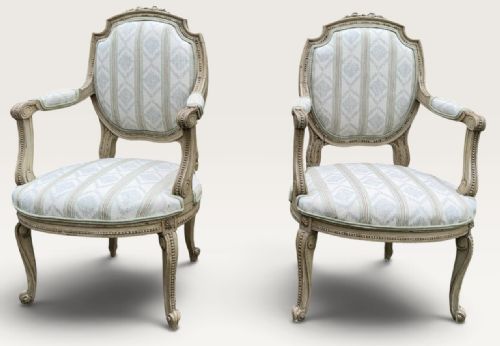
Makers often drew upon provincial traditions or grand chateau designs, producing walnut, giltwood, and painted frames upholstered in silk, tapestry, and contemporary textiles.
Materials and Construction
Craftsmen shaped structural frames from solid hardwoods like beech, walnut, and mahogany, carving sweeping cabriole legs and asymmetrical flourishes directly into the wood.
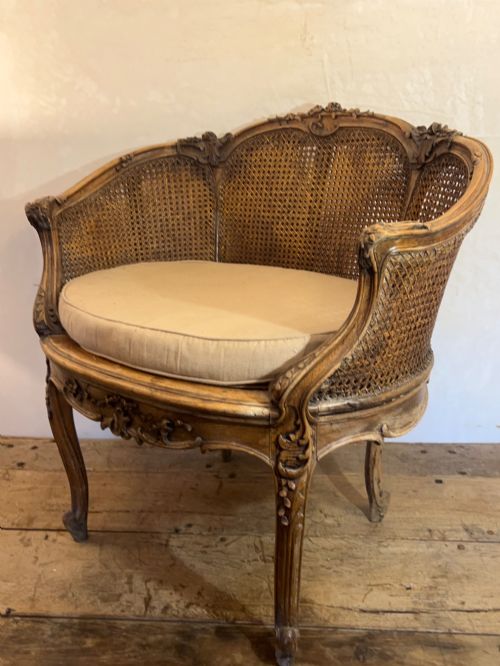
Surfaces received decorative finishes including intricate ormolu mounts, layered giltwood, and original paint schemes, while seating areas utilised cane work or traditional stuffing beneath fine silk and needlework upholstery.
Listings feature walnut, giltwood, and beech frames paired with silk, textile, and tapestry upholstery across multiple centuries.
Assessing Quality and Craftsmanship
Quality rests in the fluidity of the carving and the integrity of the timber frame, where crisp floral motifs and deep relief work distinguish superior workshop production from simpler provincial output.
The choice of surface treatment and the preservation of original elements, such as gilt, paint, and cane work, dictate the distinction between master craftsmanship and later decorative interpretations.
Blaise Maucuy·Colefax and Fowler
The Louis XV Seating Glossary
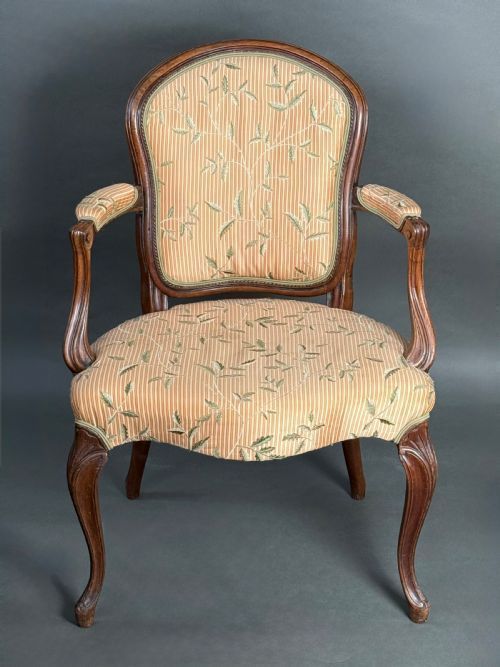
- Fauteuil
- An open-armed armchair with upholstered back and seat, typical of French salon seating. The wooden frame is usually exposed and carved.
- Canapé
- A decorative sofa or settee designed for multiple occupants, featuring an upholstered back and arms matching the associated armchairs.
- Bergere
- A closed armchair with upholstered sides and a loose seat cushion, offering a more enclosed and comfortable seat.
- Duchesse Brisée
- A chaise longue split into two or three parts, comprising an armchair and one or more footstools to form a continuous resting place.
- Ormolu
- Gilded bronze mounts applied to furniture for decoration, cast and chased with ornamental detail.
Louis XV Seating: Frequently Asked Questions
How do I distinguish eighteenth-century pieces from nineteenth-century revivals?
Authentic eighteenth-century examples display the tool marks, timber shrinkage, and joinery methods characteristic of period workshops, whereas nineteenth-century revivals often utilise machine-assisted construction and heavier carving.
Examining the underside of the frame and the wear patterns on the wood provides clear indicators of age and origin.
Are these chairs suitable for daily use?
Many antique chairs are structurally sound for everyday seating, provided the joints remain tight and the internal webbing or cane work has been properly maintained or restored.
Delicate giltwood frames and antique silk upholstery, however, benefit from more cautious placement in low-traffic settings.
How should I care for original paint and gilding?
Original painted and gilded surfaces require gentle dusting with a soft, dry cloth and protection from direct sunlight and moisture fluctuations.
Avoid commercial cleaning products and polishes, which can strip fragile patinas and historical finishes from the carved wood.