
Carved Timber Chair
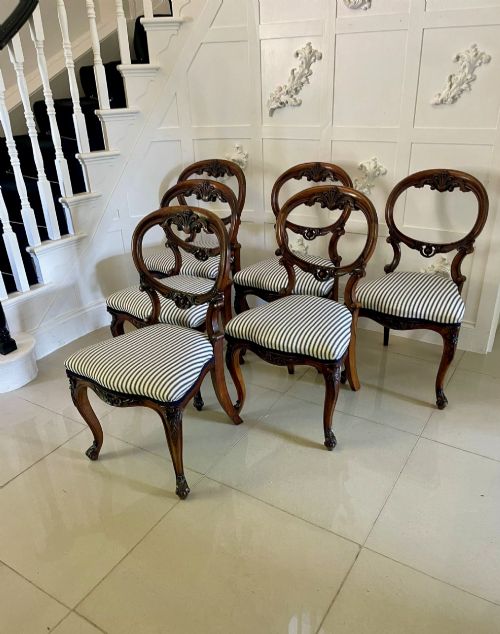
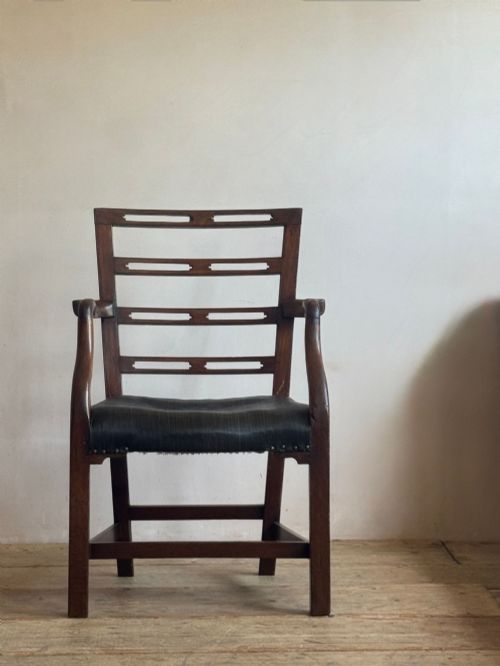
A carved timber chair brings solid craftsmanship and historic character to a room, ranging from formal mahogany hall seats to rustic windsor designs.

Carved Timber Chair
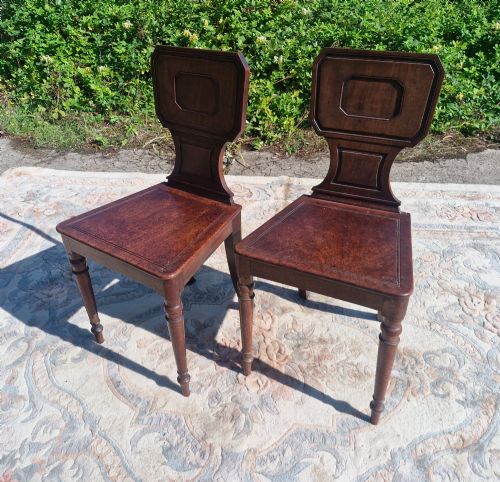
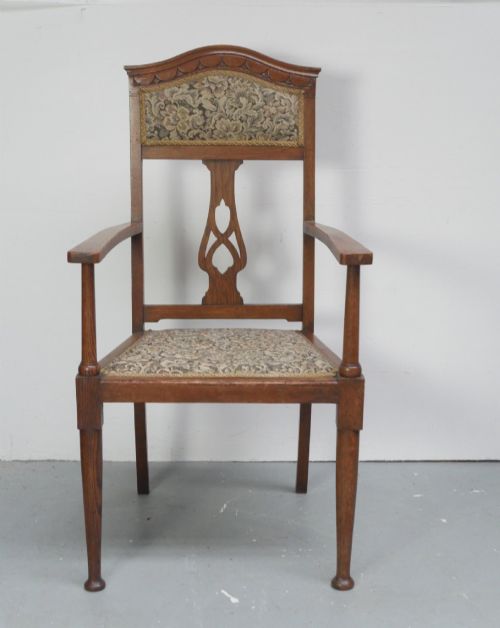
A carved timber chair encompasses a wide variety of domestic seating, with hall chairs, armchairs, and dining chairs appearing most frequently across the centuries. Buyers searching this phrase encounter examples ranging from formal Regency mahogany hall seats to robust oak and elm Windsor chairs.
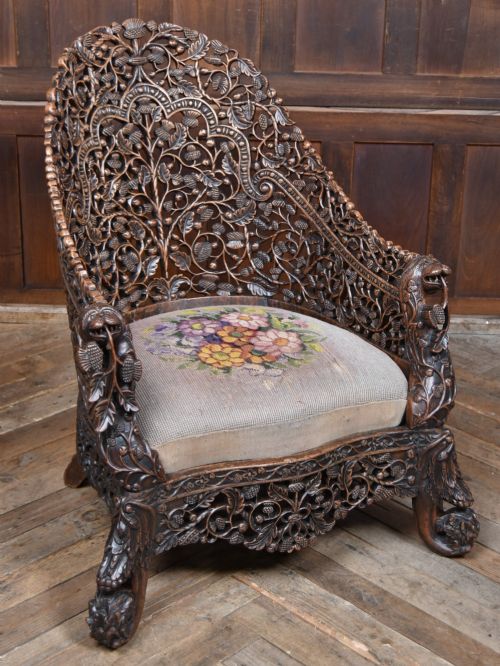
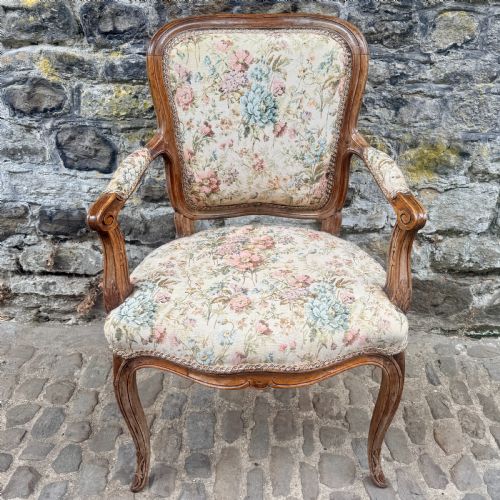
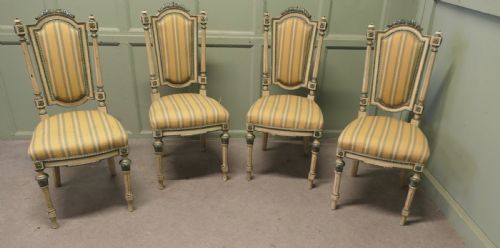
The origins span English, Scottish, French, and Anglo-Indian workshops, reflecting distinct regional tastes in carving and joinery. Period styles such as Victorian Gothic Revival, Louis XV, and William IV shape the visual identity of these seating options.
Judging Quality
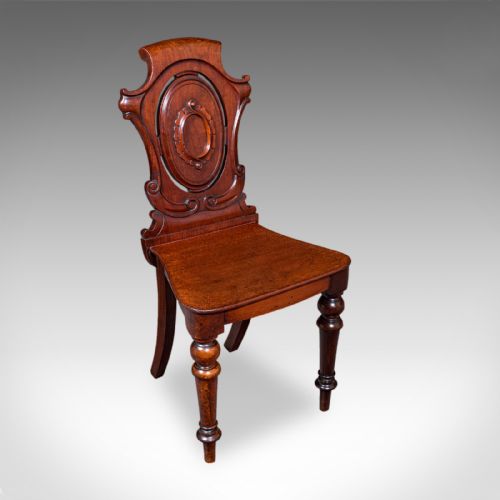
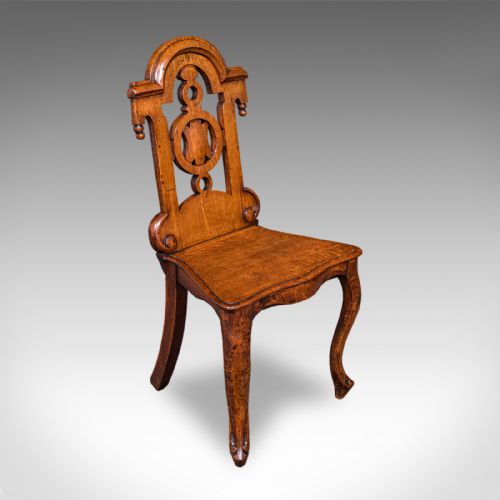
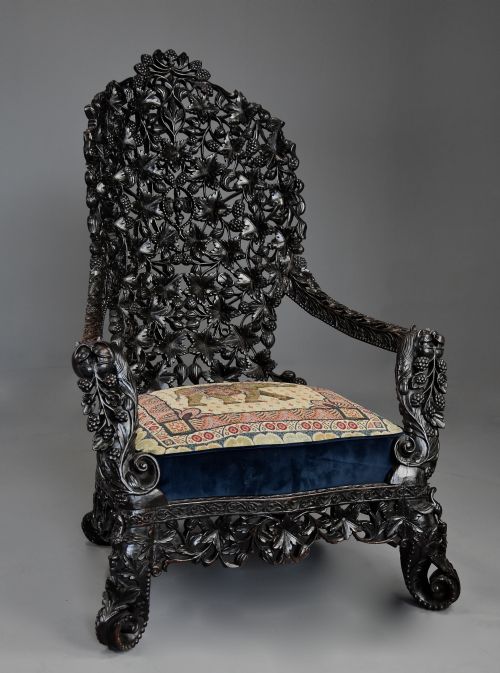
The standard of a carved timber chair depends heavily on the crispness and depth of the hand-carving on the crest rail or back panel. Sharp, well-defined relief details demonstrate superior artisan skill compared to shallow or softened ornamentation.
Structural integrity and timber selection separate finer examples from utilitarian pieces. Dense, unblemished grain and tight, original joinery distinguish workshop standards across Georgian, Regency, and Victorian iterations.
Carved Timber Chair Retail Price Guide 2026
Typical asking prices for carved timber chair among the pieces listed under this phrase on Sellingantiques today, from the lower quarter to the upper quarter. They describe what is for sale here now, not the wider market.
Elephant armchairs from the art deco period offer an unexpectedly sculptural seating option carved from solid timber.
The Carved Timber Chair Glossary
- Hall chair
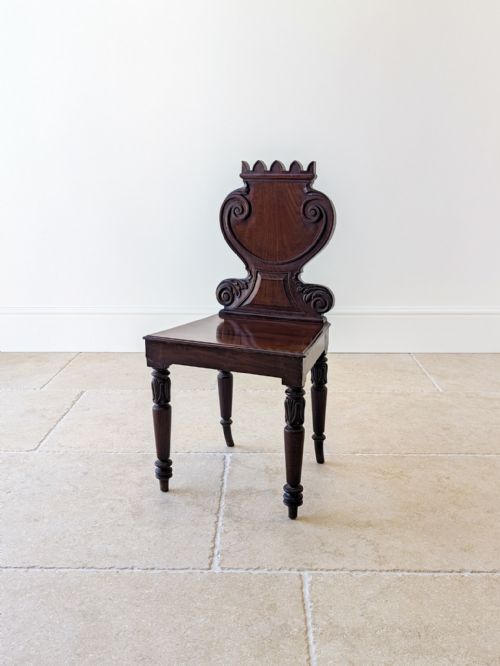
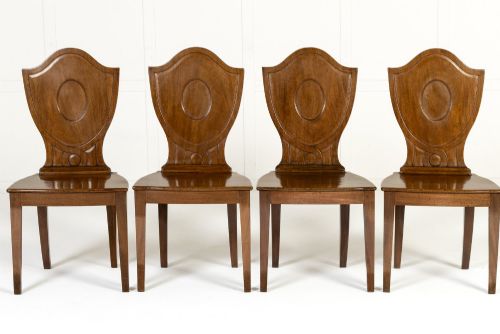
- A rigid wooden seat traditionally placed in entrance halls, often featuring a carved or painted armorial crest on the back.
- Shield back
- A chair back shaped in the outline of a heraldic shield, popular in Georgian and Victorian designs.
- Windsor chair
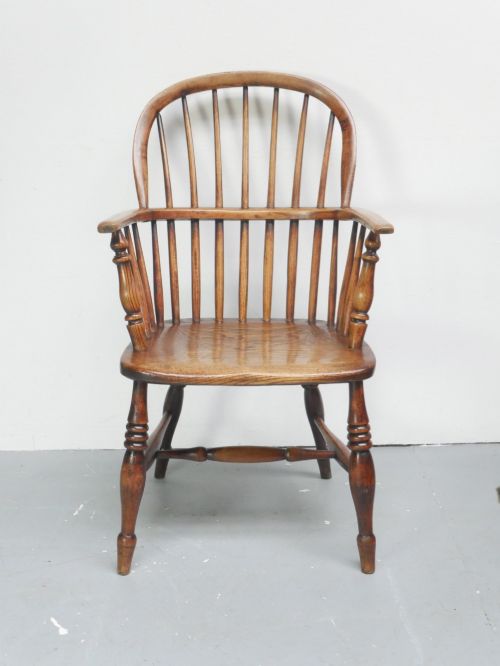
- A traditional seat constructed with a solid wooden saddle-shaped seat into which turned legs and spindle backs are wedged.
- Gothic Revival
- A nineteenth-century design movement incorporating medieval architectural motifs such as trefoils and pointed arches.
- Corbeille seat
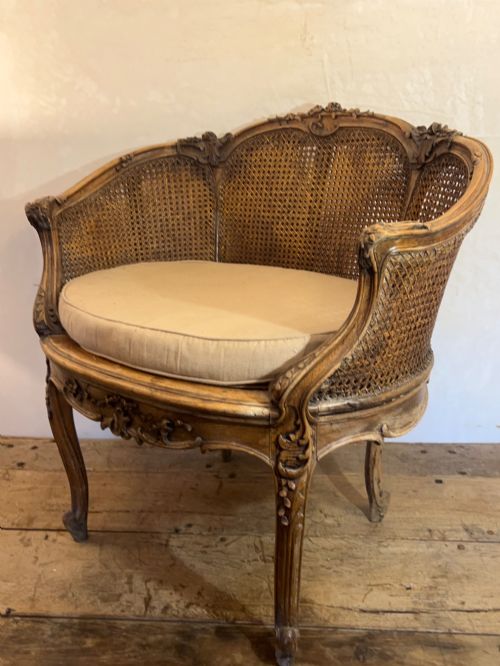
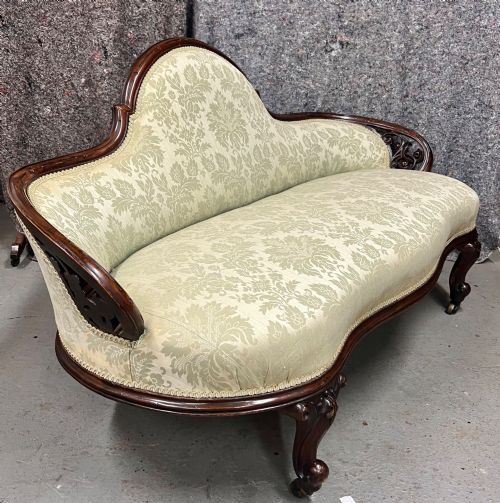
- A French upholstered armchair with a rounded, basket-like back enclosing the sitter.
Carved Timber Chair: Frequently Asked Questions
Where were hall chairs used?
Hall chairs were traditionally placed in grand entrance halls and reception rooms of country houses and town residences. They served as formal seating for visitors waiting to be announced rather than for long periods of lounging.
Because of this specific purpose, most surviving examples feature rigid wooden seats and decorative carved backs displaying family crests or heraldic shields.
How do I identify a Windsor chair?
A Windsor chair is distinguished by its heavy, sculpted wooden seat into which the legs and back spindles are directly inserted rather than attached through a traditional frame. This construction method provides notable structural strength.
They frequently utilise mixed timbers, combining an elm seat with ash or yew for the bentwood bows and spindles, and appear in both country and provincial settings.
What defines Gothic Revival seating?
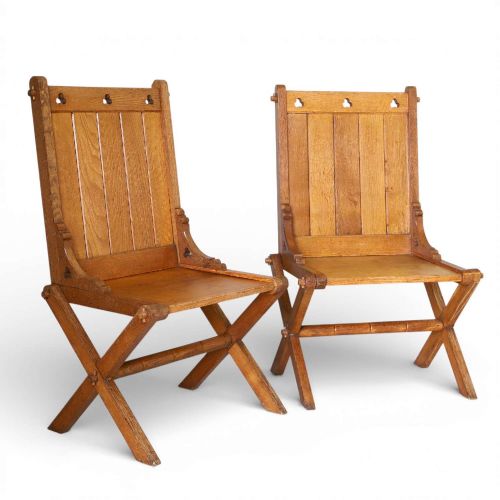
Gothic Revival chairs draw direct inspiration from medieval architecture, utilising pointed arches, trefoil cut-outs, and heavy, imposing proportions. They became particularly popular during the nineteenth century.
These pieces are typically constructed from oak or walnut and often feature architectural paneling that echoes church joinery of earlier centuries.
How should I care for antique timber?
Antique timber seating requires a stable indoor environment away from direct heat sources and strong sunlight to prevent the wood from drying out and splitting. Regular dusting with a soft, dry cloth preserves the polished surface.
Applying a traditional beeswax polish occasionally helps nourish hardwood surfaces like mahogany and oak without building up heavy chemical residues.