


Rococo Wooden Armchair
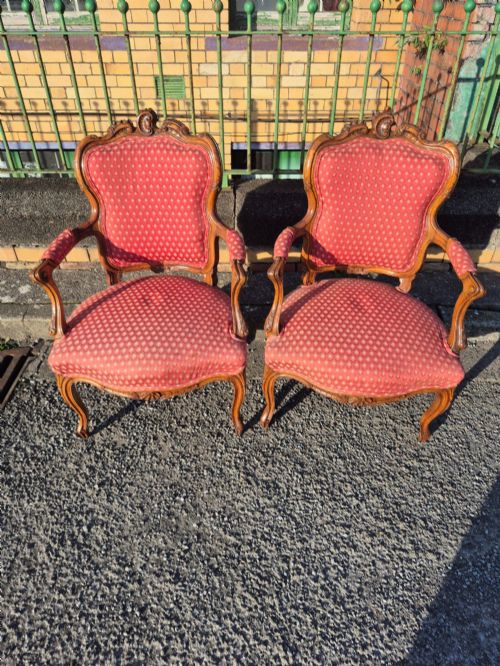
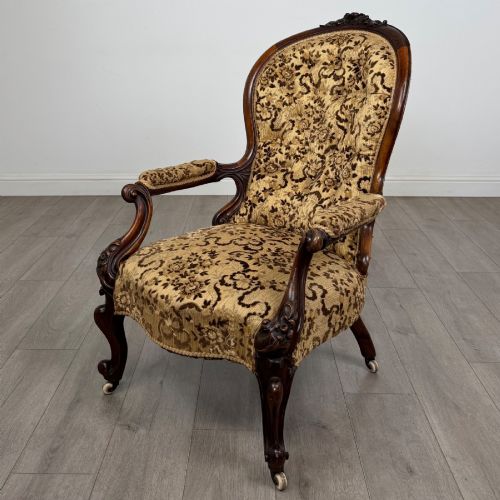
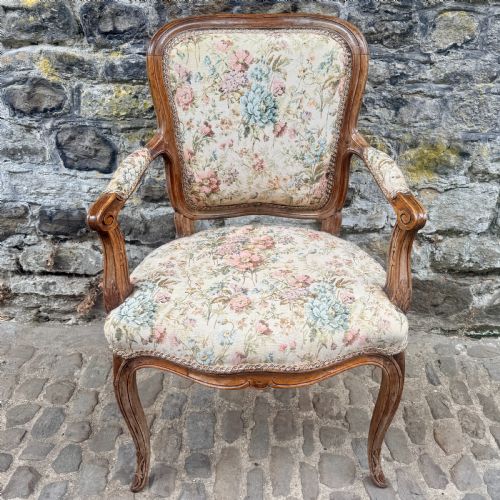
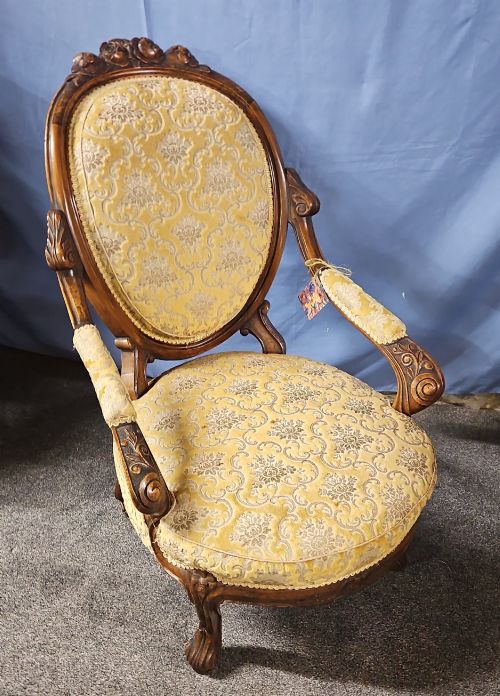
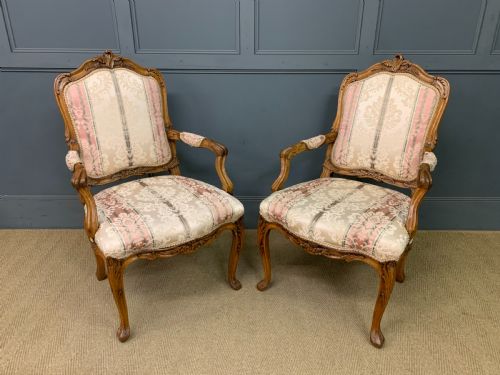
These rococo wooden armchair examples bring curving lines and carved detail into a room, offering both history and a seat.
Rococo Wooden Armchair
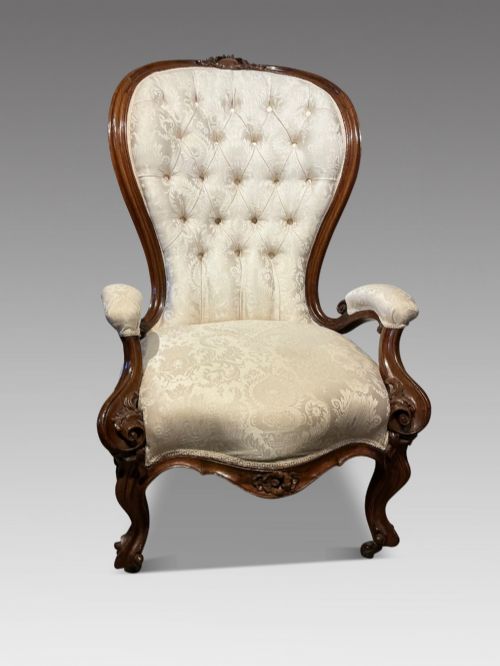
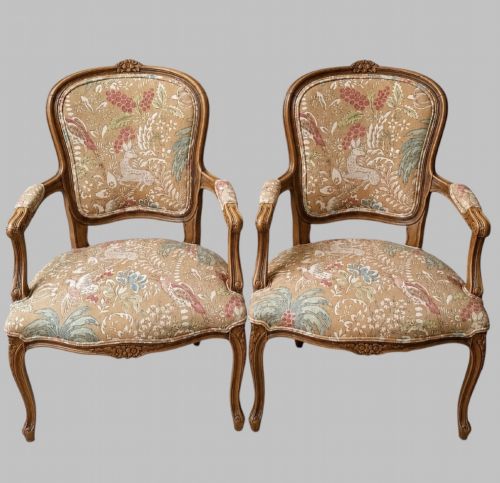
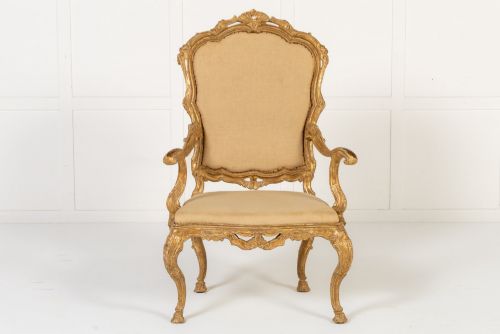
A rococo wooden armchair represents a distinct line of seating shaped by continental and revival influences across the eighteenth and nineteenth centuries. When searching for a rococo wooden armchair, buyers encounter pieces ranging from eighteenth-century Italian giltwood and French provincial models to later Victorian revivals.
The selection includes single salon chairs, matched pairs, and larger scale armchairs upholstered in fabric, tapestry, or plain wood. Forms span French styles, Venetian pieces, and sturdy Victorian interpretations in walnut, mahogany, and rosewood.
How they were made
Construction relies on solid hardwoods such as walnut, mahogany, and rosewood, shaped by hand carving into characteristic curved frames. Gesso, paint, and sometimes giltwood finish the wooden surfaces.
Upholstery techniques involve fabric, tapestry upholstery, and petit point needlework secured to the frame, sometimes accompanied by brass details.
Listings feature walnut, mahogany, rosewood, and fabric materials across eighteenth and nineteenth century periods.
What varies in quality
The standard of carving distinguishes different examples, with deep relief work and fluid lines marking out finer work. Crisp detailing on the wooden frames separates more ambitious seating from simpler production.
The choice of primary timber and the integrity of the original frame structure also govern the overall execution. Upholstery materials range from simple fabric to detailed tapestry work.
The Rococo Wooden Armchair Glossary
- Giltwood
- Wood that has been coated with gold leaf or a gilt finish. This treatment appears on decorative frames from the eighteenth century.
- Petit point
- A very fine tent stitch embroidery used on canvas. It creates detailed pictorial upholstery scenes on period salon chairs.
- Gesso
- A plaster-like mixture applied to wood as a base for paint or gilding. It allows for sharp, moulded surface decoration.
- Salon chair
- A light, decorative seating piece designed for entertaining guests in a reception room. These chairs prioritize stylistic elegance over heavy padding.
Rococo Wooden Armchair: Frequently Asked Questions
What is a rococo wooden armchair?
A rococo wooden armchair is a seated piece featuring carved wooden frames, curved cabriole lines, and ornamentation inspired by eighteenth-century design.
These pieces appear in various regional styles, including French provincial, Italian giltwood, and later Victorian revivals utilising walnut and mahogany.
How old are these armchairs?
The pieces span a wide chronological range from the eighteenth century through the nineteenth-century Victorian era up to twentieth-century revivals.
Dates are determined by the timber used, the style of the carving, and the construction methods evident in the frame.
Where were these chairs made?
Origin points include France, Italy, and Britain, reflecting continental design movements and local cabinet-making traditions.
French provincial and Italian workshops produced many of the earlier carved and gilt examples found today.
What woods are used?
Makers utilised walnut, mahogany, rosewood, and general hardwoods for the structural frames of these armchairs.
Softer woods or base materials like gesso were also applied beneath paint and gilding to hold fine decorative relief.