
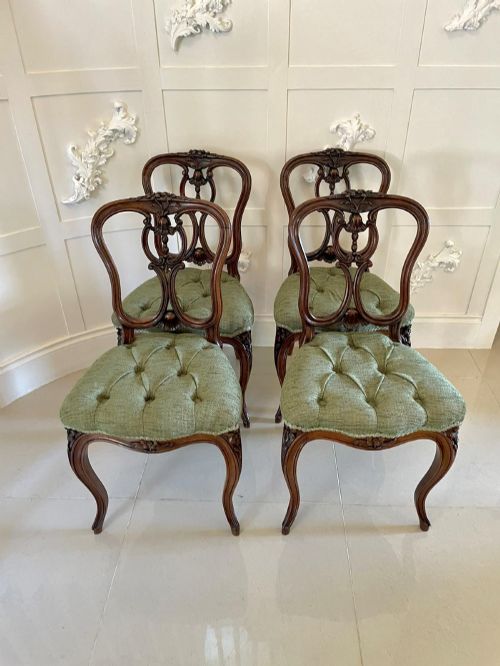

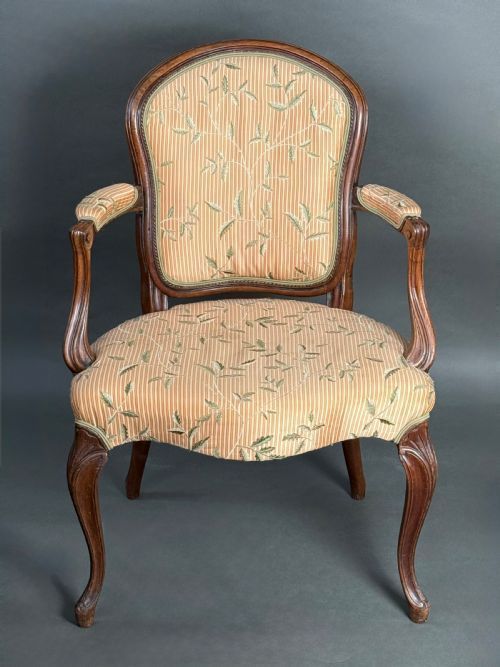
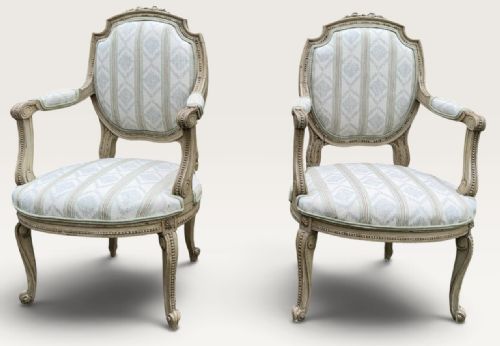
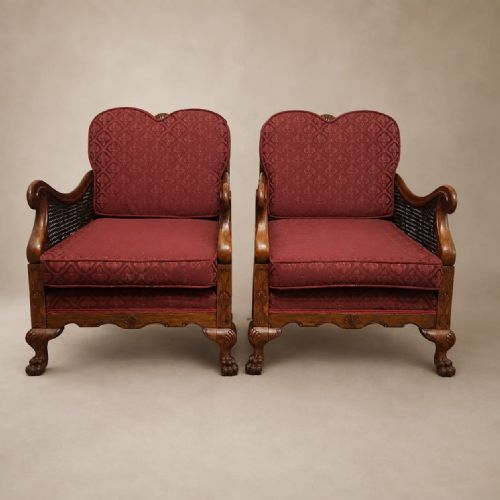
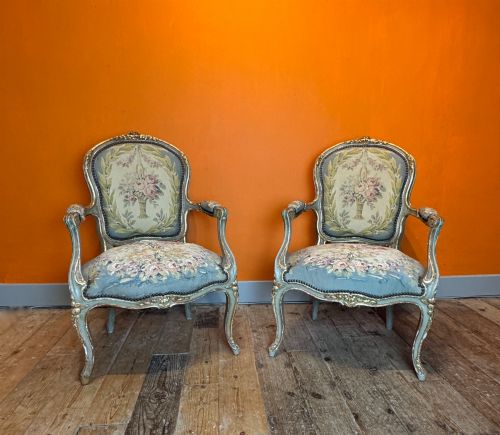
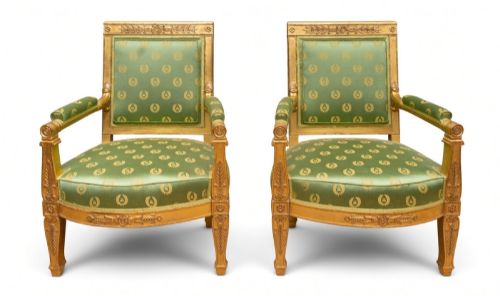
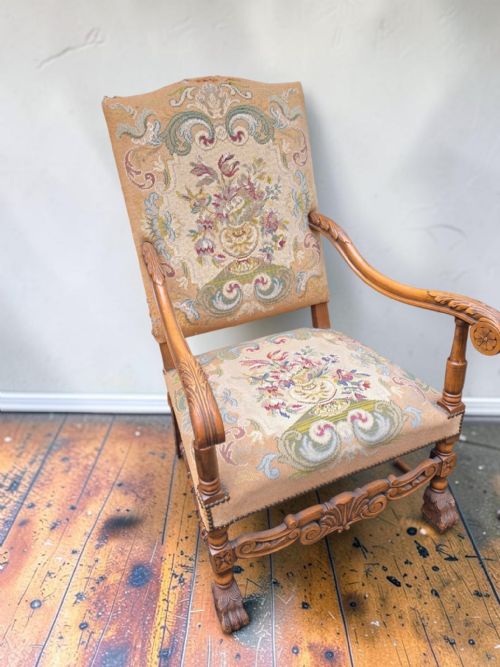
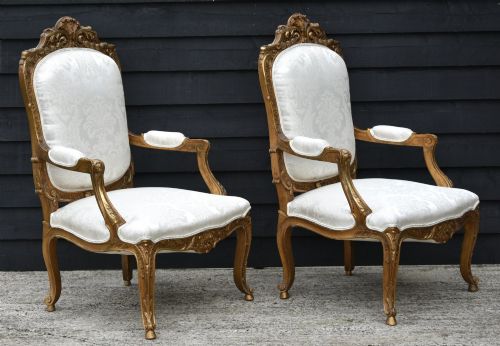
French Carved Accent Chair
When you select a french carved accent chair, you choose a seating form rooted in continental tradition and developed through centuries of cabinet-making.
French Carved Accent Chair
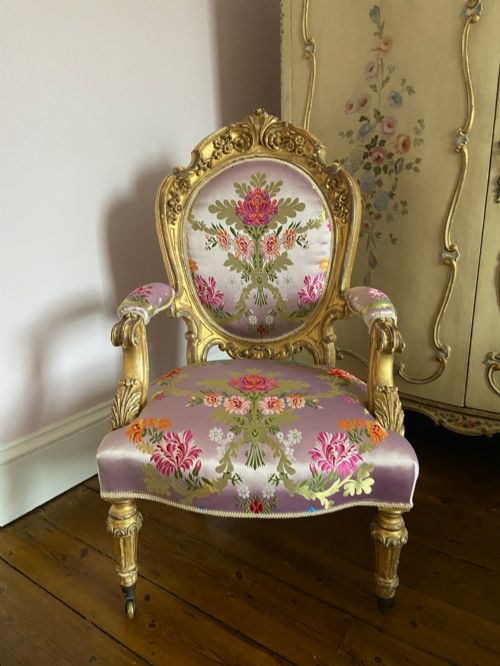
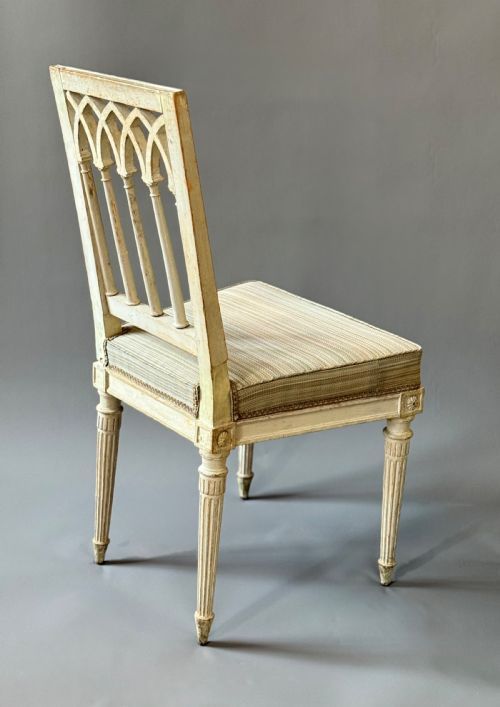
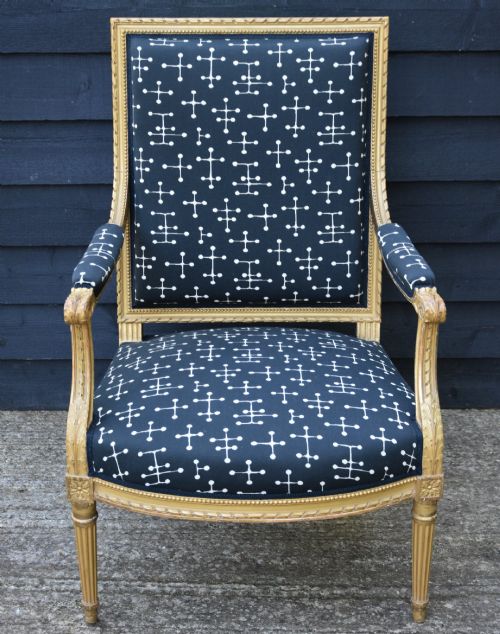
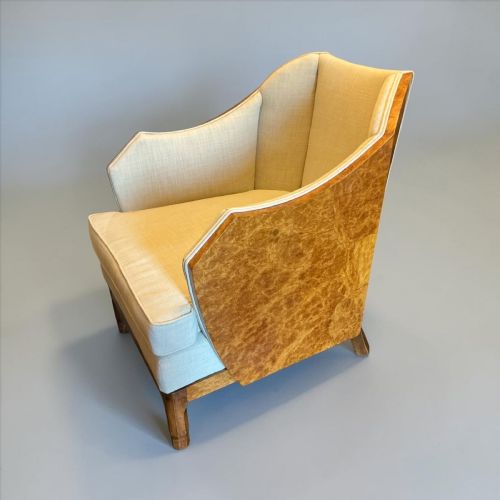
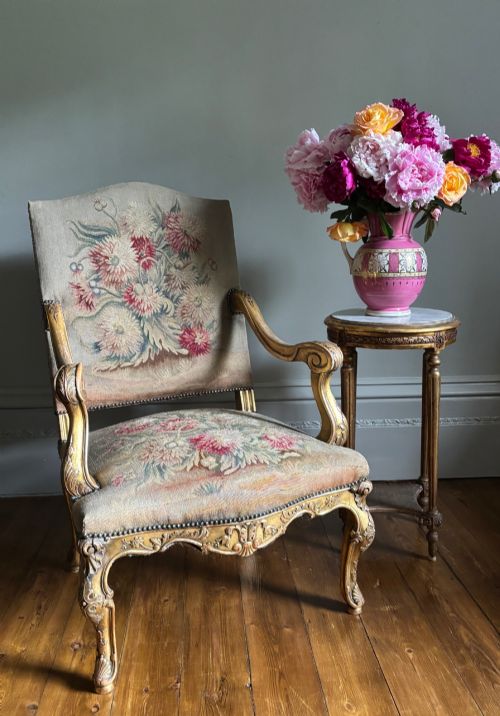
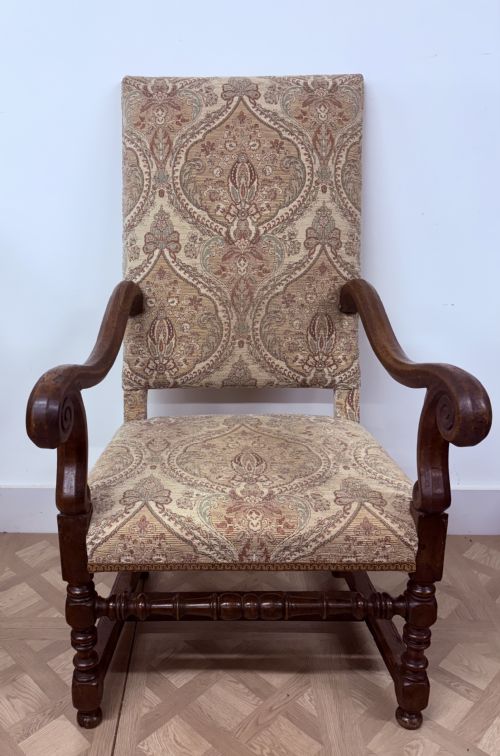
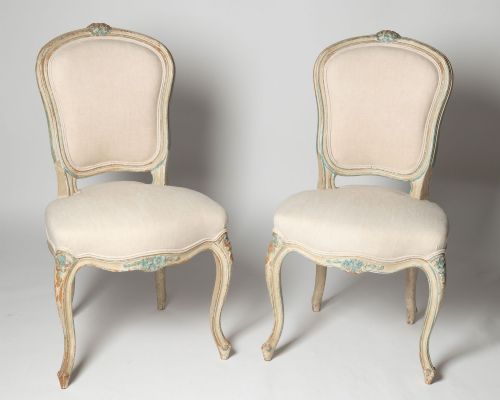
A french carved accent chair encompasses diverse seating forms including open armchairs, salon chairs, and bergères designed for domestic display and comfort.
The selections available span from eighteenth-century Regence and Louis periods through nineteenth-century revivals up to twentieth-century interpretations.
Buyers frequently encounter walnut and giltwood frames accompanied by varied textile coverings such as tapestry, silk, and velvet.
Materials and construction
Carpenters utilised dense timbers like walnut, oak, and beech to construct stable structural frames capable of supporting intricate hand-carved ornamentation.
Surface treatments involved application of gold leaf for giltwood pieces alongside painted finishes and original paint schemes on select frames.
Upholstery techniques incorporated traditional stuffing secured beneath decorative textiles including silk, tapestry, velvet, and needlework.
Some nineteenth-century makers hid intricate floral carvings beneath armrests where only the inspecting hand of the owner would discover them.
Distinctions in craftsmanship
The crispness and depth of the wood carving distinguish superior examples, where botanical and scroll motifs show precise chisel work rather than soft moulding.
Frame integrity depends on traditional joinery methods that maintain rigidity across load-bearing joints without relying on modern fasteners.
The choice of original upholstery materials, such as historic silk or hand-worked tapestry, elevates the historical integrity of the piece.
Jacob-Desmalter·Thomas Chippendale·Blaise Maucuy
The French Carved Accent Chair Glossary
- Bergère
- An enclosed upholstered armchair with wooden framing and a stuffed seat, often featuring cane panels on the sides or back.
- Fauteuil
- An open-arm armchair with upholstered seat and back, possessing exposed wooden arms and a carved frame.
- Giltwood
- Timber coated with a thin layer of gold leaf or gilt finish to create a brilliant decorative surface.
- Cabriole
- A furniture leg that curves outward and then tapers inward, mimicking animal limbs.
- Regence
- A transitional design period bridging the seventeenth and eighteenth centuries, characterised by early rococo curves and lively ornamentation.
French Carved Accent Chair: Frequently Asked Questions
How do I identify a true period chair?
Examine the timber shrinkage, joinery methods, and tool marks visible on unexposed secondary woods beneath the frame. Hand-cut pegs and traditional mortise-and-tenon joints point towards older craftsmanship.
Compare the carving style and proportions against documented examples from specific design eras. Stylistic consistency across the frame usually confirms the period of origin.
Where should I place these chairs in a modern home?
These seating pieces function well as accent items in living rooms, bedrooms, or reading corners where their decorative carved frames can be appreciated. Pair them with complementary side tables or position them near natural light sources to highlight the timber and gilding.
Ensure traffic routes around the chair remain clear to protect delicate textiles and carved wooden details from accidental knocks.
How do I care for antique giltwood frames?
Dust giltwood surfaces gently with a soft, dry ostrich feather duster to remove surface particles without disturbing the delicate gold leaf. Avoid liquid cleaners, damp cloths, and chemical polishes entirely, as moisture strips the traditional gesso and gilding.
Keep the chair away from direct sunlight and rapid temperature fluctuations to prevent the underlying wood from warping or cracking.