



Antique Conversation Chair
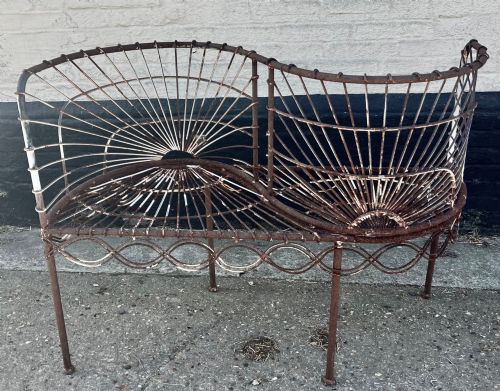
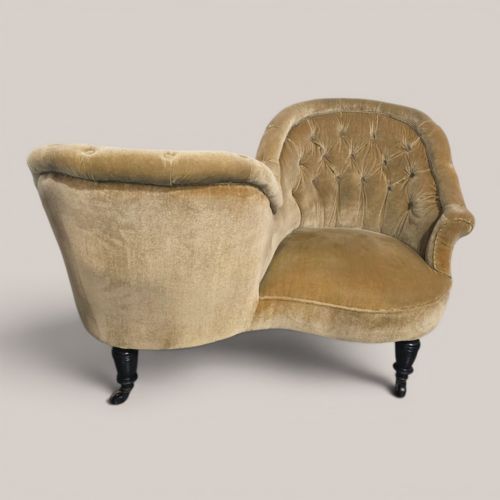
An antique conversation chair invites two people to sit face-to-face in intimate discourse, shaped by 19th-century social seating design.
Antique Conversation Chair
An antique conversation chair takes various forms across this selection, ranging from S-shaped conversation seats and tete-a-tete sofas to corner armchairs and upholstered occasional seating designed for polite dialogue. You are most likely to encounter Victorian examples featuring walnut, mahogany, and diverse revival styles from the nineteenth century.
The evidence shows these designs span multiple periods including the Georgian era, the Victorian epoch, and the Edwardian period, incorporating styles such as Rococo Revival, Renaissance Revival, and Moorish Revival. Forms stretch from twin high-back sofas and gilded settees to caquetoire armchairs and salon suites.
Makers and artists represented in the broader record include Francis Alleyne, connecting the furniture to period interior scenes and portraiture. The pieces serve as sociable seating arrangements that bridge the gap between a standard sofa and individual armchairs.
How they were made
Construction relies heavily on timbers like mahogany, walnut, and hardwood, shaped into barley twist frames or hand-carved giltwood structures. Joinery and carving support upholstered components that require robust internal framing to bear weight from opposing angles.
Upholstery forms a vital part of the construction, utilising fabrics such as velvet, damask fabric, and general textiles over sprung or padded foundations. Gilded finishes and inlaid details provide surface ornamentation on select Continental and English frames.
Some nineteenth-century sitters required specialised S-shaped upholstery so delicate gossip could travel unimpeded between neighbours.
What varies in quality
The degree of hand-carving and the sophistication of the timber frame distinguish the finer examples from simpler production. Superior pieces exhibit crisp detail in giltwood or hardwood elements alongside harmonious proportions in complex multi-seat configurations.
The integrity of the original frame design, whether a barley twist or an inlaid mahogany structure, dictates the overall character. Upholstery choices and the retention of period textiles or appropriate period-style fabric influence how successfully the piece maintains its historical integrity.
Francis Alleyne
The Antique Conversation Chair Glossary
- Tete-a-tete
- Head-to-head seating for two people, typically arranged in an S-shape so the occupants sit facing opposite directions while remaining side by side.
- Caquetoire
- A light, high-backed armchair originating in the sixteenth century, often featuring a trapezoidal seat designed to facilitate lively conversation.
- Barley twist
- A type of turning shaped like a helix, resembling a twisted rope, frequently utilised on the wooden legs and supports of seventeenth and nineteenth-century furniture.
- Showwood
- Furniture framing where polished timber is deliberately left exposed around the upholstered sections, displaying the quality of the wood.
- Giltwood
- Timber that has been coated with gold leaf or a gold-coloured finish to provide a decorative, reflective surface.
Antique Conversation Chair: Frequently Asked Questions
What is an antique conversation chair?
An antique conversation chair is a specialised piece of seating furniture designed to allow two people to converse easily while facing one another or sitting at an angle.
These forms include S-shaped seats, tete-a-tete sofas, and corner armchairs developed primarily during the Victorian and Georgian periods for drawing rooms and parlours.
How were conversation seats used?
Victorian and Edwardian hosts utilised these seats in salons and drawing rooms to encourage polite social interaction and private dialogue among guests.
The curved or joined configuration allowed two participants to sit close together without awkward body positioning.
How do I date a conversation chair?
Dating relies on examining the timber species, upholstery technique, and stylistic markers such as Rococo Revival curves or Moorish influences.
Periods represented in these pieces range from 18th-century Georgian hand-carved giltwood to late-19th-century walnut and ebonised frames.
What styles do these chairs come in?
The available styles span a wide aesthetic range, incorporating Victorian revivalism, Louis XVI influences, Italian Rococo, and Moorish Revival elements.
Woods like mahogany and walnut support diverse decorative treatments including gilding, inlay, and barley twist turnings.