







Antique French Mantle Ornaments
Antique french mantle ornaments bring character and period weight to a room, ranging from bronze animalier bronzes to delicate porcelain figures.
Antique French Mantle Ornaments
When you search for antique french mantle ornaments, you encounter a varied collection of decorative objects designed to grace fireplace surrounds and sideboards. These pieces span the nineteenth century and the early decades of the twentieth century, reflecting shifting tastes from classical revivalism to modern decorative movements.
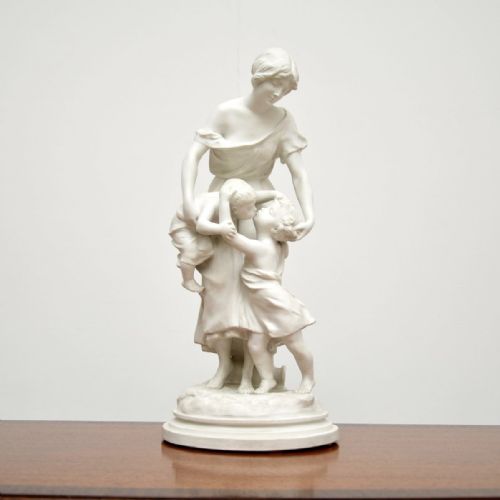
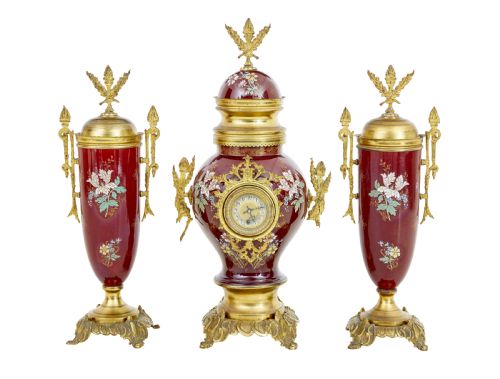
The selections on this page encompass bronze sculptures, spelter figures, bisque porcelain figurines, and garniture sets. Sculptural subjects range from historical personages and allegorical figures to animals and sporting scenes.
Most items originate from French workshops or draw upon recognisable French academic and decorative styles. Buyers will find both single sculptural works and matched pairs intended to sit symmetrically on a mantelpiece.
Distinguishing quality in manufacture
Porcelain and bisque figures vary according to the delicacy of the modelling and the smoothness of the ceramic body. High-grade examples retain subtle anatomical contours and clean glaze application without distracting surface flaws from the manufacturing process.
The integration of secondary materials, such as fitted marble plinths or matched garniture components, reflects the original ambition of the piece.
Listings feature 19th Century, Victorian, and Art Deco periods, employing materials including bronze, spelter, bisque porcelain, and opalescent glass.
Lucille Sevin·Charles Anfrie·Lavergne·Henri Ple·L. Bureau
The Antique French Mantle Ornaments Glossary
- Spelter
- A zinc-based alloy utilised as an economical substitute for bronze in nineteenth and twentieth-century figures. It is typically painted or electroplated to simulate a bronze finish.
- Bisque porcelain
- Unglazed white porcelain fired to a matte, tactile finish resembling marble. It is frequently employed for nineteenth-century figurative works and portrait busts.
- Garniture set
- A matched grouping of three or more decorative objects, such as a central clock flanked by vases or urns, placed symmetrically on a mantelpiece.
- Toleware
- Painted or lacquered sheet metal items used for decorative domestic objects. It provides a durable surface for colourful decorative motifs.
- Patina
- The surface coloration and sheen acquired by metal through age or chemical treatment. A well-preserved patina enhances the visual depth of bronze sculptures.
Antique French Mantle Ornaments: Frequently Asked Questions
What is a garniture set?
A garniture set consists of multiple matching decorative pieces designed to be displayed together on a mantelpiece. These typically include a central centrepiece accompanied by two matching side vessels or figures.
Such sets were popular in period interiors to create balanced and formal decorative arrangements.
How do bronze and spelter differ?
Bronze is a durable copper alloy that takes a deep, stable patina and holds sharp sculptural detail from the foundry. Spelter is a softer zinc alloy that is lighter in weight and more susceptible to surface wear.
Spelter figures were often finished with metallic paints to mimic the appearance of genuine bronze.
Where were these ornaments displayed?
These decorative objects were principally designed to sit upon the mantelpiece above a fireplace, framed by the decorative chimney breast. They were also placed on sideboards, consoles, and pedestals in principal reception rooms.
Their placement was intended to catch the eye and demonstrate the taste of the household.
How do I date a figure?
Dating relies on stylistic markers, material composition, and any foundry marks or signatures cast into the base. Academic realism and classical subjects often point to the nineteenth century, while stylised geometric forms indicate the art deco period.
Comparative analysis of base construction and patination helps narrow down the production era.