
Antique French Glass Bowl
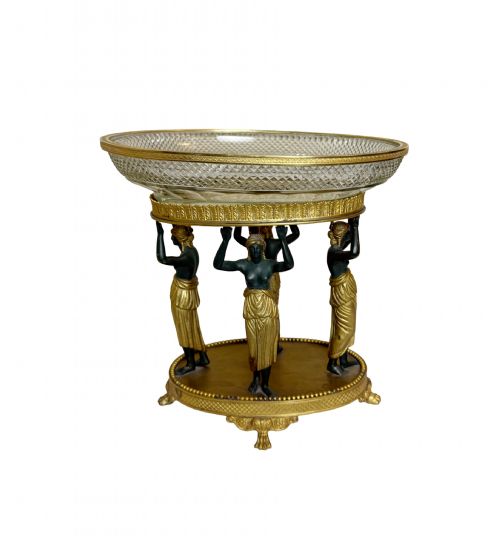
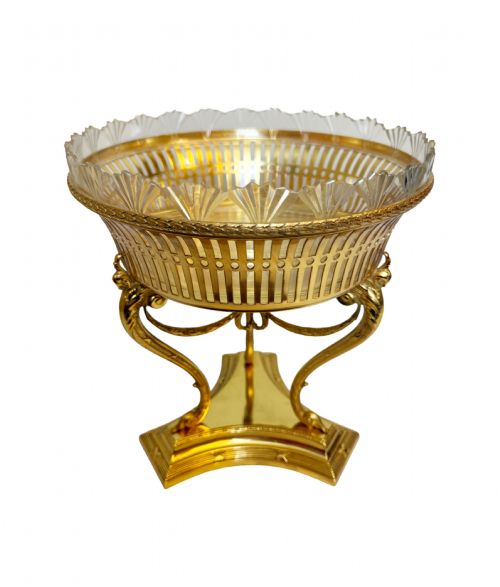
An antique french glass bowl brings domestic table display into focus through the heavy crystal, opalescence and gilt mounts of nineteenth and early twentieth century salons.
Antique French Glass Bowl
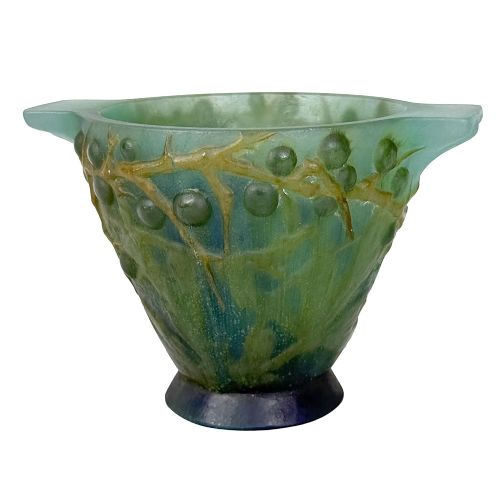
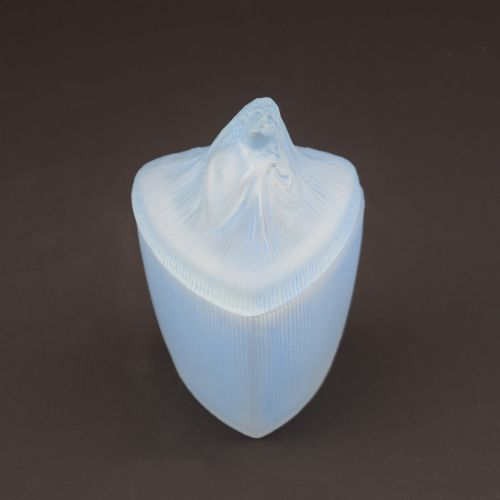
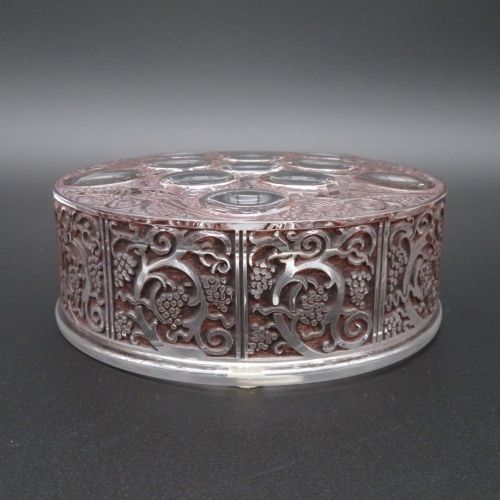
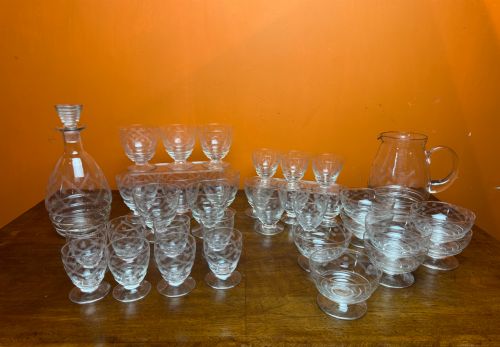
An antique french glass bowl encompasses domestic centrepieces, dressing table powder boxes, and decorative dishes originating from periods spanning the nineteenth century through the art deco era.
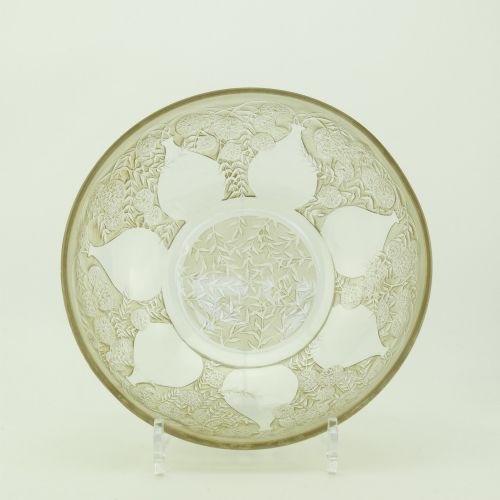
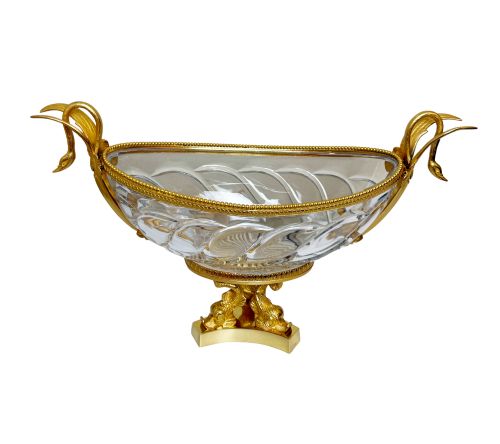
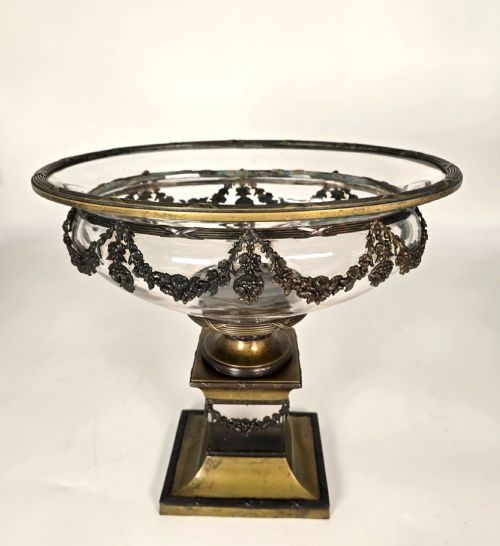
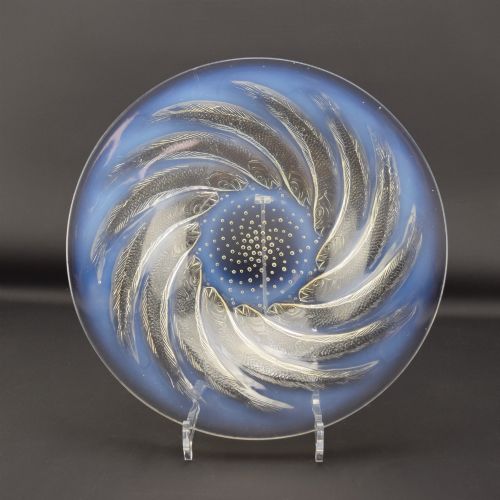
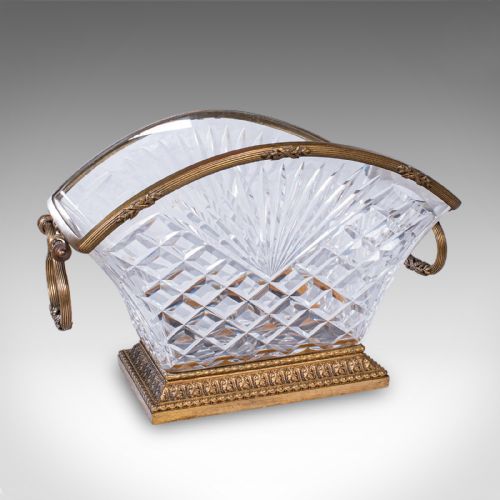
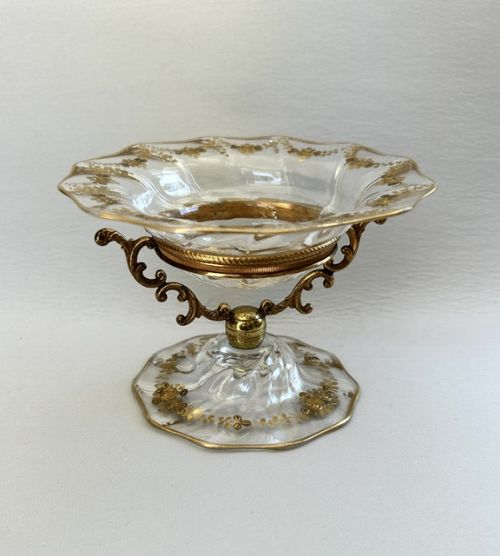
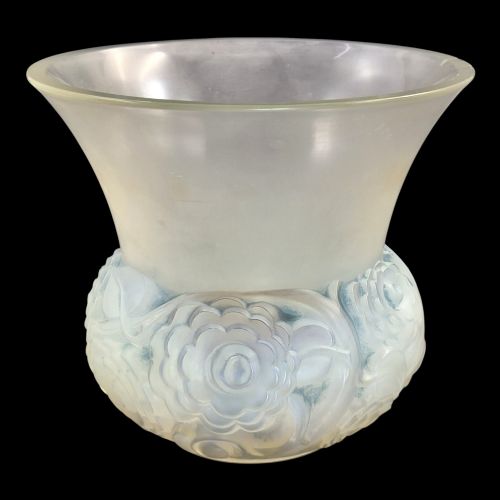
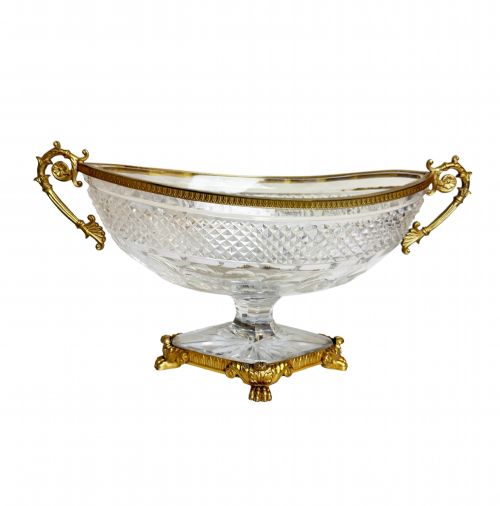
The objects take several distinct forms on this page, shifting from nineteenth-century cut crystal centrepieces mounted in gilt bronze and ormolu to opalescent glass bowls and shallow dishes produced in the twentieth century.
Buyers encountering this phrase seek both the monumental crystal and bronze centrepieces associated with grand tour interiors and the moulded opalescent tableware characteristic of later decorative movements.
How they were made
Makers combined blown or pressed glass with cast metal mountings, uniting clear crystal, frosted glass, and pate de verre with frames of gilt bronze, brass, and ormolu.
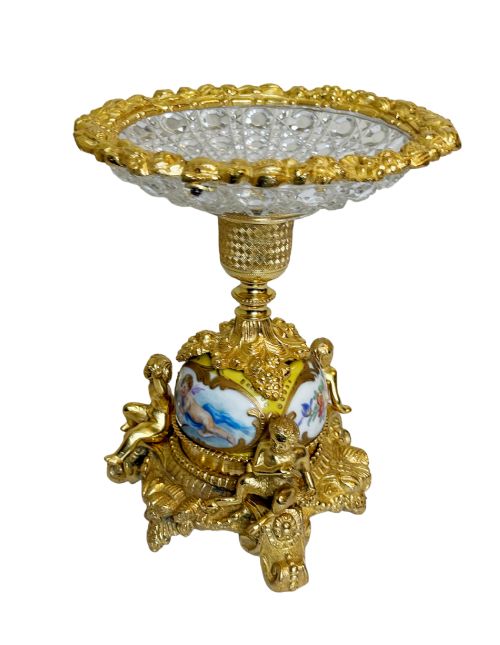
Decoration relied upon hand cutting, acid etching, enamel painting, and metal chasing, integrating figural details such as cherubs and mermen directly into the bronze supports.
Antique French Glass Bowl Retail Price Guide 2026
Typical asking prices for french glass bowl among the pieces listed under this phrase on Sellingantiques today, from the lower quarter to the upper quarter. They describe what is for sale here now, not the wider market.
Listings span the Victorian era, Art Nouveau, and Art Deco movements, featuring moulded opalescent glass alongside cut crystal and gilt bronze.
What varies in quality
Quality rests in the crispness of the glass moulding and the weight of the metal mounts, distinguishing deeply carved crystal and sharp opalescent relief from plain pressed alternatives.
The integration between vessel and metal frame marks the standard of the piece, separating secure, bespoke mounts from loose or coarse assembly.
Rene Lalique·St Louis glassworks·Amalric Walter·Baccarat
The Antique French Glass Bowl Glossary
- Opalescent glass
- Glass that displays a milky, translucent appearance with changing blue and amber tones when light passes through the surface.
- Ormolu
- Gilded bronze mounts used extensively to edge and elevate nineteenth-century crystal centrepieces and bowls.
- Pate de verre
- A glass-making technique where finely crushed glass is packed into a mould and fused in a kiln, producing dense, textured vessels.
- Plafonnier
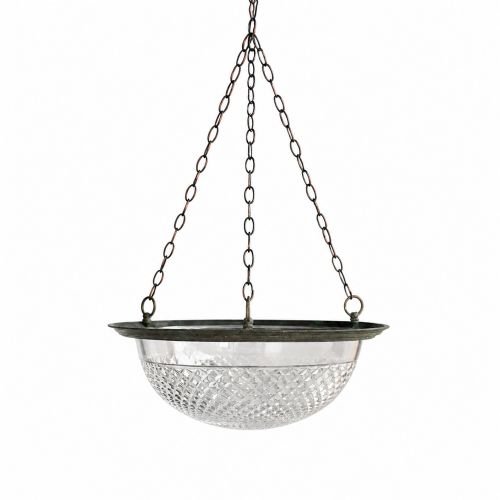
- A ceiling-mounted glass bowl light shade, common in twentieth-century interior lighting.
- Jardiniere
- A decorative ornamental bowl designed to hold plants or floral arrangements, frequently framed in gilt bronze.
Antique French Glass Bowl: Frequently Asked Questions
How are antique french glass bowls cleaned safely?
Wash the glass vessel gently in warm, soapy water using a soft cloth, taking care to keep moisture away from any gilt bronze or ormolu mounts.
Dry the piece thoroughly with a lint-free towel to protect both the clarity of the glass and the gilded metal surfaces.
Can these bowls be used for serving food?
Many nineteenth-century crystal bowls and twentieth-century dishes function practically for display or serving, provided they lack historic metal repairs.
Examine the interior for acid etching or soft enamel decoration, which can wear down with frequent culinary use.
How do I distinguish nineteenth-century pieces from art deco examples?
Nineteenth-century pieces rely on heavy cut crystal combined with elaborate bronze mounts, ormolu cherubs, and revivalist styling.
Art deco examples favour moulded opalescent glass, pate de verre, and geometric floral motifs characteristic of the nineteen-twenties and thirties.
Where were these glass bowls originally displayed?
Centrepieces and jardiniere bowls stood on dining tables or salon sideboards as decorative focal points during grand dinner parties.
Smaller powder boxes and dressing table jars sat in private boudoirs alongside matched perfume bottles and mirrors.