
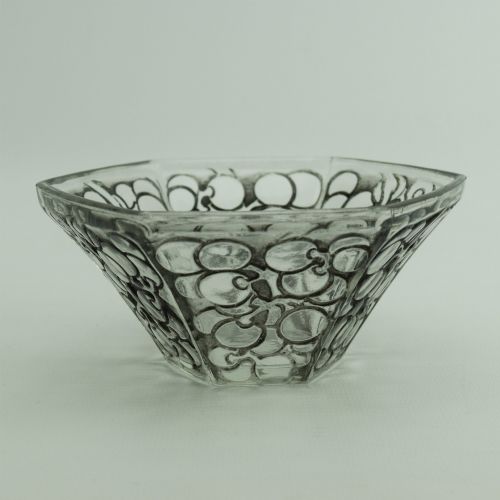


1920s Lalique Glass Dish
These pieces of 1920s lalique glass dish bring the distinctive elegance of the interwar years straight onto a table.
1920s Lalique Glass Dish
When searching for a 1920s lalique glass dish, buyers encounter decorative bowls, plates, and dishes that capture the essence of the Art Deco period. These items typically take the form of open vessels or flat services designed for display or dining use.
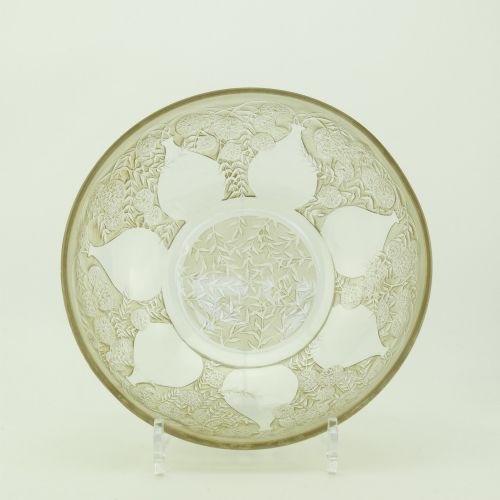
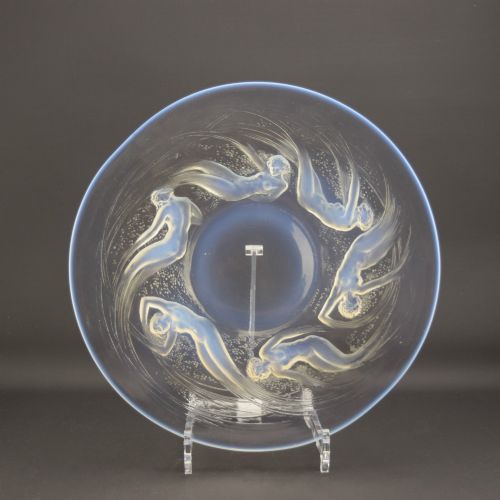
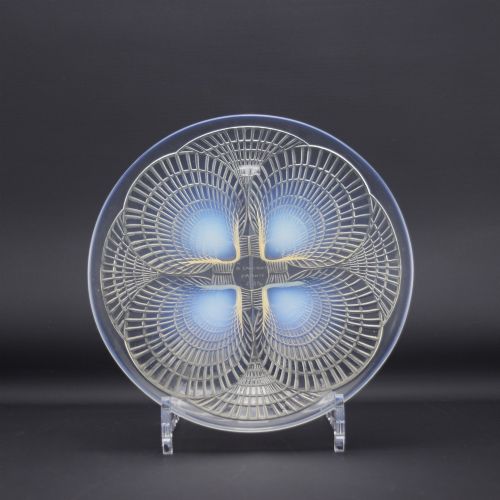
The selection on this page centres heavily on creations from the 1920s alongside examples from the 1930s and Edwardian periods. Pieces such as the Coquilles, Ondines, and Poissons designs demonstrate the recurring motifs of marine life and flora that define these objects.
How they were made
Maker execution relies heavily on moulded, pressed, and frosted glass techniques to create depth and texture across the surface. Artisans manipulated the medium to produce distinct visual effects within the body of each vessel.
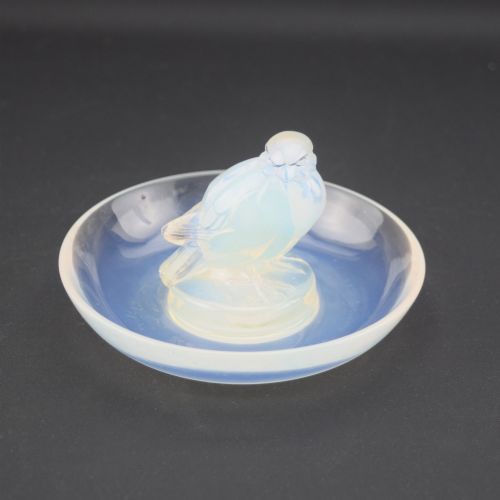
Opalescent, amber, and patinated glass variants demonstrate the sophisticated use of colour and chemical additives during production. These specific finishes scatter light and highlight the relief details cast into the glass.
Fish and flowers manage to swim and bloom simultaneously across these heavy glass surfaces.
What varies in quality
The clarity of the moulded relief and the strength of the opalescent glow distinguish one example from another. Superior pieces display crisp definition in motifs such as fish, leaves, and figures.
The depth of the patination and the uniformity of the glass mass dictate the visual impact of each object. Variations in finishing work directly influence how the material interacts with surrounding light.
René Lalique
The 1920s Lalique Glass Dish Glossary
- Opalescent glass
- A type of glass that appears milky-blue when viewed by transmitted light and warm amber or yellow by reflected light. This optical property creates a shimmering effect across moulded surfaces.
- Patinated glass
- Glass treated with pigment or staining in the recessed areas to accentuate the moulded design. This technique adds contrast and depth to relief work.
- Moulded glass
- Glass formed by pressing molten material into a metal or wooden matrix to shape the object and impress a pattern. It allows for consistent reproduction of complex sculptural forms.
- Art Deco
- A design style characterised by stylised motifs, symmetry, and geometric or organic patterns popular during the interwar period. This aesthetic informs the structure and ornamentation of the vessels.
1920s Lalique Glass Dish: Frequently Asked Questions
How do I identify a authentic piece?
Authentication relies on examining the weight, surface finish, and crispness of the moulded relief characteristic of the period.
Inspect the signature or mark where present, alongside the optical quality of the opalescent or clear glass body.
Were these items used daily?
Most of these vessels served decorative functions on dining tables, sideboards, or as centrepieces during the interwar years.
Certain forms functioned as ashtrays or salvers, accommodating the social habits of the 1920s.
How should I clean my glass dish?
Gentle washing in warm water with a mild detergent preserves the delicate surface patination and opalescent finish.
Avoid abrasive cloths or harsh chemical cleaners that might damage the frosted areas or the glass body.
What themes appear on these bowls?
Design motifs draw heavily from nature, featuring floral arrangements, fish, and figurative scenes influenced by the Art Deco movement.
Series such as Coquilles and Ondines showcase recurring aquatic and botanical patterns.