


19th Century Baccarat Glass
These pieces of 19th century baccarat glass bring French craftsmanship into a room through heavy lead crystal, delicate opaline, and precise enamel work.
19th Century Baccarat Glass
When you search for 19th century baccarat glass, you are looking at items produced by the famous French manufacturer during a period of immense stylistic variety. The pieces seen range from large twelve-arm chandeliers and carved Black Forest epergne centrepieces to delicate scent bottles and paperweights.
Vases, decanters, wine glasses, and tantalus sets dominate the forms available. You will frequently encounter opaline glass vases with raised floral designs, alongside functional table items decorated with gold leaf, enamel, and latticinio work.
What varies in quality
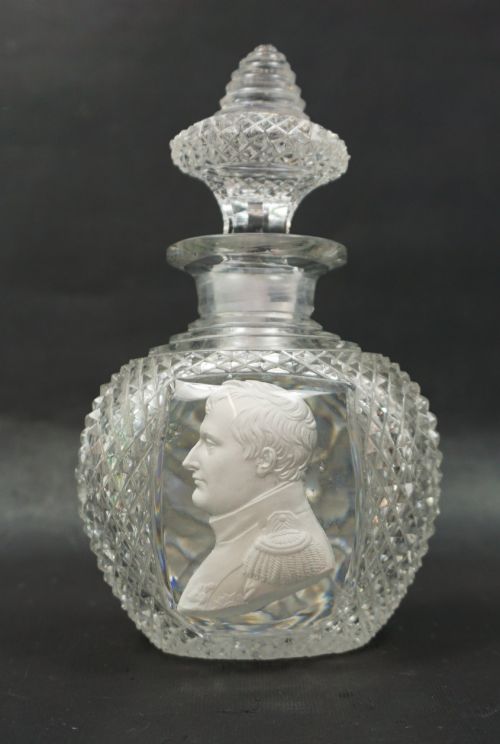
Quality depends upon the clarity of the crystal, the precision of the cut, and the complexity of any applied decoration. Pieces featuring hand-painted designs by known artists or intricate sulphide portraits represent a higher tier of workmanship.
The integration of secondary materials such as fire-gilt bronze mounts or carved Black Forest wooden frames also dictates the standing of a piece. Depth of colour in cranberry or opaline glass and crispness in cameo relief work separate standard production items from exceptional examples.
Listings feature items spanning the 19th century, with materials including opaline glass, lead crystal, gold leaf, and carved wood.
Jean Francois Robert·Francois Eugene Rousseau
The 19th Century Baccarat Glass Glossary
- Opaline glass
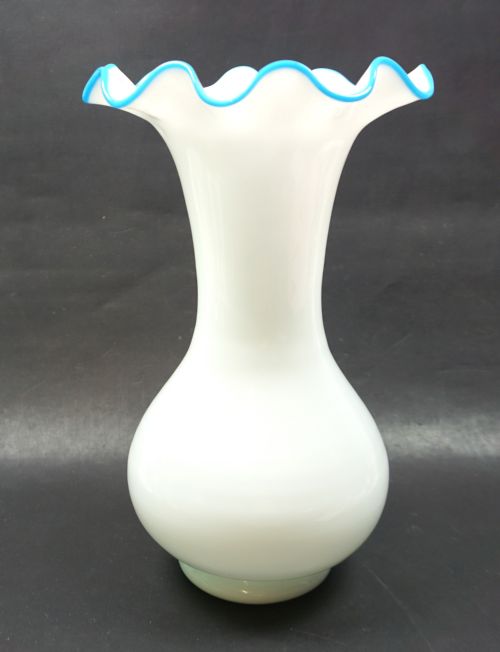
- An opaque or translucent glass developed in France during the nineteenth century to imitate porcelain. It often appears in white or pale pastel shades.
- Latticinio
- A decorative glass technique involving fine white or coloured threads embedded within clear glass in a net or spiral pattern. It creates a delicate cage effect.
- Sulphide
- A small ceramic cameo medallion embedded into clear crystal during manufacture. The technique produces a silvery, three-dimensional portrait effect.
- Epergne
- A large table centrepiece featuring multiple branching dishes or holders used for fruit or flowers. They often combine crystal bowls with carved wood or metal bases.
- Cave a liqueur
- A fitted box or tantalus set designed to hold decanters and liqueur glasses securely. These are frequently mounted in bronze and fitted with lock and key.
19th Century Baccarat Glass: Frequently Asked Questions
How do I identify genuine pieces?
Authentic pieces often bear etched signatures, paper labels, or distinct manufacturing traits characteristic of French production methods from this era. Weight, clarity of the lead crystal, and precision of the cutting provide additional clues to authenticity.
Examine the mounting quality and secondary materials such as bronze or carved wood, as high-end workshops maintained rigorous standards for every component of an object.
Were these items used daily?
Many objects served functional roles in wealthy households, including wine jugs, decanters, sugar bowls, and sets of wine glasses for formal dining. Other items, such as paperweights and mantel vases, were primarily decorative.
Dining accessories saw regular service at dinner parties, while decorative vases and scent bottles remained stationary in drawing rooms and boudoirs.
How should I clean them?
Wash crystal and glass items gently by hand using lukewarm water and mild detergent. Avoid abrasive sponges or harsh chemicals that can damage gold leaf or enamel details.
Dry pieces immediately with a lint-free cloth to prevent water spots on the surface, taking extra care with items featuring bronze mounts or wooden elements.
How do styles change across the century?
Early pieces from the period often reflect classicism, featuring clean lines and restrained decoration such as sulphide portraits. Later decades introduce elaborate Napoleon III ornamentation, Japonism influences, and deeply etched cameo designs.
Mid-century output frequently highlights opaline glass and colourful enamels, while later Victorian and Second Empire items lean towards heavier, more ornate cut crystal.