
Antique French Desk Ornament
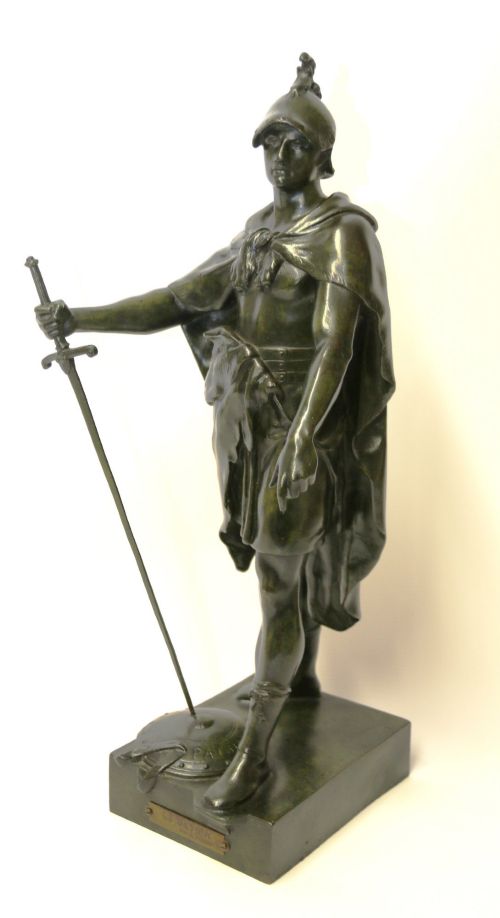
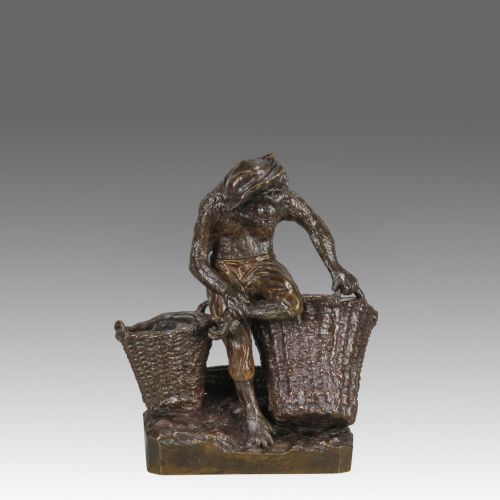
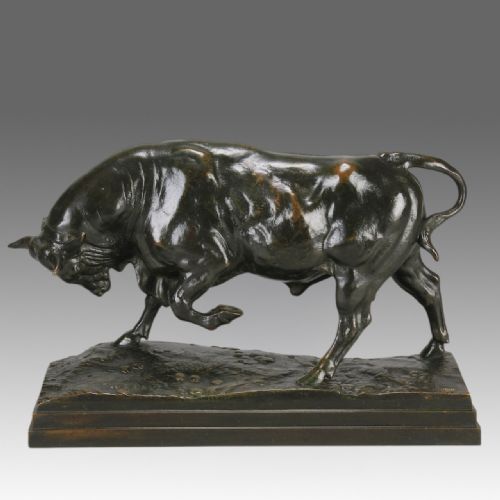
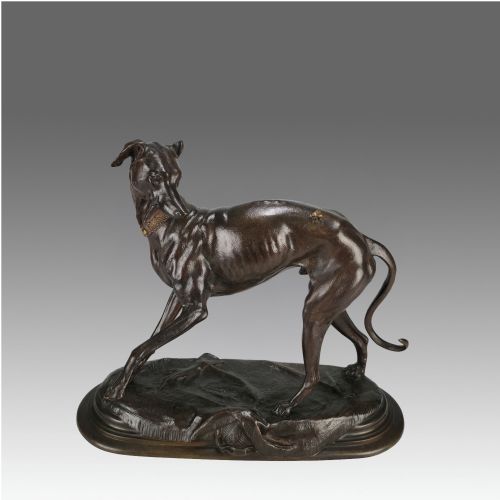
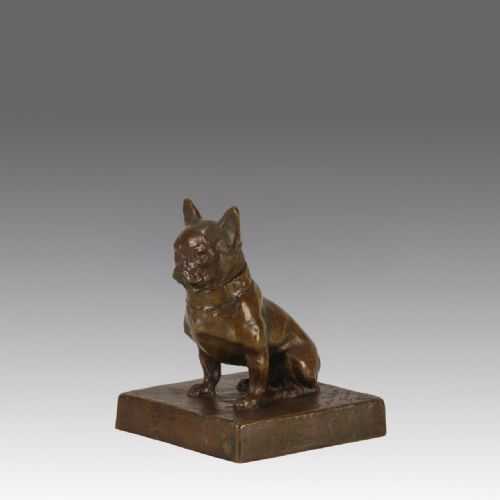
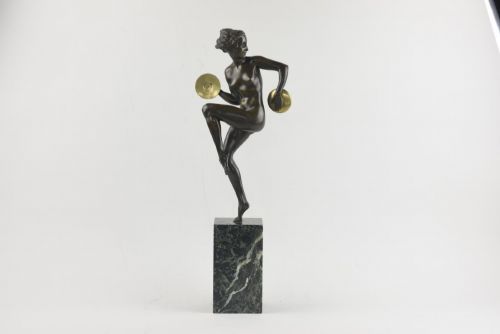
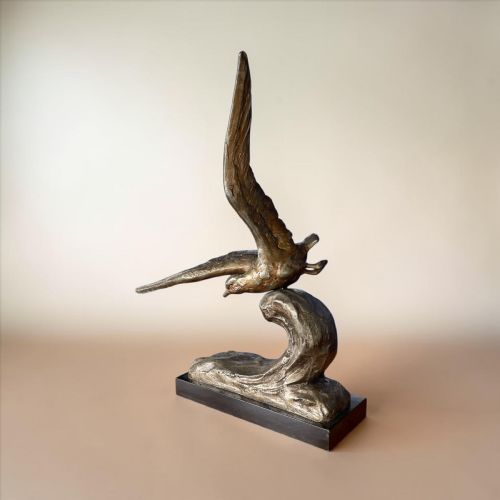
These small-scale bronzes and decorative objects form the classic antique french desk ornament, bringing sculptural presence and period craft to a writing surface.
Antique French Desk Ornament
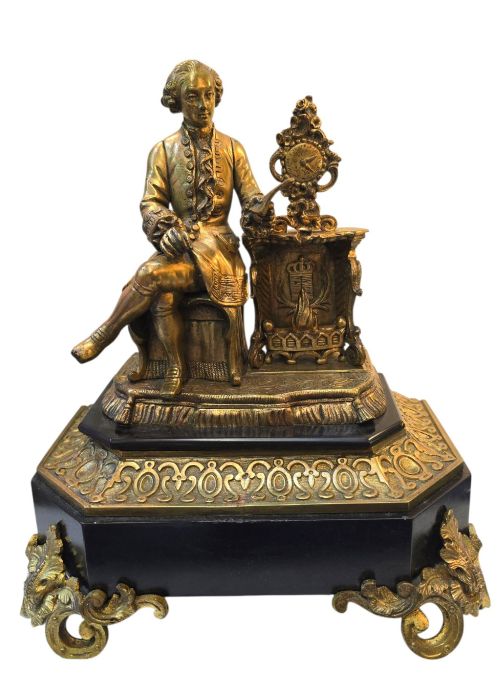
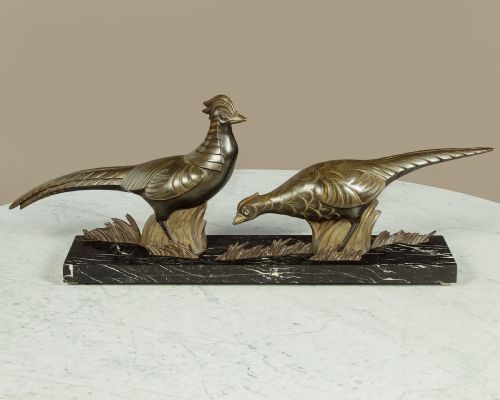
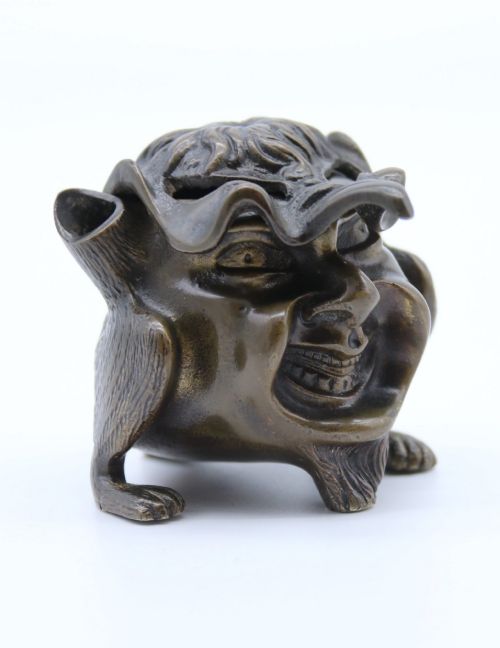
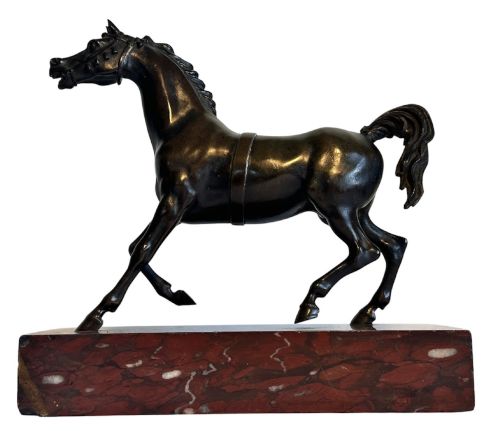
An antique french desk ornament encompasses small sculptures, animalier studies, inkwells, and paperweights originating from nineteenth- and early twentieth-century French workshops.
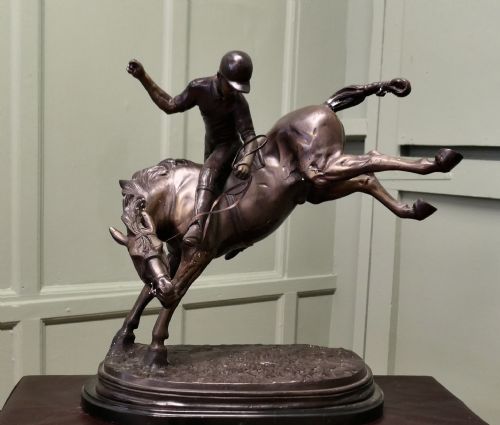
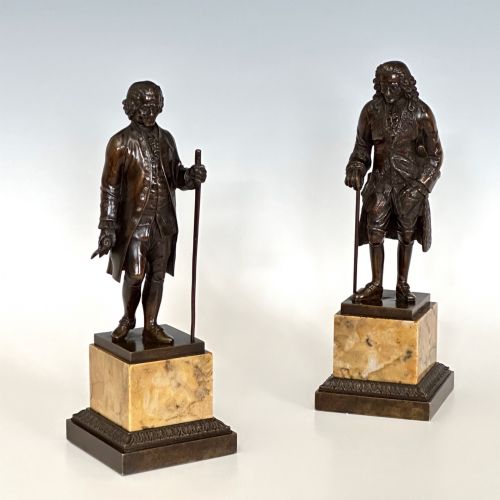
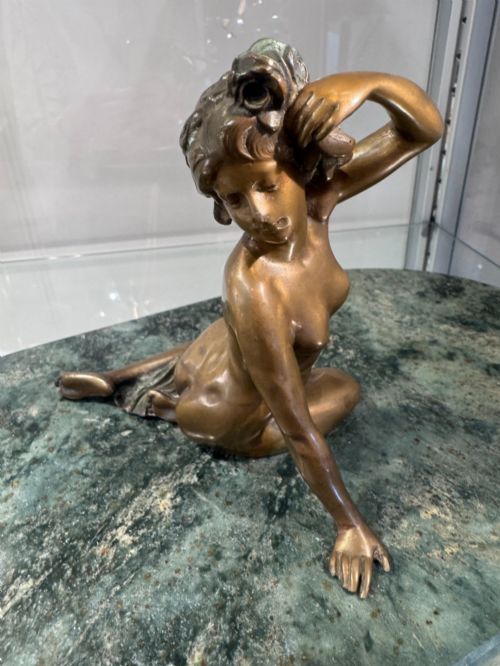
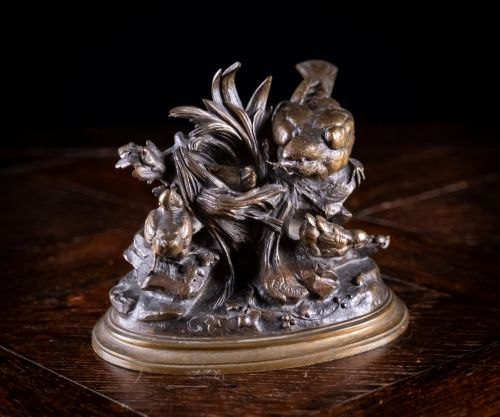
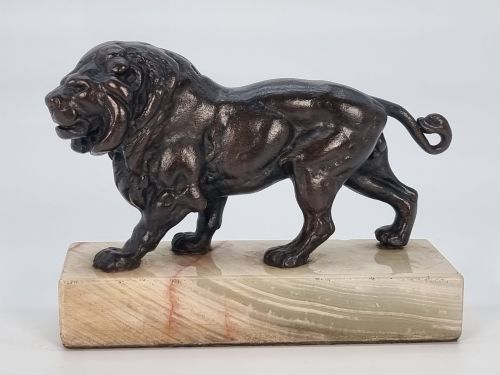
Buyers encountering this selection will find animal figures, historical busts, architectural models, and figural groups cast in metal and mounted on stone plinths.
The objects bridge practical desktop accessories and pure cabinet sculpture, designed to sit upon writing tables and mahogany pedestals.
How They Were Made
Foundry workers cast these pieces primarily in bronze, gilt bronze, or spelter, frequently employing patinated surfaces to define shadows and texture.
Sculptors combined their metal casts with heavy natural bases made from white marble, green Egyptian onyx, or variegated mineral plinths.
Detailing relied upon careful chasing of the cooled metal and applied finishes ranging from bright ormolu to subdued dark patination.
Listings feature works spanning the nineteenth century through the Art Deco and Art Nouveau periods, executed in bronze, spelter, marble, and onyx.
What Varies in Quality
The integration between the metal figure and its stone base indicates workshop standard, where tight mounting and well-finished plinths distinguish finer items.
The crispness of the chasing after casting determines whether the final form retains the sculptor's intended sharpness or appears softened.
Louis Emile Cana·Émile Louis Picault·Christophe Fratin·Antoine Louis Barye·Alfred Barye·Dora Heber·Aurore Onu·Emile Guillemin·Rene Lalique·Georges Van Der Straeten·Isadore Bonheur·Clovis Masson·H. Chiparus·P. Sega
The Antique French Desk Ornament Glossary
- Animalier
- A nineteenth-century artistic movement focused on the realistic depiction of animals, particularly predators and prey in motion. Barye and Bonheur worked within this tradition.
- Ormolu
- Finely ground high-carat gold applied to a bronze base using a mercury amalgamation technique. It produces a rich yellow metallic lustre.
- Spelter
- A zinc alloy utilised as an economical alternative to bronze during the nineteenth and twentieth centuries. It takes patination well but possesses a lighter weight.
- Patina
- The surface sheen and coloration developed through age or chemical treatment on metal. It protects the underlying material while defining contours.
- Grand Tour
- A cultural journey undertaken by wealthy Europeans in the eighteenth and nineteenth centuries, commemorated by miniature bronze monuments and architectural models.
Antique French Desk Ornament: Frequently Asked Questions
How were these desk ornaments used?
Owners placed them on writing tables as decorative focal points, or utilised specific variants like inkwells and figural paperweights to hold stationery and manage loose papers.
They served both practical needs in study rooms and aesthetic functions in formal drawing rooms.
How do I distinguish bronze from spelter?
Bronze exhibits greater weight, a resonant sound when tapped gently, and a warm undertone beneath the dark patination. Spelter feels lighter in the hand and can show a greyish metal underneath worn areas.
Foundries used spelter as a less expensive alternative for decorative figures from the mid-nineteenth century onward.
Where should I place an onyx base piece?
These sculptures require stable surfaces away from direct moisture and extreme temperature fluctuations to protect the integrity of the stone plinths.
Displaying them on flat wooden desks or cabinet tops allows the combined weight of the metal and stone to anchor the piece securely.