
Brown Bronze Animalier
Brown bronze animalier figures capture the intense realism of birds and beasts in motion, created by celebrated 19th-century European sculptors.
Brown Bronze Animalier
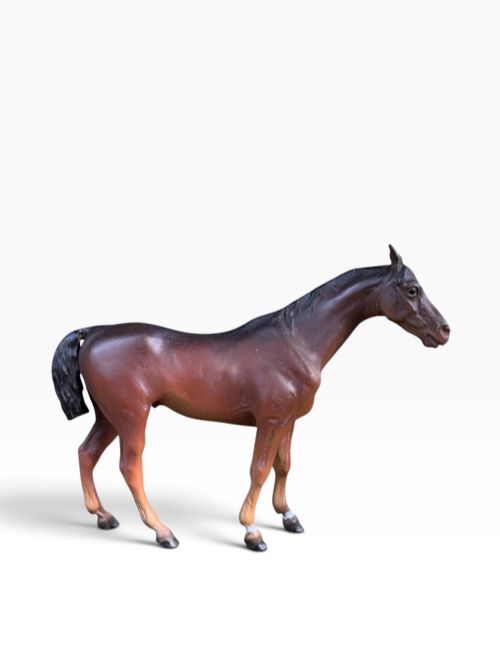
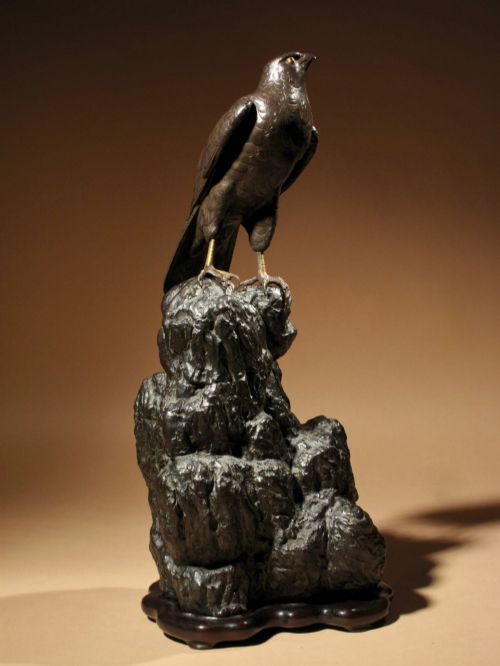
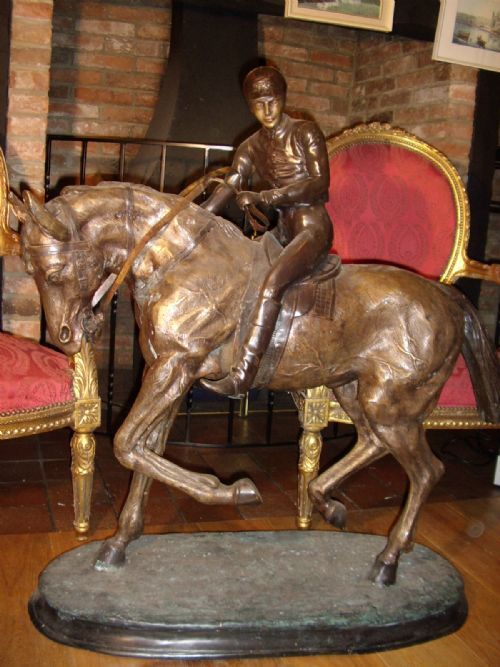
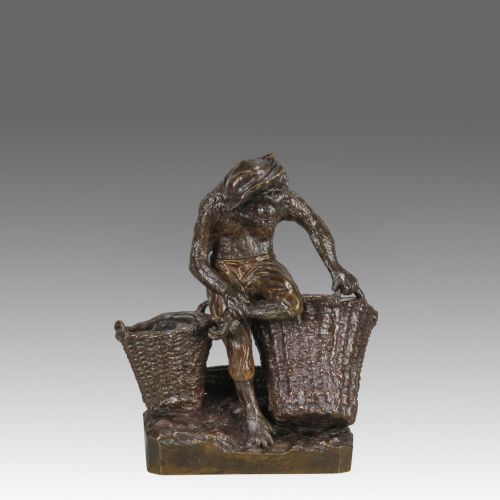
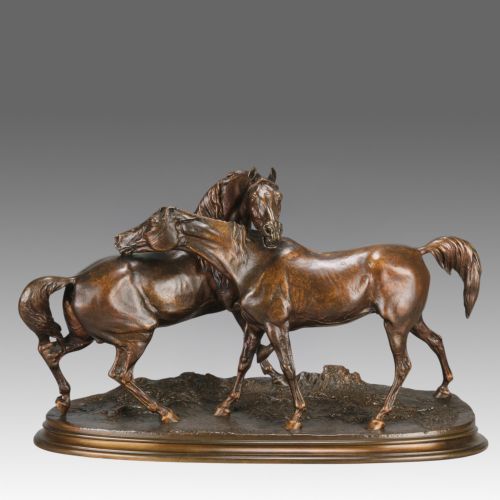
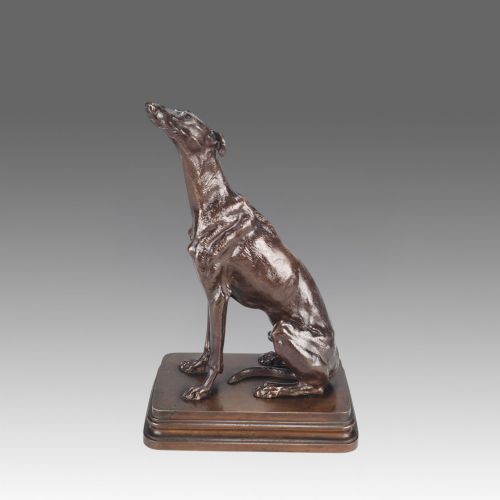
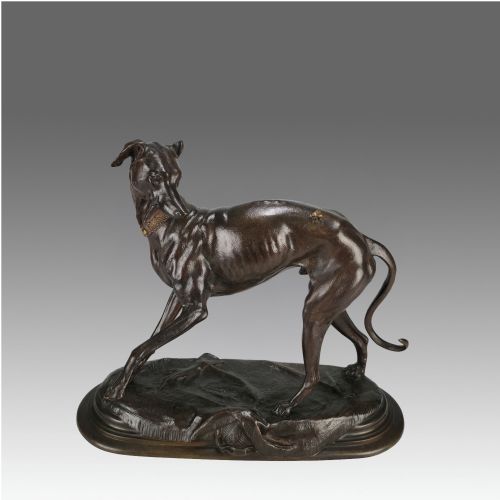
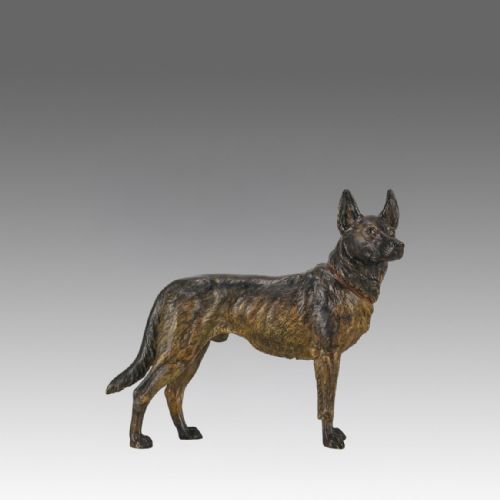
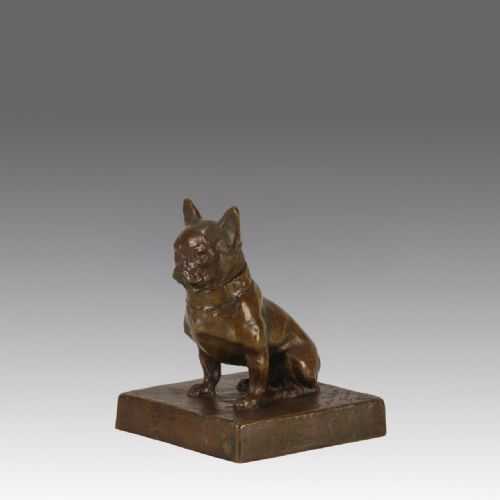
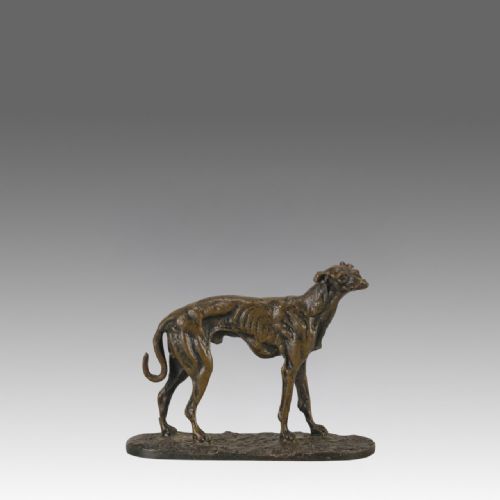
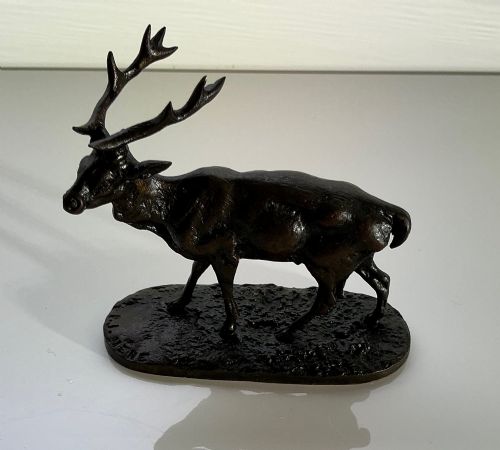
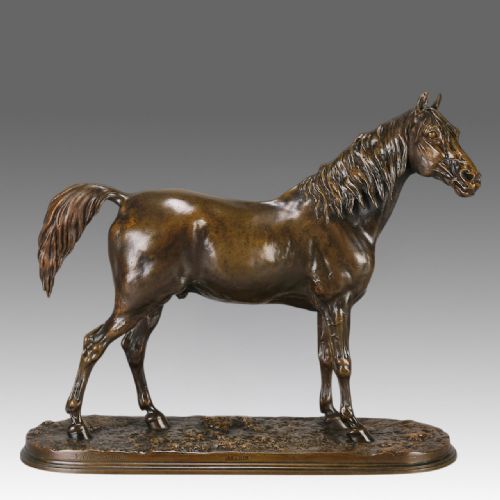
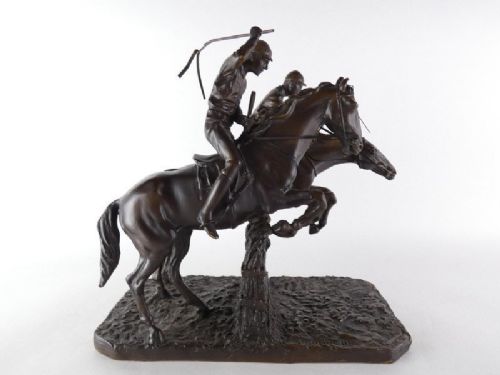
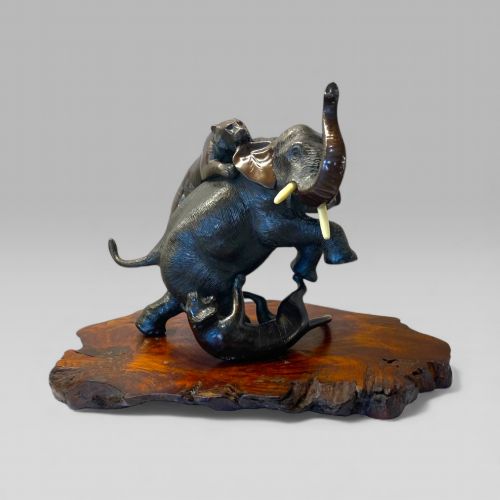
A brown bronze animalier piece depicts wildlife, domestic dogs, and hunting subjects produced primarily during the nineteenth and early twentieth centuries. These sculptures focus on the anatomical precision and natural behaviour of animals, ranging from a hawk on a craggy rock to racing horses and hounds.
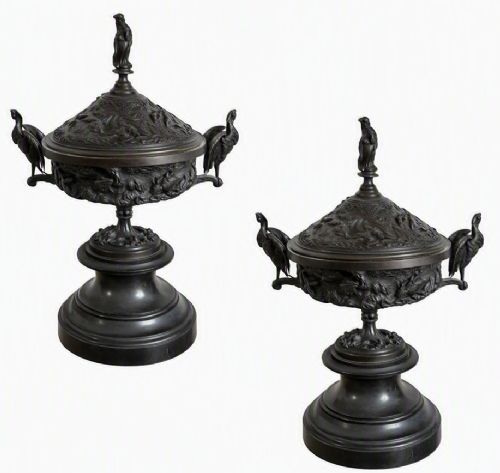
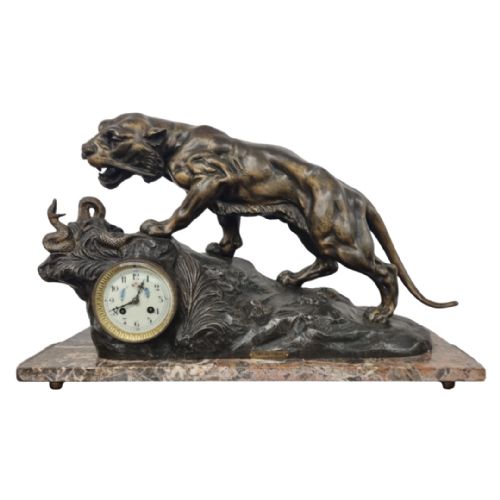
The objects on this page take various forms, including freestanding tabletop sculptures, mantel clocks featuring predatory cats, and decorative urns adorned with storks. French and Austrian foundries dominate the selection, utilising rich patination to bring fur, feathers, and muscular forms to life.
Collectors encounter works styled in the classic French animalier tradition alongside Art Deco interpretations set upon marble bases. The subjects reflect a Victorian fascination with nature, sport, and exotic wildlife rendered in solid metal.
Materials and casting techniques
Foundries shaped these sculptures using the lost-wax method or sand casting, capturing intricate details of muscle, feather, and bone before applying chemical treatments to achieve a warm brown patina. Artisans frequently mounted the finished metal figures onto bases of black marble, onyx, or quartz.
Certain pieces introduce vibrant pigments through cold-painting applied directly over the metal surface, a technique characteristic of Viennese workshops. Base materials occasionally substitute spelter for bronze in later Art Deco interpretations.
Assessing quality in animalier bronzes
The distinction between superior and standard castings lies in the crispness of the chasing work performed after the metal leaves the mould. Finer examples retain sharp musculature, delicate feather texturing, and deep, layered patination without obscuring the artist's original touch.
The quality of the mount significantly influences the piece, with substantial, polished marble or onyx bases complementing heavy, well-balanced bronze subjects. Signed casts originating from recognised Parisian foundries or master sculptors carry distinct authority in execution.
Jules Moigniez·R Varnier·Pierre Jules Meme·Christophe Fratin·Alfred Dubucand·Alfred Barye·Franz Bergman·Dora Heber·Isidore Jules Bonheur·Tsunemitsu·Charles Crozatier·Franz Xaver Bergmann·Antoine Louis Barye·Clovis Masson·Edith Parsons·Auguste Nicholas Cain·Arthur Waagen·G.Gardet
The Brown Bronze Animalier Glossary
- Animalier
- A nineteenth-century artistic movement dedicated to the realistic portrayal of animals, particularly predators, horses, and sporting dogs. Practitioners studied subjects in menageries and veterinary clinics to achieve anatomical accuracy.
- Patina
- The surface coloration and sheen developed naturally with age or applied chemically by the foundry. In these bronzes, shades of brown predominate.
- Spelter
- A zinc alloy frequently utilised as a less expensive alternative to bronze, particularly during the Art Deco period. It often receives a bronze-like coating.
- Cold-painted
- A method where paint is applied to a bronze object without subsequent firing in a kiln. This technique defines Austrian animalier figures from Vienna.
- Lost-wax casting
- A process where a wax model is melted from a mould to leave a cavity for molten bronze. This allows for exceptional detail in sculptural work.
Brown Bronze Animalier: Frequently Asked Questions
What is an animalier bronze?
An animalier bronze is a nineteenth-century sculpture focusing exclusively on the realistic portrayal of animals in naturalistic poses. These works capture everything from hunting dogs and racehorses to exotic wildlife.
Artists studied living specimens to render muscle tension and fur texture accurately. The resulting pieces served as popular mantel ornaments and cabinet sculptures.
How do I identify a cast?
Identification relies on examining foundry marks, artist signatures inscribed in the base, and the overall crispness of the metalwork. Sharply defined details indicate a primary cast taken closely from the sculptor's original model.
Heavier weight and thoughtful integration with marble bases further distinguish superior historical examples. Inspecting the underside often reveals casting pins and assembly methods typical of specific periods.
Where should I display these sculptures?
These sculptures suit stable tabletops, desks, and mantelpieces where adequate lighting highlights the varied brown patination. Placing them away from direct heat sources protects any underlying marble or onyx bases.
Because many pieces feature delicate protruding elements like antlers or tails, positioning them out of high-traffic areas prevents accidental damage.
What is cold-painted bronze?
Cold-painted bronze refers to metal sculptures finished with unfired paints applied directly to the surface. This technique allows for vivid coloration on birds and dogs.
Austrian workshops popularized this method during the late nineteenth and early twentieth centuries. Collectors look for remnants of the original paintwork to confirm authenticity.