
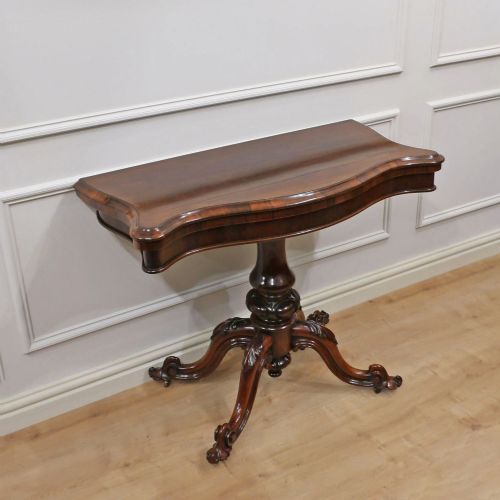
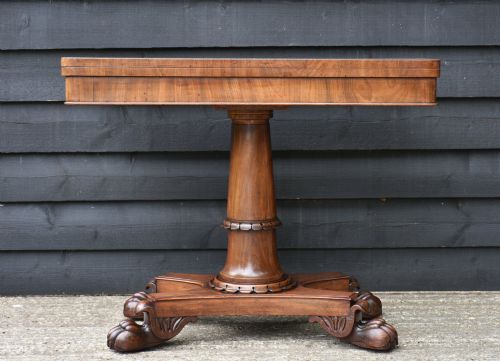
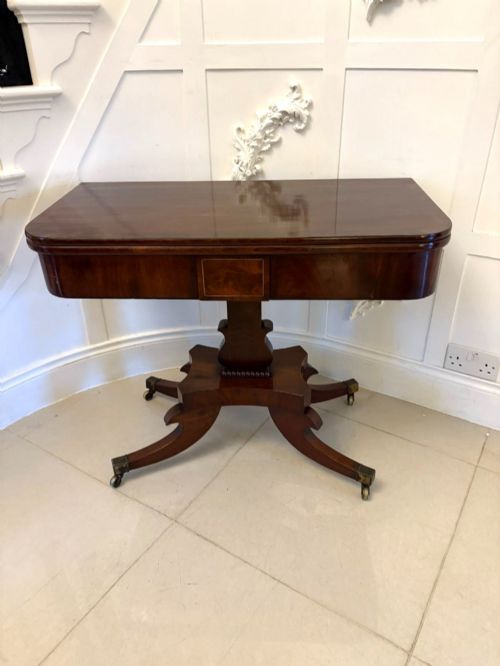
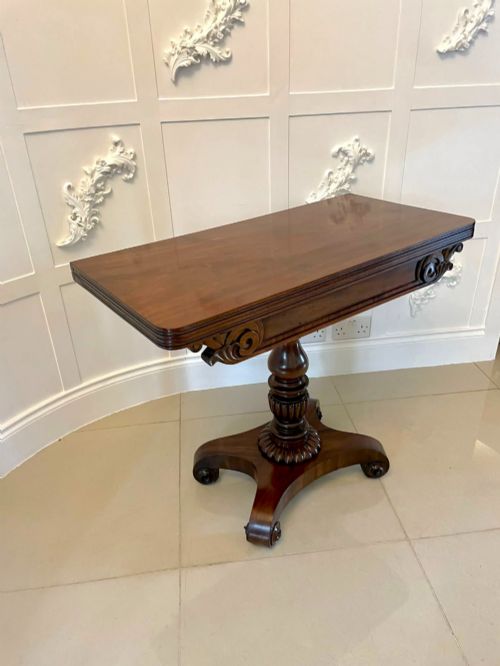
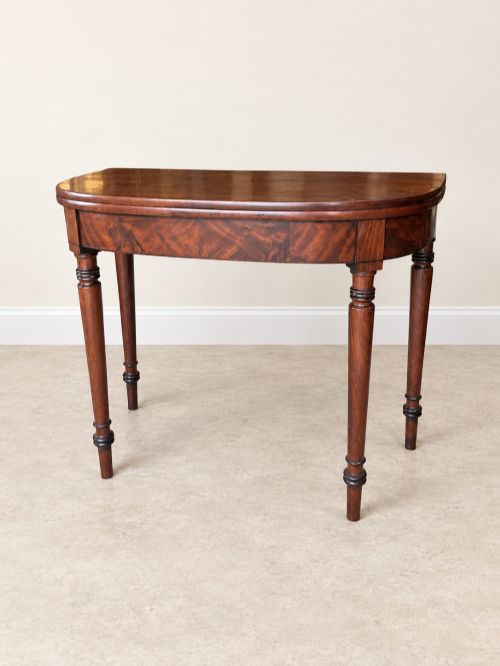
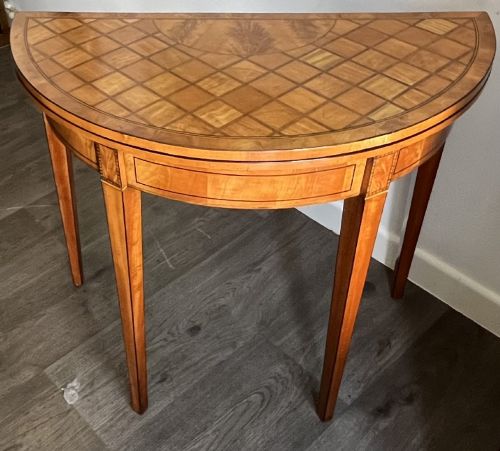


Antique Folding Console Table
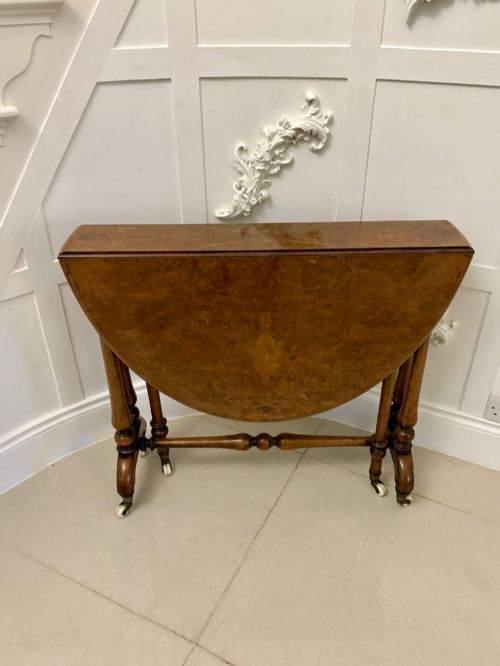
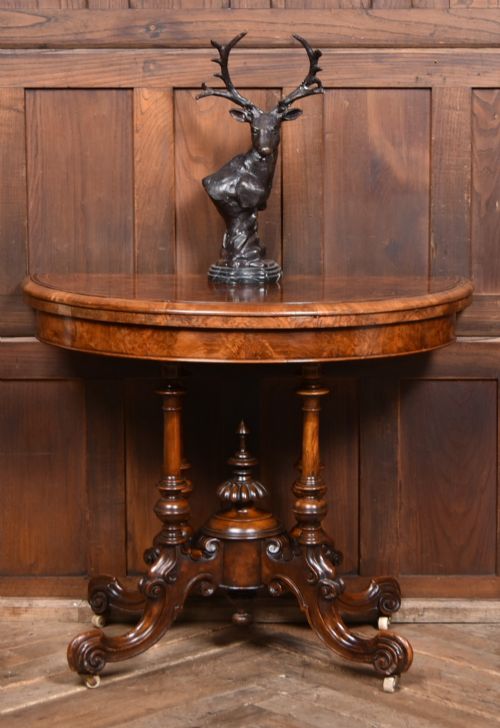
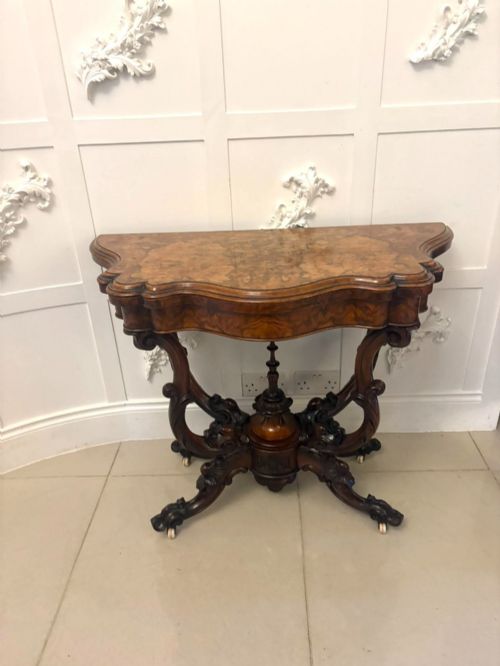
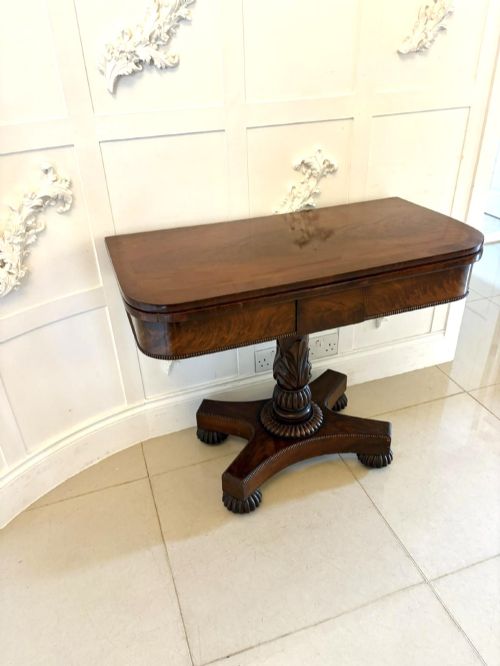
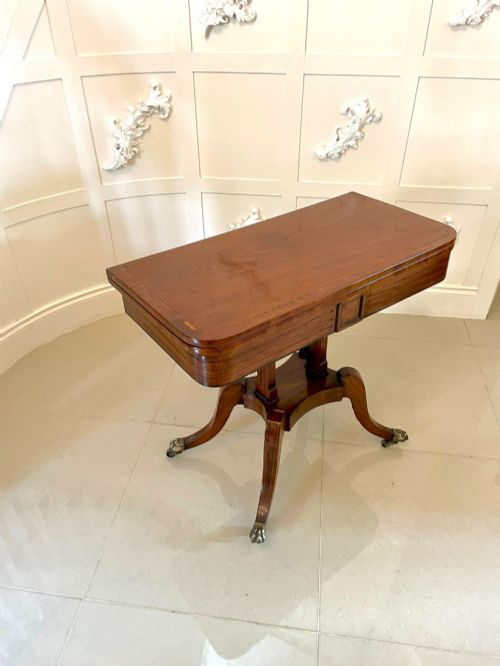
An antique folding console table transforms from a compact side piece into a card, tea or games surface in an instant.
Identifying an antique folding console table
When you search for an antique folding console table, you are looking at versatile furniture designed to sit flat against a wall before opening out for dining, card games or tea. The evidence shows these pieces span the 18th century, the Georgian period, the Regency era and Victorian times, reflecting shifting domestic habits over generations.
Makers fashioned these items in distinct shapes including demi-lune formats and rectangular configurations. They serve as functional furniture that adapts to the room layout while retaining the presence of a formal side table.
Materials and construction
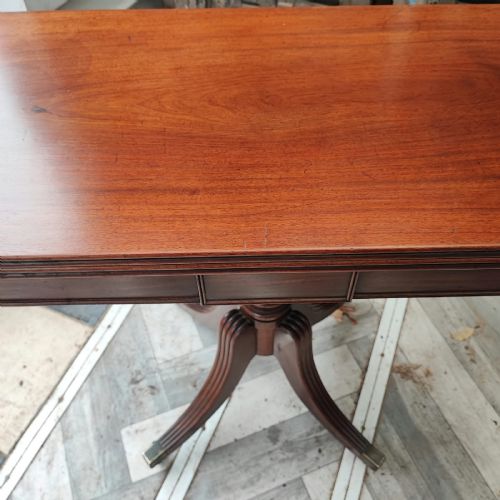
Cabinet makers relied heavily on mahogany, Cuban mahogany and rosewood for the primary carcases, complemented by decorative touches of satinwood, boxwood and brass. Oak also appears in simpler drop-leaf gate leg formats intended for domestic utility.
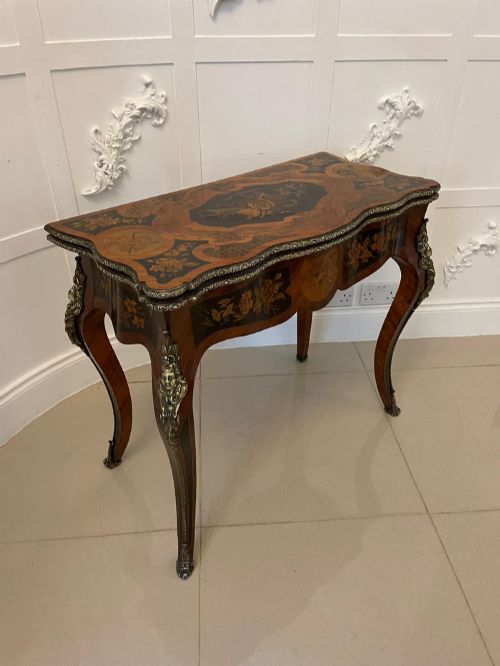
Craftsmen utilised fine timbers to execute intricate inlays and carved details, particularly during the Regency period. Hinges and pivoting mechanisms allowed the folding leaves to operate smoothly while maintaining structural stability when closed.
Retail Price Guide 2026
Typical UK retail prices for folding console table, calculated from the Sellingantiques database of over a million retail prices indexed since 2003. This retail price guide relies exclusively on Sellingantiques data; no external sources or auction records are used, so the figures do not describe the wider market.
Listings feature pieces spanning the Georgian, Regency and Victorian periods, constructed from mahogany, rosewood, oak and satinwood.
Judging quality in these tables
Quality rests upon the choice of timber and the precision of the folding mechanism. Pieces fashioned from figured Cuban mahogany or rich rosewood demonstrate a higher standard of material selection than standard domestic alternatives.
The Antique Folding Console Table Glossary
- Demi-lune
- Half-moon shaped furniture designed to sit flush against a wall. This format was particularly popular for card and tea tables during the Georgian period.
- Guinea well
- A small circular depression carved into the corner of a card table surface. These recesses held gold guinea coins safely during card games.
- Counter well
- A shallow hollow carved into the gaming surface to store gaming counters or markers. They are typically found on 18th century examples.
- Flip top
- A hinged table top that rotates and folds out to double the surface area. This mechanism underpins the dual function of a console and a games table.
- Triple top
- A table top constructed with three leaves that unfold in stages. It provides multiple surface configurations for different social uses.
Frequently Asked Questions
What is an antique folding console table?
It is a versatile piece of furniture designed to sit compactly against a wall as a side table and expand when needed. The top unfolds or flips to reveal a larger surface intended for tea, card games or writing.
Such tables bridge the gap between ornamental furniture and practical household items. They reflect the changing social requirements of homes from the 18th century through to the Victorian era.
How were these tables used historically?
These tables served multiple functions in domestic parlours and drawing rooms throughout the Georgian and Regency periods. Families utilised them as hall tables for daily display before opening them for evening card games or social tea gatherings.
Internal compartments like guinea wells and counter wells indicate their primary role in gaming culture. The folding mechanism allowed households to maximise floor space when entertainment was finished.
What timbers should I look for?
The evidence shows a strong preference for mahogany, Cuban mahogany and rosewood across these pieces. Cabinet makers also incorporated lighter woods such as satinwood and boxwood for decorative inlay work.
Simpler vernacular examples occasionally utilised oak for structural elements. The choice of timber generally corresponds to the period and the formal status of the room the table was built for.
How do I distinguish between periods?
Georgian and 18th century examples often feature clean mahogany lines, demi-lune shapes and specialised gaming wells. Regency pieces introduce contrasting inlays, brass details and sharper architectural styling.
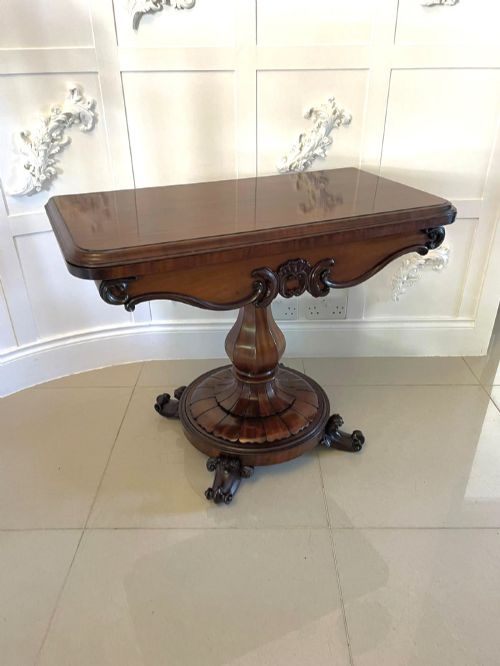
Victorian variations tend towards heavier carved rosewood constructions. Examining the wood grain, hardware style and overall silhouette helps clarify the era of manufacture.