
Antique Floral Pitcher
An antique floral pitcher brings botanical charm to a room, offering a decorative vessel shaped by centuries of ceramic and metal tradition.
Antique Floral Pitcher
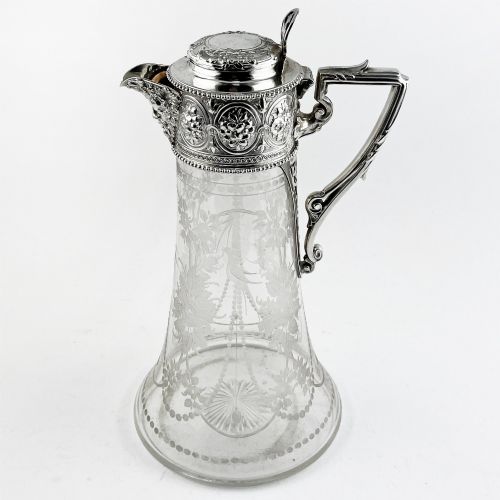
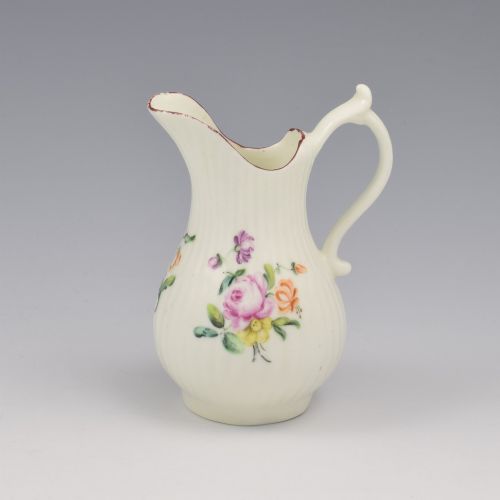
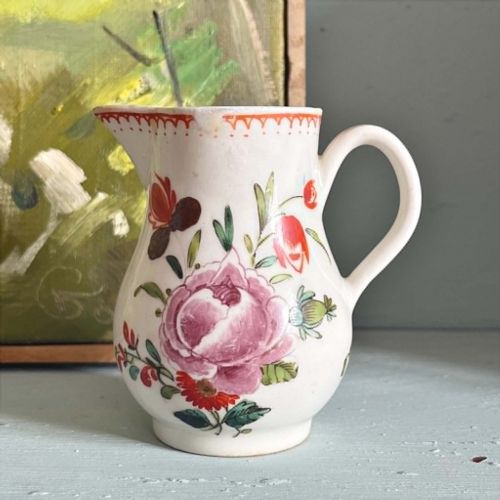
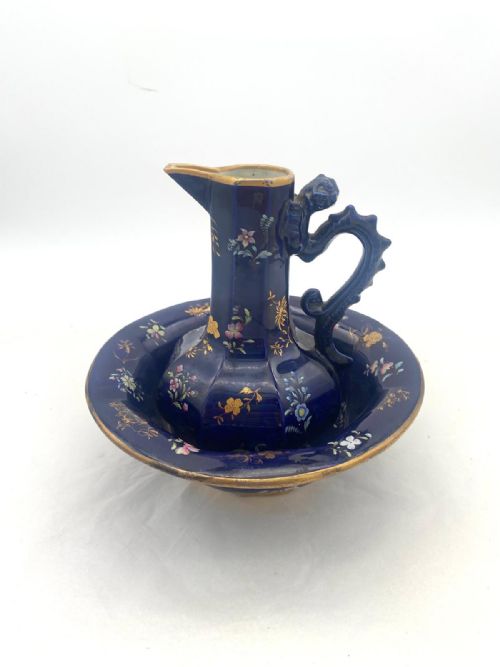
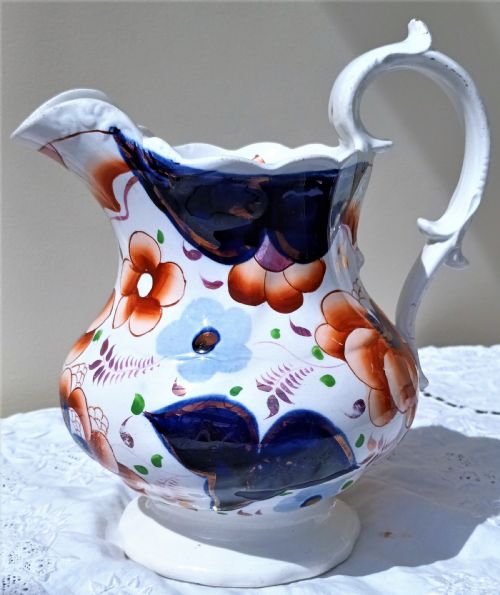
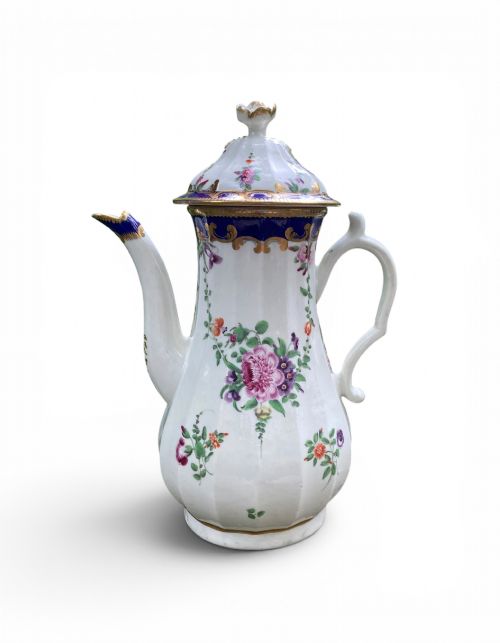
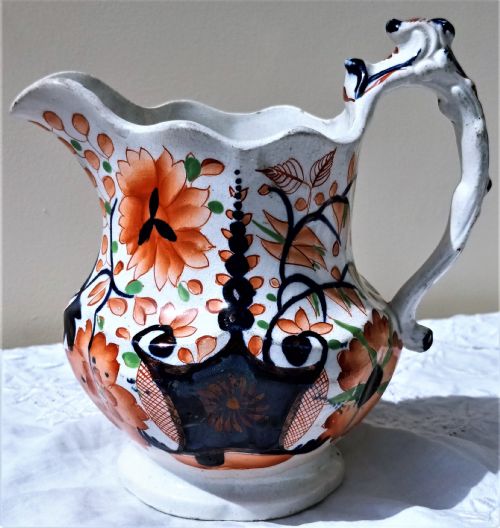
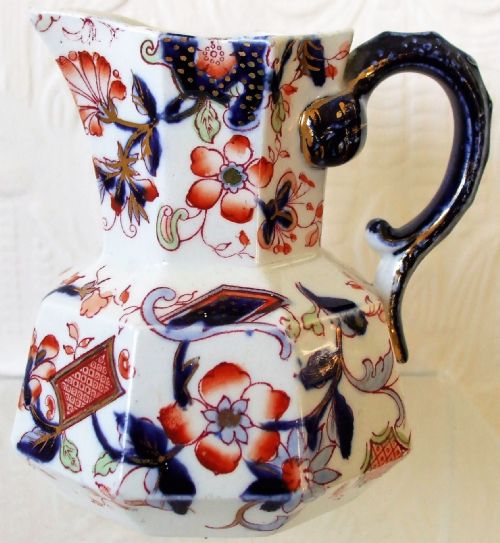
When searching for an antique floral pitcher, you encounter everything from delicate eighteenth-century creamers to substantial nineteenth-century washstand ewers. The examples seen on this page span Georgian, Victorian, and Edwardian periods, reflecting diverse domestic uses across porcelain, earthenware, and metal.
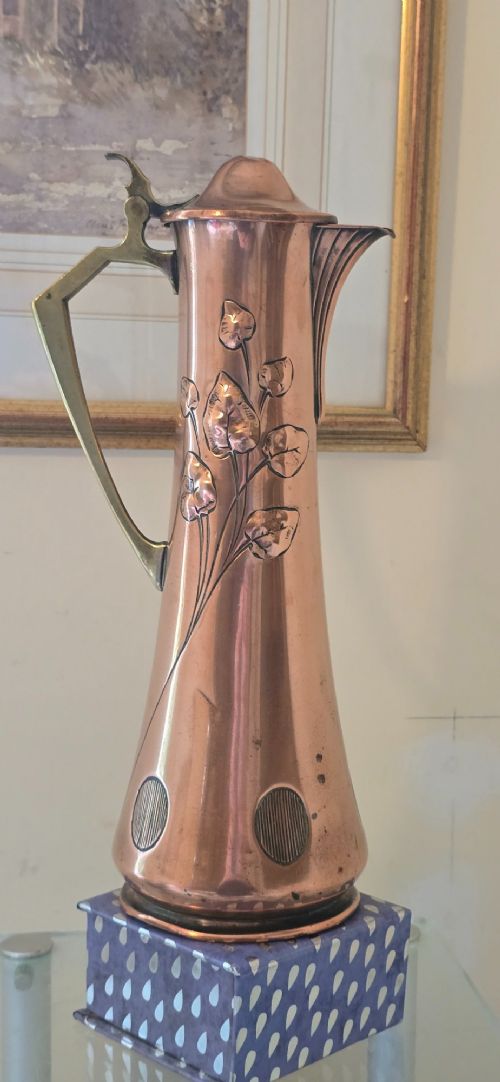
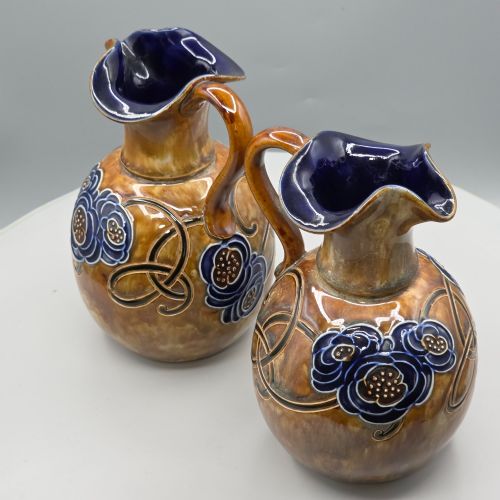
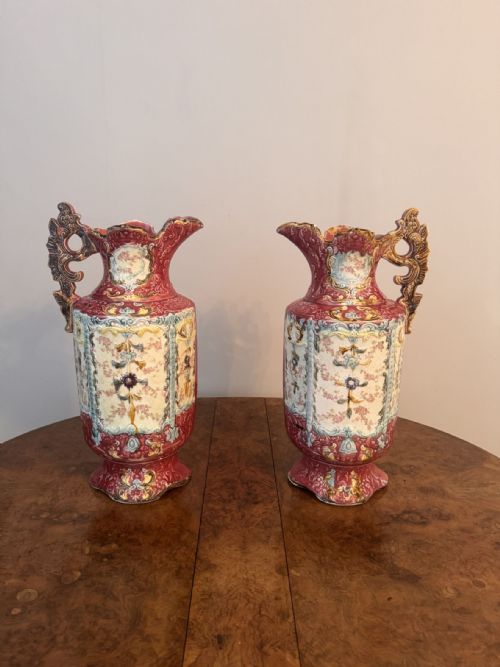
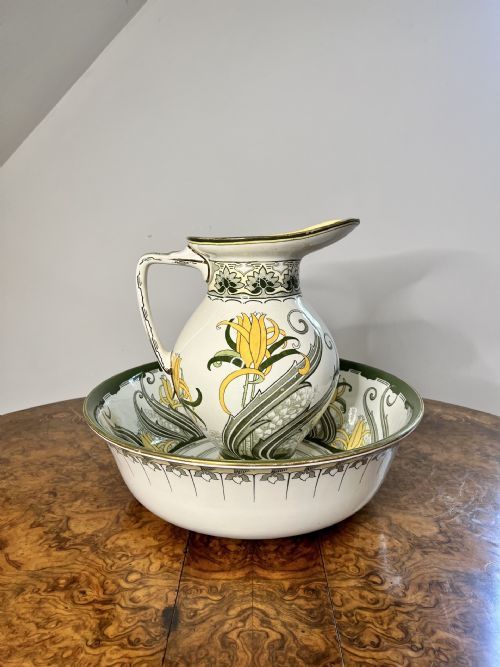
Most pieces likely to be met here take the form of jugs, creamers, or components of larger wash sets decorated with painted, transferred, or embossed floral motifs. Styles range from the hand-painted sprays of early porcelain factories to the stylized botanical relief work of the Arts and Crafts and Art Nouveau periods.
Materials and methods of construction
Makers shaped these pitchers from soft-paste porcelain, ironstone, earthenware, and copper, often applying glazes and gold leaf to finish the surface. Ceramic pieces rely on traditional throwing or moulding techniques, followed by hand-painting or transfer printing for the floral designs.
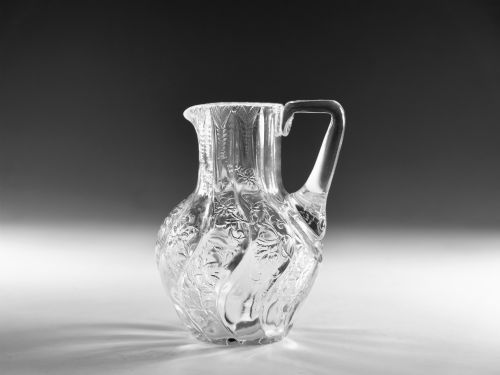
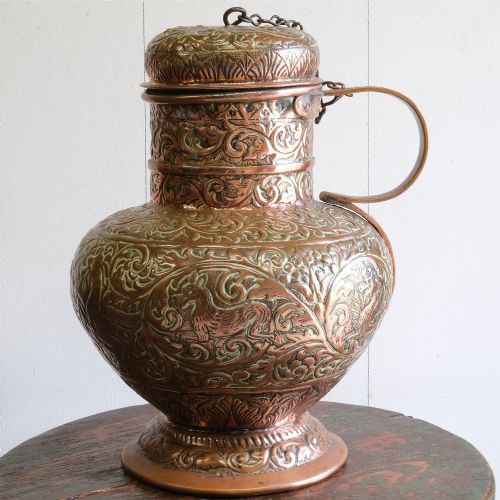
Metal vessels combine beaten copper, brass, and sterling silver, sometimes utilising relief stamping or casting for botanical ornamentation. Glass and cut crystal examples incorporate gilding and silverplate mounts to frame the floral etched or engraved patterns.
Listings feature floral pitchers spanning the eighteenth, nineteenth, and twentieth centuries, produced in earthenware, copper, porcelain, and glass.
Assessing quality in period pitchers
Quality rests in the crispness of the botanical moulding and the control evident in hand-painted or transfer-printed floral details. Superior porcelain and pottery show fine potting with thin walls and balanced handles, whereas lesser pieces display heavier, thicker bodies with coarser decoration.
In metalwork, the distinction lies in the precision of the hand-hammered relief and the integrity of the joins between body, handle, and spout. Finer examples maintain crisp surface definition without smoothing away the artisan's structural marks.
Royal Doulton·Stevens and Williams·Derby Porcelain·Bow porcelain·Doulton Burslem·Masons Ironstone·Keeling and Co·John Baley·New Hall·Joseph Sankey·Meissen·Royal Worcester
The Antique Floral Pitcher Glossary
- Ewer
- A large pitcher with a flared spout and an ornate handle, typically designed for washing or formal service. They frequently appear in nineteenth-century ceramic wash sets.
- Creamer
- A small jug intended for holding milk or cream during tea service. These often mirror the floral motifs of larger teapots and sugar bowls from the same period.
- Ironstone
- A durable type of heavy earthenware patented in the nineteenth century. It provides a robust body for colourful floral transfer prints.
- Transfer print
- A decorative technique where an engraved copper plate transfers a floral design onto paper and then onto the ceramic body before glazing. This method allowed consistent pattern reproduction across many pieces.
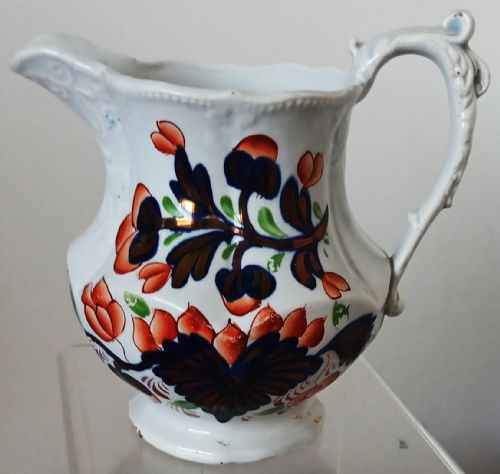
- Gaudy Welsh
- A distinctive style of pottery featuring vibrant cobalt blue, copper lustre, and iron-red floral patterns. It gained popularity during the nineteenth century for domestic tea and tableware.
Antique Floral Pitcher: Frequently Asked Questions
How do I date an antique pitcher?
Dating relies on identifying backstamps, factory marks, and the distinct stylistic indicators of periods such as Georgian or Art Nouveau. Material composition and manufacturing techniques also help narrow the decade of production.
Examining the wear patterns on the base and the style of the handle attachment provides additional clues regarding the era in which the vessel was made.
Were these pitchers used for daily dining?
Many pitchers served practical daily functions, ranging from pouring cream at the breakfast table to holding water for washing. Smaller vessels held liquids for tea, while larger ewers formed part of bedroom washstand sets.
Over time, the wear inside the spouts and bowls often indicates frequent domestic handling and utility.
Can I use these pitchers for fresh flowers?
Most ceramic, metal, and glass pitchers hold water safely, making them suitable for displaying fresh cut stems. However, porous earthenware or pieces with historical interior repairs benefit from careful handling.
Using a small glass insert inside delicate antique vessels protects the historic interior glaze from moisture damage.
What is a washstand set pitcher?
A washstand set pitcher was designed to hold water alongside a matching basin for morning ablutions in the bedroom before indoor plumbing became common. These pieces are typically larger and heavier than dining table jugs.
They often feature expansive floral patterns to complement the matching bowl displayed on the washstand.