


Gilded Porcelain Decorative Jug
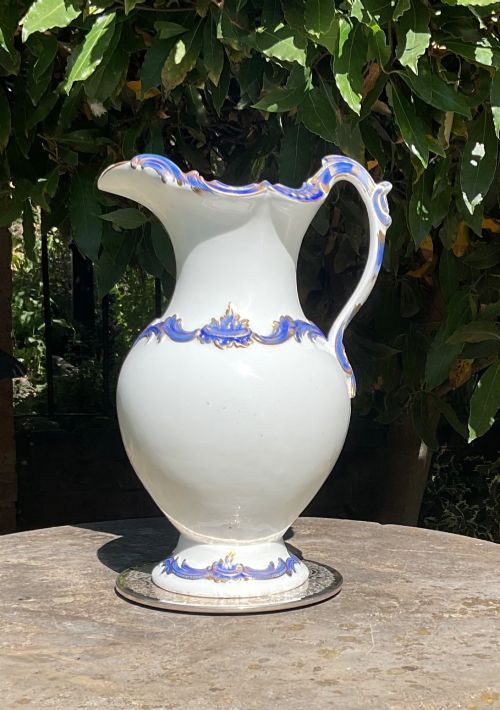
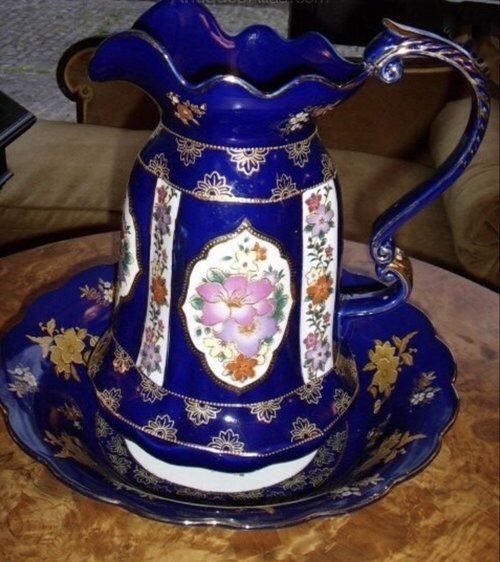
These gilded porcelain decorative jugs combine nineteenth-century ceramic traditions with rich metallic embellishments to elevate any interior display.
Gilded Porcelain Decorative Jug
A gilded porcelain decorative jug represents a fusion of fine ceramic manufacturing and ornate metallic finishing, spanning periods from the Victorian era through the early twentieth century. You will encounter various forms, including water jugs, wine ewers, and washstand sets alongside smaller cream jugs.
The pieces originating from this selection lean heavily towards British makers, particularly featuring prominent manufactories that defined the aesthetic standards of their time. These vessels range from robust domestic ware to delicate cabinet pieces designed purely for visual display.
Victorian and Edwardian examples dominate the available styles, often incorporating revivalist motifs or naturalistic designs. A buyer searching for a gilded porcelain decorative jug typically seeks an item that showcases both historical craftsmanship and decorative presence.
Materials and production techniques
Makers utilised fine porcelain bodies, sometimes paired with earthenware, shaped into vessels through throwing or casting methods. The raw ceramic was then fired to create a durable base ready for glazing and decoration.
Glaze applications provided a smooth, impervious surface, often tinted in cobalt blue or left white to contrast with subsequent painting. Enamel colours and floral designs were hand-painted onto the surface before undergoing secondary low-temperature firings.
Gold leaf, gilding, and raised gold decor were applied by hand to accent handles, rims, and panels. This meticulous application of gold gilt required skilled artisans to achieve the intricate relief work and lustrous finish seen on the finest pieces.
The listings show nineteenth-century porcelain jugs utilising extensive hand-applied gilding, enamel painting, and cobalt blue glazes across various British factories.
Distinctions in quality and execution
The standard of painting and gilding separates ordinary production from exceptional work, particularly in the precision of hand-painted floral panels and the depth of raised gold decoration. Superior pieces display crisp brushwork and heavy, burnished gold that retains its brilliance.
The complexity of the form dictates much of the quality, with reticulated bodywork, reticulated porcelain, and sculptural ewer handles demanding advanced technical mastery from the potter. Simpler jugs rely entirely on the purity of the porcelain body and the richness of the cobalt blue glaze.
Factory execution also plays a defining role, as established potteries maintained rigorous standards for kiln temperature control and porcelain translucency. The presence of factory marks confirms the origin and validates the level of craftsmanship invested in the object.
Royal Worcester·Doulton Burslem·Rockingham·Royal Crown Derby·Coalport·Grainger Worcester
The Gilded Porcelain Decorative Jug Glossary
- Ewer
- A large jug with a wide spout and handle, traditionally used for water or wine but collected primarily for its decorative form. Ewers often feature elaborate handles and slender necks.
- Gilding
- The application of gold leaf or gold powder to the surface of porcelain to create metallic ornamentation. This technique ranges from simple gilt rims to heavy raised gold decoration.
- Puce mark
- A factory stamp applied in purple or brownish-red enamel beneath the glaze, commonly used by Royal Worcester during the nineteenth century to date and identify pieces.
- Aesthetic Movement
- A late nineteenth-century design style emphasising visual beauty over narrative content, often featuring asymmetrical compositions and Japanese-inspired motifs on ceramics.
Gilded Porcelain Decorative Jug: Frequently Asked Questions
How were these jugs used originally?
Many of these vessels functioned as practical items within washstand sets or served as ewers for wine and water at formal dining tables. Over time, their decorative qualities led to them being displayed on mantelpieces and cabinets rather than utilised for daily service.
Larger pieces often formed part of matching toilet sets alongside basins, while smaller cream jugs saw use in tea service. Their transition from utility to ornament reflects changing domestic habits across the Victorian and Edwardian periods.
How do I identify a Victorian piece?
Victorian examples frequently display characteristic revivalist styles such as Rococo Revival or Aesthetic Movement motifs, combined with heavy gilding and rich cobalt blue glazes. Examining the base for period-specific factory marks provides a reliable method for determining the date of manufacture.
The weight and texture of the porcelain, alongside the style of hand-painted floral panels, also offer strong clues to a nineteenth-century origin.
Can these antique jugs still hold liquids safely?
While these vessels were originally manufactured to contain water, wine, or cream, modern use for liquids is generally discouraged due to the age of the porcelain and potential wear on the interior glaze. Thermal shock or pressure can risk damaging the historical body and the delicate exterior gilding.
Collectors prefer to display them dry to preserve the hand-painted enamels and raised gold decoration from moisture and residue build-up.