




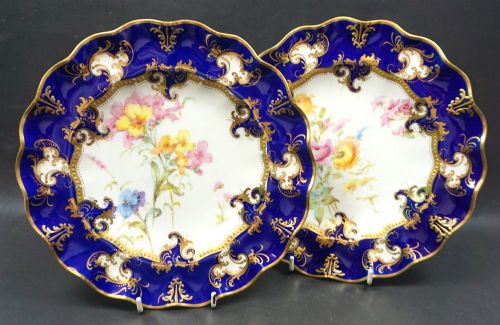



Antique Floral Ceramic Charger
An antique floral ceramic charger brings bold hand-painted botanical colour to a wall or sideboard.
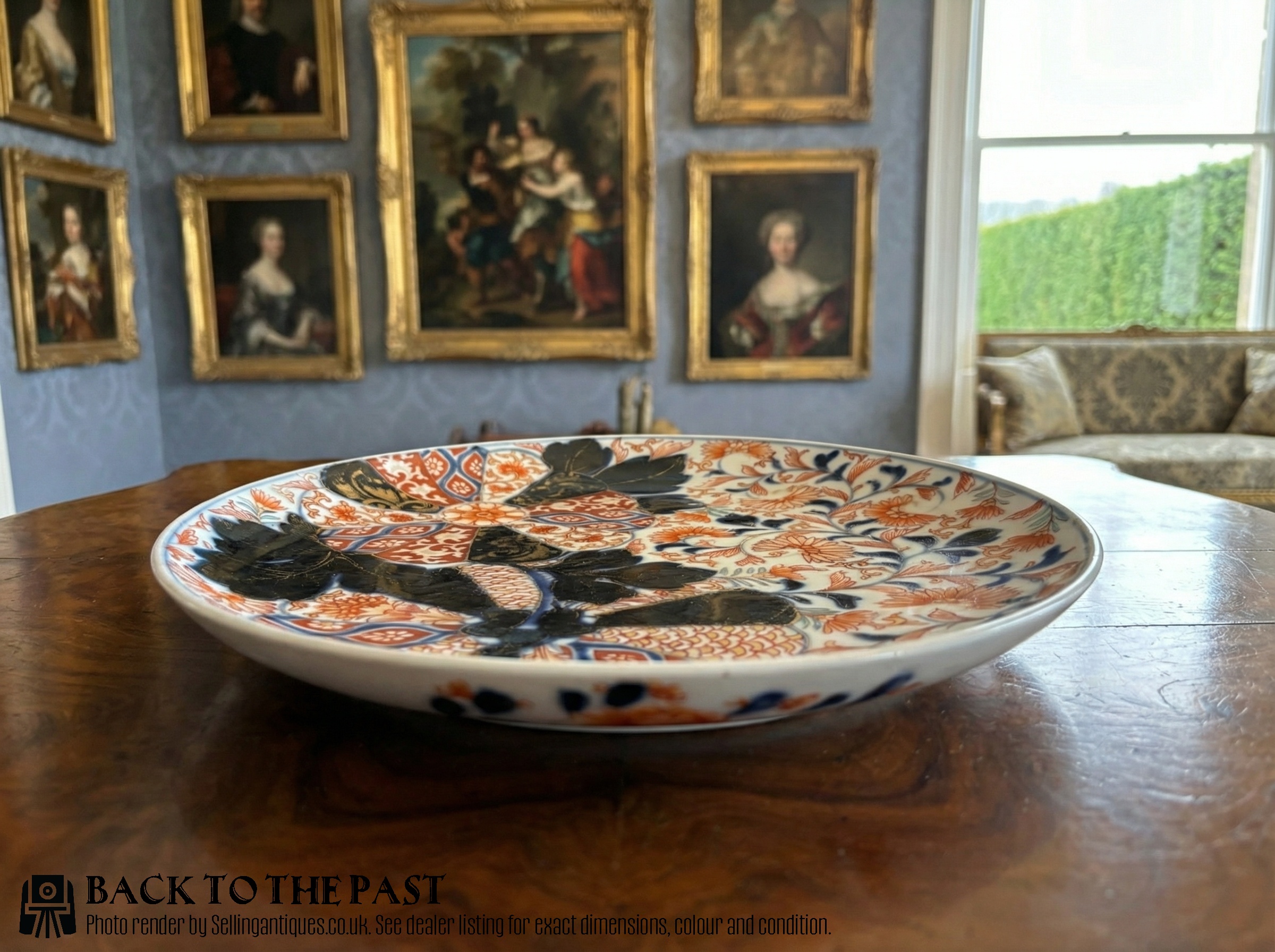
Antique Floral Ceramic Charger
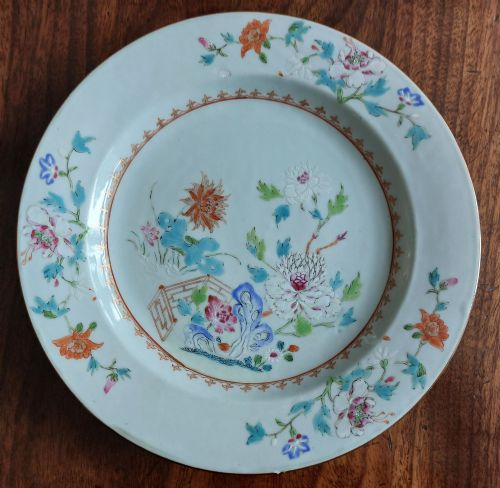
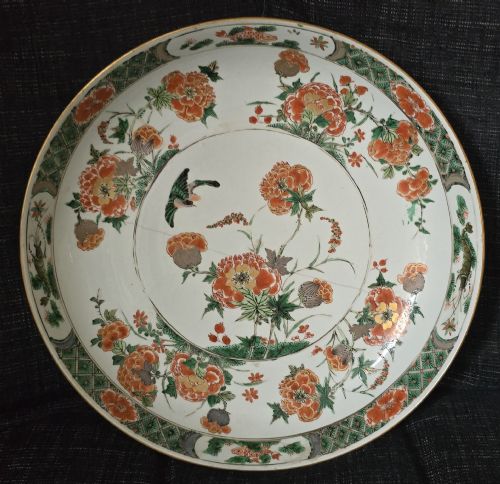
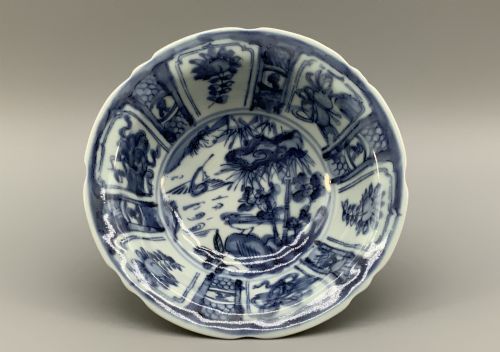
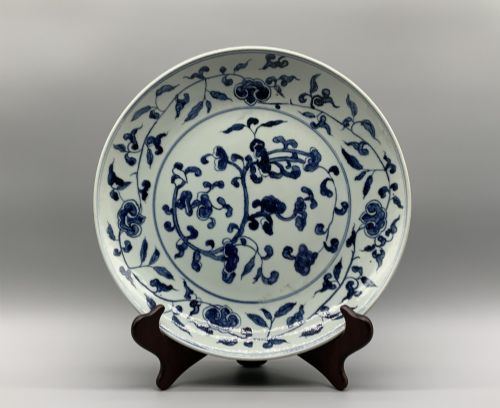
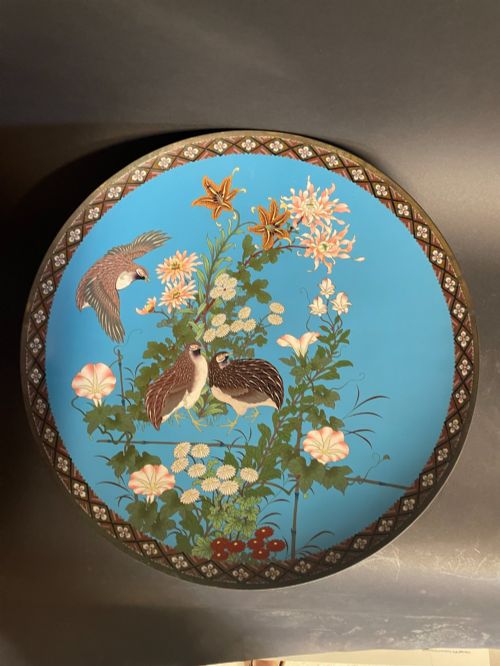
An antique floral ceramic charger is a large decorative display plate or shallow bowl finished with hand-painted botanical motifs. These pieces serve primarily for display rather than dining, often featuring scalloped edges or broad rims to frame the central design.
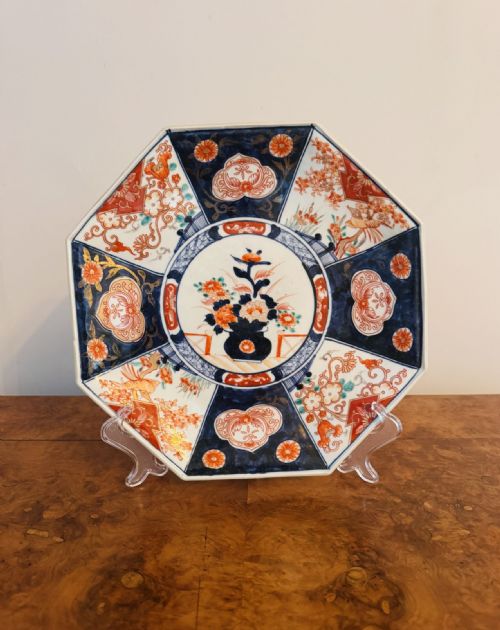
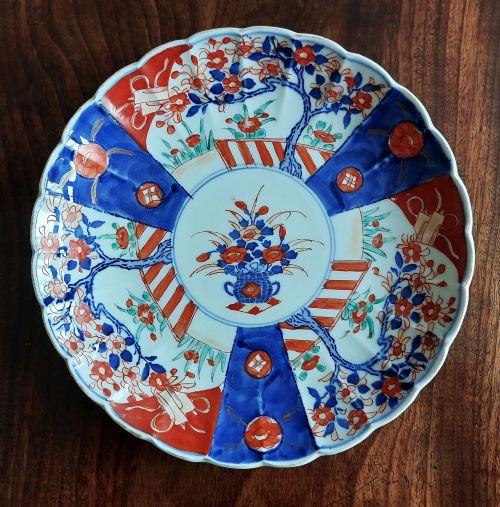
The selections available here span European factories and Japanese kilns, with Imari patterns from the Meiji period and 18th-century Delftware appearing most frequently. Buyers encounter both circular chargers and lobed bowls produced across the eighteenth, nineteenth, and early twentieth centuries.
How they were made
Potters shaped these ceramics from earthenware, soft-paste porcelain, or ironstone before applying cobalt pigment, enamel, and glaze. Many pieces received additional enrichment through gilding or gold leaf applied over the fired surface.
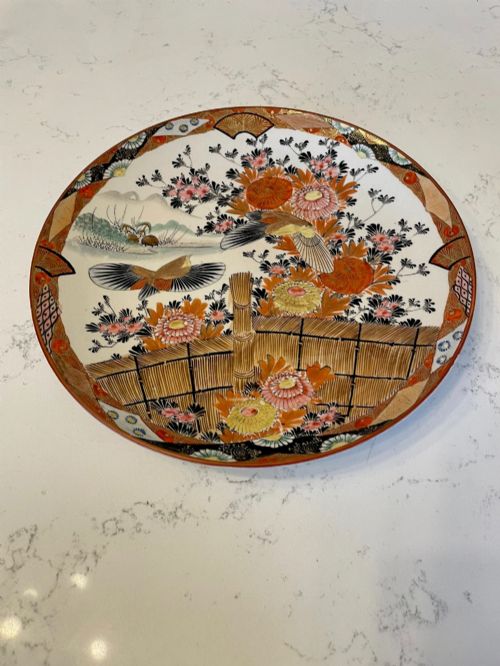
Decoration relied on hand-painting techniques, transfer printing, or raised moriage work to build up floral patterns depicting wisteria, peonies, and birds. Firing took place in traditional kilns, fixing the polychrome or blue and white designs into the ceramic body.
The listings span earthenware and porcelain across the 18th, 19th, and early 20th centuries.
What varies in quality
The precision and detail of the hand-painted brushwork separate standard production items from exceptional collector pieces. Crisp execution in the floral motifs and careful control of cobalt pigment or enamel colours indicate superior craftsmanship.
The complexity of the form, such as scalloped or hexagonal edges combined with intricate gilding, elevates the status of a charger. Pieces bearing recognised factory marks or retaining crisp relief work demonstrate higher artistic ambition.
John Ford·Ambroise Michel·John Rogers and Son·John Davenport of Longport·Pucher Deroche
The Antique Floral Ceramic Charger Glossary
- Imari
- A style of Japanese porcelain decorated in underglaze blue, iron red, and gold. It originated in Arita and became widely exported to Europe.
- Delftware
- Tin-glazed earthenware produced in England and the Netherlands, typically featuring blue and white or polychrome floral decoration.
- Charger
- A large decorative plate intended for display on a sideboard or wall rather than for serving food at the table.
- Moriage
- A Japanese ceramic technique using raised slip decoration to create textured, three-dimensional floral and faunal designs.
- Ironstone
- A durable type of heavy earthenware patented in the nineteenth century as a resilient alternative to porcelain.
Antique Floral Ceramic Charger: Frequently Asked Questions
How were antique chargers displayed?
These large plates were traditionally stood upright on sideboards or hung on walls to showcase their painted surfaces.
Their substantial diameter made them focal points in dining rooms and parlours.
What is the difference between a charger and a plate?
Chargers measure significantly larger than standard dining plates and functioned primarily as decorative items.
Smaller plates served functional dining purposes, whereas chargers were built for display.
How do I identify Imari porcelain?
Imari pieces typically combine deep underglaze blue with vibrant iron red and contrasting gold leaf details.
The patterns frequently incorporate floral arrangements, birds, and brocade motifs.
Can these ceramic chargers be hung securely?
Specialist wire wall hangers distribute the weight evenly across the rim without damaging the ceramic body.
Buyers should ensure any hanging hardware supports the specific diameter and weight of the piece.