
Antique Fire Surround Fender
An antique fire surround fender frames the hearth, protecting the room from sparks while anchoring the fireplace with period metalwork.
Antique Fire Surround Fender
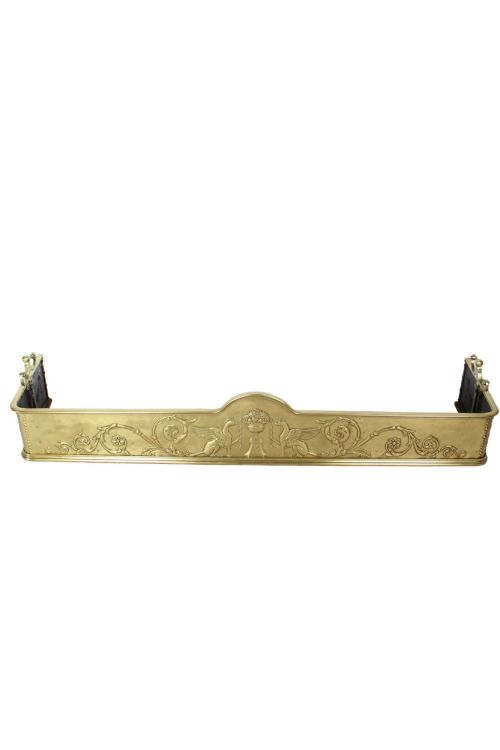
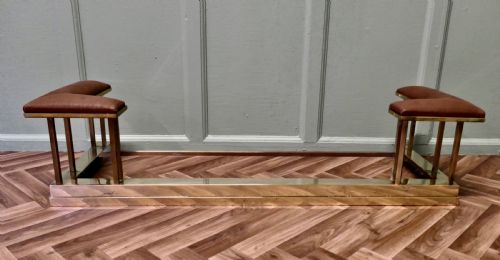
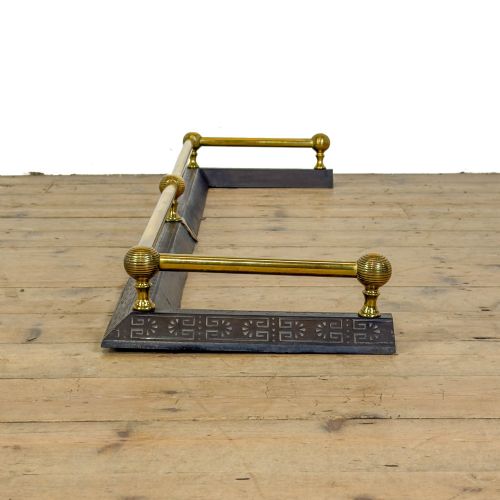
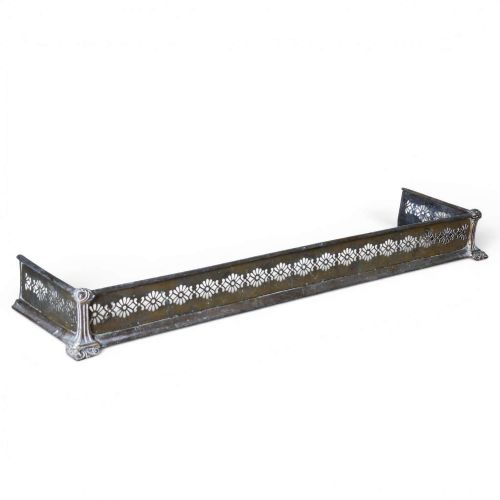
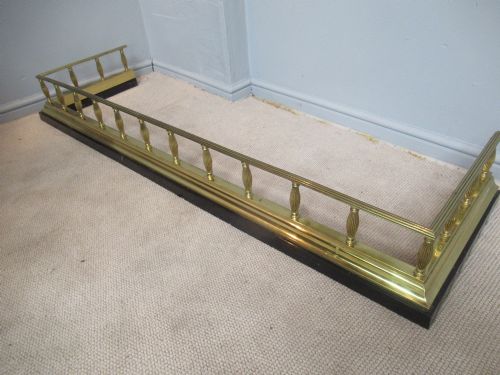
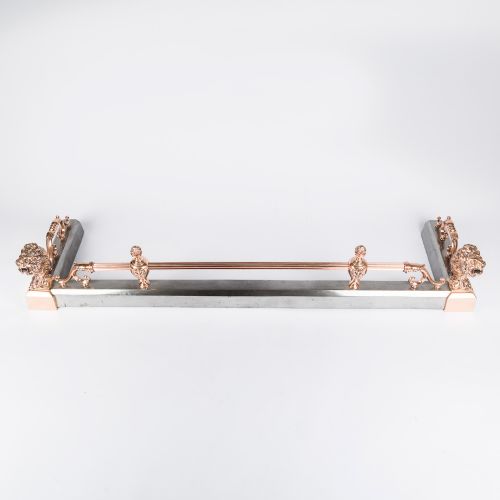
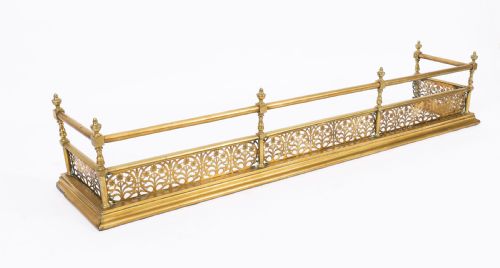
An antique fire surround fender sits directly on the hearth to contain ash and embers, taking forms from simple adjustable rails to substantial club seats. You will most frequently encounter Victorian brass and iron examples alongside Edwardian and Georgian variations.
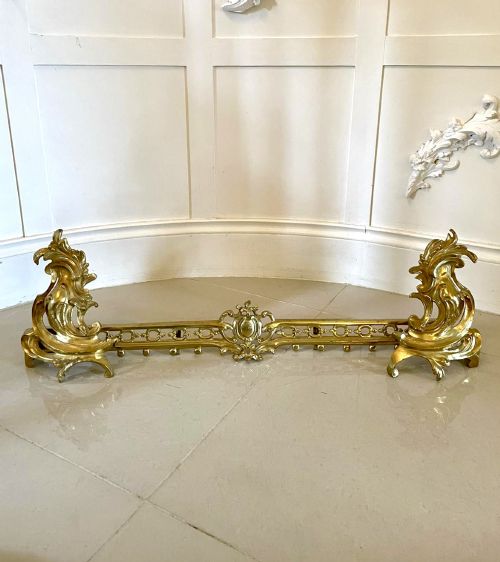
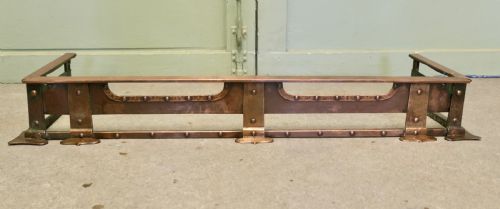
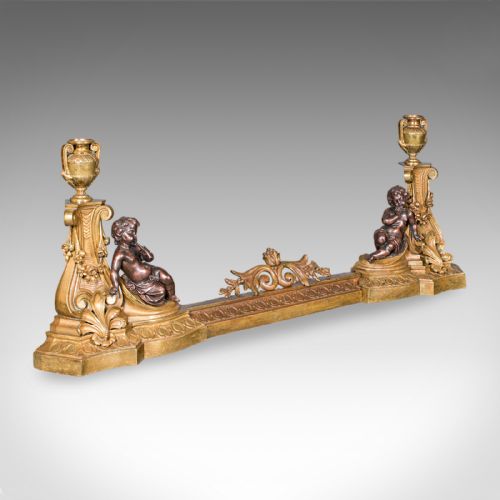
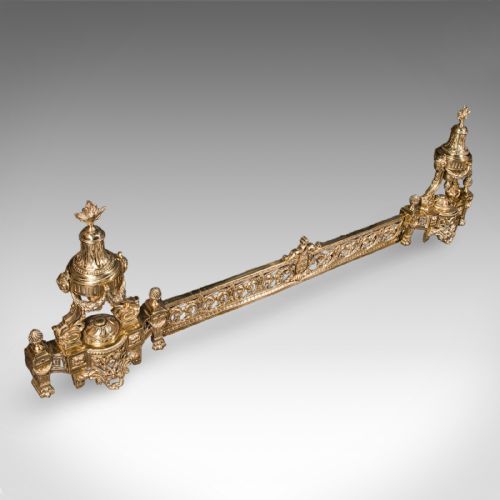
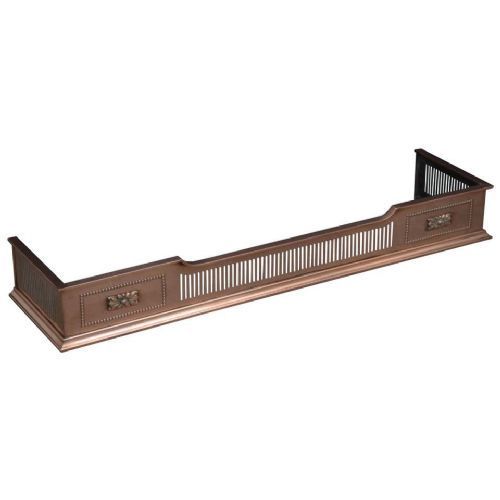
Makers shaped these guards in styles ranging from Georgian serpentine steel to Arts and Crafts beaten copper, French Rococo, and Art Nouveau. The selection spans straightforward hearth curbs to elaborate extending designs fitted with leather-upholstered seats.
Materials and Construction
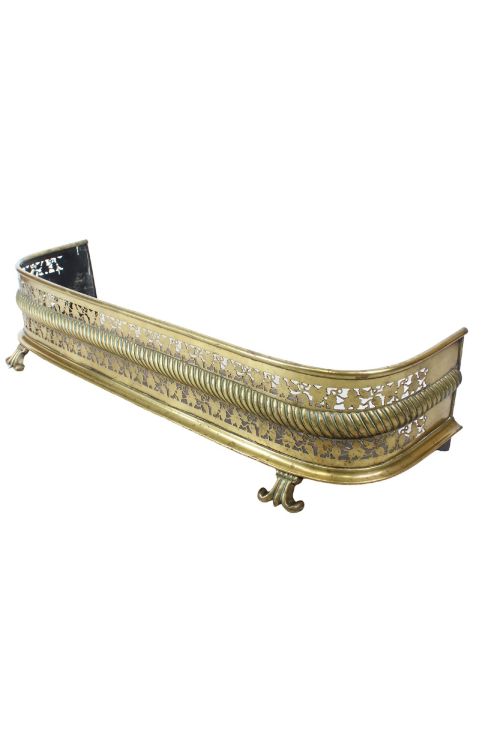
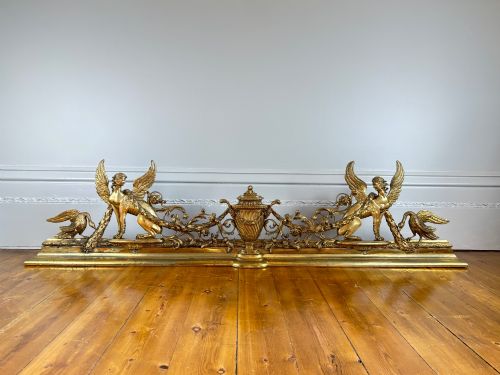
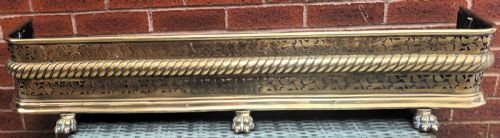
Smiths and foundry workers constructed these pieces primarily from brass, cast iron, and steel, often combining copper, bronze, and gilt finishes. Pierced sheet metal, riveted plates, and heavy castings form the structural body of each guard.
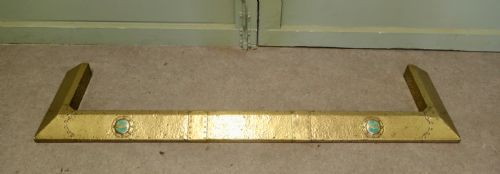
Detailing includes applied green enamel cabochons, flower patera, beaded decoration, and carved oak frames. Many incorporate leather upholstery on corner seats or extendable mechanisms for precise hearth fitting.
Design styles span Victorian, Arts and Crafts, Georgian, Art Nouveau, Edwardian, French Rococo, Victorian Neoclassical, and Art Deco.
Design and Execution
Quality rests on the heaviness of the metal gauge, the crispness of pierced or engraved patterns, and the integrity of joints and extending mechanisms. Substantial castings and thick gauge brass or steel distinguish superior examples from lighter production pieces.
Refined surface patination, hand-beaten copper work, and integrated leather upholstery elevate particular pieces. The distinction lies in whether the maker employed cast bronze and detailed engraving or simpler folded sheet metal.
E F Caldwell New York
The Antique Fire Surround Fender Glossary
- Club fender
- A low fireside guard featuring upholstered corner seats designed for sitting close to the hearth. These typically combine brass or steel frames with leather pads.
- Pierced brass
- Sheet brass pierced with decorative fretwork patterns to allow heat circulation and light reflection. This technique appears frequently on Victorian hearth rails.
- Serpentine
- A gentle undulating curved outline seen on Georgian and later steel fire guards. The shape mirrors the curved lines of period hearths.
- Fire kerb
- A low metal barrier fitted around the perimeter of the fireplace opening. It functions identically to a fender in containing ash and stray embers.
- Patera
- A circular ornamental bas-relief disk resembling a classical libation bowl. Makers applied these decorative motifs to copper and brass fender rails.
Antique Fire Surround Fender: Frequently Asked Questions
How do I measure for a fire fender?
Measure the width and depth of your hearth stone while leaving clearance for the fire surround legs. Take note of whether you need a fixed rail or an adjustable model to achieve the proper fit.
Account for the projection of the hearth from the wall so the fender sits squarely without overhanging the room edge.
What is a club fender?
A club fender is a hearth guard fitted with low upholstered seats on either side. These originated in gentlemen's clubs to provide close warmth by the fire.
The padded top surface allows people to sit directly beside the hearth while the metal base contains the logs and ash.
How do I clean brass and copper fenders?
Dust the metal regularly with a soft cloth and preserve the existing patination rather than polishing it to a bright shine. Avoid harsh chemical cleaners that strip the historical surface.
For stubborn soot, warm soapy water applied gently and dried immediately will protect the antique finish without causing pitting.
Are all fire fenders adjustable?
Many examples feature extending mechanisms that allow the width to expand or contract within a specific range. Fixed models were manufactured for specific hearth dimensions.
Check the listing details to confirm whether the metal rail uses a sliding sleeve joint for adjustment.